VI
VI


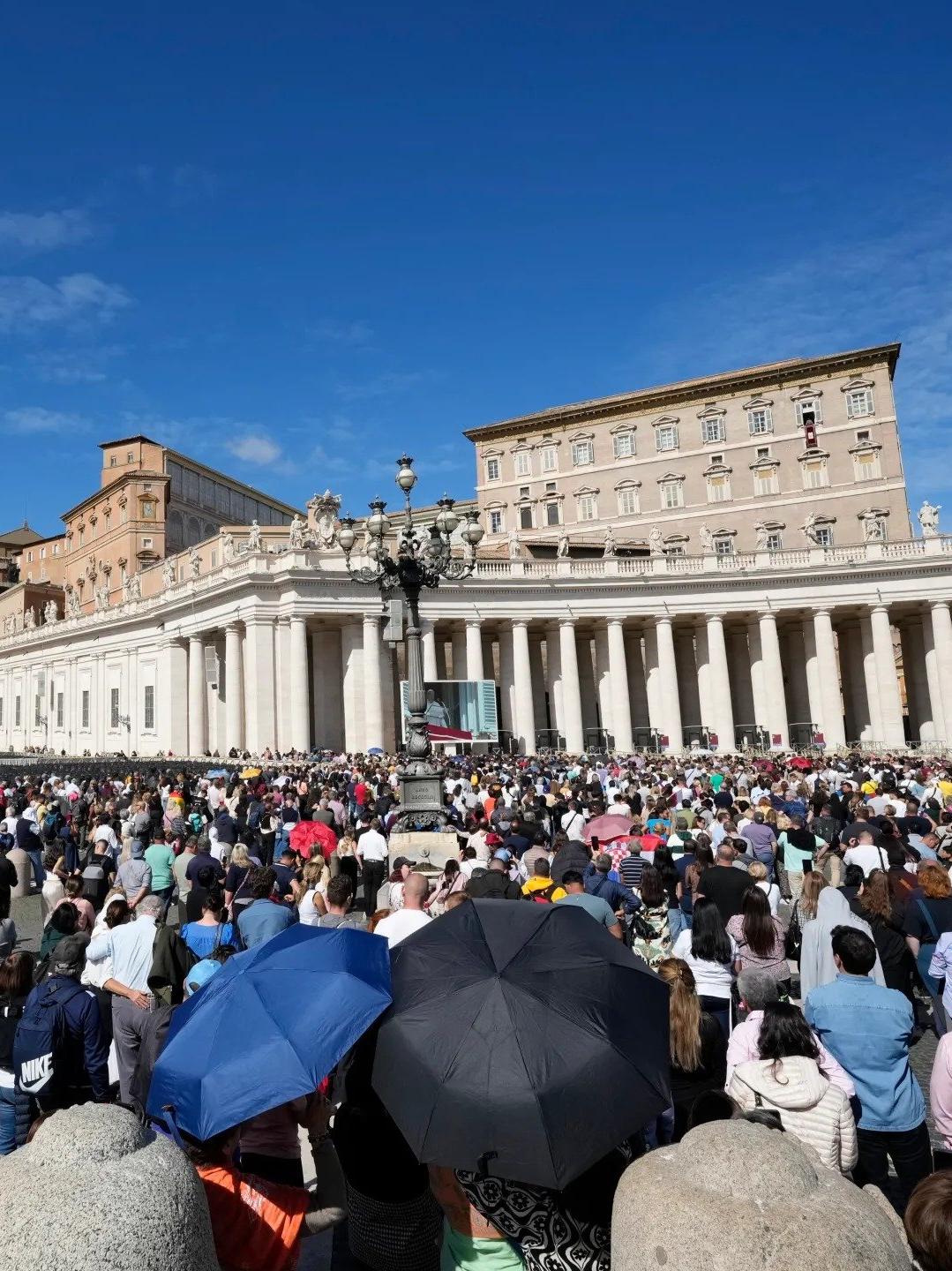
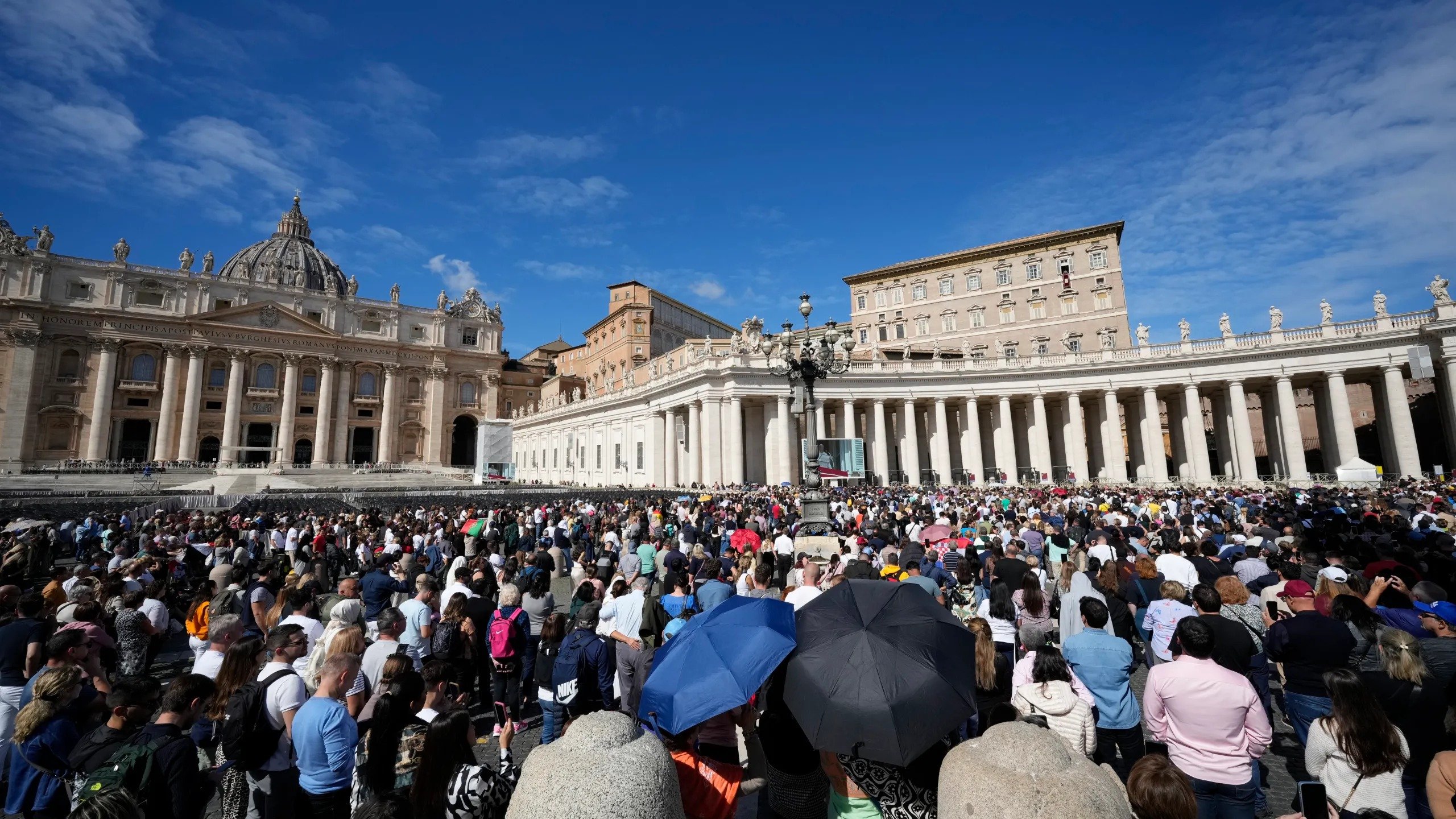
The death of Pope Francis comes as Rome enters its Jubilee Year, a special Catholic pilgrimage that takes place every 25 years. With over 32 million pilgrims expected to visit Rome this year, plus millions more faithful and mourners, the Italian capital is becoming overcrowded.
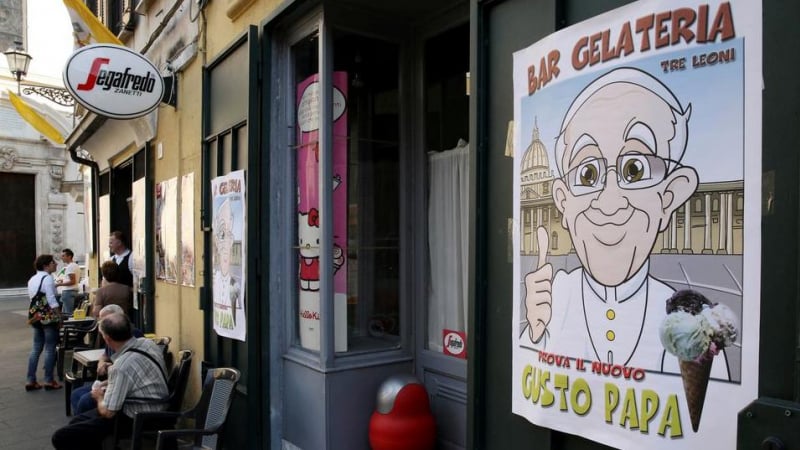
Mountain Butorac, who organizes Vatican pilgrimages, believes that international media coverage will be even greater than at the funeral of Pope Benedict XVI, although the number of attendees may be comparable. Previously, in 2005, the funeral of Pope John Paul II attracted around 4 million people.
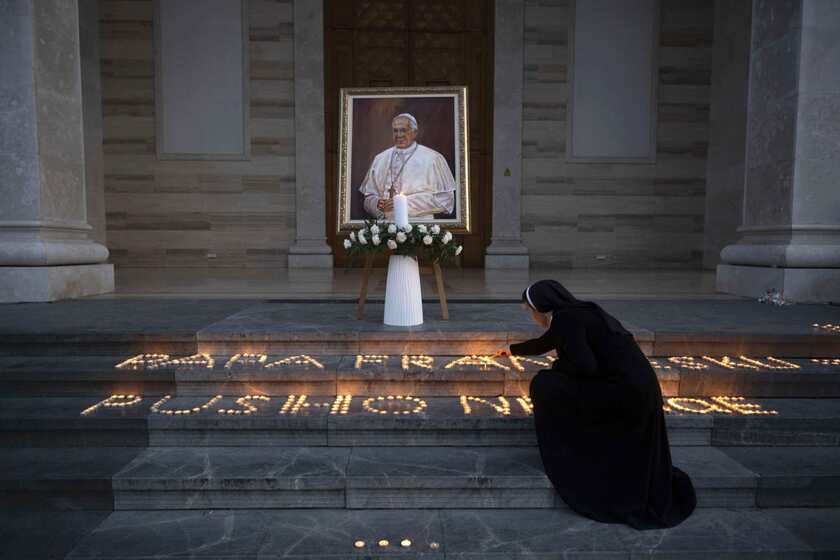
With over 32 million pilgrims expected to visit Rome this year, plus millions more for the faithful and mourners, the Italian capital is becoming overcrowded.
Funeral ceremony schedule
The body of Pope Francis was transported from his residence at Casa Santa Marta to St. Peter's Basilica on the morning of April 23rd. From there, the public can pay their respects until midnight that same day, continuing from 7 am to midnight on April 24th and from 7 am to 7 pm on April 25th. The casket closing ceremony will take place at 8 pm on April 25th.
The official funeral service will be held at 10:00 a.m. on Saturday (April 26) in St. Peter's Square. The ceremony will be open to the public, no tickets required, but people will have to queue for security checks. After the prayers and farewells, the casket will be taken into the cathedral and then moved to the Basilica of Santa Maria Maggiore – where Pope Francis had prayed privately on several occasions – for burial.
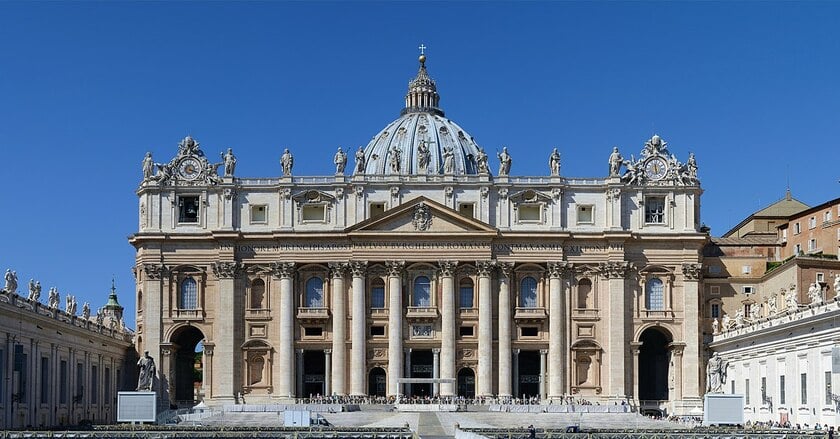
St. Peter's Basilica
The funeral will mark the beginning of nine days of national mourning at the Vatican, ending on May 4th. During this time, cardinals from around the world will arrive in Rome in turn to prepare for the conclave to elect a new pope. According to regulations, the conclave cannot begin before May 6th.

On the first day of the conclave, there will be only one round of voting in the evening. On subsequent days, there will be two rounds of voting in the morning and two in the afternoon. After each round, smoke will come out from the chimney of the Sistine Chapel: black smoke indicating no pope has been elected, white smoke indicating a successor has been chosen. When the results are known, the new pope will be presented to the public from the balcony of St. Peter's Basilica.
How to get to Rome
Rome has two international airports: Fiumicino (the larger one serving international airlines outside of Europe) and Ciampino (serving low-cost airlines within Europe). From Fiumicino, the Leonardo Express train runs directly to Termini central station every 15 minutes (fare 14 EUR). Taxis from the airport to the city center have a fixed fare of 55 EUR (approximately 1,430,000 VND).
If you can't find a flight to Rome, you can land in Milan or Naples and then take a high-speed train to Rome – it only takes about 1 hour from Naples or 3 hours from Milan.
Where to stay during peak season?
The area surrounding the Vatican, especially the rione Prati or the Campo Marzio and Piazza Navona districts, offers convenient walking access to St. Peter's Basilica. The Metro Ottaviano near the Vatican is a good option if you're staying further away.
Due to high demand, many hotels are charging relatively high prices during this period. However, some mid-range hotels still have rooms available at reasonable prices if you book early and stay for a minimum of three nights. For example, Hotel Lancelot near the Colosseum is still maintaining a price of around 420 EUR (approximately 10,900,000 VND) for a three-night stay.
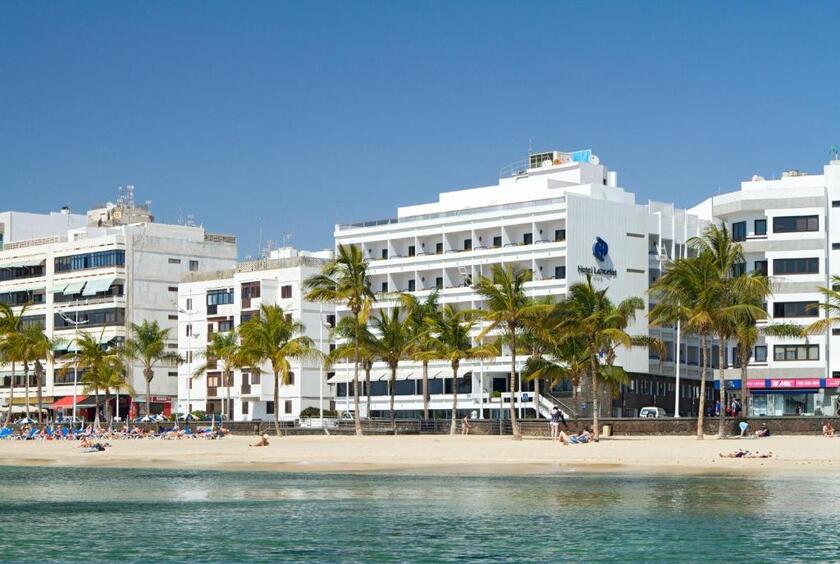
Hotel Lancelot is a suitable accommodation option if you book in advance.
Places to visit when you come to Rome this time.
Although the Vatican will suspend most tours during the days of mourning (including Vatican museums, gardens, and chapels), Rome still has many Catholic sites to explore.
Castel Sant'Angelo, less than a 10-minute walk from St. Peter's Square, was once a fortress and refuge for Pope Clement VII during the events of 1527. In addition, three other important cathedrals – San Giovanni in Laterano, Santa Maria Maggiore (where Pope Francis will be buried), and San Paolo Fuori le Mura – are also sacred sites worth visiting.
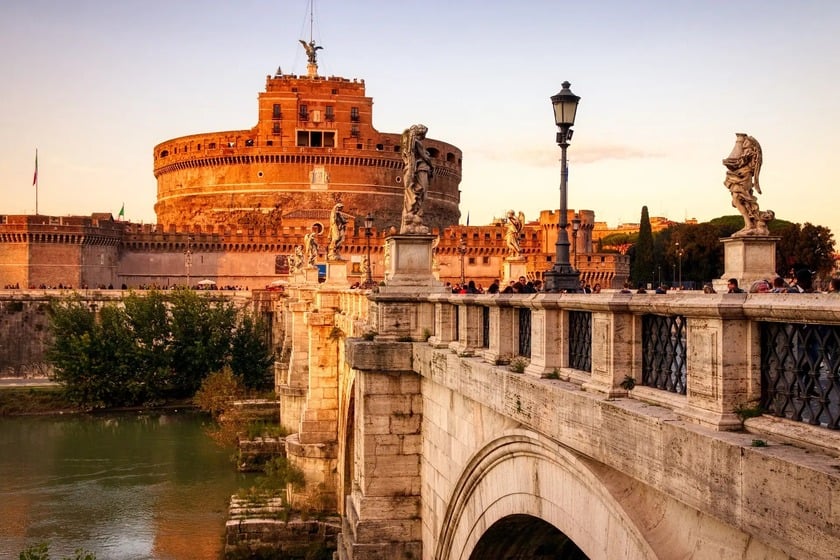
Castel Sant'Angelo

Santa Maria Maggiore - the burial place of Pope Francis
If you appreciate Michelangelo's art, visit the San Pietro in Vincoli church to admire the statue of Moses, or Santa Maria degli Angeli – a church renovated from an ancient Roman bathhouse by Michelangelo.
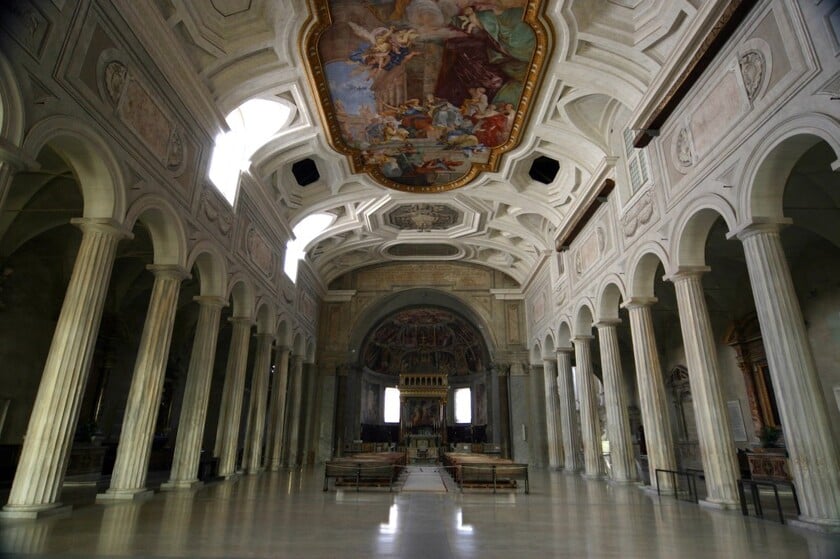
San Pietro in Vincoli
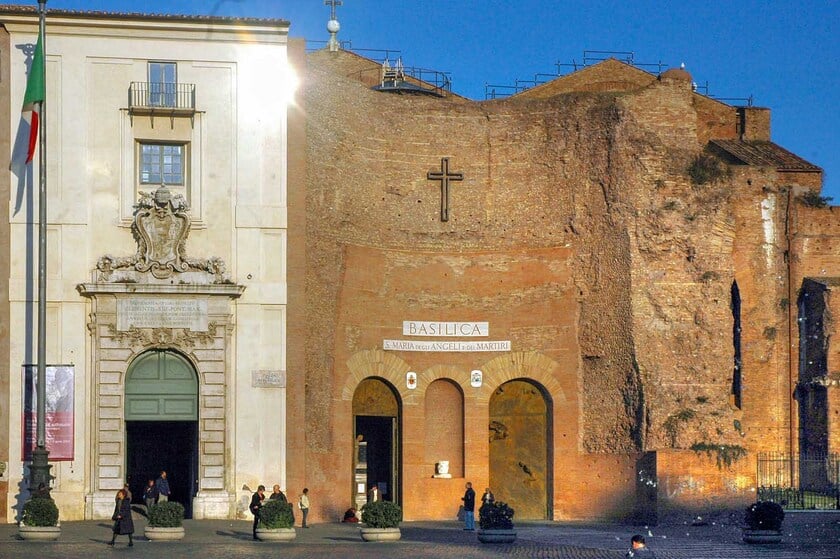
Santa Maria degli Angeli
If you have time, you can visit Castel Gandolfo, the traditional summer retreat of the popes, now open to the public. Alternatively, the city of Viterbo, once the seat of the Holy See in the 13th century, is also a site steeped in Church history and famous for its hot springs.
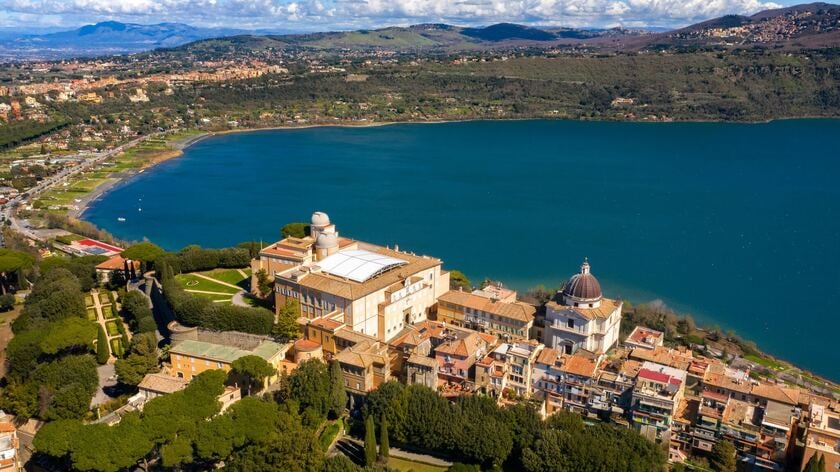
Castell Gandolfo