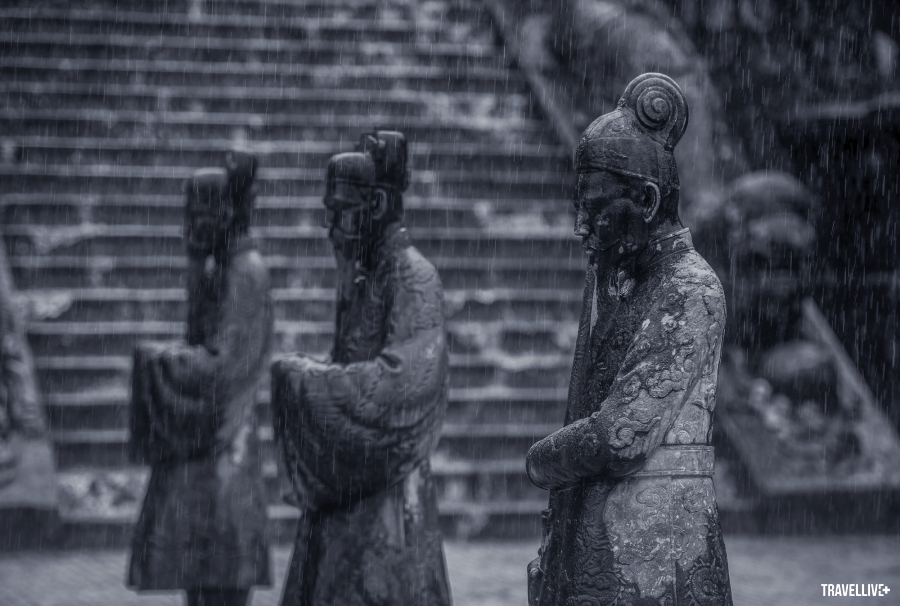
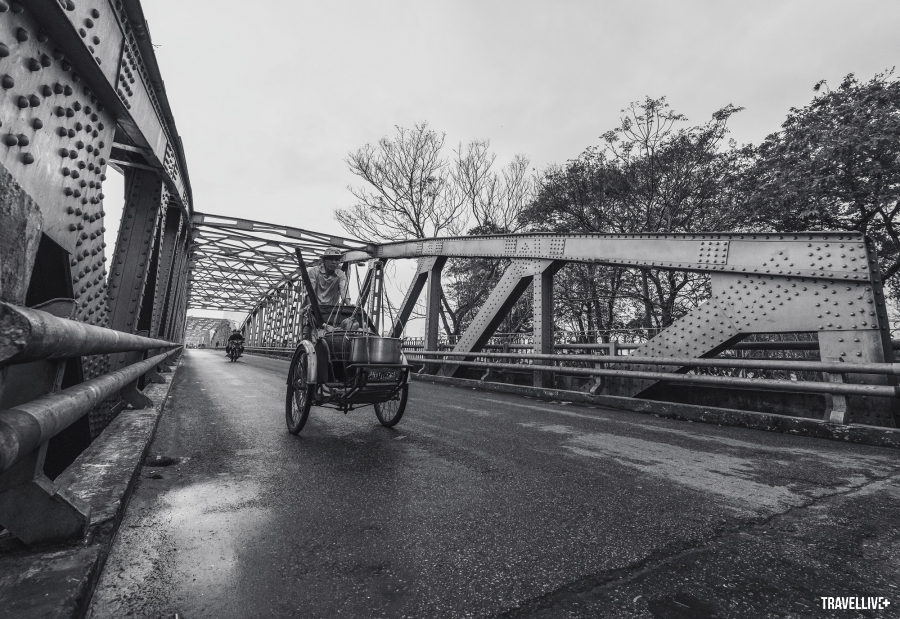
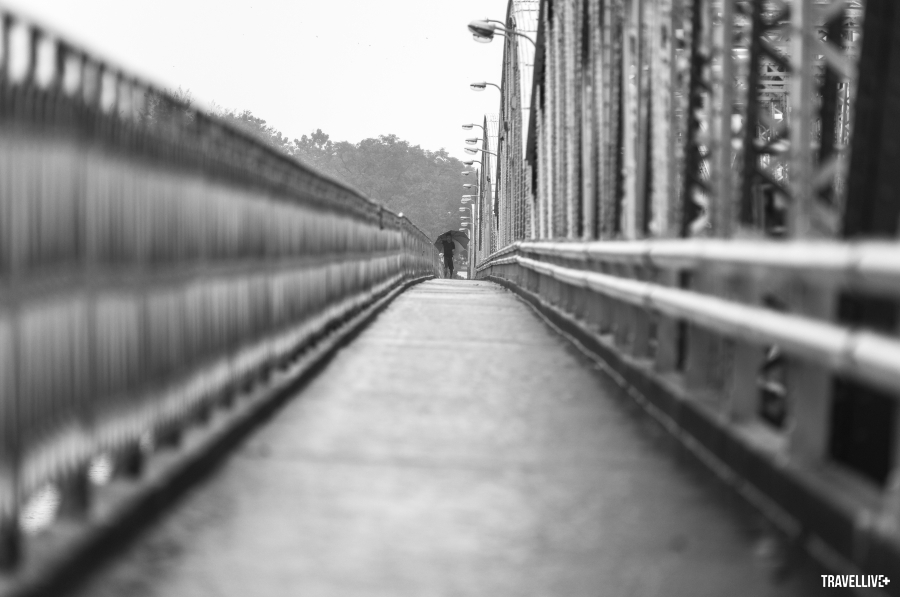
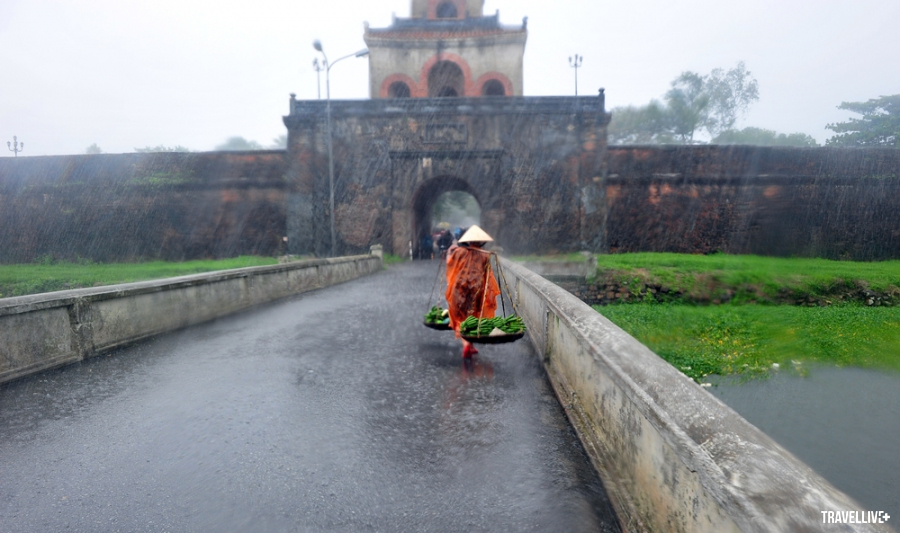
Waking up at 7 a.m. in Lang Co, Hue, the air was thick with mist, almost as if clouds from the Bach Ma mountain range had drifted into the room. It was drizzling. Rain is a specialty of Hue, and it continued to fall gently all day. So we relaxed, reading, brewing a hot cup of coffee, lighting an incense stick with its herbal scent, and watching the rain from the balcony overlooking the bay.
Hue is beautiful and enchanting, like Trinh Cong Son's "Love Letter to Someone," "I still miss you so much, but sometimes I don't know what to write. It's pointless to keep saying day after day that I miss you so much; it would only bore you. Has the rainy season started in Hue yet, Anh?"
I laughed and said, "This place is lovely. Every room has incense sticks and a box of matches." Of all the places I've been, this is probably the only one that puts incense in the rooms like this. My friend said, "How about we go visit the incense village in Hue this afternoon? I heard there are many interesting things to learn there."
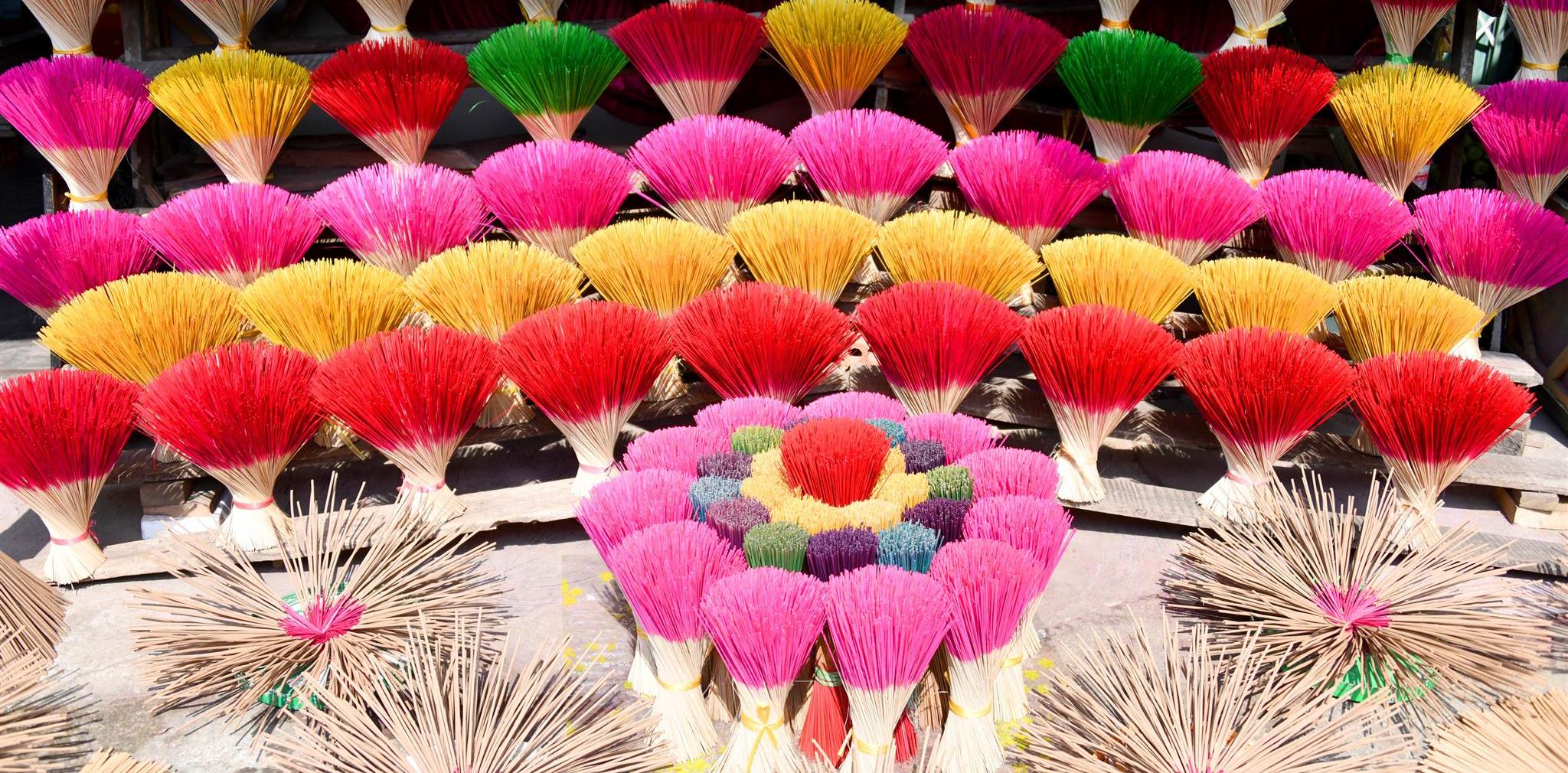
So that afternoon, we decided to take a bus to visit the incense village, also known as Thuy Xuan incense village. It was different from what I had imagined; there weren't crowds of tourists or villagers busily operating incense-making machines. It was just a quiet little road on the outskirts of Hue, at the foot of Vong Canh hill, near Tu Duc Palace, with many incense-making houses close together. Every short distance, you could see incense sticks burning under trees, a local custom of praying to the earth spirits.
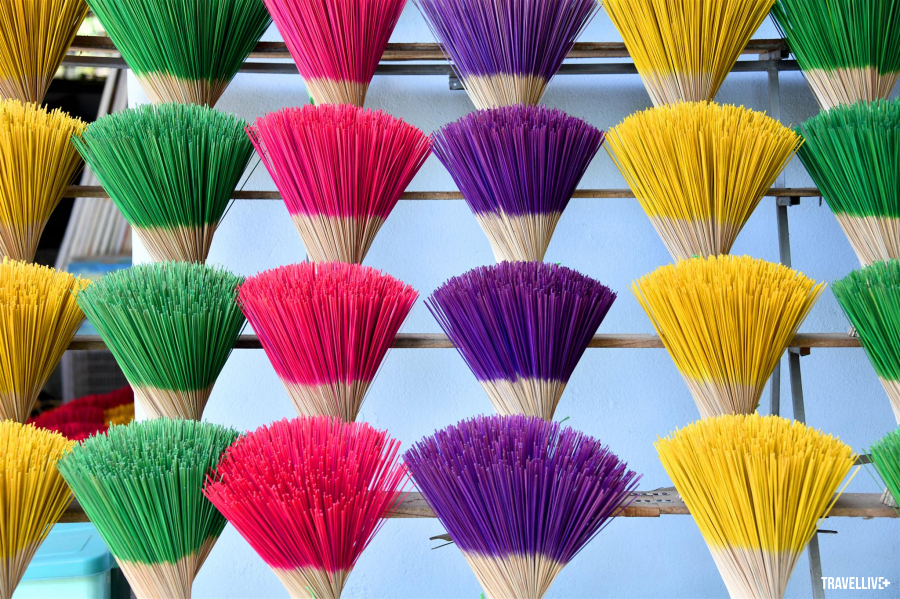
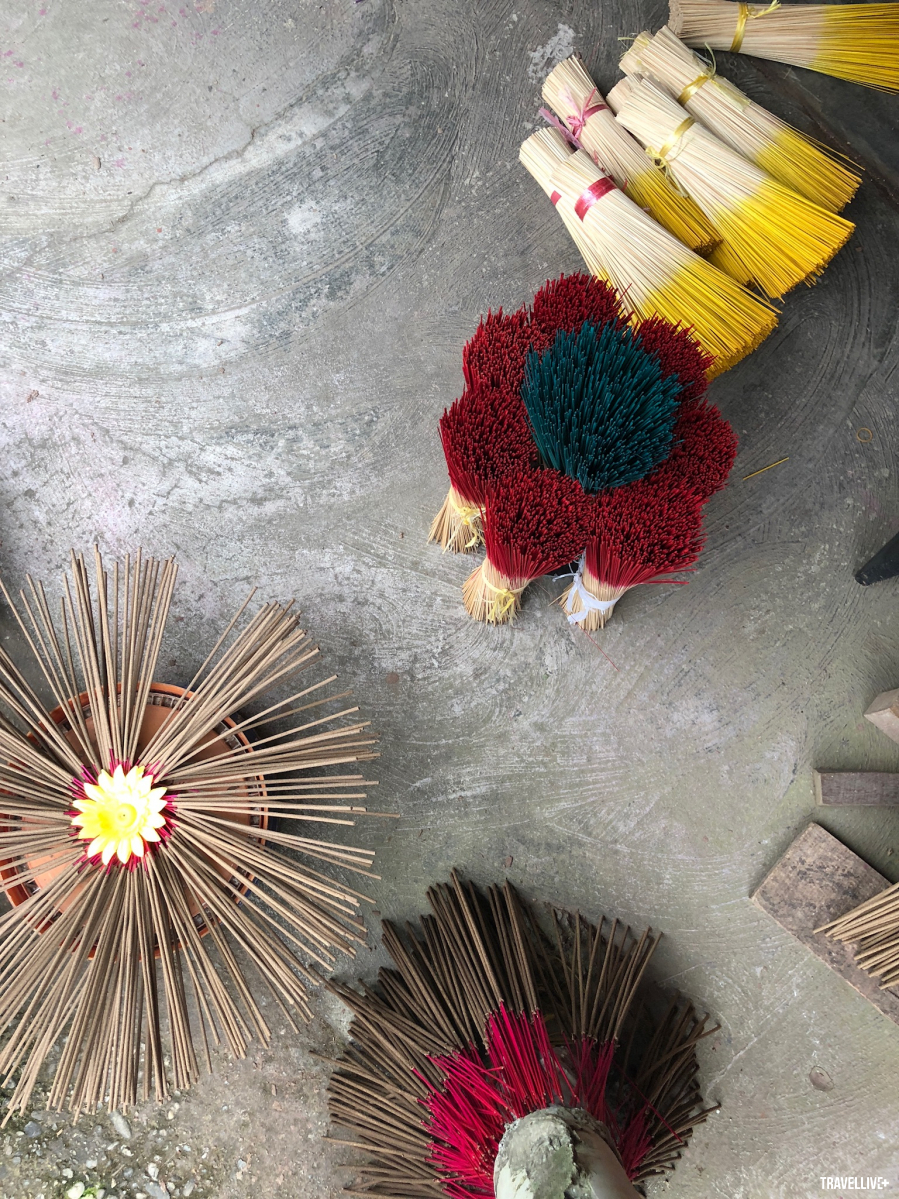
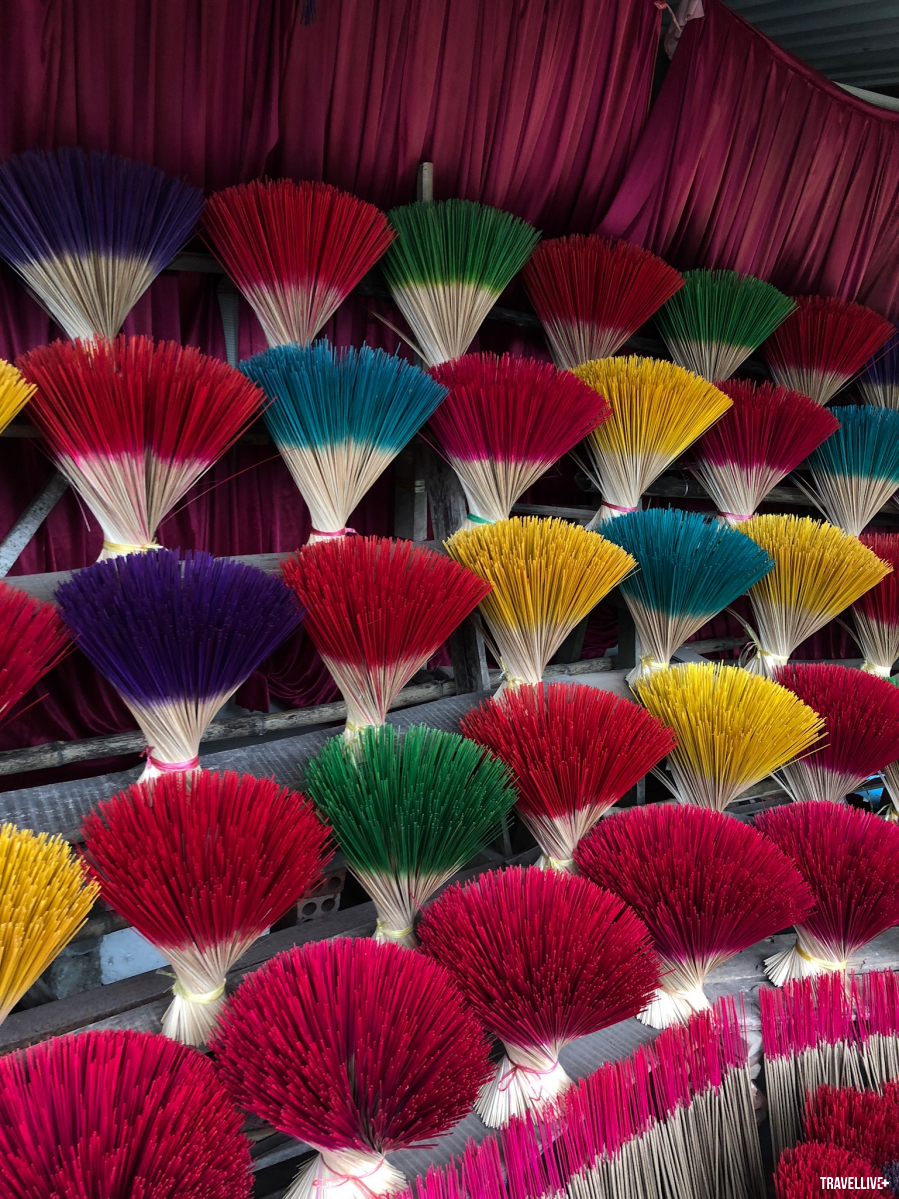
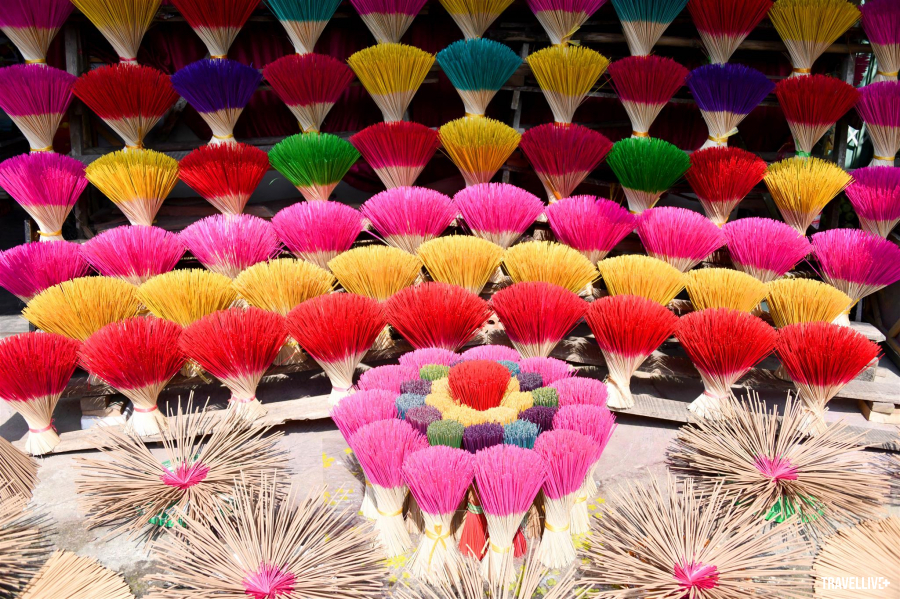
My friend and I walked to a dilapidated tin-roofed house next to a banyan tree. A small, hunched old woman smiled kindly when she saw us: "Come in, children, sit down and rest for a while to cool off." Bundles of incense sticks in various colors—green, red, purple, yellow, pink, brown—lay spread out like flowers. She meticulously introduced the different types of incense with affectionate tenderness, as if introducing them to her own grandchildren: "This is sandalwood incense, this is cinnamon incense, that's herbal incense, it has to be carefully wrapped so the fragrance doesn't dissipate..."
It is said that before the Silk Road, there was a whole spice route stretching from Egypt to Arabia and across Asia, with the main products being rare and precious spices, the most valuable of which was incense. In ancient times, the Chinese used incense to measure time, while the Japanese even created the art of Koh-do (Kodo/Way of Fragrance), "listening" to the scents of incense and wood for meditation. They even imported incense from other countries and established Rikkoku Gomi to differentiate them; for example, Kyara from Vietnam has a slightly bitter scent, while Rakoku from Thailand is sweet, and Sumotara from Indonesia is sour...
Returning to the topic of incense making in Vietnam today, people no longer roll incense sticks by hand. Foot-operated rolling machines have significantly increased productivity and produced round, evenly shaped incense sticks. The process begins with gathering bamboo, splitting it into smaller pieces for the base, which must be carefully prepared to prevent the incense from burning prematurely. The craftsmen often dye the base according to the fragrance; for example, herbal incense is usually dyed green or yellow, while agarwood incense has a deep red base. The selection of ingredients is also quite time-consuming. Craftsmen must carefully measure and weigh ingredients such as star anise, cardamom, pine buds, eucalyptus, dried pomelo blossoms, cloves, cinnamon, and resin made from the bark of the *Cinnamomum cassia* tree... combining them with their own secret recipes so that when mixed with water, the incense powder achieves the desired consistency and possesses the distinctive aroma of each family.
On a rainy day in Hue, if you're not in a hurry, please stop by the tiled-roof house next to the old banyan tree on Huyen Tran Cong Chua Street, and chat about the neighbors, the trees, and the spiritual world with the small, kind-smiling old woman selling incense. You'll find a world that moves slowly…
ADDITIONAL INFORMATION
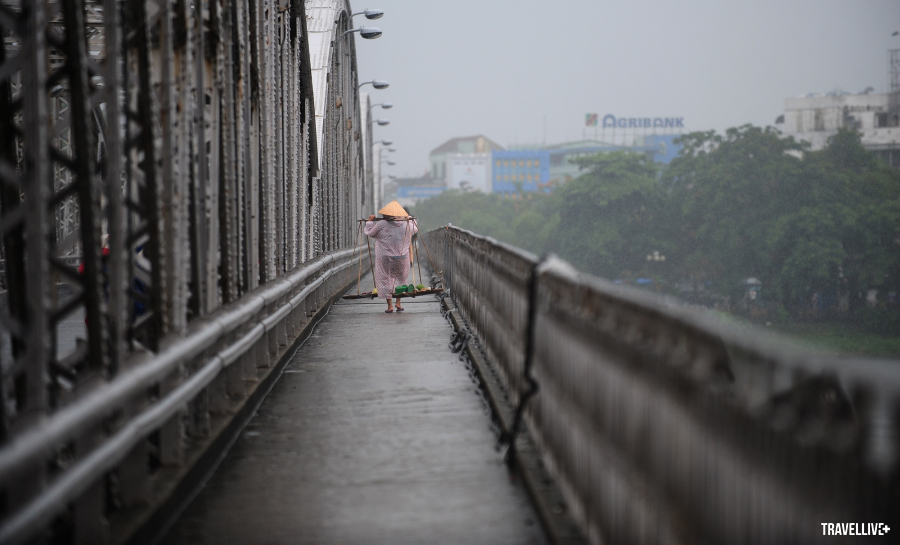
Time:The rainy season in Hue begins in September and lasts until December. Rain has long been a unique characteristic of Hue, and it's also the season with the most beautiful moments in the ancient capital. The romantic and melancholic charm of Hue during the rain has long been an inspiration for poetry and music.
Exciting experiences you shouldn't miss:
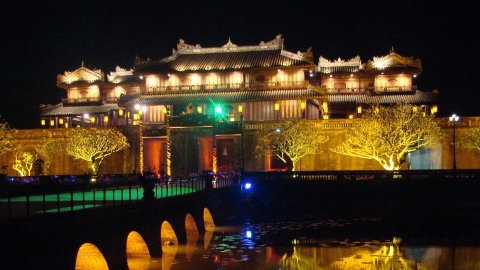
- Enjoying afternoon tea while watching the rain: Hue has many ideal spots to watch the rain, such as Vong Canh Hill, Ngu Phung Pavilion (Ngo Mon Gate), Ngu Binh Mountain peak, the upper floors of hotels along the Perfume River… or simply a café or tea shop overlooking the street. Choose a steaming cup of tea, warm it in your hands, rub it against your cheeks, and occasionally take a sip, chatting about random things with a friend or sometimes sitting alone, sipping hot tea and watching the rain fall – these are peaceful moments you rarely find in the bustling city.

 VI
VI