VI
VI


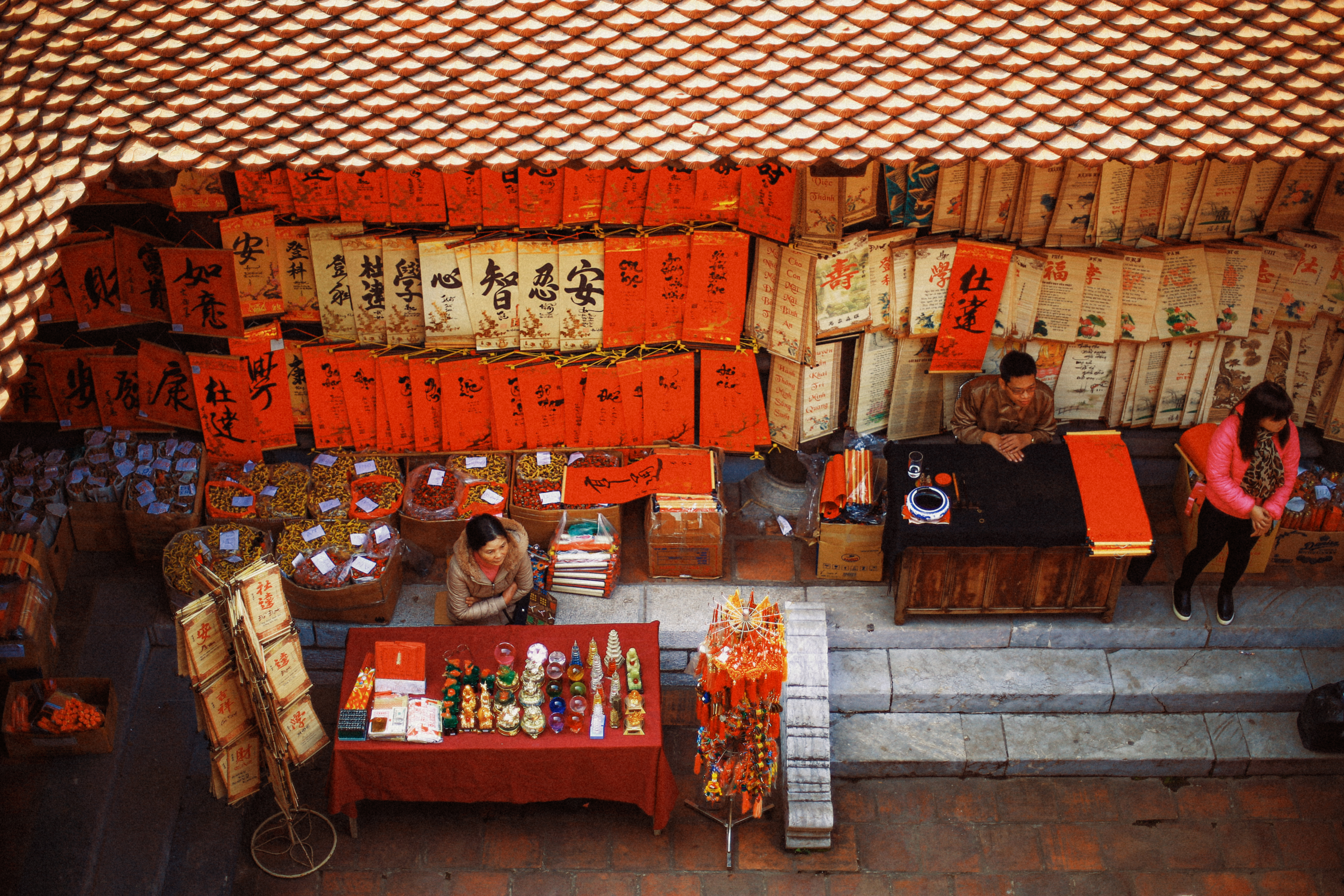
Tet, or Lunar New Year, has always been the most important event of the year for Vietnamese people. After a year of hustle and bustle in the city, Tet gives people a reason to return home. Therefore, few people return for Tet empty-handed; some bring back achievements, others bring back possessions... But ultimately, they all strive to bring back pride, happiness, or, more broadly, joy.
Few people return home for Tet empty-handed; some bring achievements, others bring wealth home.
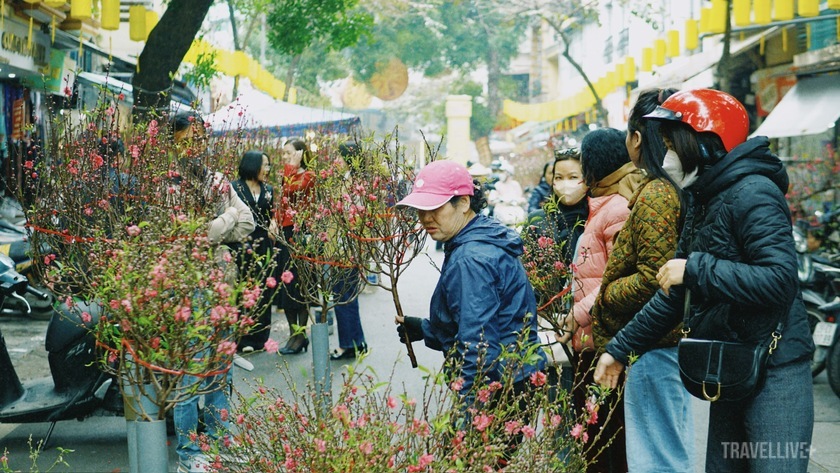
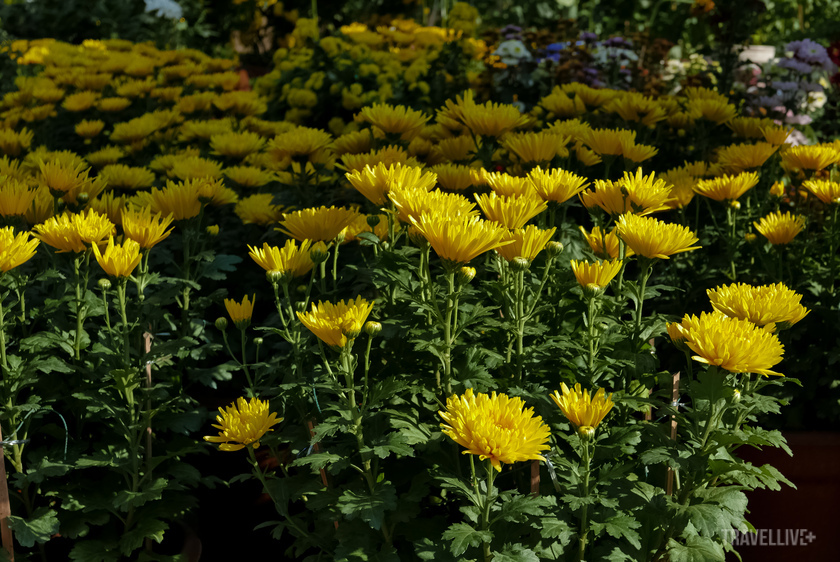
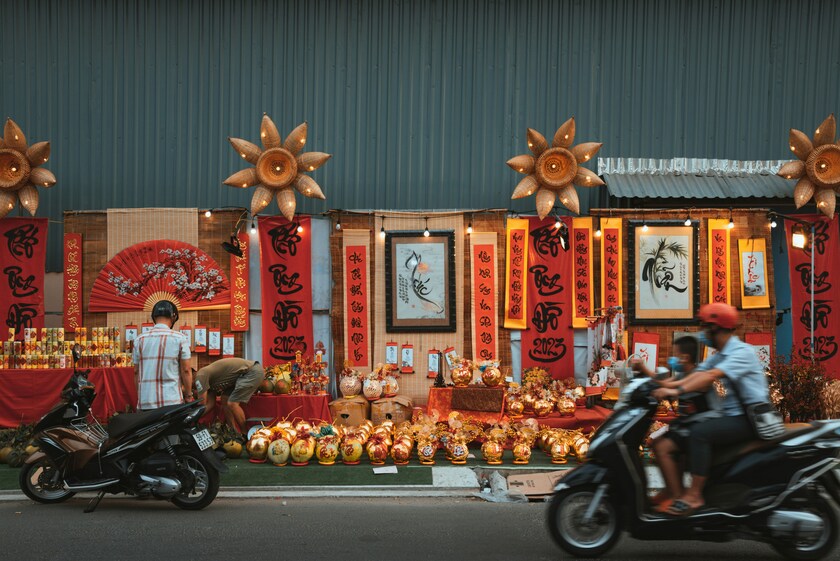
People have countless ways to express their joy during Tet (Lunar New Year), such as using eye-catching colors like red, yellow, and orange on decorations; or displaying yellow apricot blossoms and vibrant peach blossoms. The characteristic colors of spring are designed to stimulate the brain, generating excitement and enthusiasm; therefore, spring, arriving after winter, is like a magical elixir that awakens vitality after a series of gloomy and dreary days.
Because it is said that spring is the ultimate good, that no matter how hard or smooth a year may be, people will still be favored by nature to enjoy spring many more times. Has anyone ever wondered why spring is the first season? Perhaps nature wants us to begin everything with joy, faith, and overflowing aspirations. And we, mere mortals, mold those favors into the form of our cultural identity, from which Tet (Lunar New Year) was born to materialize the gift of "joy" from creation.
People often jokingly use the phrase "tear up the draft" when the year ends and Tet (Lunar New Year) approaches, because they know that Spring is forgiving, giving us another chance to make amends in the following 365 days.
After the 23rd of the 12th lunar month, no matter how busy we are, we try to set aside personal matters from work to observe and pay attention to the changes in the market as Tet approaches. "Hungry on the anniversary of one's father's death / Full for three days of Tet," no matter how extravagant one may have been during the year, the Tet feast must be abundant to appease the ancestors and to reassure descendants that their ancestral rites are being properly and respectfully performed.
My father used to tell me that, back when people struggled to find enough to eat and wear, the subsidized Tet holiday was a time when, even with fireworks exploding overhead, he would frantically pedal his Thong Nhat bicycle from the factory down a muddy, rain-soaked rice paddy road, just to bring home a peach blossom branch for his wife and children. In those days, Tet, or joy, only truly arrived when the whole family was together.
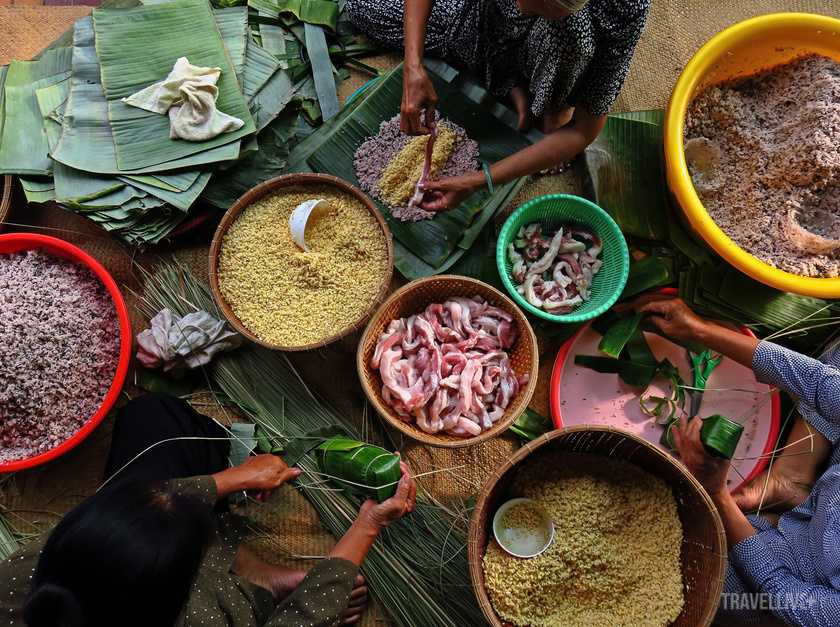
Making banh chung (traditional Vietnamese rice cakes) for Tet (Vietnamese New Year).
Nowadays, the days of simply having enough to eat and wear are long gone. People are gradually moving towards enjoying delicious food and wearing beautiful clothes, as technology and machinery have given them more free time. The Lunar New Year is no different; it's no longer something that keeps people overly busy, allowing them more time to prepare and seek out joys. In the past, the New Year meant getting home from work on the 30th of the lunar month. Today, the New Year arrives earlier and earlier. We don't have to wait until the first peach blossoms arrive or the spring rains remind us; we now have a period of anticipation for the New Year starting from the 23rd of the 12th lunar month, when the preparations for the New Year begin.

In the past, when people were preoccupied with worrying about where their next meal would come from, they meticulously planned ahead, months in advance, about what they needed and should buy due to limited supplies, from pork head meat and pork fat to roosters... Now, even spring rolls and pork sausages are prepared in various places, competing in quality and flavor to satisfy every diner. People now only have to worry about the "big expenses" like renovating their homes, buying new appliances, and especially entertainment at home. That's it, having stopped worrying about the basics, people are now focusing on how to fully experience the "joy" of Tet.
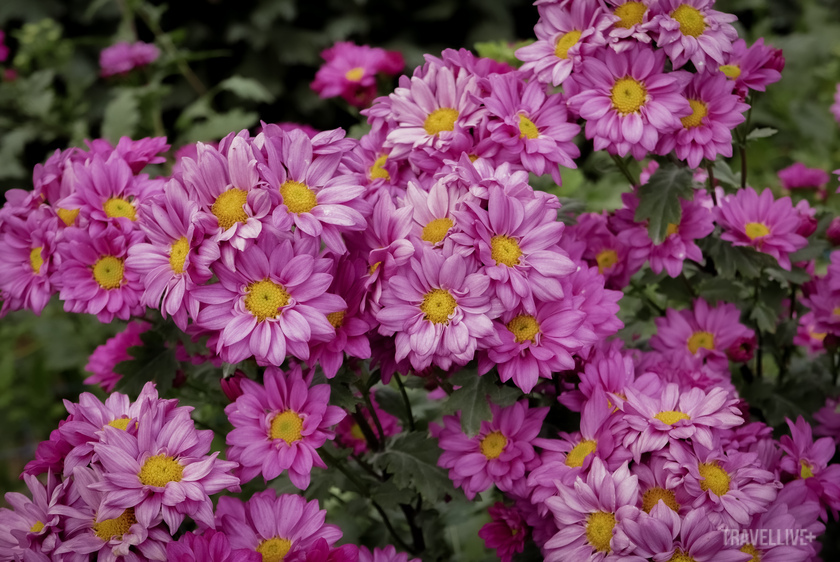
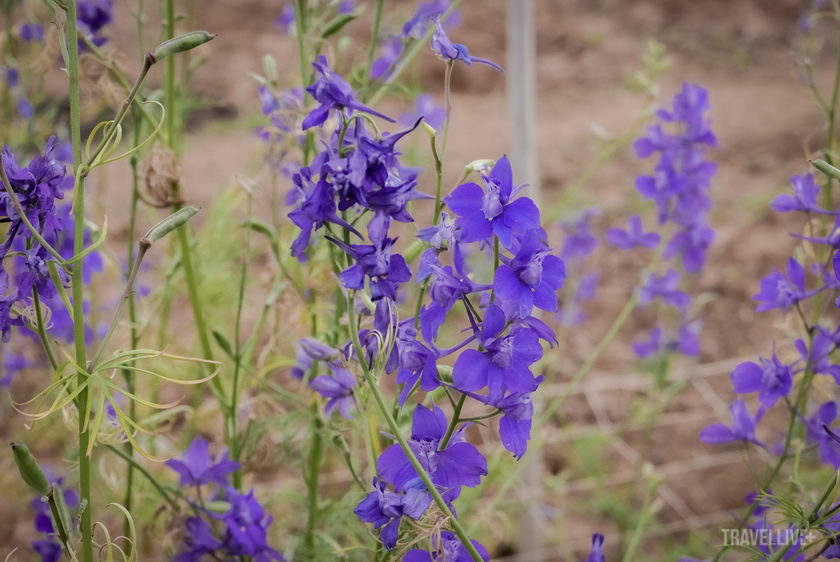
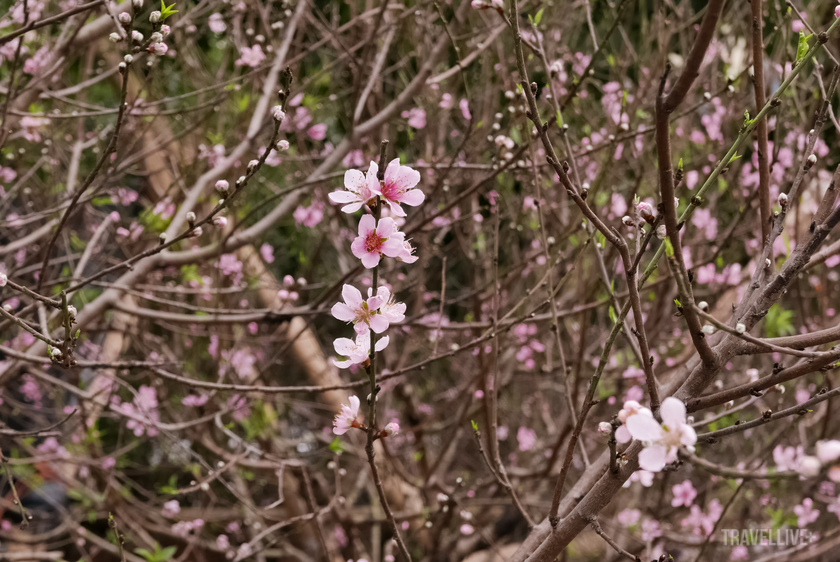
The Colors and Scents of Spring
Nowadays, the tradition of preparing for Tet (Vietnamese New Year) is not just about making the altar look lavish, but also about showcasing the "prosperity" of each household. A house resplendent with peach blossoms inside and apricot blossoms outside is praised by passersby as being "ten times better than last year." This is pleasing to the ear and heart, and also conveys a glimmer of hope for continued success and prosperity in the new year. Thus, Tet, regardless of the era, is always a time of joy, preparation for joy, and aspirations for joy.
Vietnamese people entrust their wishes to every aspect of Tet (Vietnamese New Year):
"Fatty meat, pickled onions, red couplets"
"New Year's pole, firecrackers, green sticky rice cakes"
The most familiar folk verses and proverbs about the custom of preparing and decorating for Tet (Lunar New Year) show the intertwining of offerings in the ancestral altar, each item revealing its specific purpose. People offer their ancestors the gifts bestowed by heaven and earth, and then respectfully bow to their ancestors with the most splendid fruits of a year's hard work, blending with the fragrant incense to carry sincere prayers for a new year filled with new victories.
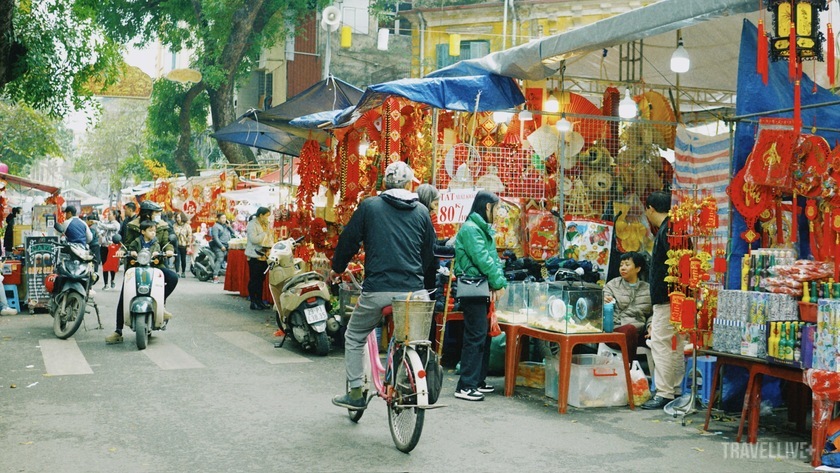
Nowadays, people's custom of decorating the altar is not just about making it look lavish, but also about showcasing the "prosperity" of each household.
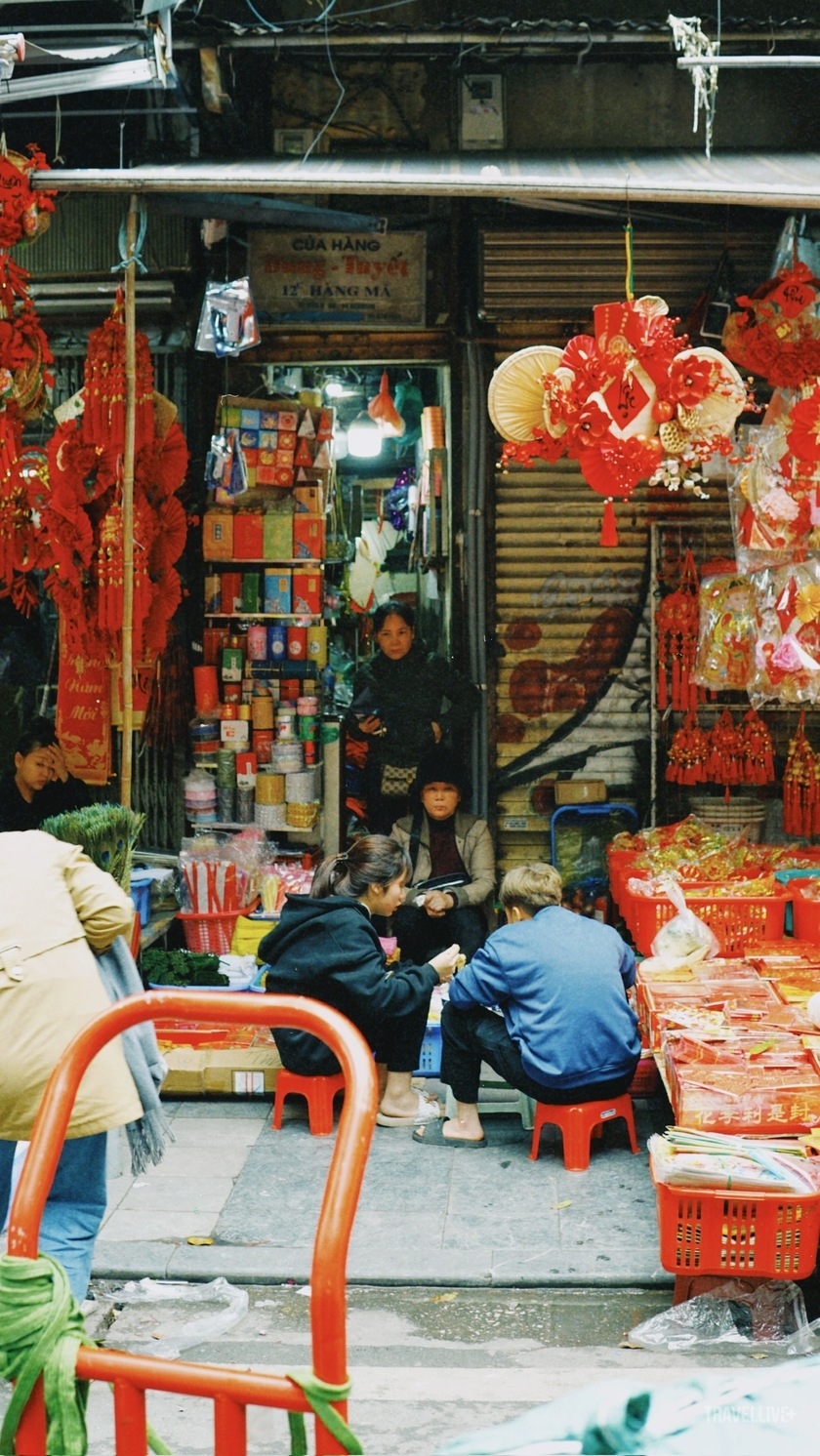
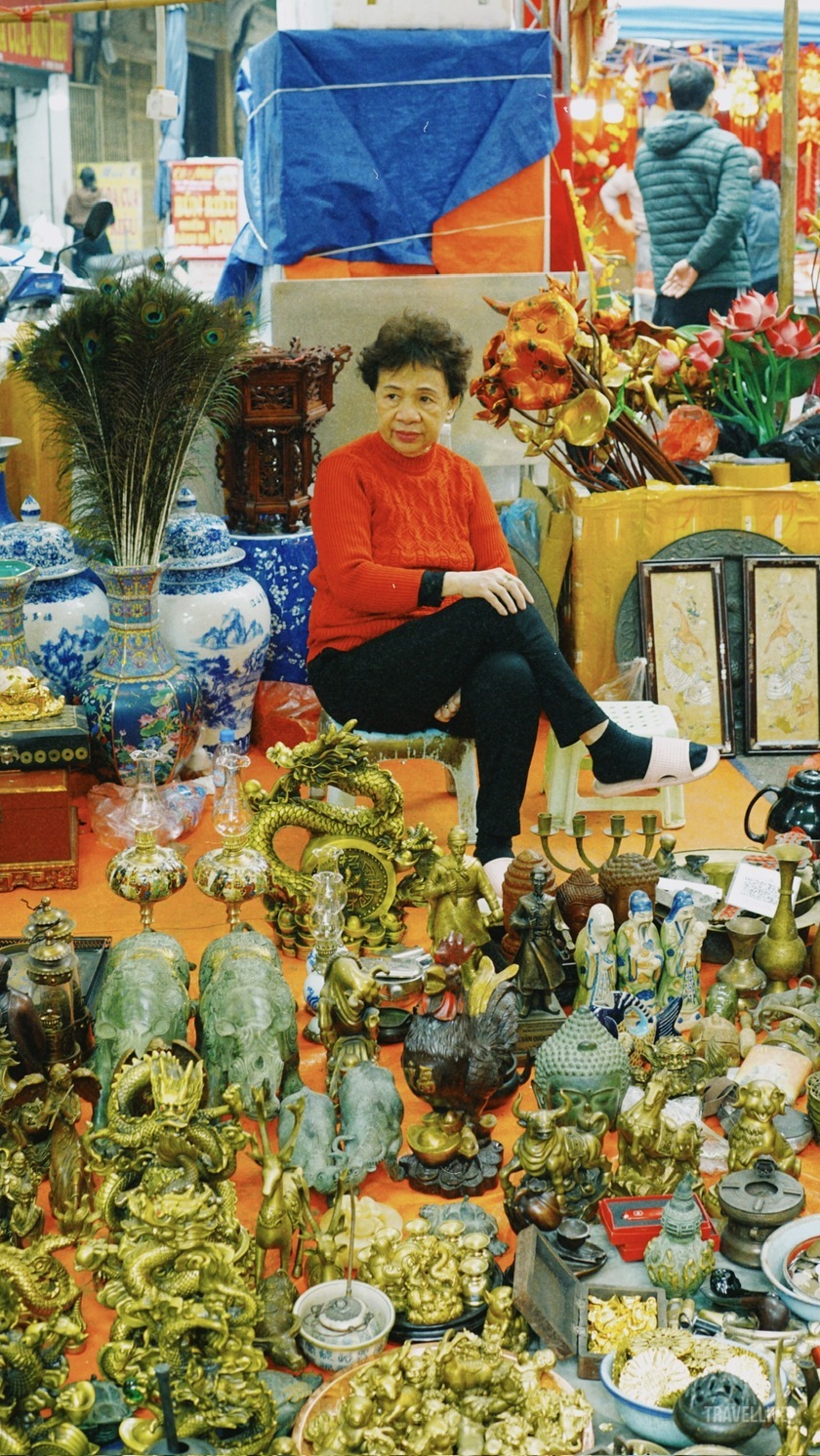
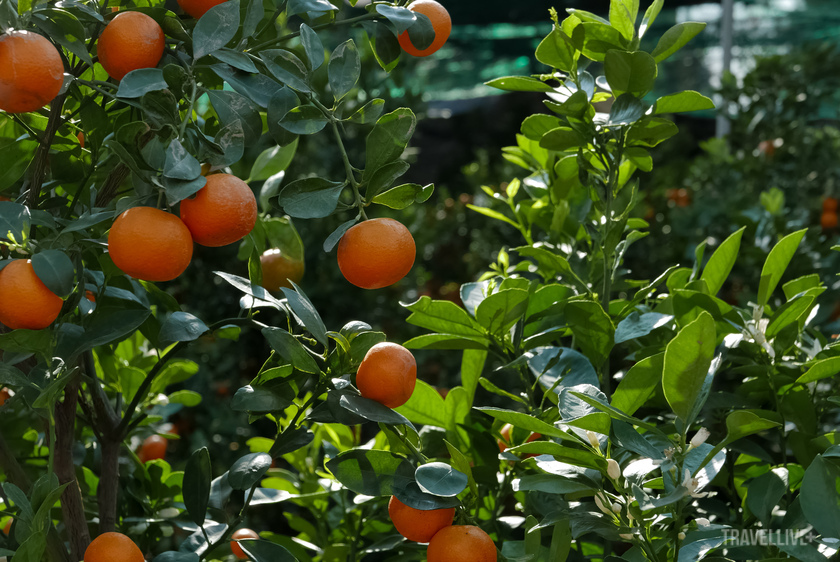
The Five Elements are represented on the offering tray of five fruits: the green of bananas (wood), the yellow of pomelo or Buddha's hand citron (earth), the red of chili peppers or the reddish-orange of tangerines and kumquats (fire)... or homophones such as in the South with custard apple, fig, coconut, papaya, and mango symbolizing "enough to use." On the altar, there is always a set of three or five ritual objects, candles, etc., all cleaned thoroughly. Families of ancestral lineage may open the silk cloth or curtain covering the ancestral tablets and incense burners, which may be "cleaned" (using fragrant water to wipe around the incense burners and removing excess incense sticks), ready for the New Year's ancestral worship ceremony.
Sometimes, long sugarcane stalks are placed on either side of the altar, symbolizing ladders for ancestors to descend to earth to celebrate Tet. While cultural customs may change flexibly with times and regions, they never stray from the initial aspirations for a joyful Tet reunion, with all generations present, children and grandchildren chatting, grandparents healthy, and the family prosperous and peaceful – or, in short, a life of peace.
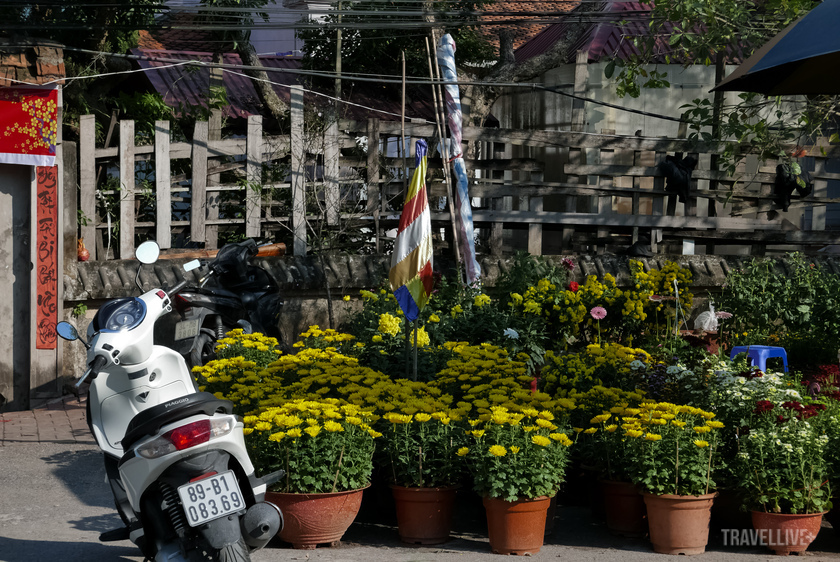
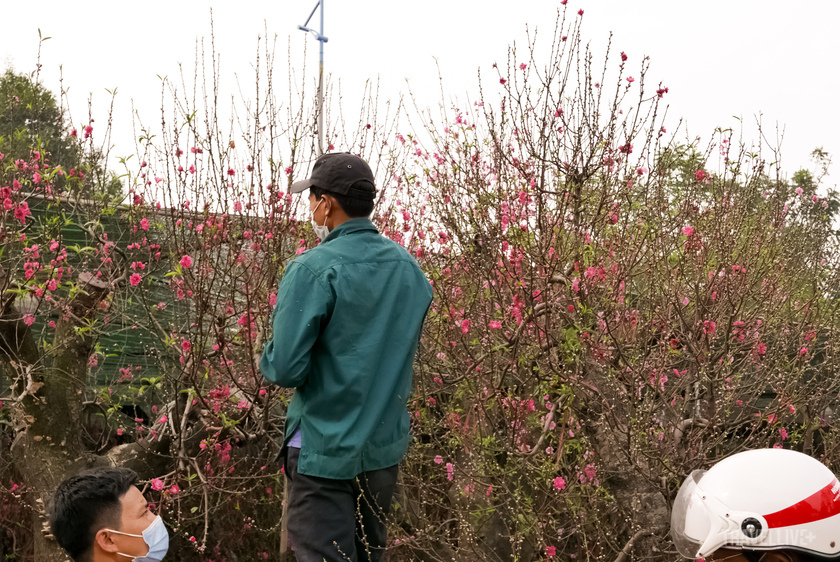
"There are 365 days in a year to choose between joy and sorrow, so never choose sadness on Tet," my mother said, reflecting on a long year on a final afternoon. During Tet, poverty is unacceptable. That's just how life is, so Tet serves as a milestone, reminding people that the day is approaching, prompting them to consciously clean up their busy lives, letting the fragrant herbal baths wash away worries, leaving their hearts calm and pure, and allowing them to continue to look forward to better things in the coming year.
People often jokingly say "tear up the draft" when the year ends and Tet (Lunar New Year) approaches, because they know that Spring is forgiving, giving us another chance to make amends in the next 365 days. So, why not leave your worries behind? Why not join in the joy of nature? Because as long as Tet is here, there is hope…
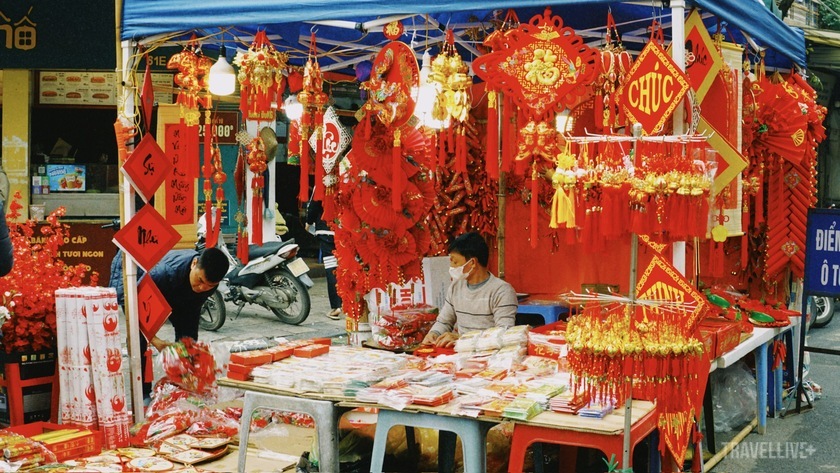
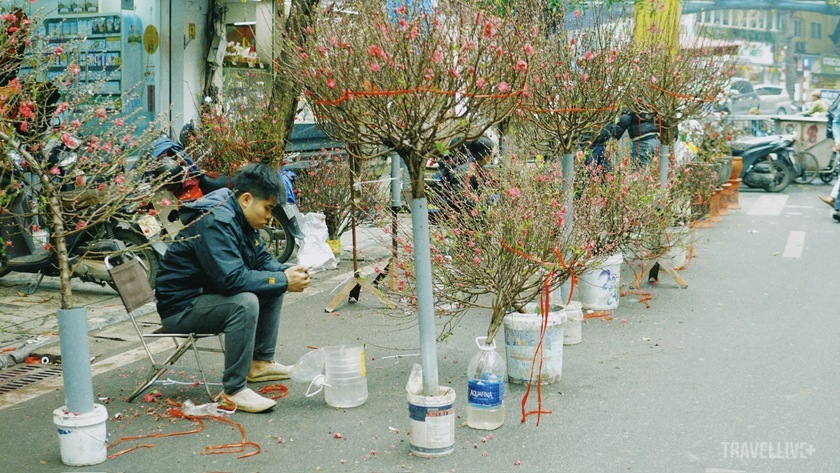
Why not join in the joy of nature, because as long as Tet (Lunar New Year) is here, there is hope…