VI
VI


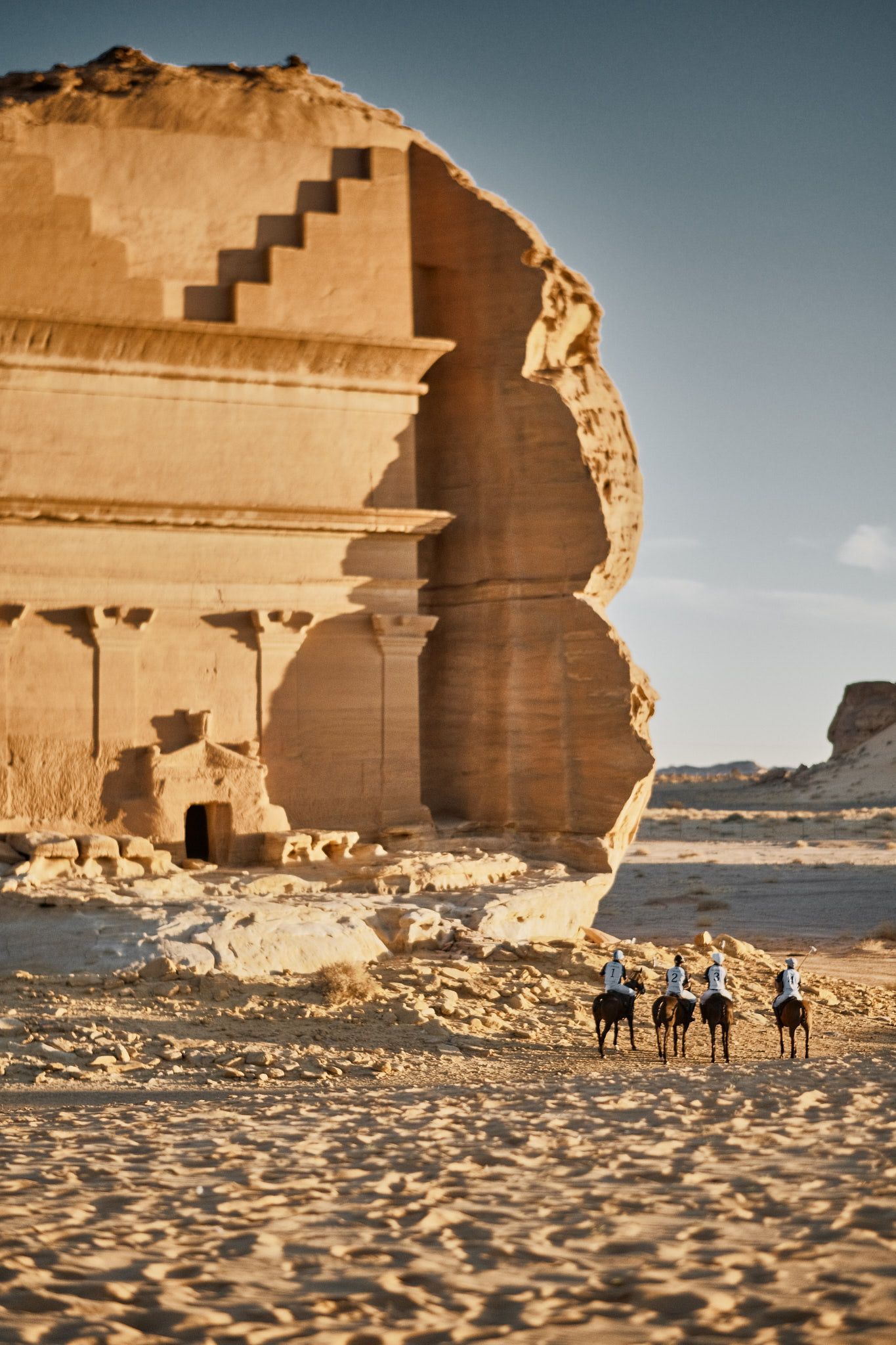
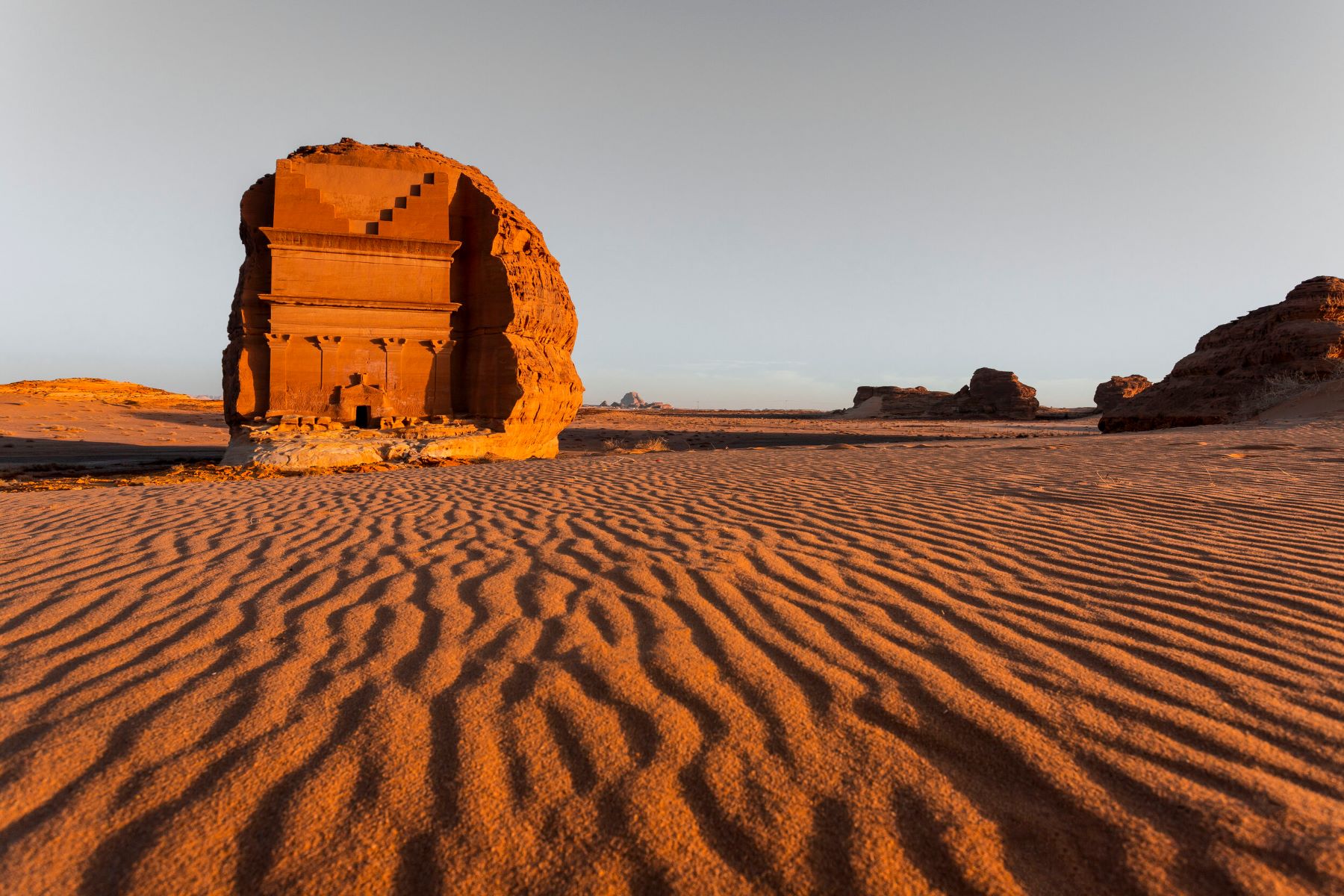
The city of Hegra lies in the desert north of the Royal Commission (Alula) of Saudi Arabia. In the distance, towering, building-sized rock formations and boulders are intricately carved. Classical-style pillars jut out of the sand like scattered seeds of a god. As the sun sets, the dust splashes up, revealing pits and stains formed by rain over time.
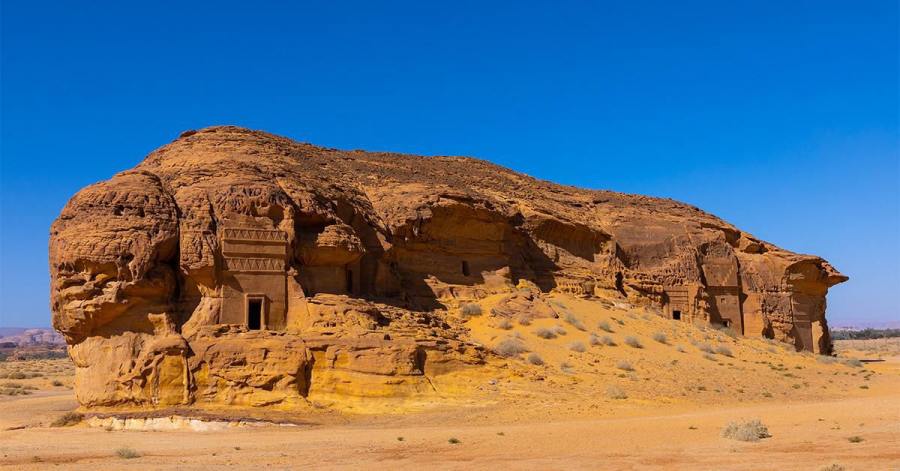
Once a thriving international trading center, the ancient city of Hegra has been dormant for nearly 2,000 years.
Discerning travelers will immediately recognize that the stone-cut structures at Hegra resemble those of the famous Petra – located a few hundred miles north of Jordan. Hegra was the second-largest city of the Nabataean kingdom, but it holds more interesting and unique features than Petra, as its ruins may hold the key to unlocking the secrets of a nearly forgotten ancient civilization.
In recent times, Saudi Arabia has appeared to be more open in its tourism policy, aiming to orient the country's economic development and view tourism as a new source of income to boost the economy. Oil currently accounts for 90% of the country's export earnings and contributes approximately 40% to GDP. In 2016, Crown Prince Mohammed bin Salman announced "Saudi Vision 2030," which focuses on a national roadmap over the next two decades to transform the country into a global trade and tourism hub connecting Africa, Asia, and Europe.
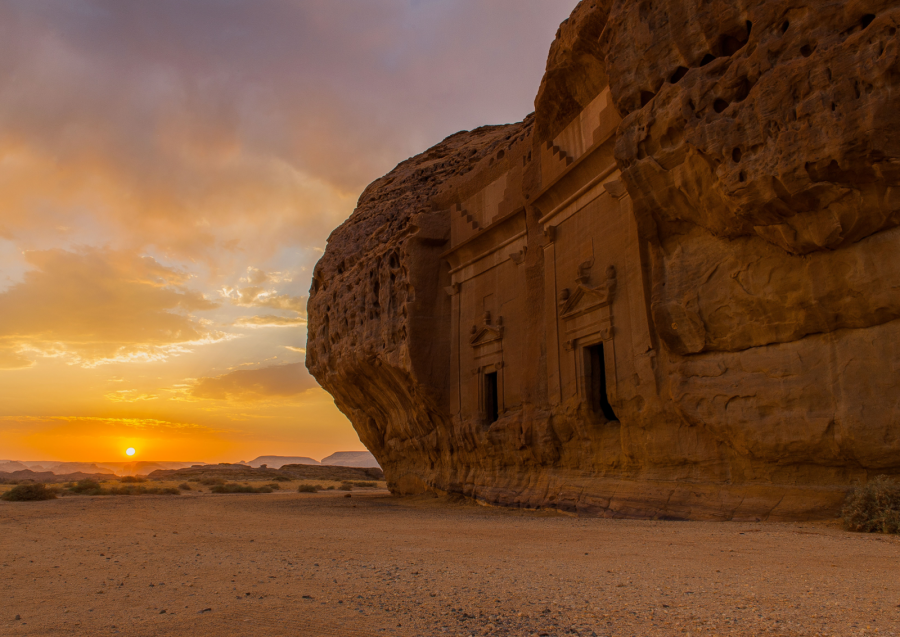
The rock-cut structures at Hegra resemble those at the famous Petra site, located a few hundred miles north of Jordan.
Saudi Arabia first launched its tourist visa program in September 2019, attracting visitors to domestic destinations. Hegra, with its striking and mysterious architecture, has always been considered a top choice in Saudi Arabia's strategy to attract tourists. Hegra's appeal lies in the fact that it is not as well-known internationally as Petra, a destination that attracts millions of tourists annually and is a UNESCO World Heritage site at risk of destruction if not properly preserved.

This is the first time the ancient city of Hegra has promoted a tourism program. The Nabataean civilization (which existed from the 1st century BC to the 1st century AD) remains a mystery, and this is also Hegra's greatest attraction for tourists.
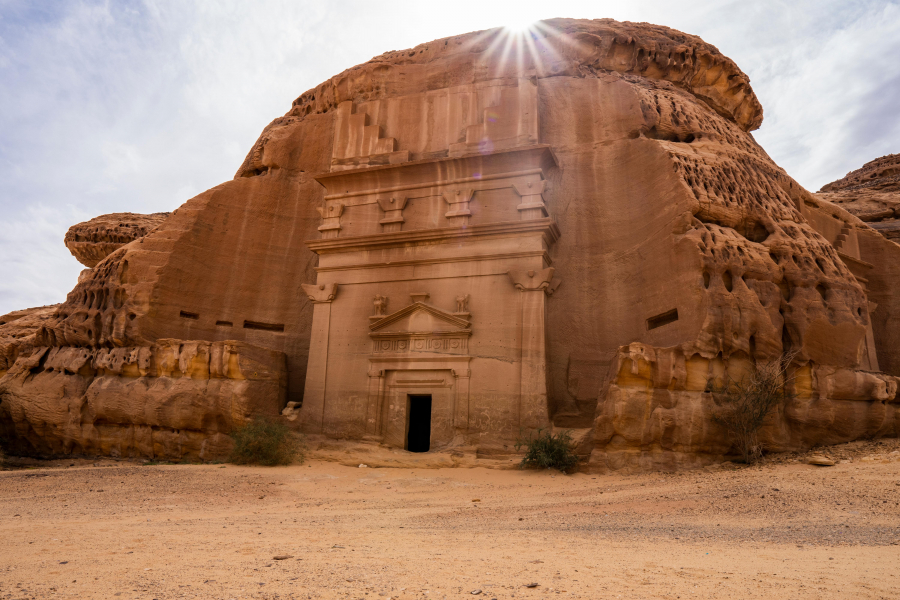
This is the first time the ancient city of Hegra has promoted a tourism program.
"Tourists visiting Hegra will be fascinated by the tombs and inscriptions without knowing who created them. Hegra will pique visitors' curiosity about the mysteries of the site and a host of questions: Who created Hegra? Where did they come from? How long have they been here?", says David Graf, a Nabataean civilization expert, archaeologist, and professor at the University of Miami.
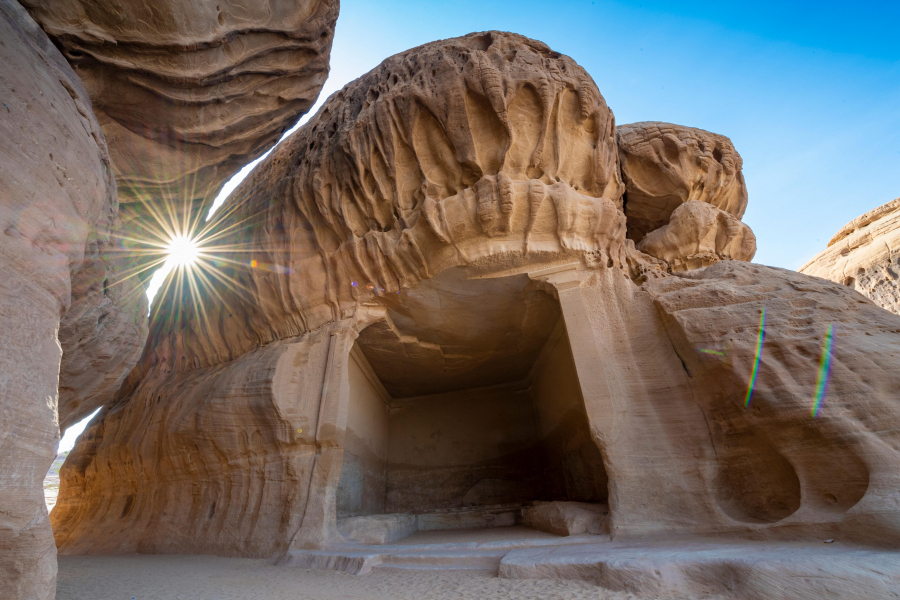
The Nabataean civilization remains a mystery.
The Nabataeans were nomadic desert dwellers. Cultural mixing resulted in a diverse mix of influences from Arabia, Jordan, the Mediterranean, Egypt, Syria, and Mesopotamia. Camel-drawn caravans carried aromatic spices like peppercorns, ginger, sugar, and cotton through the Hegra. The Nabataeans also became suppliers of aromatic substances such as frankincense and resins – often used in religious ceremonies.
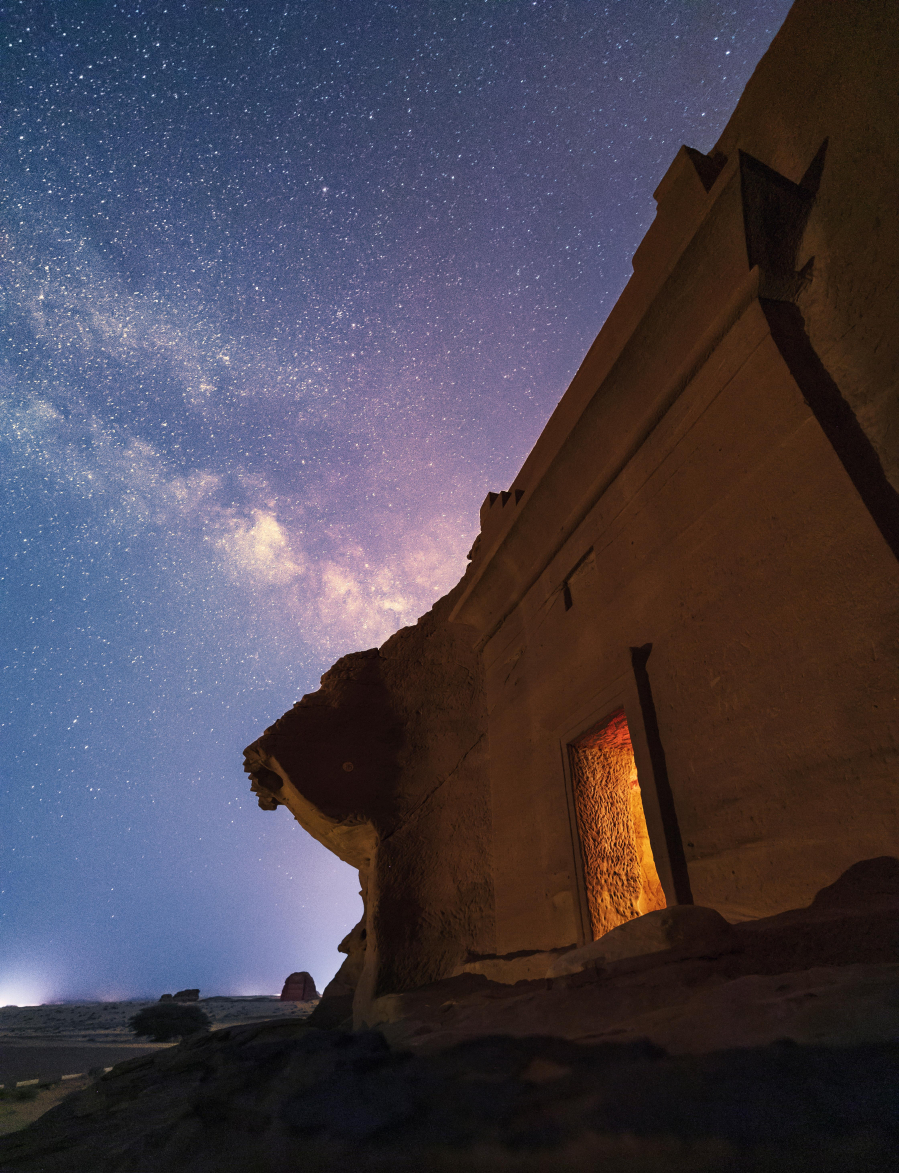
The ancient city of Hegra contains approximately 111 meticulously carved tombs that are still in good condition.
Like Petra, Hegra was once a city but now resembles a graveyard: most of the remaining structures are tombs. Much of the city's current architecture is awaiting excavation or has vanished into the dust of time. One of the only things that remains is the Nabataean inscription carved on the entrances to some of the tombs at Hegra.
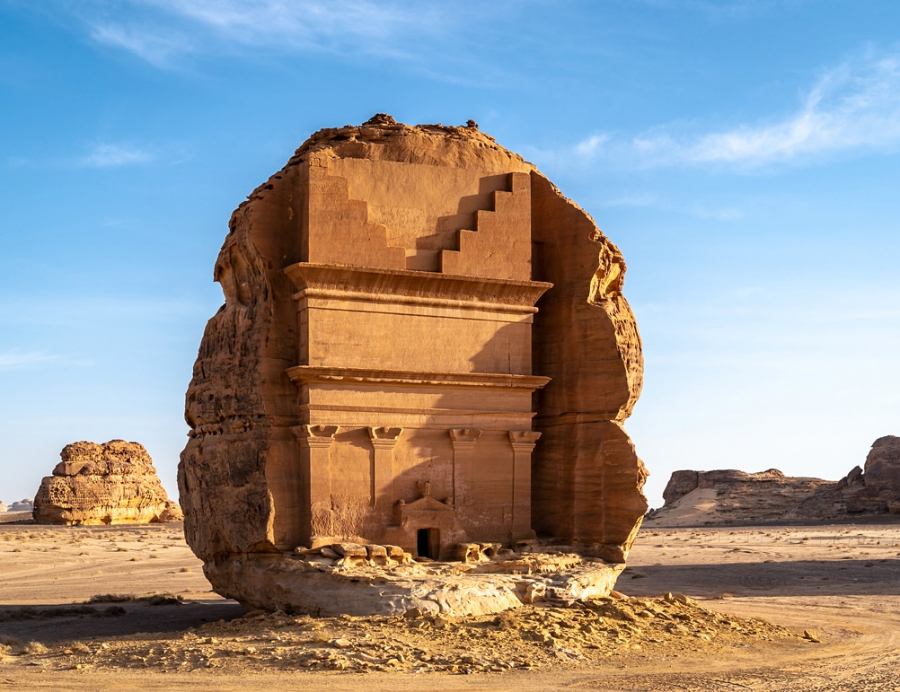
The largest tomb in Hegra, approximately 22 meters high, is the monolithic tomb of Lihyan, son of Kuza, also known as Qasr al-Farid.
The Nabataeans are considered ancient pioneers in architecture and hydraulics, exploiting the harsh desert environment to construct structures that served their needs. Rainwater fell on the rugged mountains and was collected in above-ground reservoirs, and natural aqueducts built around the tombs protected the facades from erosion. This helped preserve the architectural features well for thousands of years after construction.
"The architecture is considered to be highly creative, innovative, and imaginative," researcher Graf stated.
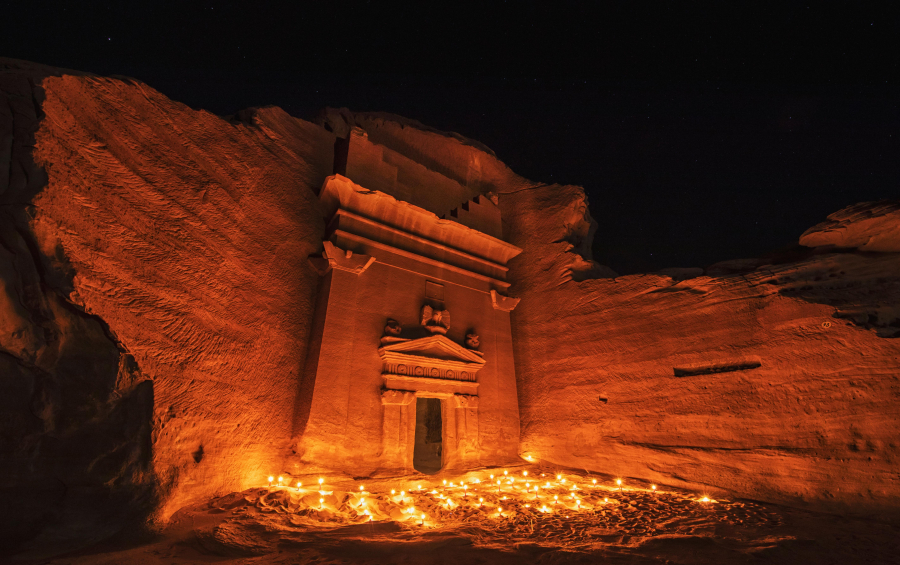
Previously, foreign tourists needed government permission to visit, and the number was limited to under 1,000 per year.
The ancient city of Hegra contains approximately 111 meticulously carved tombs that are still in good condition. Tourists can learn more about a once-forgotten civilization. Classical Greek and Roman architecture clearly influenced the constructions. Sphinxes, eagles, and falcons with outstretched wings, considered important symbols in the Greek, Roman, Egyptian, and Persian worlds, are depicted soaring above the tomb entrances to protect them from intruders.