VI
VI


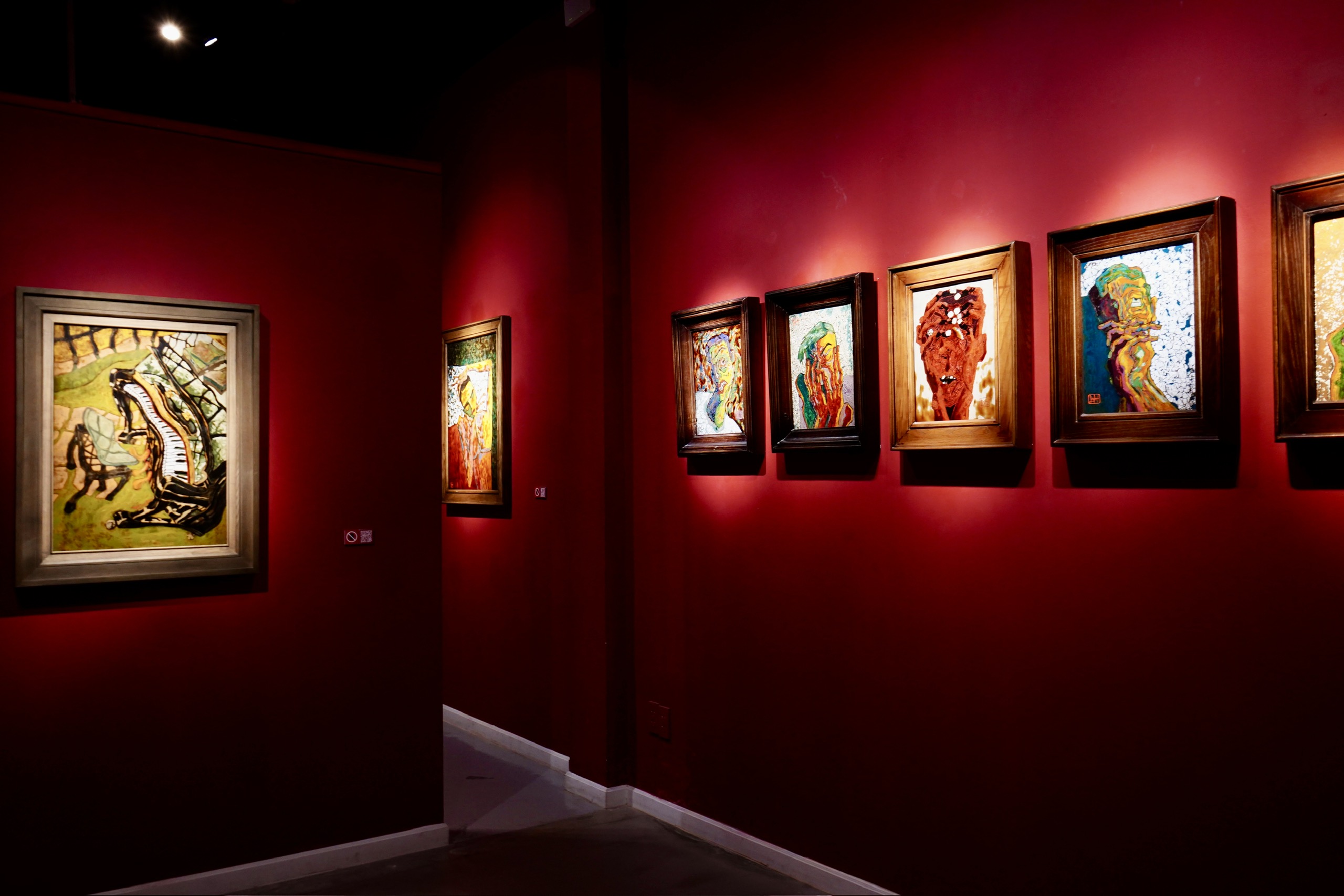
Cao Junling shared that "The Mute" is an attempt to expose the moment when silence has overwhelming power, enveloping everything, even more deeply penetrating than any words. Using an expressionist painting style, Cao Junling takes viewers into a tranquil, empty space, yet one that contains the powerful echoes of pain, conflict, and emotion.
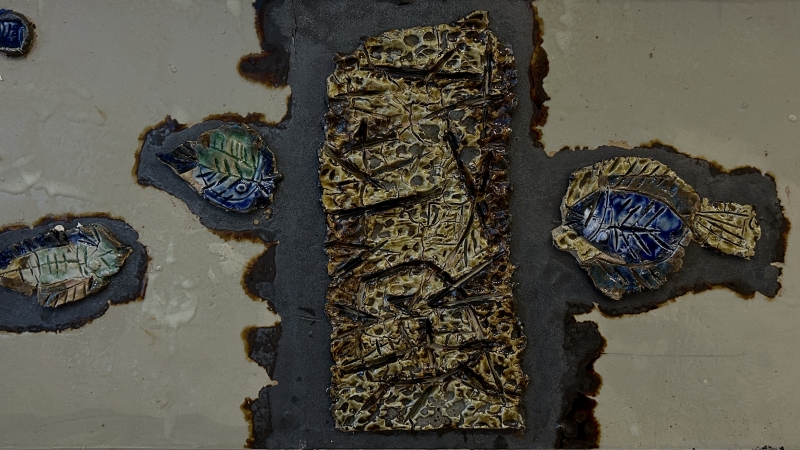
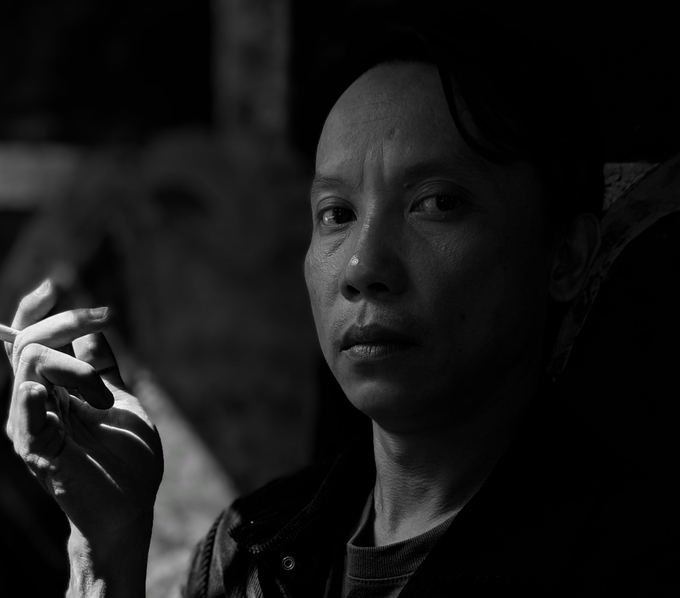
Portrait of the artist Cao Tuan Linh
The existential struggle in silent space
"The Mute" guides viewers on a journey exploring the depths of stillness, where humanity confronts the frenzied chaos of life. In each painting, distorted forms and contrasting colors symbolize relentless internal struggles. Cao Junling unhesitatingly describes his creative process as a spiritual pilgrimage, a time when he "breaks down" and "restructures" reality. For him, expressive art is not merely a means of description but a way to immerse himself in each moment, capturing fleeting yet haunting emotions.
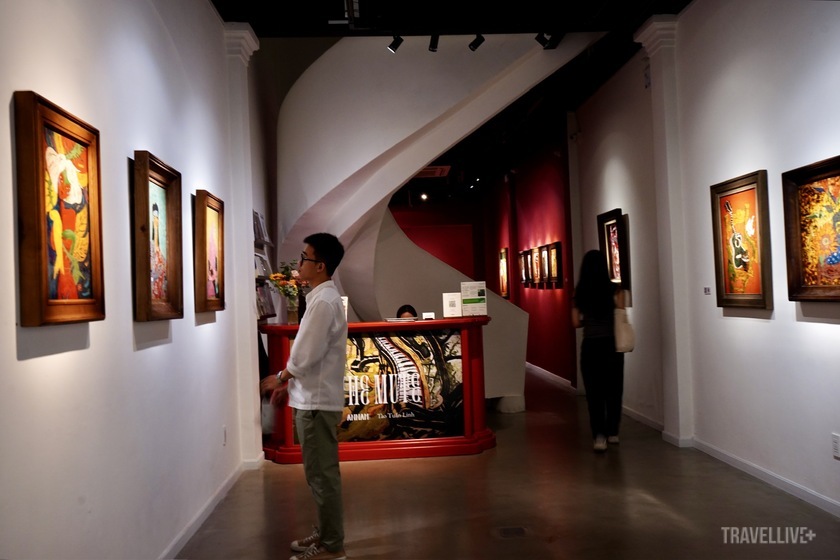
Exhibition space
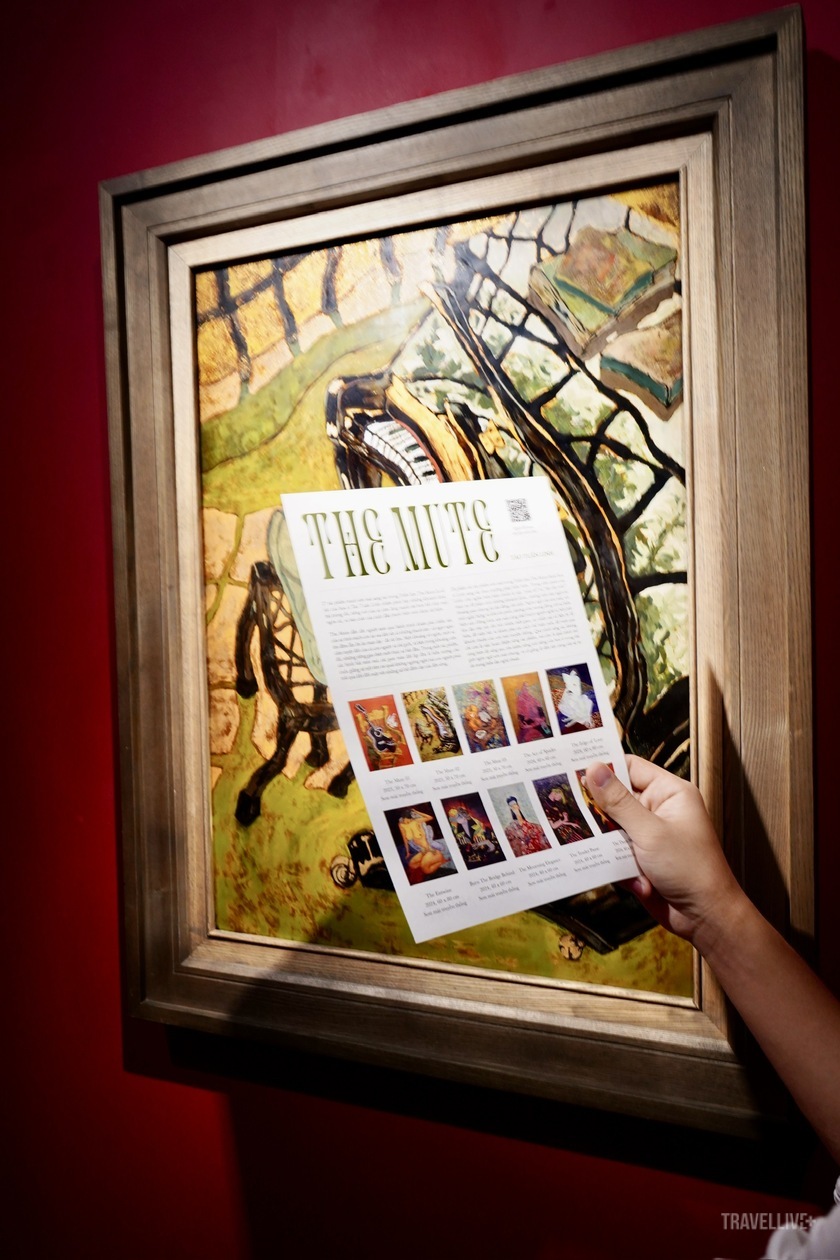
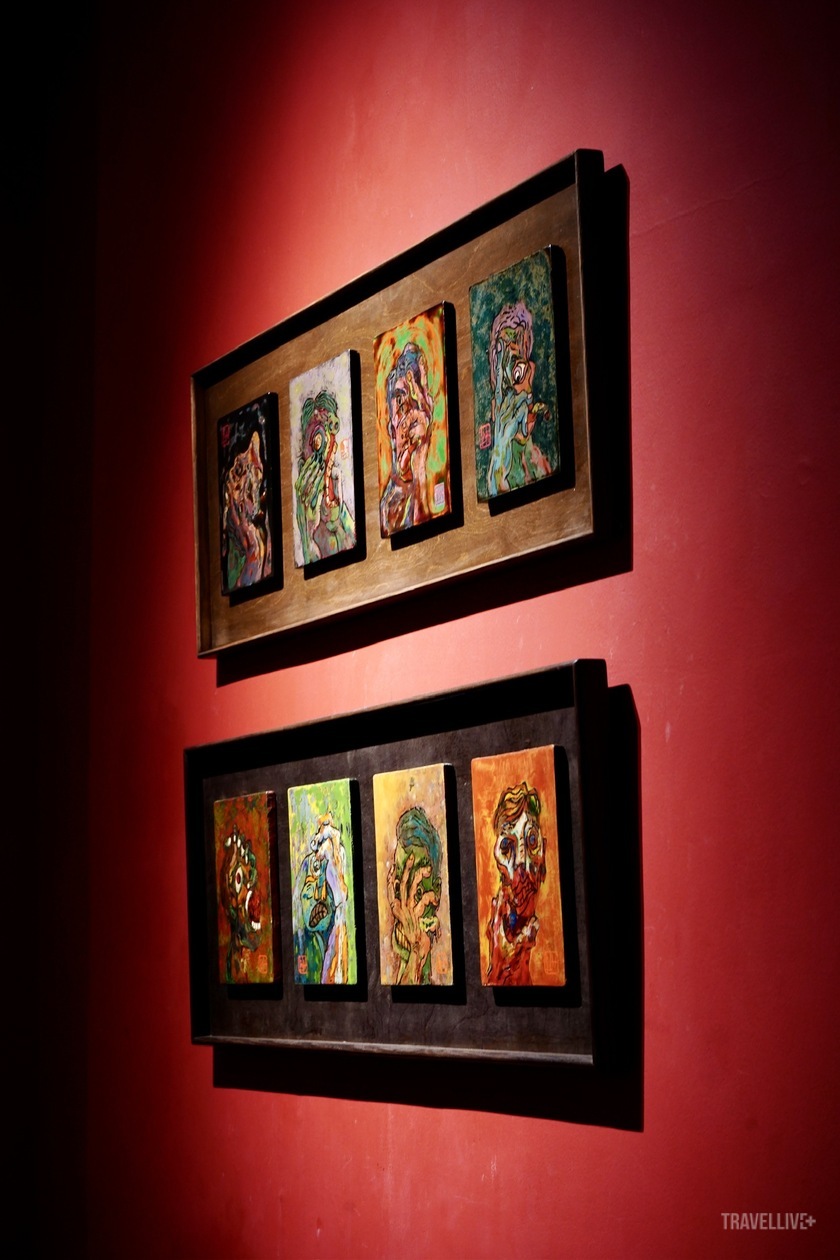
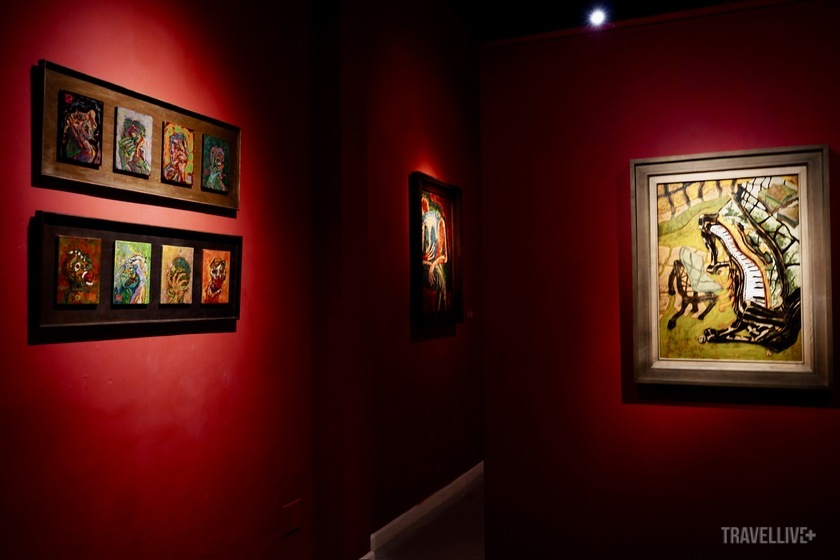
“The Mute” guides viewers on a journey to explore the depths of silence that remains after all sounds—both sweet and gentle as well as wild and boisterous—have faded away.
Lacquerware - the language of emotion
The language of lacquer, with its spontaneous characteristics, demands patience and perseverance, becoming a challenge that Cao Tuan Linh chose to express his innermost thoughts. Lacquer – a traditional material difficult to master, yet incredibly versatile in expressing complex emotions, mirroring the spirit of the artist. Long known as one of Vietnam's traditional materials, the lacquer in "The Mute" transcends outdated conventions, showcasing its own artistic variations.
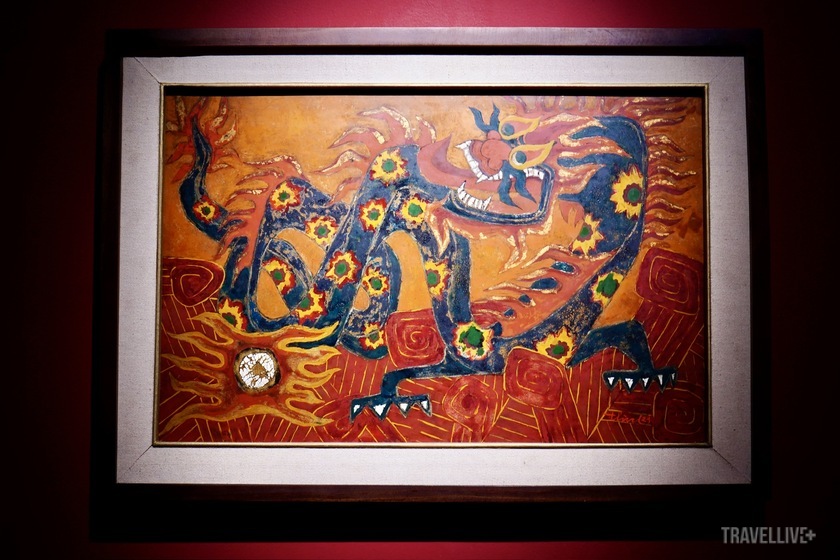
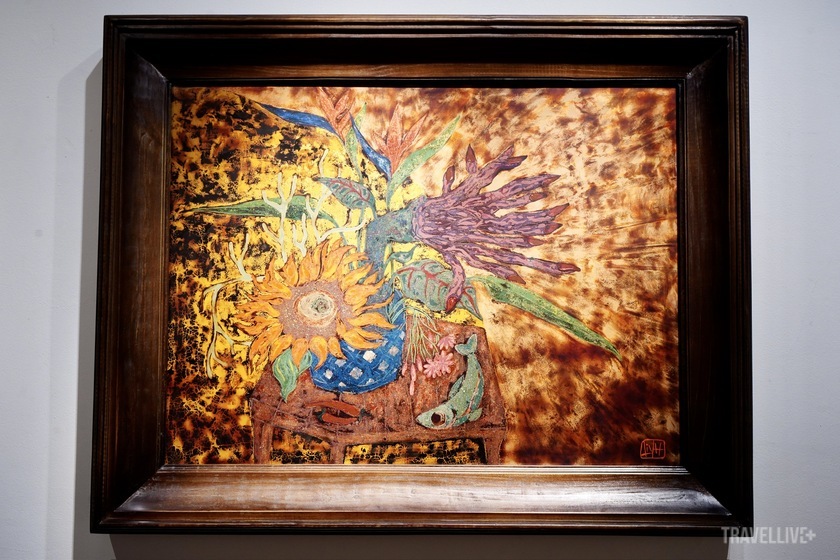
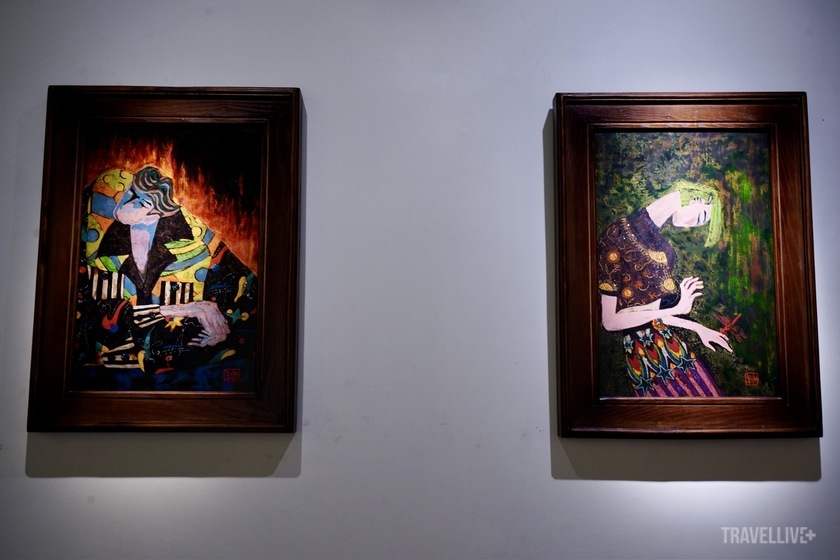
Most of the lacquer paintings in the exhibition "The Mute" were created by artist Cao Tuan Linh in the Expressionist style.
"The lacquer-making process is very time-consuming, almost an undeniable commitment between the artist and the work. The uncontrollable nature of lacquer is what fascinates me; it's like having a dialogue with yourself through each layer of color, each brushstroke. I want to find my voice through the stillness of this material," Tao Tuan Linh shared.

In the exhibition "The Mute," viewers can easily perceive Cao Junling's patience and yearning for freedom of expression through each brushstroke. Each painting is an exploration, a breaking of personal boundaries, thereby discovering new limits in artistic language. The subdued colors contrasting with the distorted forms in Cao Junling's paintings are not simply meaningless lines, but rather images of existential life, an understanding of internal struggles and conflicts.
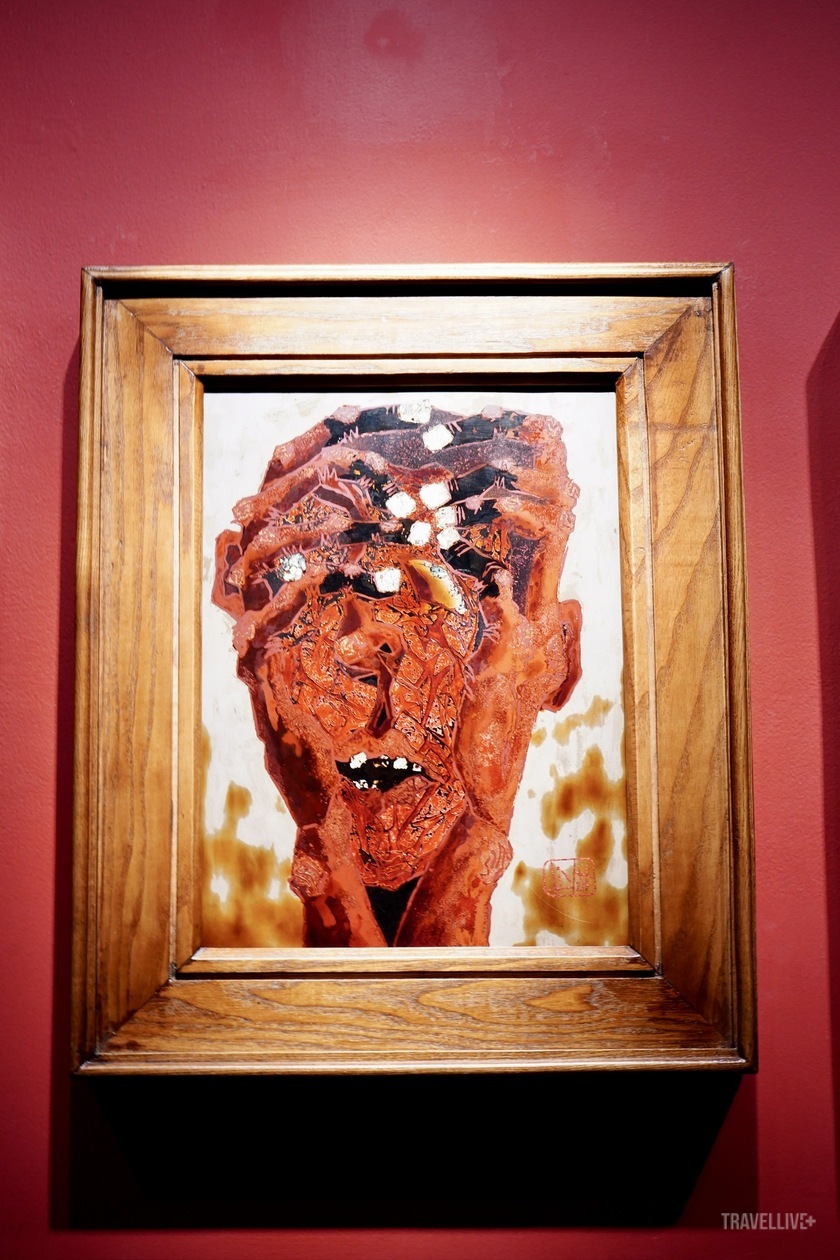
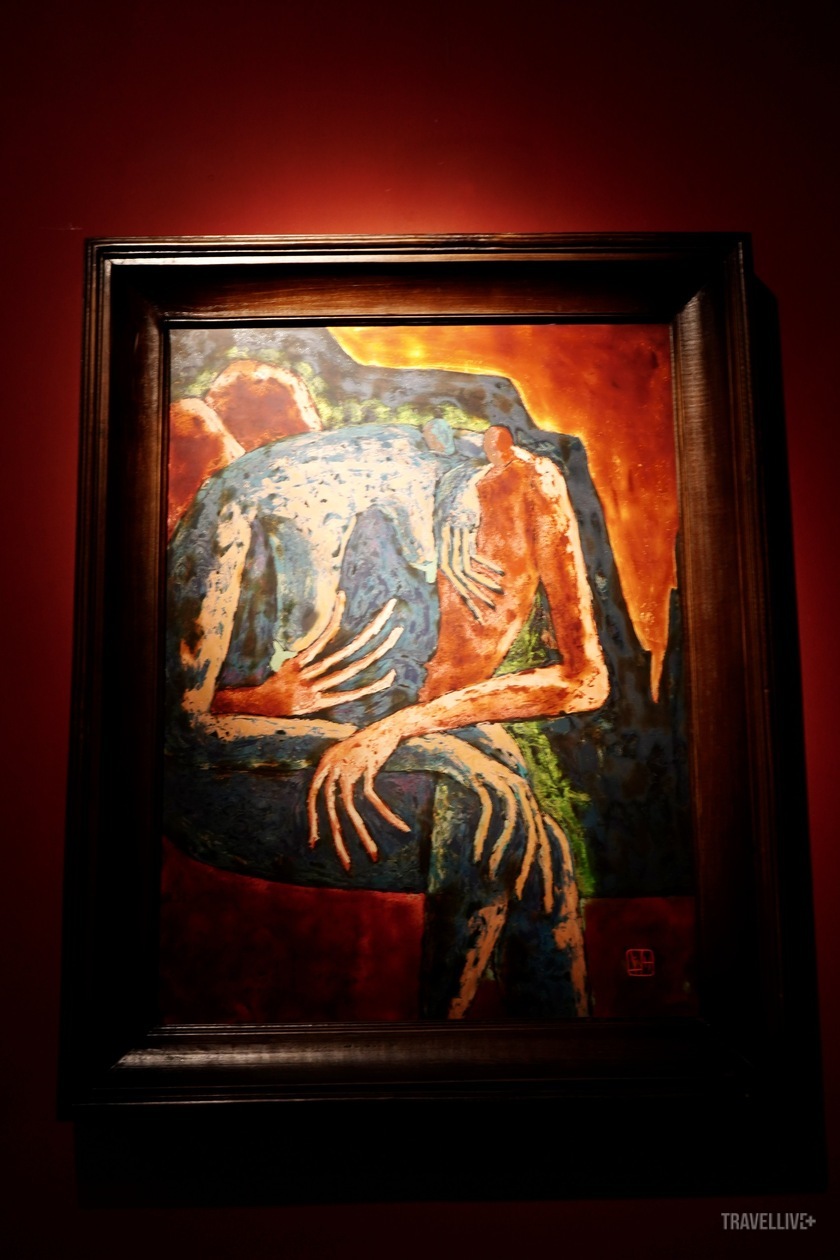
Each painting is an exploration, a breaking of one's own boundaries.
Cao Tuan Linh stated, "The Mute" is where he wants to convey the anxieties of people in modern life, where conflicts between the self and society are constantly present.
Silence – the space where all sounds can originate.
Hoang Lan (21 years old, a student at the Ho Chi Minh City University of Fine Arts) shared: "When all sounds, whether sweet or noisy, have faded away, that's when absolute silence reigns. Within that silence, the screams truly begin. 'The Mute' is not only an inner journey for the artist but also an invitation for viewers to immerse themselves in stillness, to listen to their own voices in the silence."
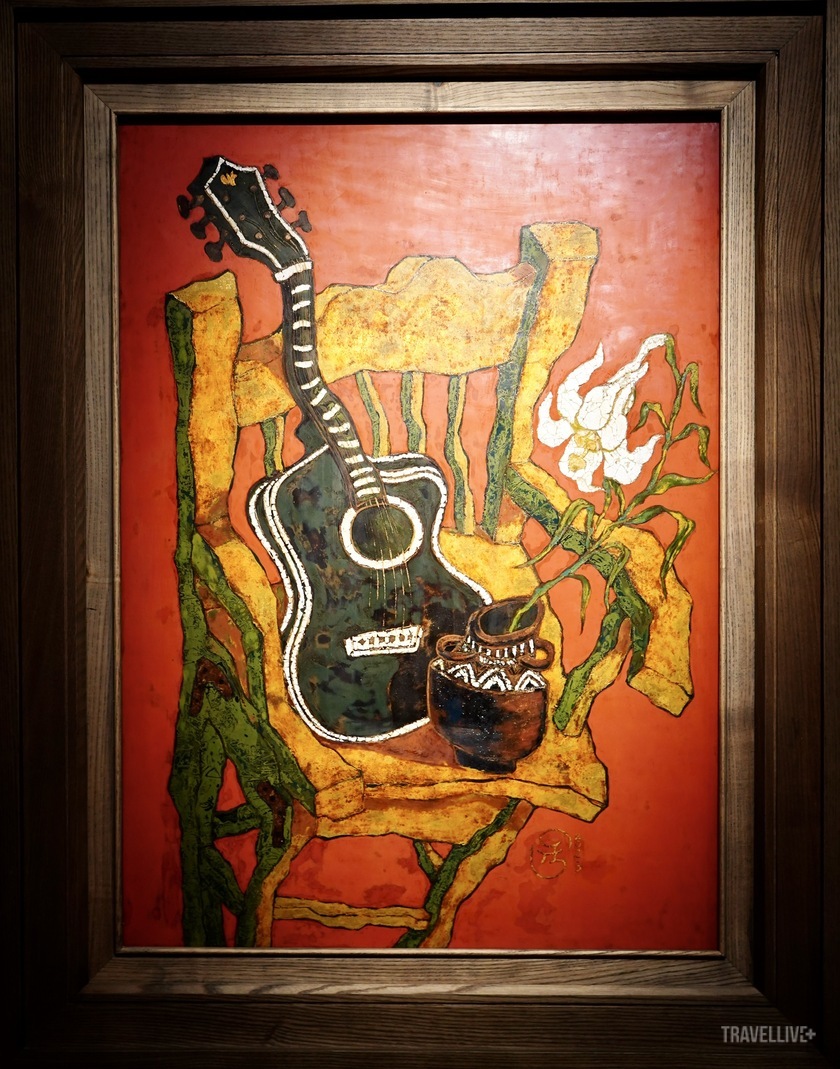
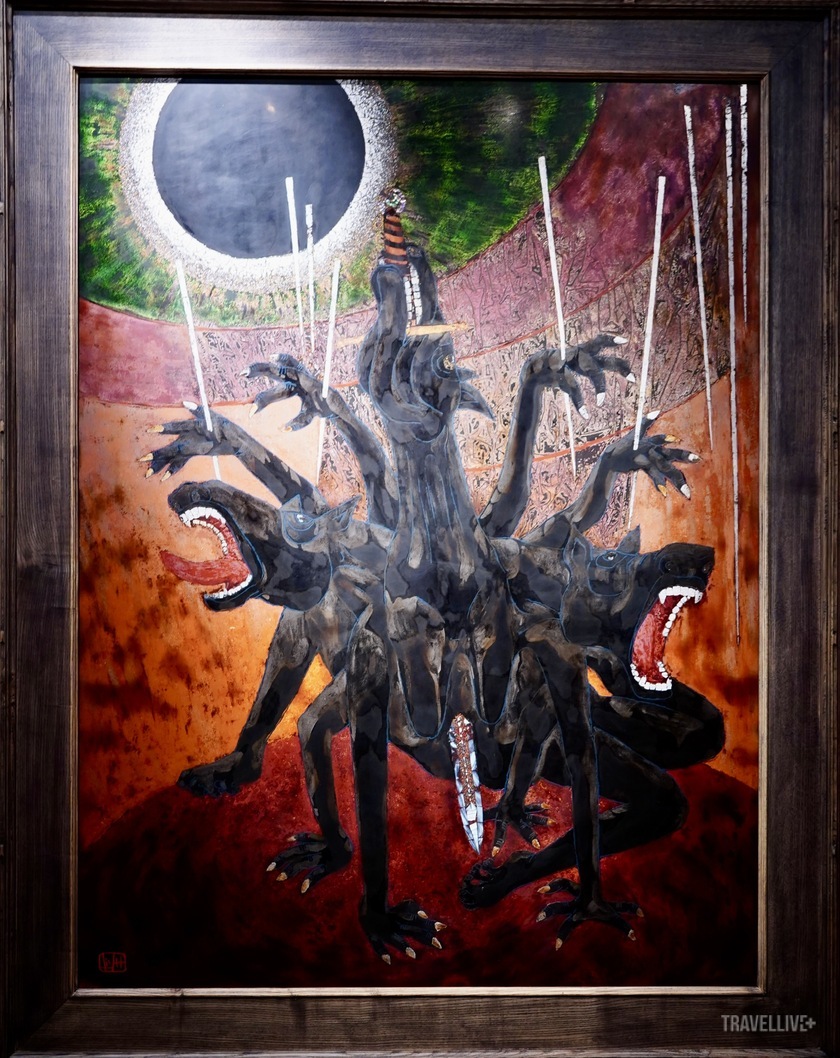
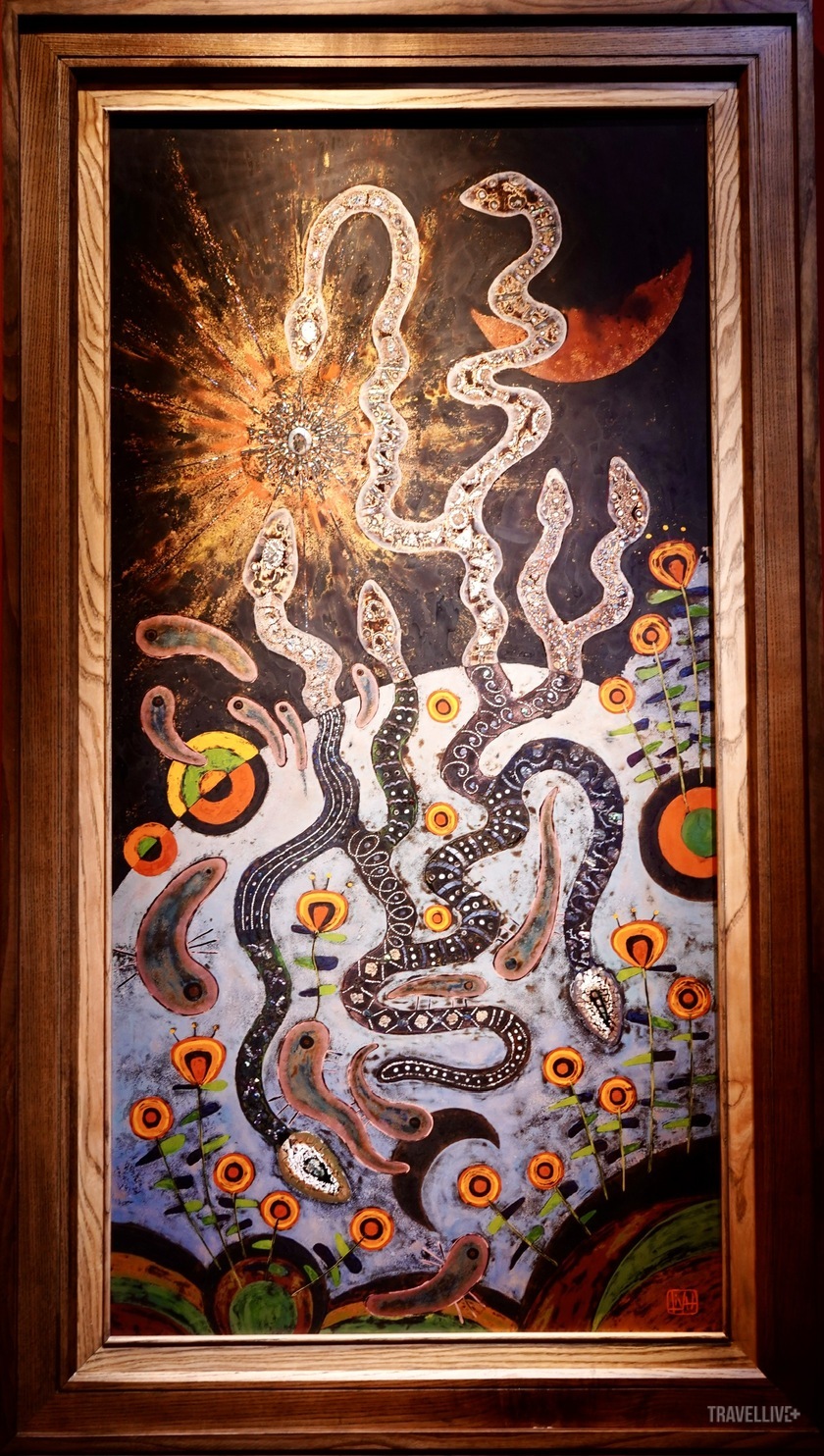
"The Mute" is like an open space where viewers can freely interpret and immerse themselves in the silence.
In keeping with that spirit, each painting at "The Mute" is like an open space for viewers to freely interpret and immerse themselves in tranquility. The layers of colorful lacquer, the decisive yet evocative lines, create a multi-dimensional emotional field, inviting viewers to listen, feel, and connect deeply with their inner emotions.
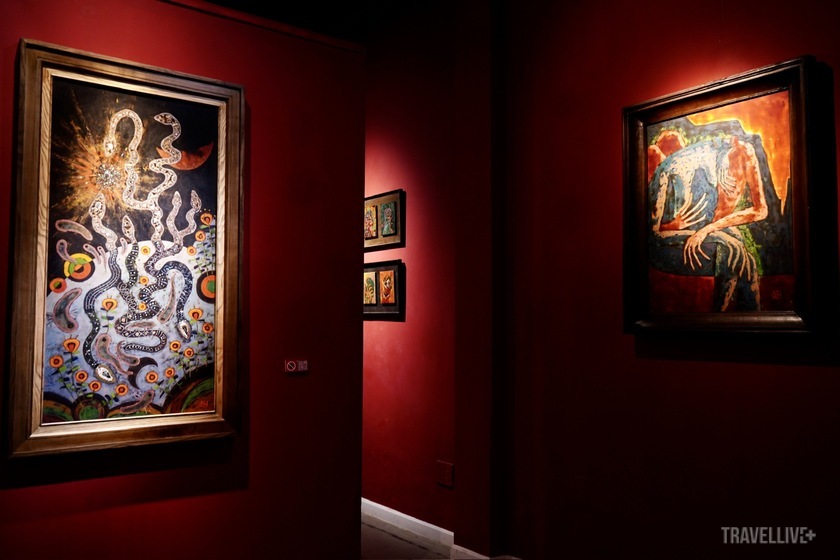
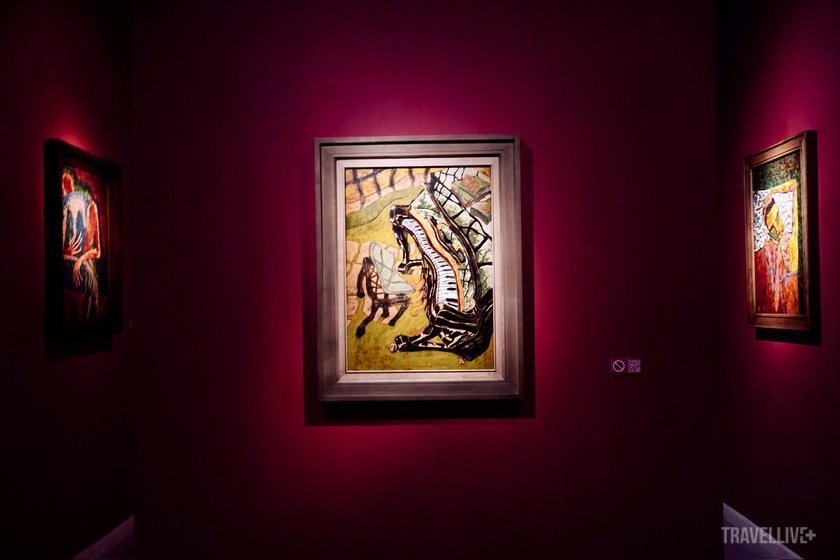
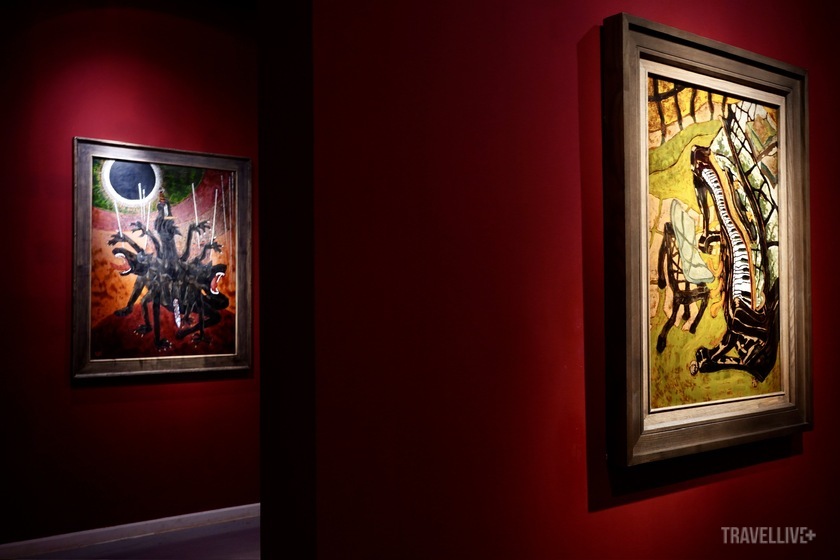
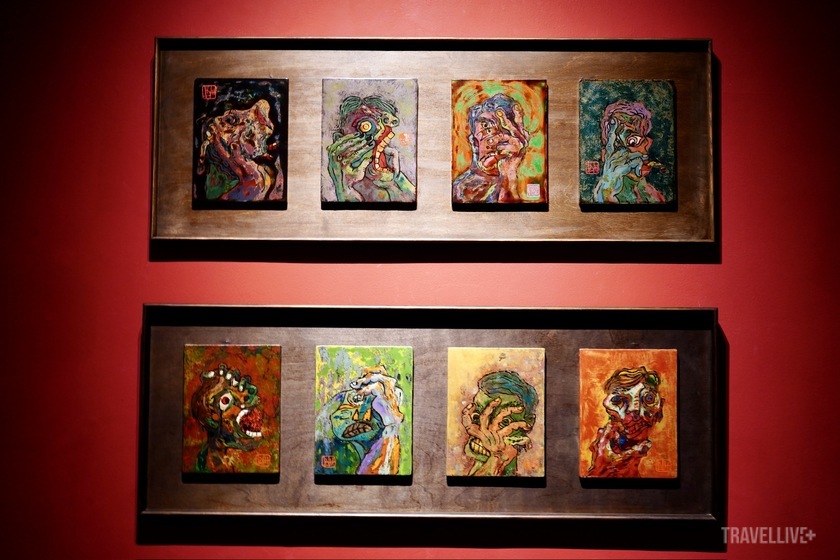
Artist Cao Junling strives to push the boundaries of freedom in artistic expression.
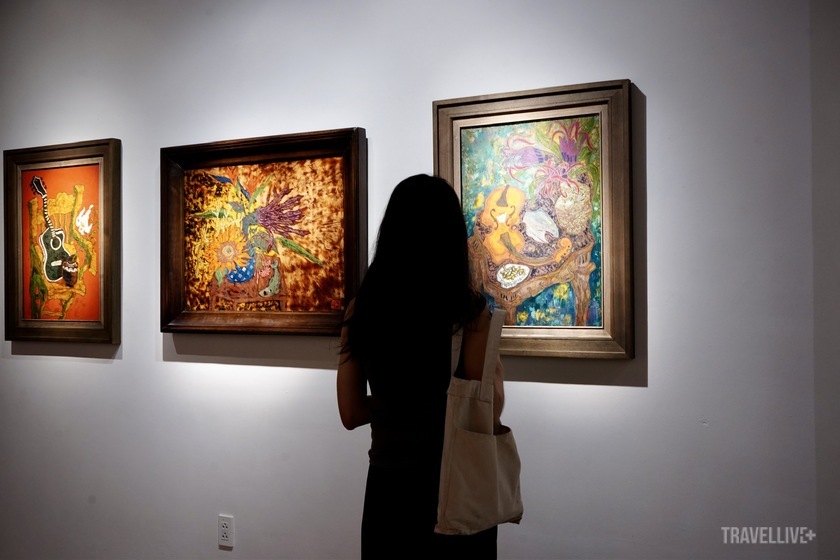
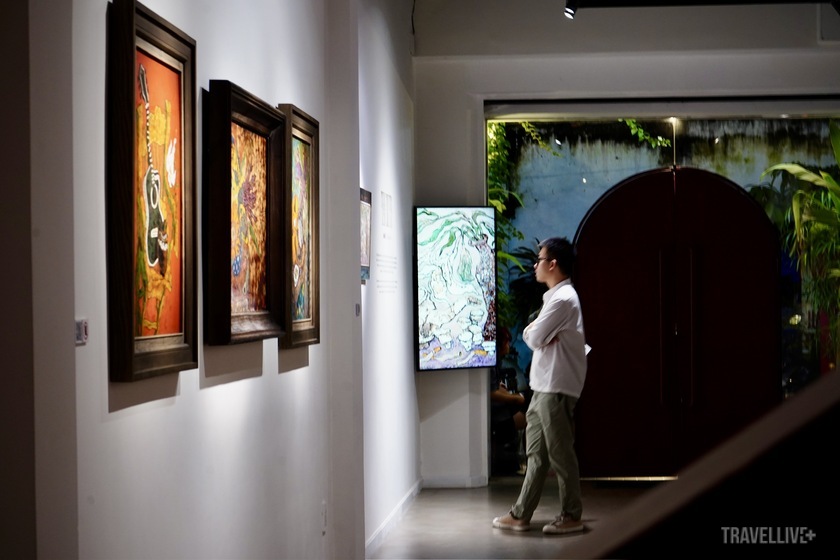
Many young people came to visit the exhibition.
The exhibition "The Mute" is open to visitors from 9:00 AM to 8:00 PM, Monday to Sunday, October 26 - November 24, 2024 at Annam Gallery (371/4 Hai Ba Trung Street, Vo Thi Sau Ward, District 3, Ho Chi Minh City).