VI
VI



In recent days, social media groups have been posting information that has attracted significant attention from the travel community. This information concerns the tightening of visa issuance for the Schengen area due to the impact of the case involving the discovery of 39 Vietnamese bodies in the UK while they were attempting to illegally immigrate.
Originating from a Facebook account currently residing in Europe, the information posted on November 20th stated: “Starting November 18th, the visa application process for Vietnamese citizens at any consulate will be reviewed by all 27 Schengen countries. This means that if you apply for a visa at the French Consulate, in addition to your complete application, you will have to wait for the approval of all 26 other countries. They will send official letters to all Schengen countries; if they all agree, you will receive a visa; otherwise, they don't need to provide any explanation.”
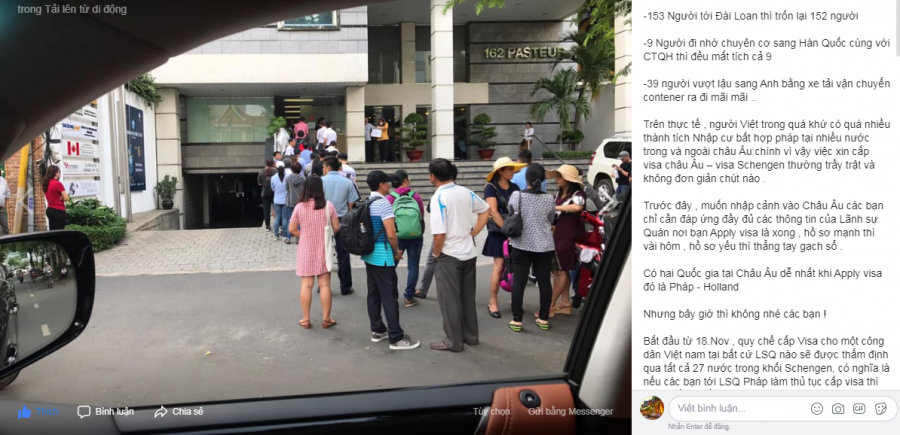
This information has generated a huge public outcry and caused confusion and anxiety among many individuals planning to apply for a Schengen visa.
Basically, this information isn't wrong, but it's not entirely accurate either. Visa applications within the Schengen Area have always required the consent of all member states. If a member state doesn't agree, the visa will include a clause stating "No entry for..." that specific country. This clause is clearly stated on the visa.the official online website of the European Commission.
The section "Processing of a visa application" states:

“Some Schengen States require that they be consulted on visa applications submitted to other Schengen States by citizens of certain countries. The consultation process may take up to seven calendar days.”
Accordingly, Schengen countries have the right to forward visa applications they receive to other countries within the bloc. This only applies to applications originating from a specific group of countries, including Vietnam. This review process can take up to seven calendar days.
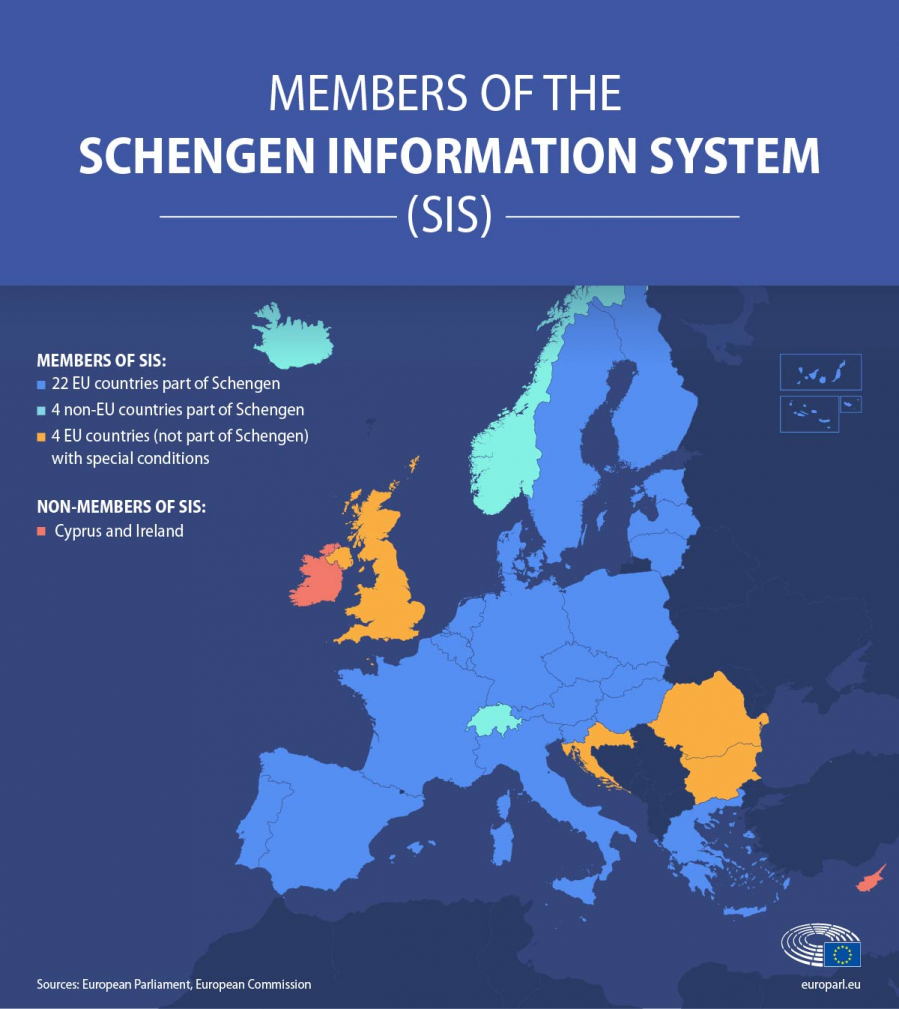
The process takes place on an interconnected information technology system called SIS, not in the form of "sending official documents" as stated in the published information. SIS – the Schengen Information System – is the largest and most widely used information sharing system for border security and management in Europe. SIS allows competent national authorities such as police and border guards to access and refer to alerts about identified persons or objects. In addition, visa and immigration authorities can also use this platform to exchange and consult on third-country nationals (from the applicant's country of origin) with the aim of refusing or allowing their entry. This system is currently operating in 30 countries in Europe, including 26 EU member states and 4 Schengen Association countries (Switzerland, Norway, Liechtenstein, and Iceland).
A search on the website of UDI - the Norwegian Directorate of Immigration, a country that is an associate member of the Schengen Area but not a member of the EU, also revealed similar information.
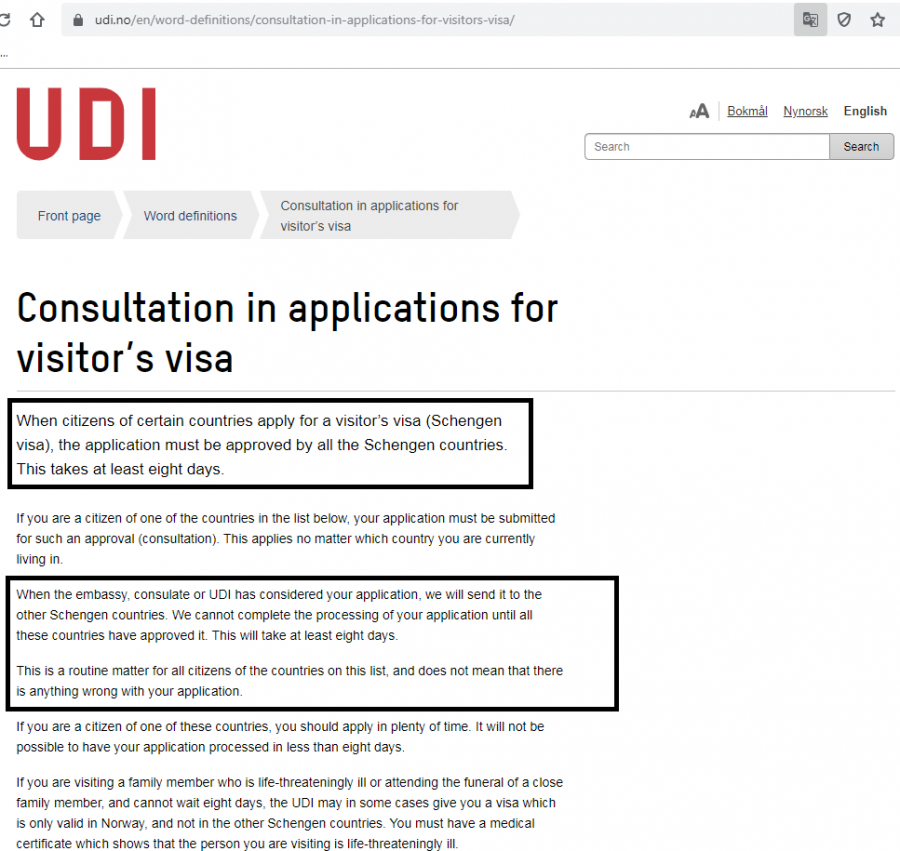
The information is clearly published on the website https://www.udi.no - the Norwegian Directorate of Immigration.
“Once the embassy, consulate, or UDI has reviewed your application, we will forward it to the other Schengen countries. We cannot complete the processing of your application until all these countries approve it. This will take at least eight days. This is a common issue for all citizens of the countries on this list and does not mean there is any obstacle in your case,” – the information clearly states on the website.udi.no.
Therefore, the information that applying for a Schengen visa requires assessment by member countries is completely accurate. However, this assessment process has been in place for a long time and is not a recent change.

Visa applications within the Schengen area have historically required the consent of all member countries.
Following a series of recent cases of illegal immigration and labor, Vietnam's visa ranking has dropped 15 places to the bottom of the world visa rankings. This will undoubtedly have a significant impact on Vietnamese citizens applying for visas in general, and Schengen visas in particular. However, if you prepare your application well and follow the correct procedures, obtaining a Schengen visa is not too difficult at this time.