VI
VI EN
EN


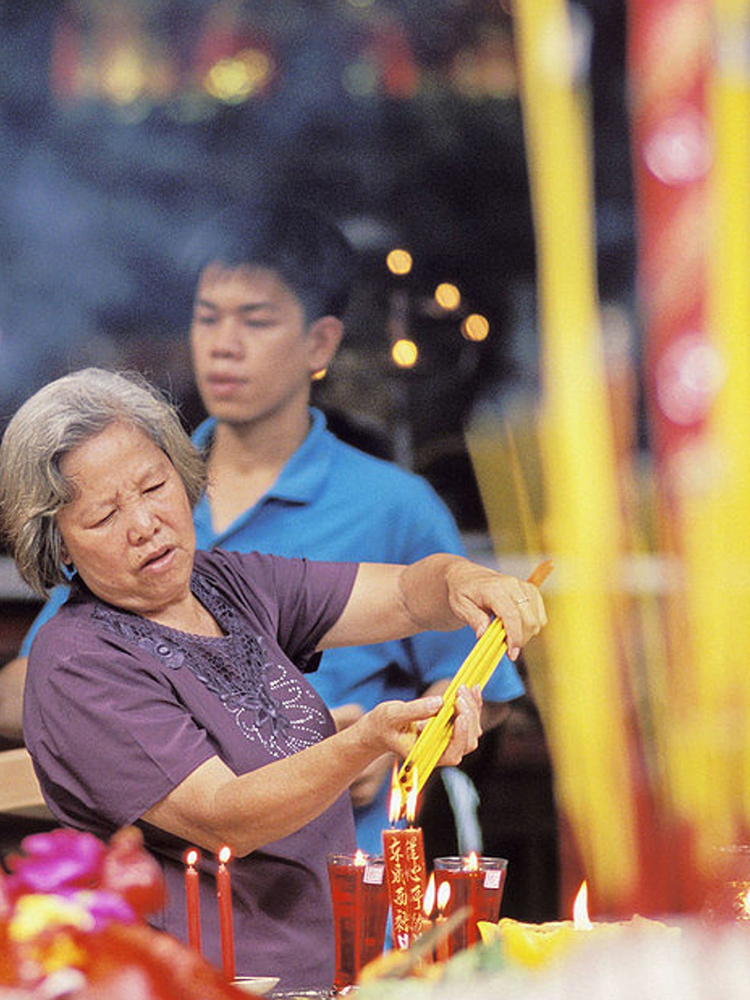
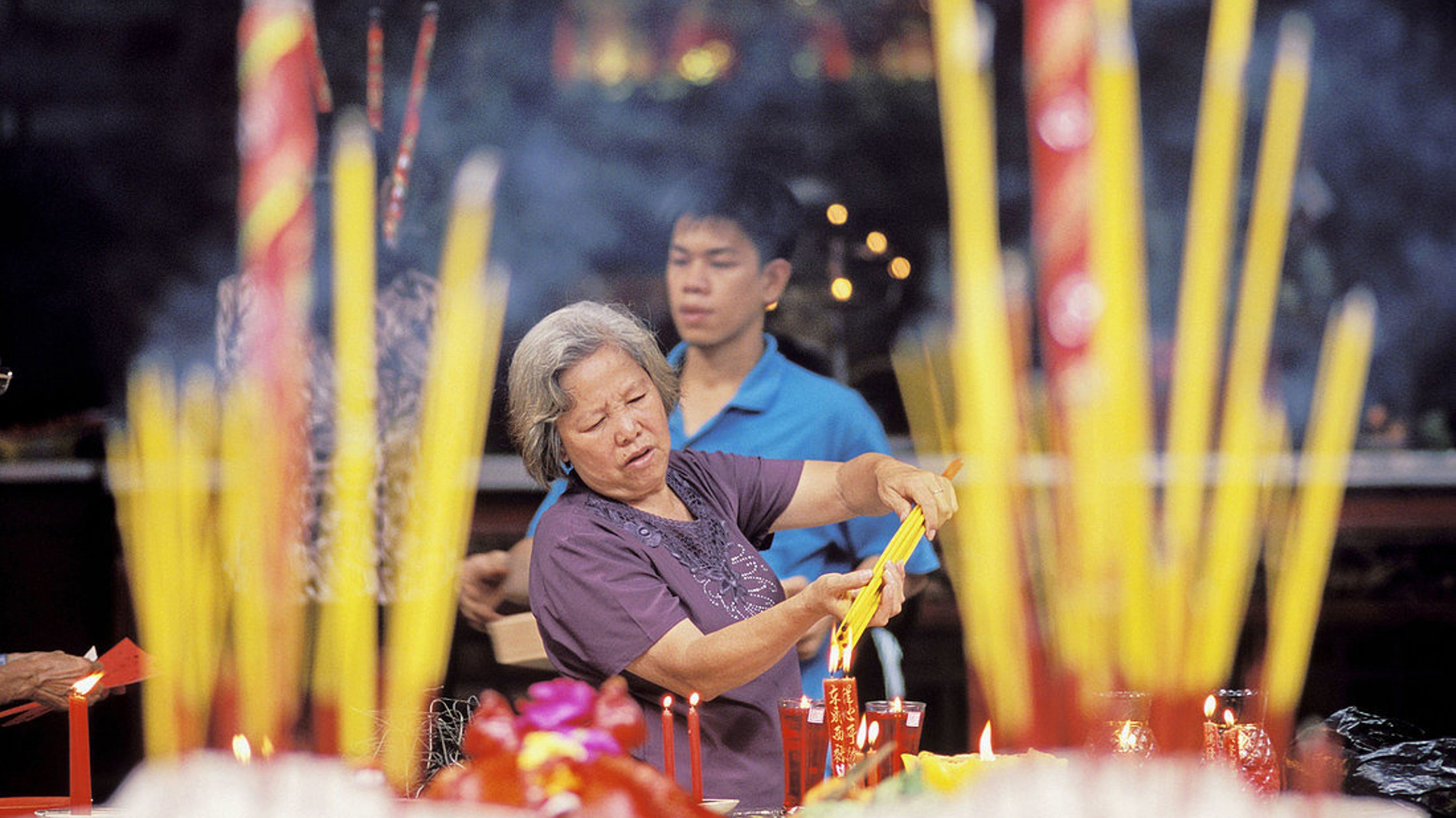
During their migration, the Minh Huong Chinese chose to settle in the bustling Cholon area to establish their lives and livelihoods. "Cholon" refers to the area encompassing present-day districts 5, 6, 11, and parts of districts 8 and 10. Visiting Cholon on cool days reveals a scene of bustling commerce, with people busy preparing for the biggest festival of the year – the Winter Solstice.
According to the ancient agricultural calendar, a year is divided into four seasons and 24 solar terms. Among them, the Winter Solstice, or "Tung Chia," is a major and important festival for the Chinese community in Cholon. The Winter Solstice usually falls between December 21st and 23rd of the Gregorian calendar each year. It is interpreted as the middle of winter, with the word "Chi" meaning extreme point, signifying the sun's highest point. Based on the Chinese concept of the five elements and yin and yang, the Winter Solstice refers to the crucial transition between yin and yang, signaling the end of a yearly cycle. After the Winter Solstice, the sky becomes clearer, and this is considered a time of great auspiciousness and good fortune for many joyful events.

On every holiday and festival, the Chinese community in Cholon usually prepares elaborate and solemn offerings for the ancestors.
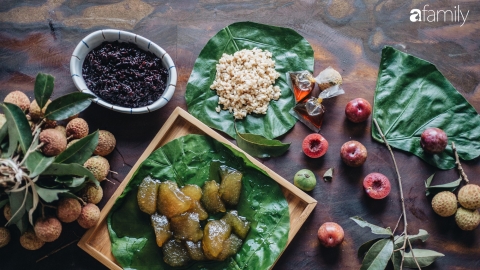
Every year, during the Winter Solstice, the Chinese community in Cholon cleans their houses, gathers with family, offers prayers to the gods, and celebrates with feasts. First, they clean the altar, and while they're at it, they prepare to replace the red coins and couplets in the house to celebrate the upcoming Lunar New Year. Family members work together, dividing the tasks equally. Once everything is ready, they set up an altar to worship the gods and ancestors who have blessed them with a peaceful and prosperous year. The altar must include glutinous rice balls in sweet soup, sticky rice cakes, and a plate of tangerines. In Chinese, "tangerine" is a homophone for "auspicious" (meaning good fortune). After the ceremony, the Chinese often share cakes, fruits, and flowers with relatives and friends, as a small token of goodwill. Within the same neighborhood, one household often gives gifts to another, and vice versa. This is also a way to strengthen neighborly bonds.

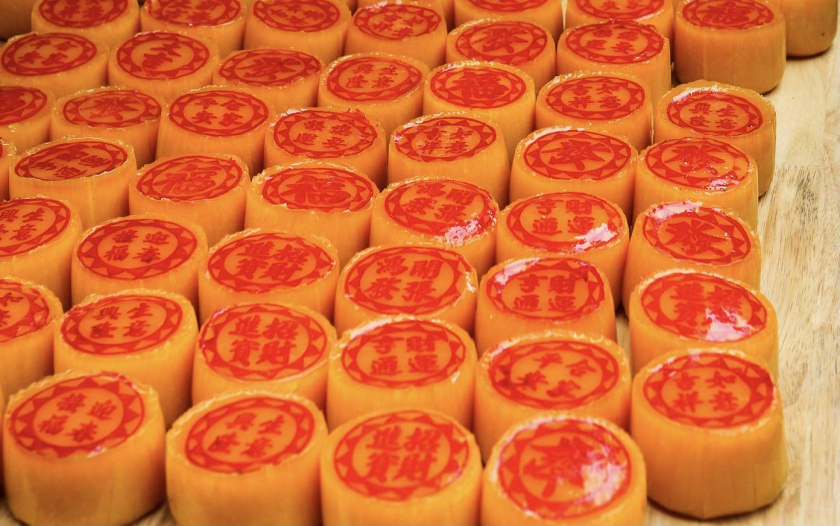
Bánh tổ (also known as bánh niên cao) is a traditional cake often found on the altars of the Chinese community in Cholon. Eating bánh niên cao is considered lucky because the pronunciation of "niên cao" means "older," conveying wishes for health and longevity.
Like other Chinese communities around the world, the Chinese community in Cholon considers the Winter Solstice a time for family reunions, rest, and enjoying glutinous rice balls (chè trôi nước). This sweet dessert, made from glutinous rice flour with a filling of mung bean or black sesame seeds, is associated with the story of the filial daughter in the "legend of glutinous rice balls" and symbolizes "reunion." The colorful rice balls, in shades of red, pink, green, and white, are rolled into round balls, cooked, and then topped with a syrup made from sugar and sliced ginger. They are eaten hot. The rice balls must be soft and smooth, not sticky, and have a sweet, tender taste when bitten into to be considered authentic.

The dessert called "che troi nuoc" (or "Thang Vien") is associated with the story of the filial daughter in the legend of "the story of che troi nuoc," symbolizing reunion and togetherness.
Similar to the way glutinous rice balls are cooked, there is also glutinous rice balls, small like marbles, filled with various fillings, including mung beans, black beans, red beans, or peanuts. Glutinous rice balls are best enjoyed in cool weather. The Chinese believe that eating this dish with loved ones will bring fulfillment and good fortune to themselves and their families in the new year. Each family member will receive at least one large glutinous rice ball and a few smaller ones. According to ancient tradition, the Chinese also often stick the glutinous rice balls on doors, windows, and furniture to wish for good luck and happiness for the family.
Nowadays, glutinous rice balls in sweet soup are widely sold in restaurants and on the streets year-round, but Chinese families still make them themselves, offering them to the gods and enjoying them with loved ones. For many Chinese people, eating glutinous rice balls in sweet soup during the Winter Solstice is a special moment they eagerly look forward to at the end of the year.