VI
VI


Vietnam
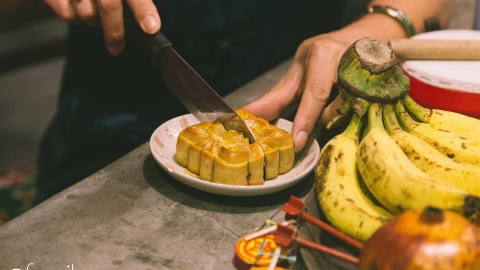
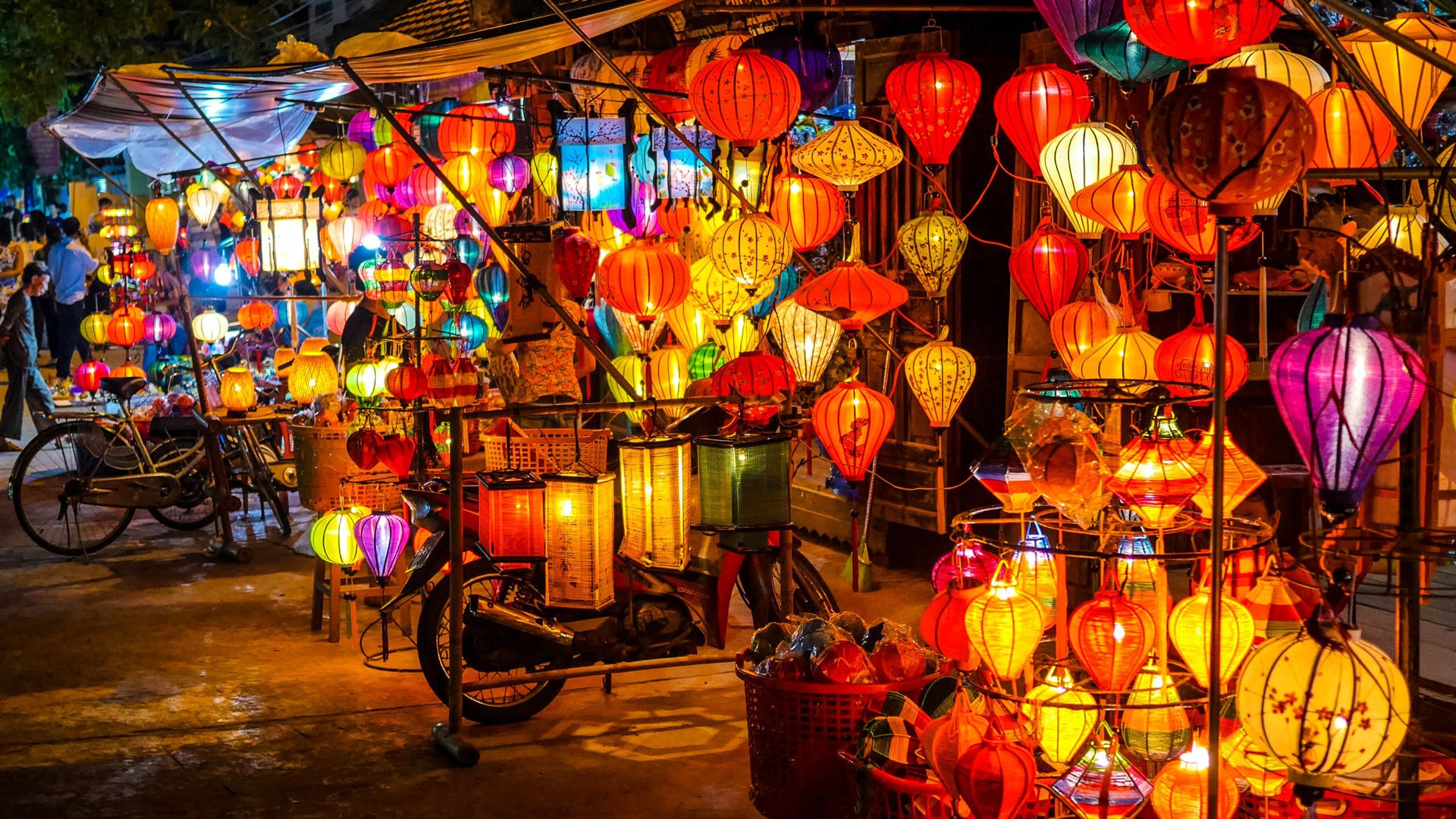
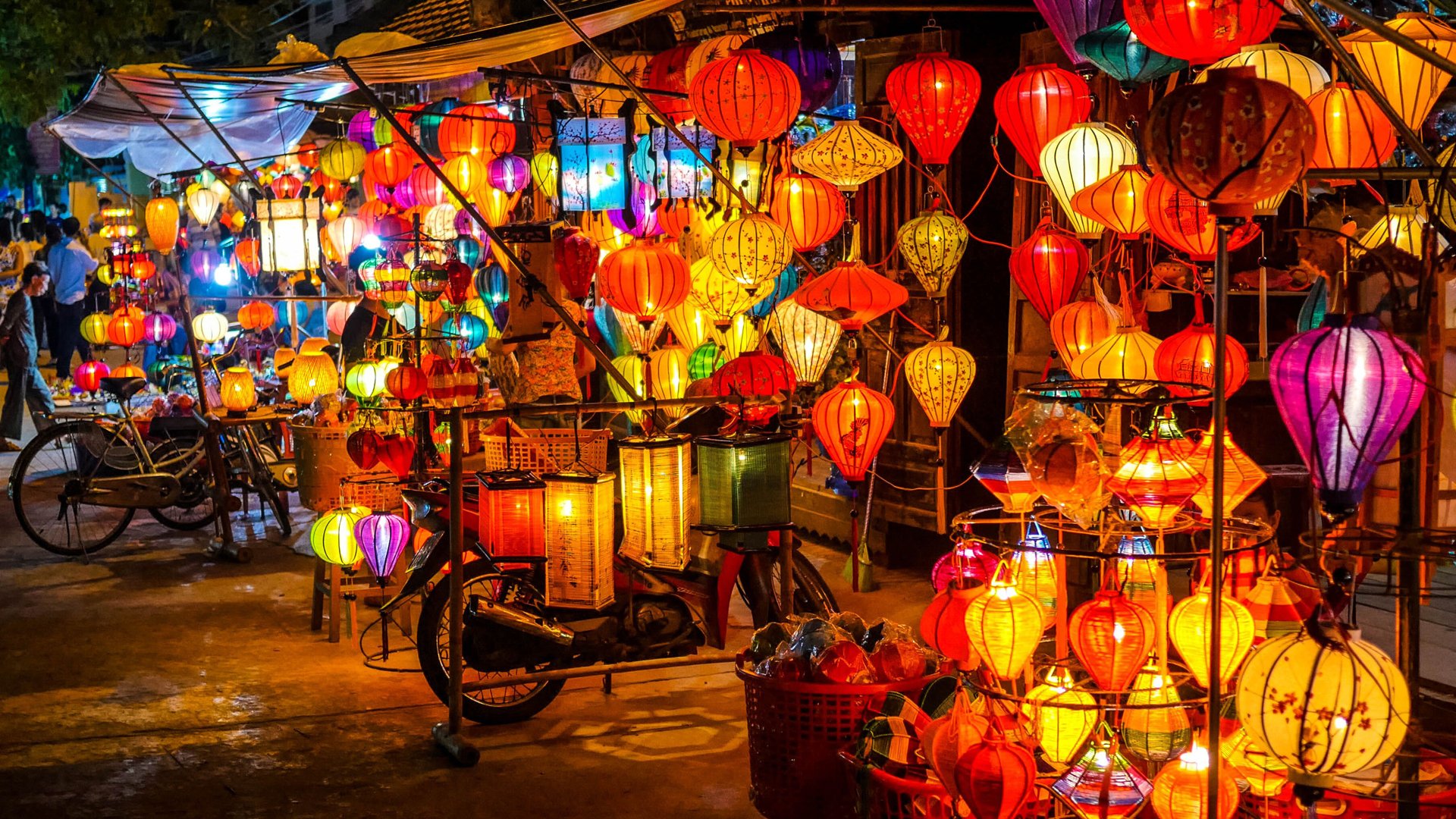
Mid-Autumn Festival is one of Vietnam's traditional festivals, considered the "Children's Festival." During this time, the streets are often filled with lanterns, star-shaped lamps, drums, masks, lion heads, and other toys for children. On the 15th day of the 8th lunar month, families and neighborhoods hold Mid-Autumn celebrations and feasts for children, featuring cultural performances, games, and offerings of five kinds of fruit, usually pomelo, persimmon, and mooncakes. Afterwards, everyone participates in lantern parades, watches lion dances, admires the moon, and enjoys the feast.
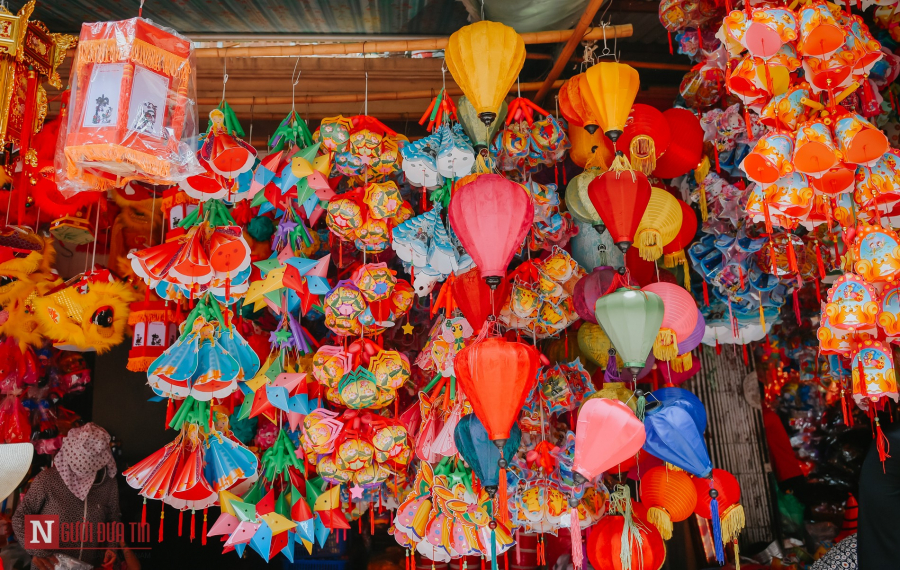
Not only are the elaborate lion dance troupes performed by adults well-received, but children's troupes are also very popular. When the children perform the lion dance and knock on doors, people will give the troupe a small amount of money as a token of good luck.
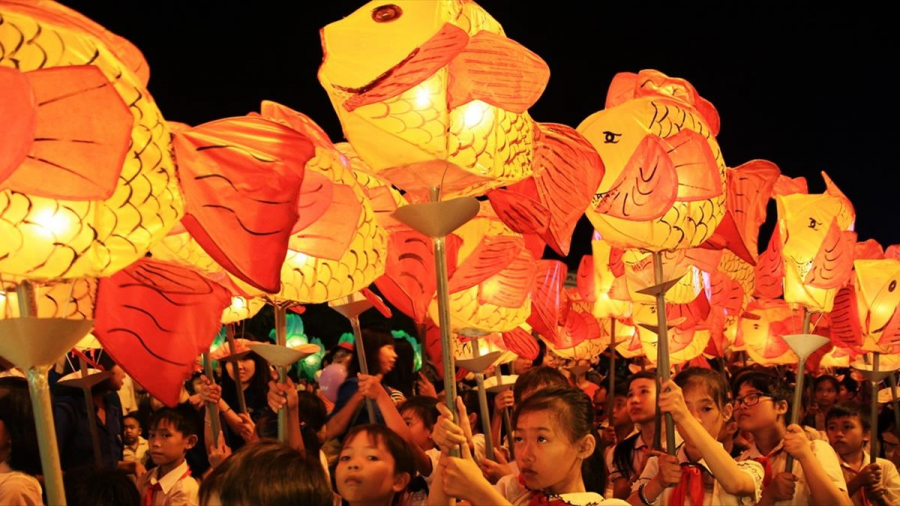
During the Mid-Autumn Festival reunion meal, Vietnamese families will chat and reminisce together, with children and grandchildren wishing their grandparents good health. In particular, enjoying mooncakes and sticky rice cakes with strong tea is a beautiful cultural tradition that has been maintained for generations of Vietnamese people every Mid-Autumn Festival.
China
Mid-Autumn Festival is the second largest festival in China, after the Lunar New Year. The Mid-Autumn Festival originated during the Zhou Dynasty (1046-256 BC), when people realized the lunar cycle influenced the harvest and began holding sacrificial ceremonies on the full moon of the eighth lunar month.
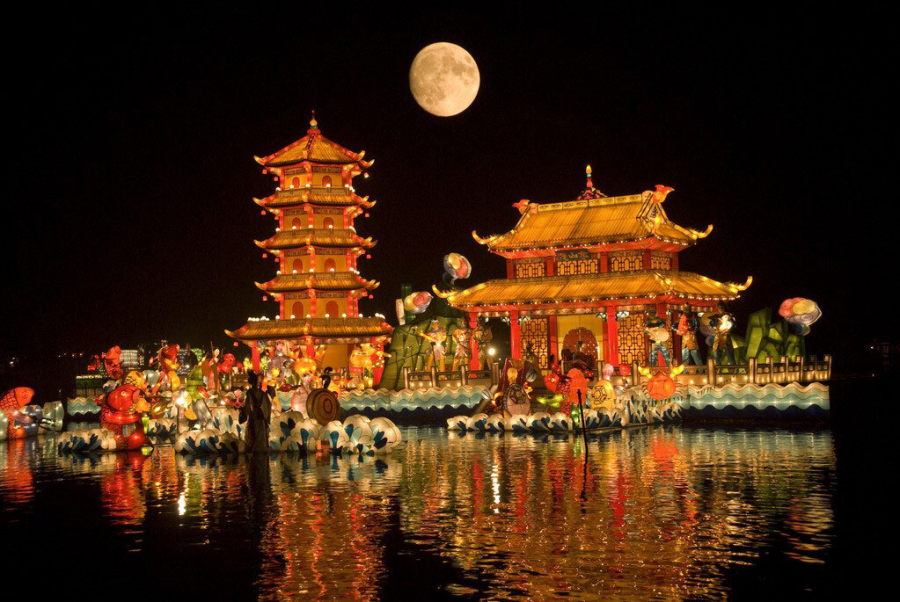
Today, for the Chinese, the Mid-Autumn Festival is also a time for family reunions, a time for family members to gather together. Although customs for celebrating the Mid-Autumn Festival vary across different regions of this vast country, every household will hang red lanterns, perform lion dances, eat mooncakes, and admire the moon. Some localities also organize lantern processions, lion and dragon dances, or moon worship ceremonies, releasing floating lanterns, solving riddles, etc. Chinese children will also participate in lion dance troupes and play under the full moon.
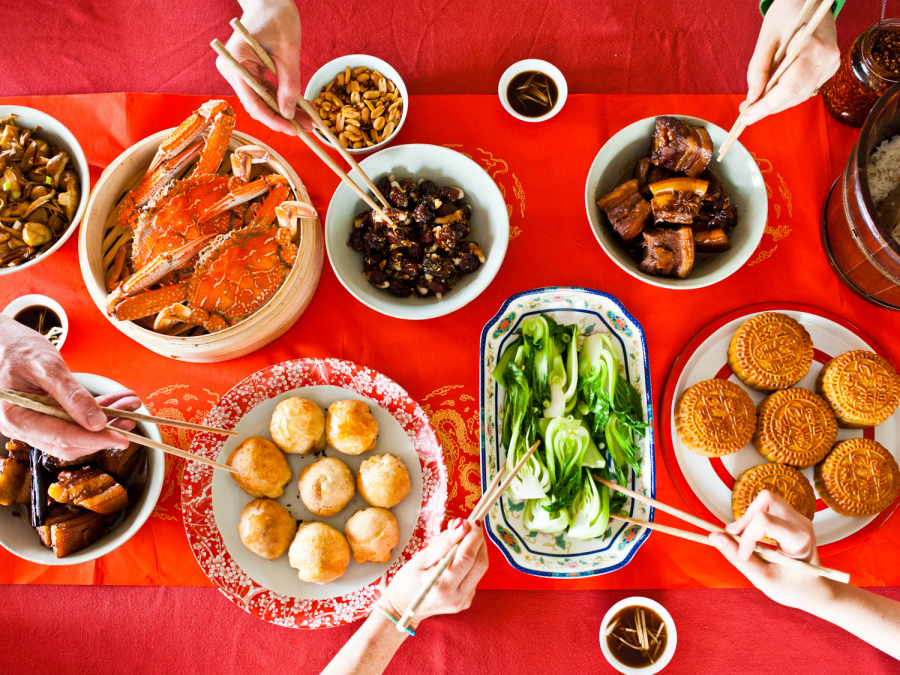
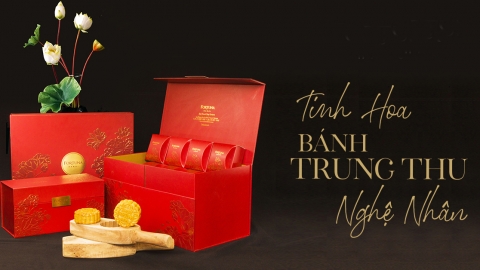
A traditional dish for the Mid-Autumn Festival in China is the mooncake, a round pastry symbolizing completeness and fulfillment. Chinese mooncakes are very similar to Vietnamese mooncakes, with a thin crust and fillings such as lotus seeds, mung beans, and salted egg yolks. Each region of China has its own variations of this traditional pastry.
Hong Kong
A major attraction for tourists visiting Hong Kong during the Mid-Autumn Festival is the Tai Hang Fire Dragon Parade. The Tai Hang Dragon is 67 meters long, made from straw, and covered with tens of thousands of burning incense sticks. The Tai Hang Fire Dragon dance creates a spectacular display of fire and smoke. This parade has become an intangible cultural heritage of Hong Kong, leaving a lasting impression on every visitor who participates.
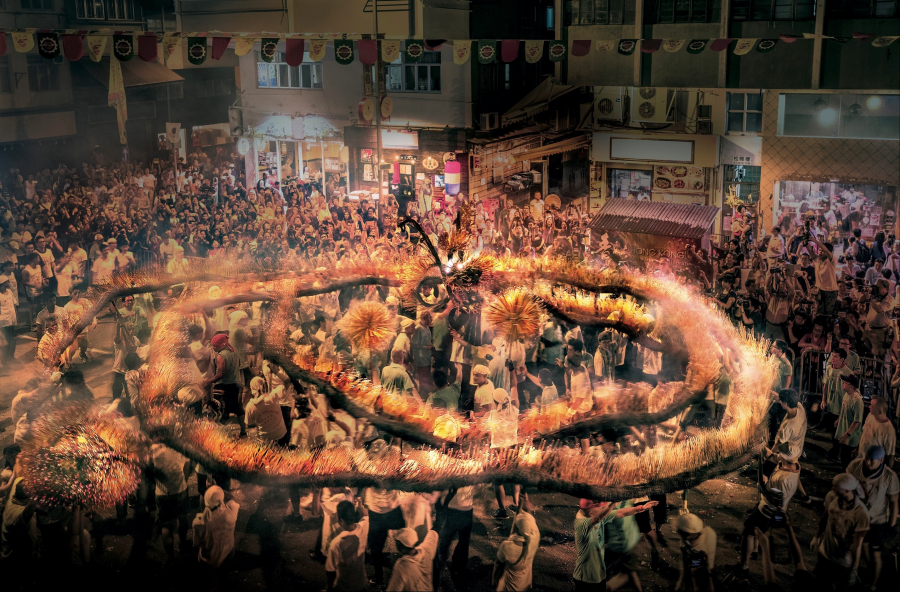
Along with the vibrant traditional dragon dance, the Mid-Autumn Festival night in Hong Kong is also bathed in the dazzling light of lanterns of all shapes, colors, and sizes. All of these elements combine to create the unique charm of the harbor city during this time of family reunion.
Japan
Although Japan no longer uses the lunar calendar, the people of the Land of the Rising Sun still celebrate the Mid-Autumn Festival twice a year. The first, called Zyuyoga, is associated with the custom of moon-viewing (Otsukimi) and usually takes place on August 15th; the second, called Zyusanya, is held on October 13th. According to tradition, if someone attended the first moon festival, they must also attend the second if they don't want to encounter bad luck.
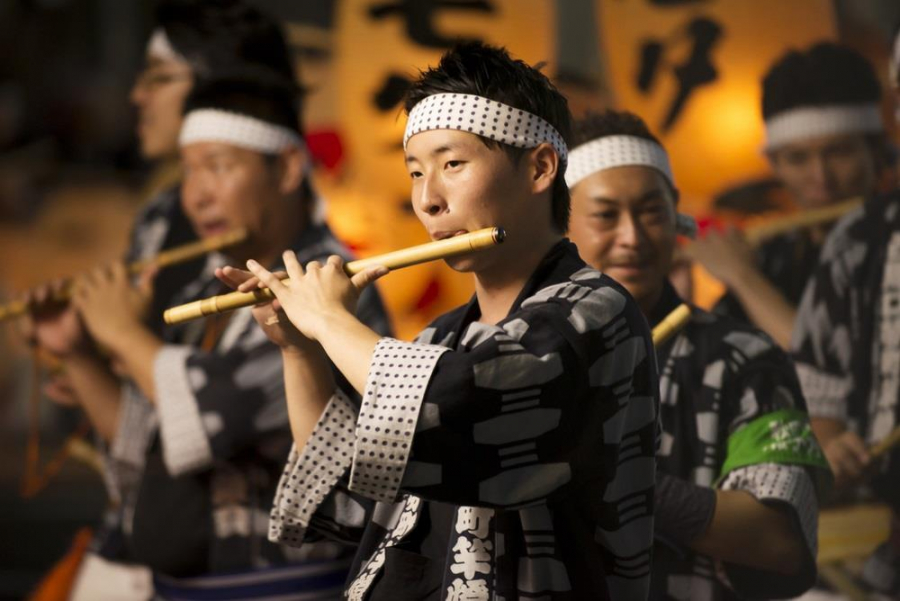
The Otsukimi moon-viewing festival is held to honor the autumn moon, at the time when the moon is at its fullest according to Japanese tradition. During this festival, Japanese people admire the moon, enjoy traditional food, and participate in fun games.
Traditional Japanese food enjoyed on August 15th includes chestnuts, sweet potatoes, taro, pumpkin, various noodles such as soba and ramen, and especially tsukimi dango. These round, soft tsukimi dango, symbolizing the moon, are made from glutinous rice flour and honey, often skewered on bamboo sticks and grilled until crispy before being enjoyed with green tea.
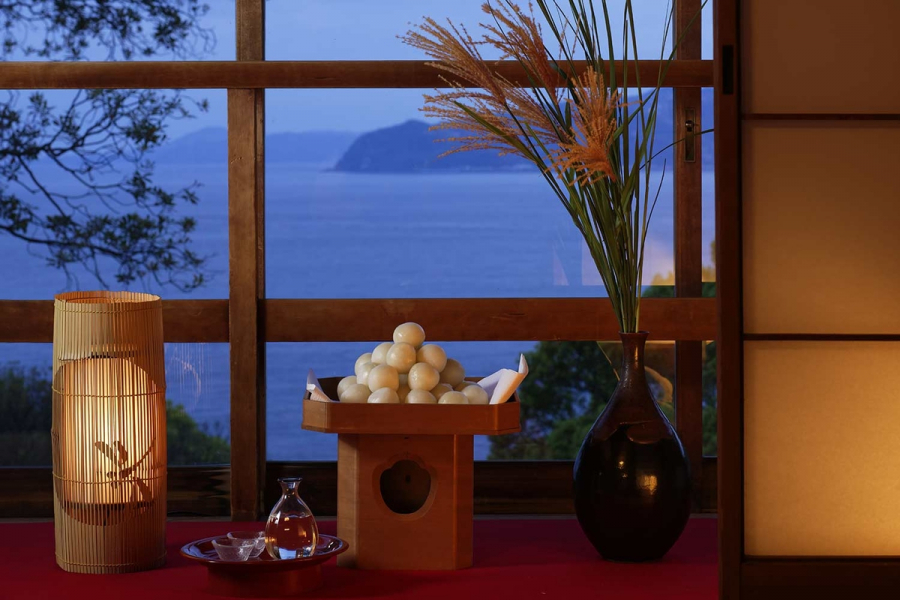
The Japanese will arrange tsukimi dango (Japanese sweets) in a triangular shape along with susuki grass in a vase on a wooden shelf, then place it in a spot where they can enjoy them while clearly viewing the moon. Japanese children, especially boys, are often given carp-shaped lanterns by their parents, symbolizing perseverance, intelligence, courage, and patience, to participate in the lantern procession.

Taiwan
During the Mid-Autumn Festival, Taiwanese people always make sure to gather with family and friends to enjoy barbecue.
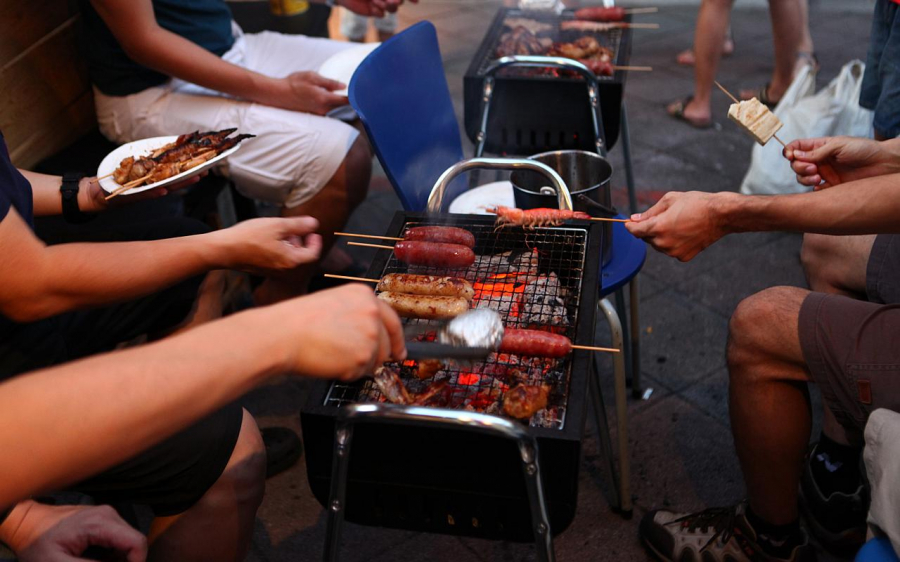
Grilling meat during the Mid-Autumn Festival symbolizes reunion, happiness, and warmth as the whole family gathers around a charcoal grill to cook and enjoy delicious fresh meat. If you travel to Taiwan during the Mid-Autumn Festival, you'll be immersed in the joyful and bustling festive atmosphere of the locals, and don't forget to try this special "family barbecue"!
Korea
In Korea, the Mid-Autumn Festival, also known as Chuseok, literally means "autumn night," referring to the most beautiful full moon night of the year. It's one of the country's biggest holidays, taking place throughout the harvest season, so people usually get three consecutive days off from the 14th to the 16th of the 8th lunar month. Chuseok is not only a harvest festival but also a day to remember the deceased and a time for family reunions.
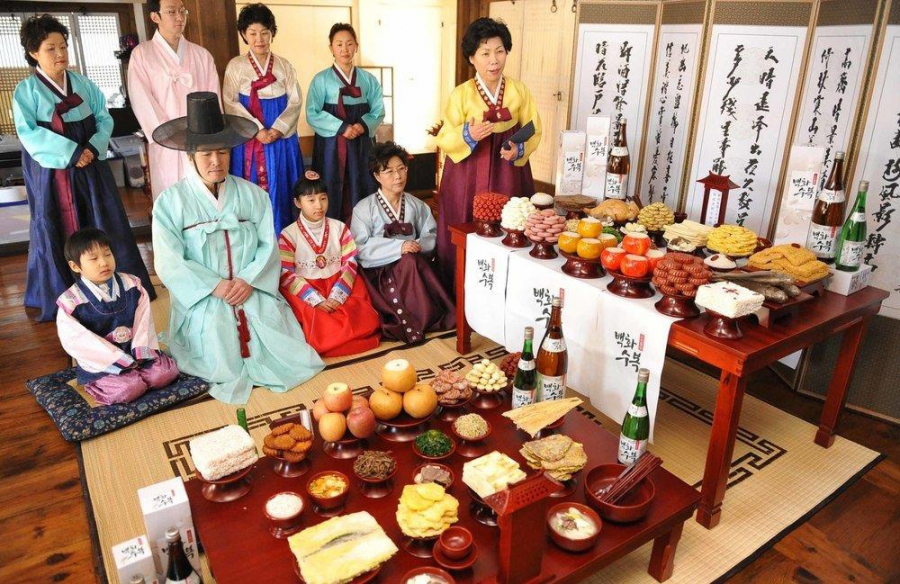
During this time, they spend time together with their families, even if their children live far away, they must return to reunite with their parents. On Chuseok, Koreans usually enjoy traditional dishes such as songpyeon (a type of crescent-shaped rice cake), pan-fried meatballs, mung bean cakes, and rice wine. They also often exchange meaningful gifts such as beef, cooking oil, fruits, and ginseng. This is also a time when many families visit their ancestors' graves, offering newly harvested produce such as meat, fish, vegetables, fruits, and rice cakes as a sign of respect. In the evening, children wear hanbok – the traditional Korean attire – and dance the famous Ganggangsullae dance under the moonlight.
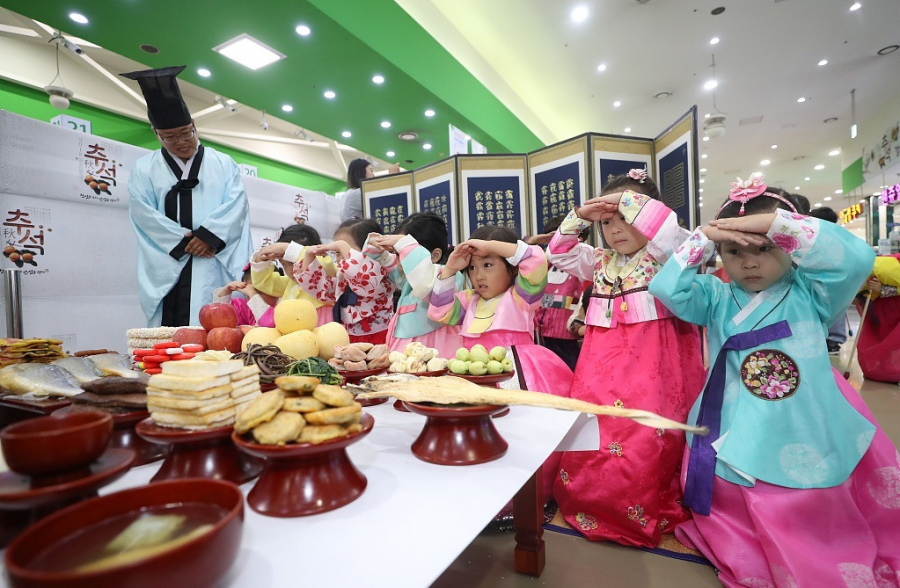
Today, Chuseok is considered a Thanksgiving holiday in Korea, a day when people express gratitude to their ancestors.
Chosen
In North Korea, the Mid-Autumn Festival is called the Autumn Night Festival. On this day, similar to other Asian countries celebrating the Mid-Autumn Festival, North Koreans gather to admire the moon and play games such as tug-of-war, and enjoy musical and dance performances.
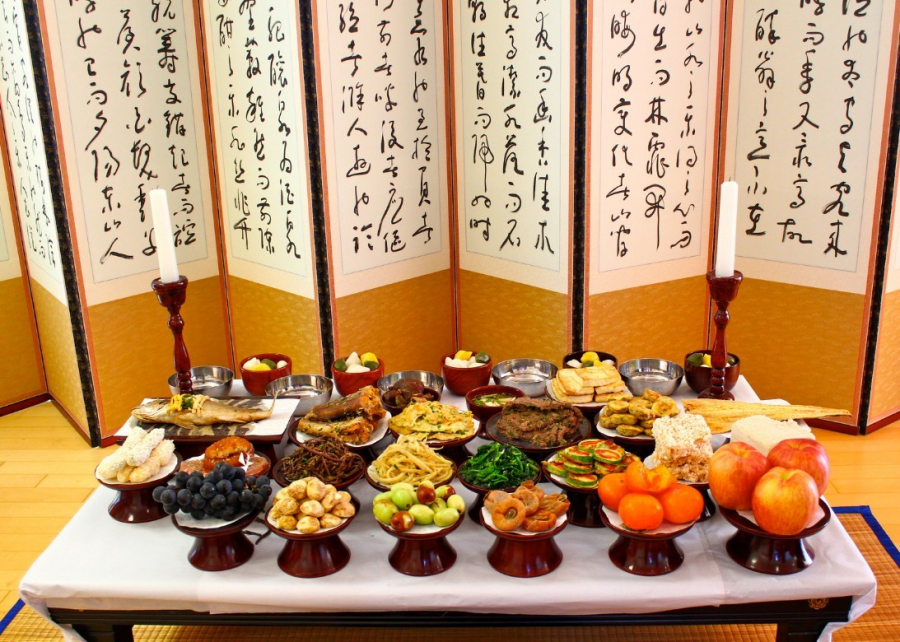
Young girls will wear their finest clothes to participate in this festival. Koreans usually eat crescent-shaped cakes made from rice flour with fillings such as beans, jam, and apples. Every household in Korea will steam cakes and give them as gifts on Mid-Autumn Festival.
Laos
For the Laotians, the Mid-Autumn Festival is called the Moon Blessing Festival, a celebration of the blessed moon that takes place throughout the week of the full moon in the 12th month of the Buddhist calendar. This festival is not only for children but also an occasion for young men and women to gather, sing, and dance all night long. Adults, meanwhile, will sit and enjoy tea while admiring the moon.
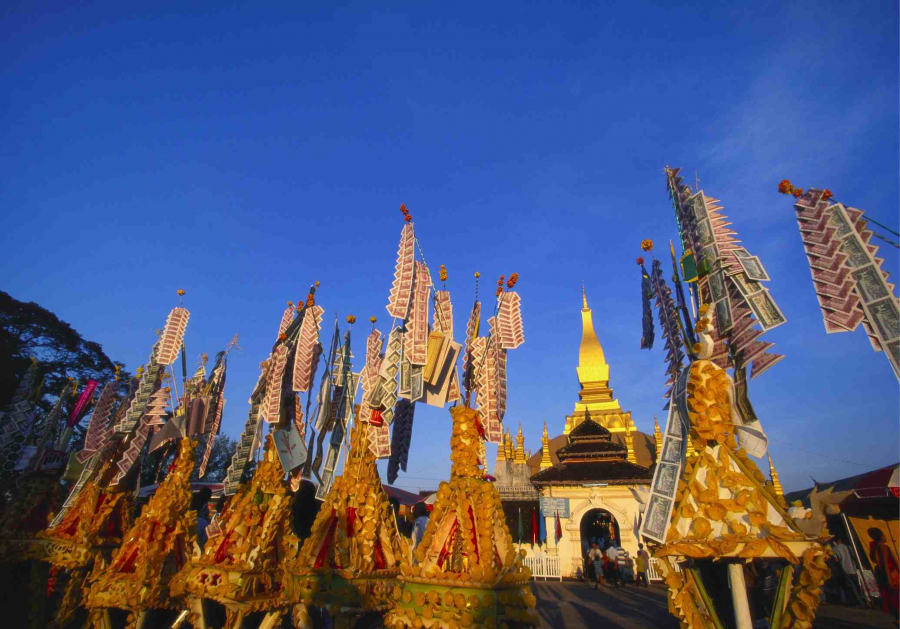
The centerpiece of this festival in Laos is Pha That Luang, the most sacred and famous stupa in the Land of a Million Elephants. Candles will be lit throughout Pha That Luang, and it will be decorated brilliantly. In addition, various forms of entertainment and food will be organized.
Cambodia
Unlike the Mid-Autumn Festival in other Asian countries, the people of this country do not celebrate the Mid-Autumn Festival on the 15th day of the 8th lunar month, but rather in mid-December. This festival is called Ok Om Pok - Moon Worship Festival, meaning "worshiping the moon." This festival mainly takes place in the evening. In the morning, people offer sacrifices to the moon with cassava soup, sugarcane juice, and flattened rice. In the evening, they offer flattened rice cakes, bananas, sweet potatoes, sugarcane, cassava soup, etc.
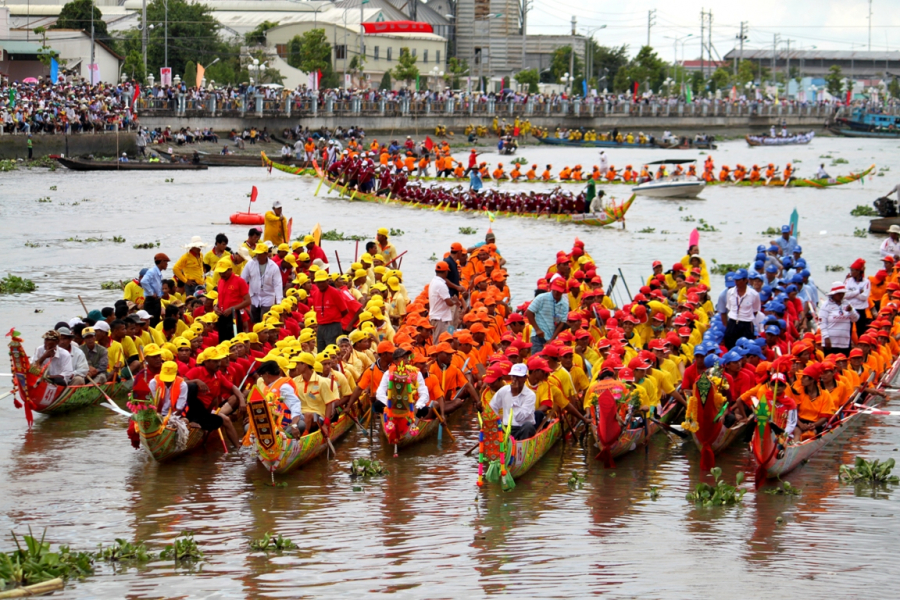
After setting out the feast on the porch and offering prayers and sacrifices, adults will stuff flattened rice into the mouths of children, as much as possible. This custom is to pray for good fortune for the children and their families. Besides the feast, Cambodians also hold a sky lantern release competition on Mid-Autumn Festival to send prayers and beliefs to the moon god, similar to other countries celebrating the festival. The sky lanterns flying high symbolize the hopes and beliefs of those releasing them, sent to the moon god, praying for peace and good luck.
Myanmar
Also known by various names such as the Full Moon Festival or the Festival of Light, the Mid-Autumn Festival in Myanmar is equally vibrant. On the night of the full moon, families light up lanterns, creating a shimmering and magical atmosphere. People gather to watch dances, plays, and participate in many lively nighttime activities to express their joy for the bountiful harvest.
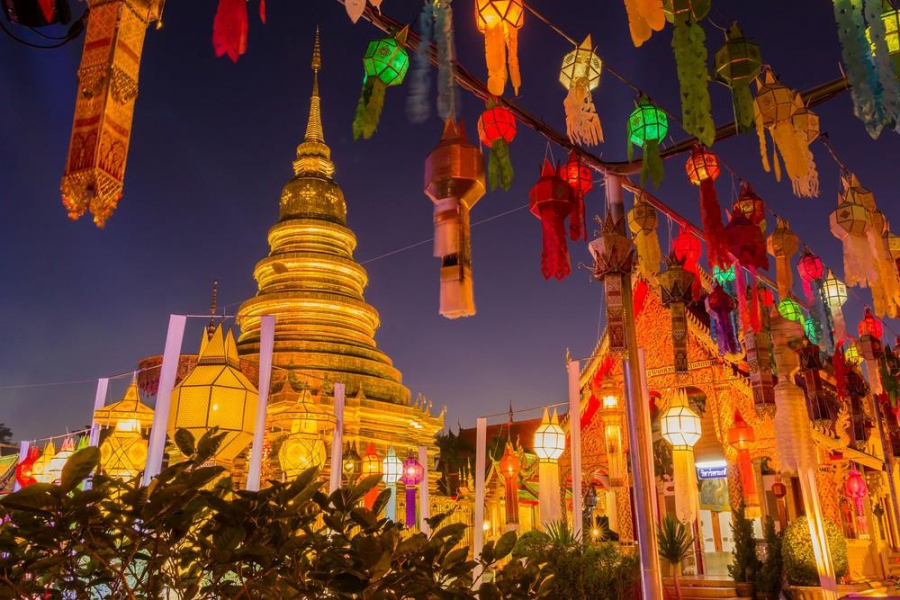
At the same time, people in Myanmar will flock to temples, like in other countries celebrating the Mid-Autumn Festival, to pray and admire the dazzling atmosphere of the full moon during this holiday.
Malaysia
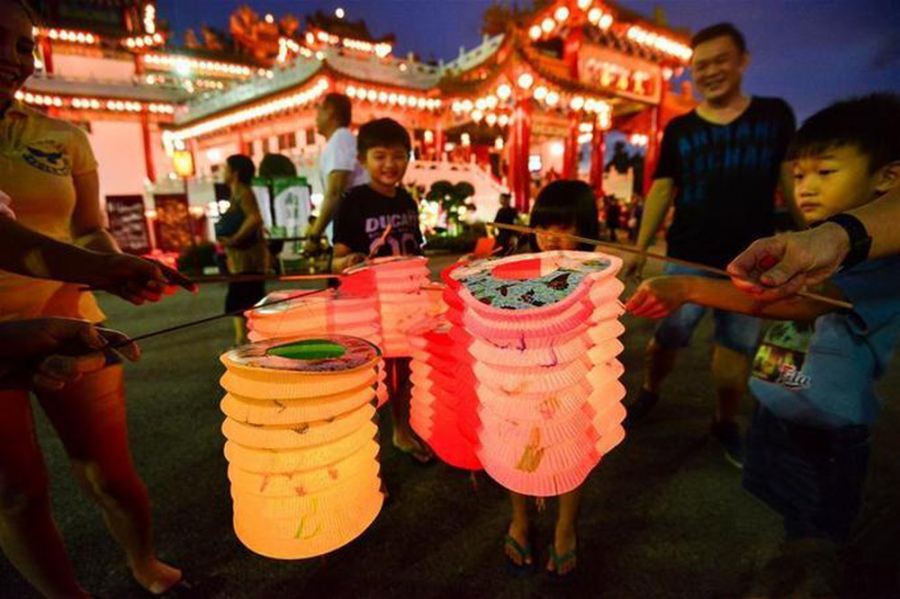
In recent years, in Malaysia, besides the Mid-Autumn Festival (September 19-21), there is also a Lantern Festival on September 16. Due to the large Chinese population, the Mid-Autumn Festival here is as vibrant as in China. People here celebrate the festival to express their joy at the end of a bountiful harvest, prosperity, abundance, and peace. The capital Kuala Lumpur and cities with large Chinese populations such as Penang and Ipoh are the places that hold the biggest Mid-Autumn Festival celebrations.
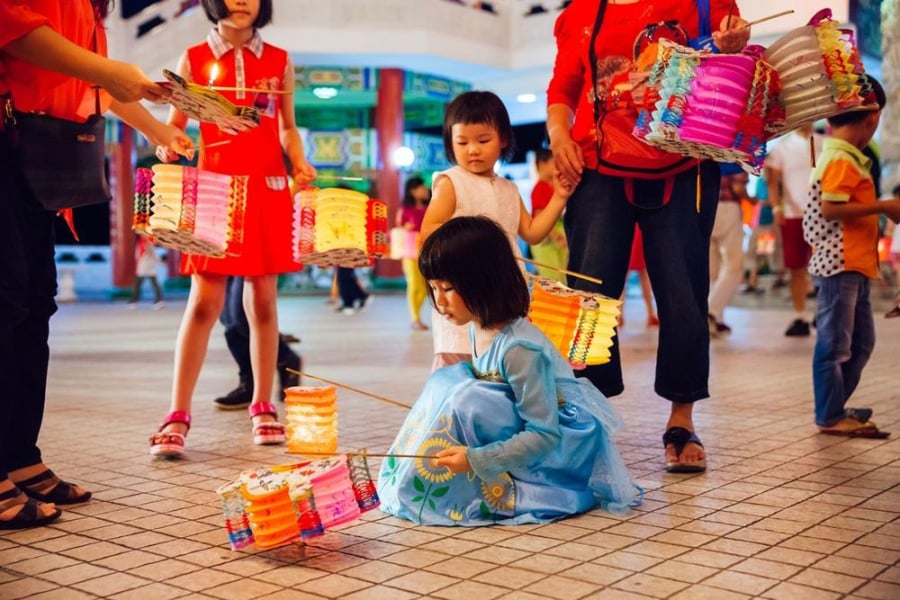
Throughout the festival season, mooncakes are sold at almost every stall. The streets are decorated with thousands of colorful lanterns. Newspapers and television also feature content about this traditional holiday. People flock to the streets to celebrate, immersing themselves in the festive atmosphere with games like lion dances and other popular entertainment activities. But the most important tradition of the festival remains family reunion and gathering together to eat mooncakes.
Philippines
Filipinos celebrate the Mid-Autumn Festival with great fanfare and lively activities. Initially, the Mid-Autumn Festival here was organized by people of Chinese descent and passed down to the local population. On Mid-Autumn Festival day, people of Chinese descent living in the Philippines often make mooncakes and share them with all their relatives, friends, and neighbors.
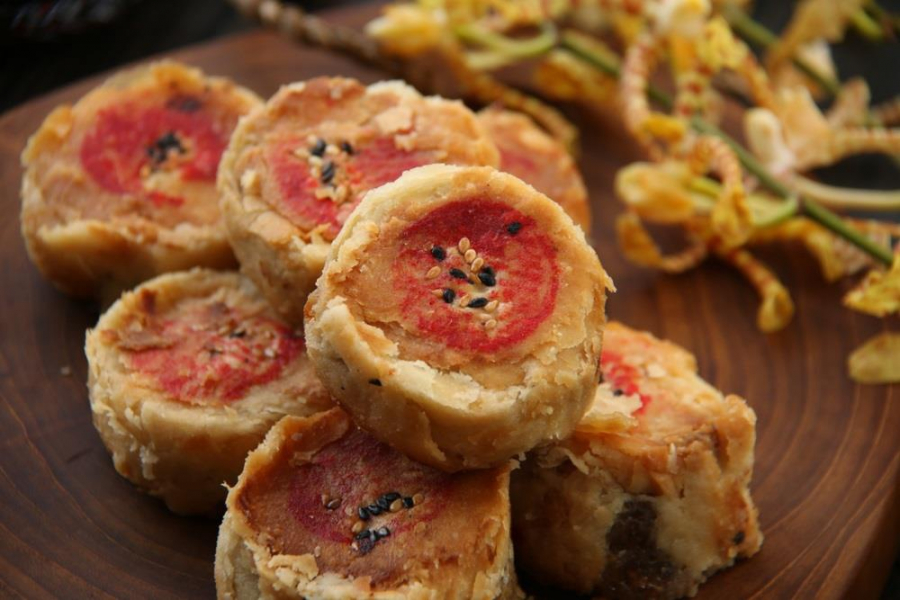
In the Philippines, mooncakes are called hopia (delicious baked cakes), and come in many variations such as hopiang mungo (mung bean mooncake), hopiang baboy (pork mooncake), and hopiang ube (purple sweet potato mooncake). On this day, Filipinos also often participate in a game called Mid-Autumn Festival Dice.
Singapore
As a country with a large Chinese population, the Mid-Autumn Festival is also highly valued in Singapore. It's an occasion for people to strengthen bonds, express gratitude, and for family members to reunite and enjoy mooncakes and tea together. Singaporean mooncakes have a distinct flavor compared to those in China, with various fillings such as green tea and pumpkin, but the most popular is durian.
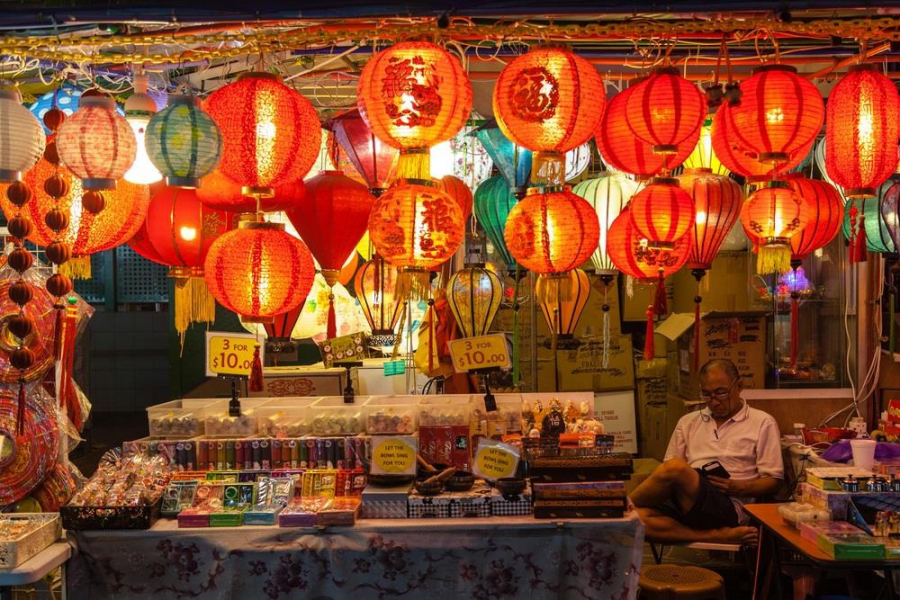
Simultaneously, the Mid-Autumn Festival in Singapore is also filled with many lively and fun activities, with the most popular being the lantern parade. A few weeks before the festival begins, colorful lanterns of various shapes are decorated in many places across the island.
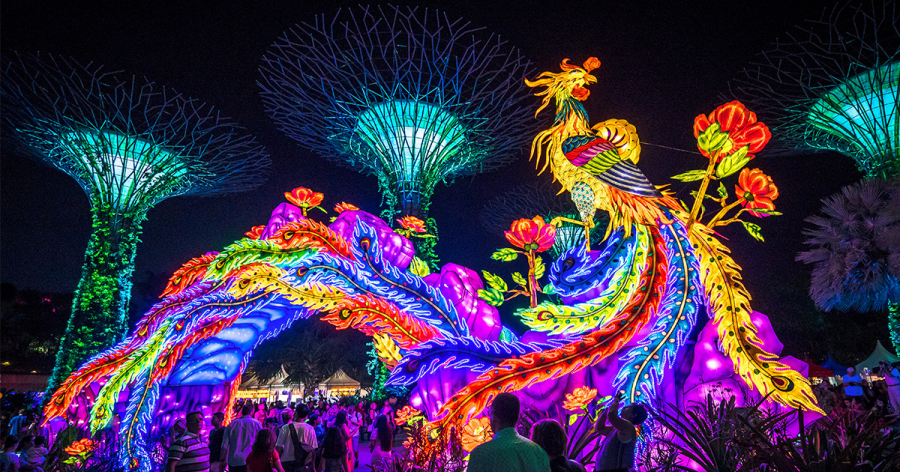
For tourists visiting Singapore during this season, there are unique cultural activities to experience. On the night of the Mid-Autumn Festival, the Merlion statue in Marina Bay – a symbol of Singaporean tourism – will become more dazzling than ever when the authorities change its colors. Colored lights are projected from the left side of the Merlion, creating a sea lion with the shape and vibrant colors of a Mid-Autumn Festival lantern.
Thailand
The Mid-Autumn Festival in Thailand is different from other countries; they don't carry lanterns or perform lion dances… The Mid-Autumn Festival in Thailand is called the "Moon Festival," celebrated on the 15th day of the 8th lunar month, and is associated with the story of eight fairies flying to the moon, bringing peaches to celebrate the birthday of Avalokiteshvara Bodhisattva.
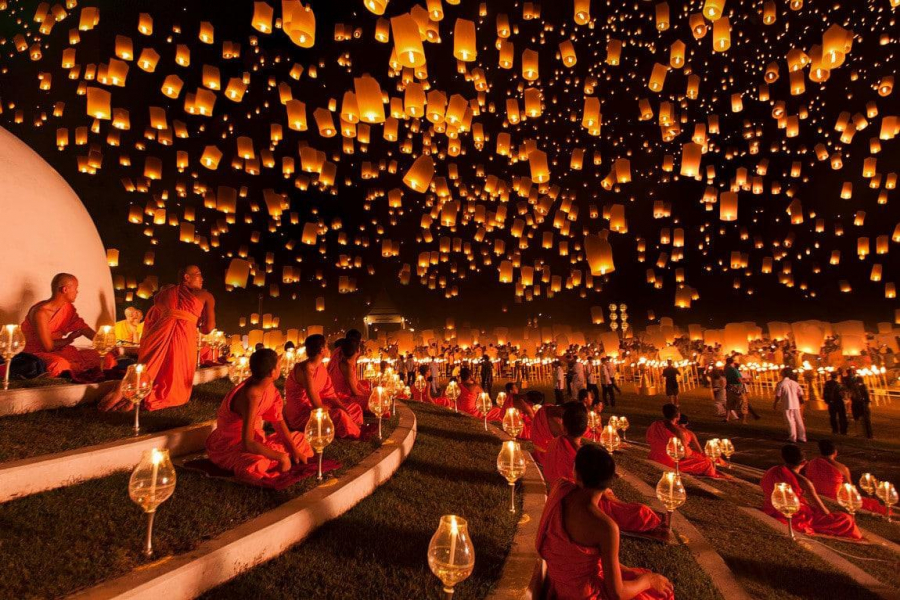
Before the festival, cities are decorated brightly. Trang and Hat Yai are two cities with large Thai-Chinese populations, so the Mid-Autumn Festival is particularly lively there. On the full moon day, Thai people return home to reunite with their families. Especially on the night of the Mid-Autumn Festival, everyone participates in the moon worship ceremony. They gather around an altar dedicated to Avalokiteshvara Bodhisattva and the Eight Immortals to pray for good fortune. Peaches and mooncakes are placed on the altar. According to Thai belief, the Eight Immortals help bring peaches to the moon to wish Avalokiteshvara longevity and to witness everyone's wishes. Thai mooncakes are also shaped like peaches, and people eat pomelos, a round fruit symbolizing fulfillment, togetherness, and sweetness. Afterwards, they release shimmering sky lanterns, hoping for good luck and happiness.