VI
VI


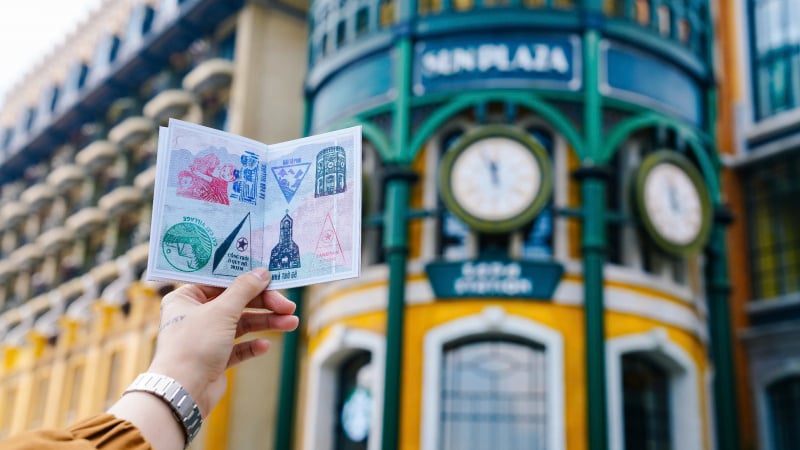
For decades, passport stamps were not just an entry procedure but also a "trophy" of each journey, a keepsake preserving memories of adventures around the world. However, in the digital age, where technology reigns supreme, this traditional ritual is gradually fading into the past. The European Union (EU) has pioneered this revolution, ushering in a new era of biometric and electronic data-based entry, a global shift.

The outstanding benefits of the digital age
From October 12, 2025, the European Union (EU) will officially implement the Entry/Exit System (EES), completely replacing physical passport stamps for travelers from non-EU countries. According to ABC News, this transition will be gradual and is expected to be completed by April 10, 2026. From then on, travelers from countries such as the US, UK, and Canada will scan barcodes instead of receiving stamps. The EES system will capture images of travelers' faces and fingerprints, then store all entry and exit information digitally.

For decades, passport stamping was not just an entry procedure, but also a "mark" preserving travel memories, a memento recalling the journeys of millions of travelers.
This change is not a minor adjustment but part of a broader global trend. Many countries around the world have pioneered the use of digital passports and are gradually phasing out traditional passport stamps. The UK, Singapore, Hong Kong (China), and Argentina stopped stamping passports long ago.


According to ABC News, the European Union (EU) will implement the Entry/Exit System (EES) on October 12th, replacing the stamping of paper passports for non-EU travelers.
Australia even abandoned passport stamps in 2012 in favor of electronic gates (e-gates) with biometric technology, allowing travelers to enter automatically and quickly. In the US, programs like Global Entry and Clear Plus are also expanding the use of biometrics to track traveler movements using facial recognition and fingerprints.
According to experts, the shift from physical stamps to digital systems offers significant advantages in many aspects. First, it enhances security, improves border control efficiency, and standardizes data collection. Electronic passports and biometric systems minimize the risk of document forgery, ensuring national security more effectively.

By April 10, 2026, travelers arriving in Europe from non-EU countries such as the US, UK, or Canada will have their passports scanned instead of stamped.
Secondly, immigration will become faster and more convenient. Instead of long queues waiting for customs officers to stamp passports, travelers will go through more professional and intelligent electronic processes, significantly saving time at border crossings. Gabe Saglie, a travel expert at Travelzoo, told HuffPost that the issue is no longer about nostalgia but about speed, security, and technology. Within the next 10 years, experts predict that most major countries will switch to digital systems, and passport stamps will become a relic of the past.

In fact, many countries have pioneered the use of digital passports, such as the UK, Singapore, Hong Kong (China), and Argentina, which have stopped stamping passports.
Important notes for passengers
Although passport stamps may soon disappear, physical passports remain indispensable documents. Digital systems only supplement the tracking of travelers' entry and exit. To ensure a smooth trip, especially when traveling to Europe from 2026 onwards, travelers should keep a few important things in mind.

"In this new era, biometric and digital systems will be key. Instead of stamps, travelers will go through more professional and intelligent electronic processes," TTW wrote.
First, thoroughly check entry requirements before your trip. Some countries may require permits or online applications. Next, ensure your passport is valid for at least six months from your planned travel date. Finally, utilize online tools to check visa and document requirements for each country. While some smaller or less digitally developed countries may still be using traditional stamps in the future, preparation will help travelers avoid surprises and fully enjoy their trip.