VI
VI


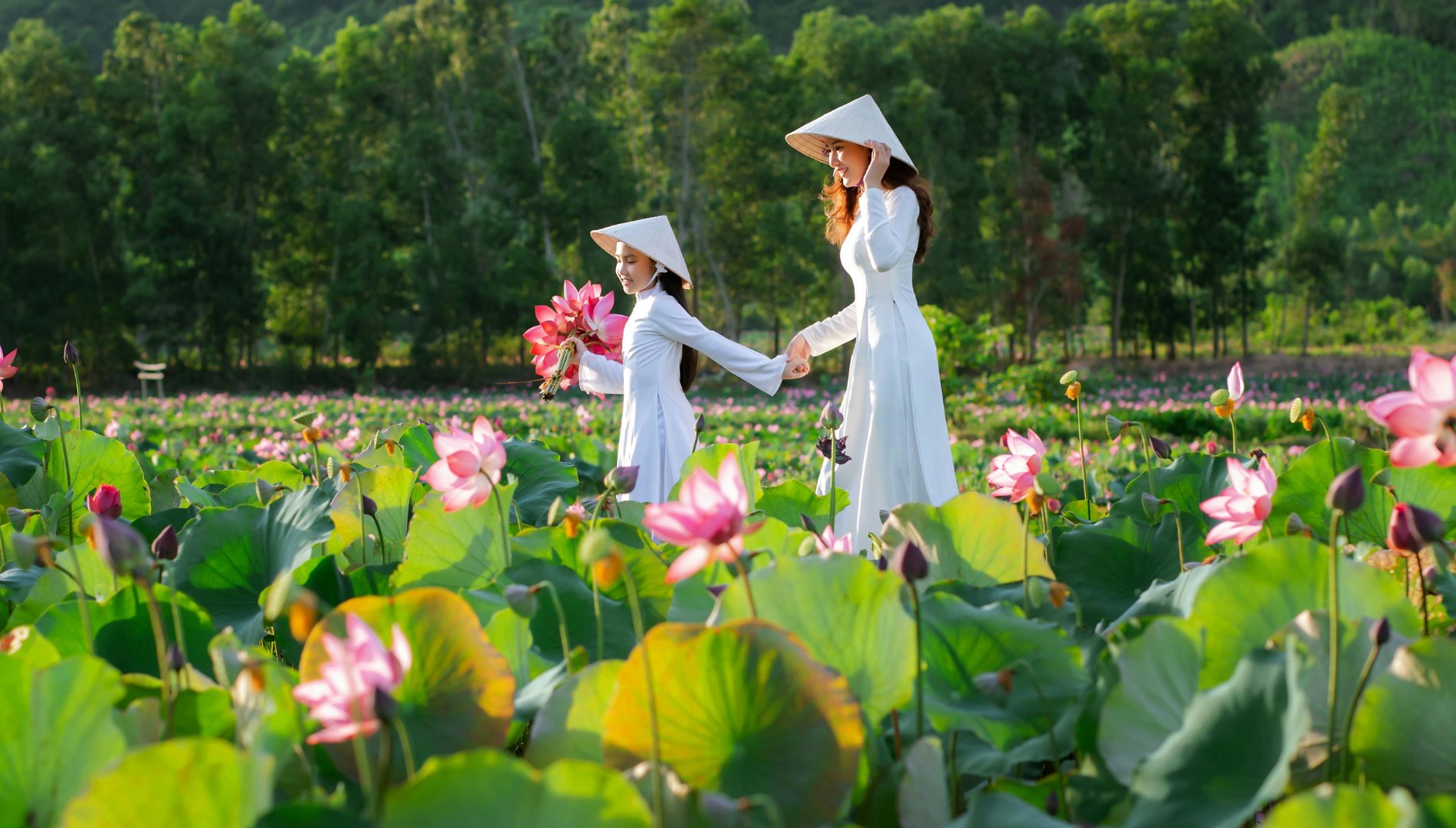
Vietnam is becoming an attractive and captivating destination, one that tourists "never get bored of." This is the positive assessment of the American travel magazine Travel off Path. The magazine not only affirms the allure of this S-shaped country but also delves into analyzing the key factors behind the boom in Vietnam's tourism industry.
It boasts a rich history and culture, reasonable travel costs, diverse and stunning natural landscapes, a diverse culinary scene, and, finally, the warm hospitality of the local people. Thanks to these advantages, Vietnam is experiencing one of the world's fastest tourism growth rates, surpassing many competitors in the region.
The clearest evidence is the impressive growth in international visitor numbers: last year, Vietnam welcomed 17.5 million visitors, an increase of nearly 40% compared to the previous year. And in just the first seven months of this year, that number has reached over 12.2 million, a 22.5% increase compared to the same period last year, placing Vietnam among the countries with the fastest tourism growth rates in the world.
While many regional competitors, such as Thailand, are struggling with declining tourist numbers, Vietnam has maintained its growth momentum, demonstrating significant advantages. Based on observations and analysis, Travel off Path has identified five key reasons for this exceptional appeal.
A treasure trove of rich history and culture.
Vietnam's allure stems not only from its stunning natural landscapes but also from its rich and diverse history and culture. Its long history, the influence of the colonial era, and the scars of war have blended together to create a unique identity, clearly evident in its architecture, cuisine, and daily life.
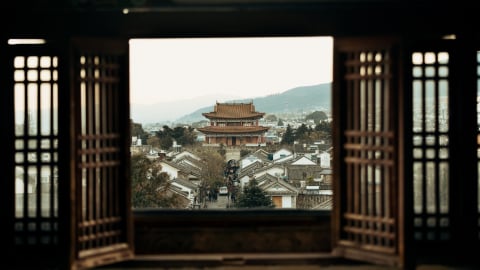
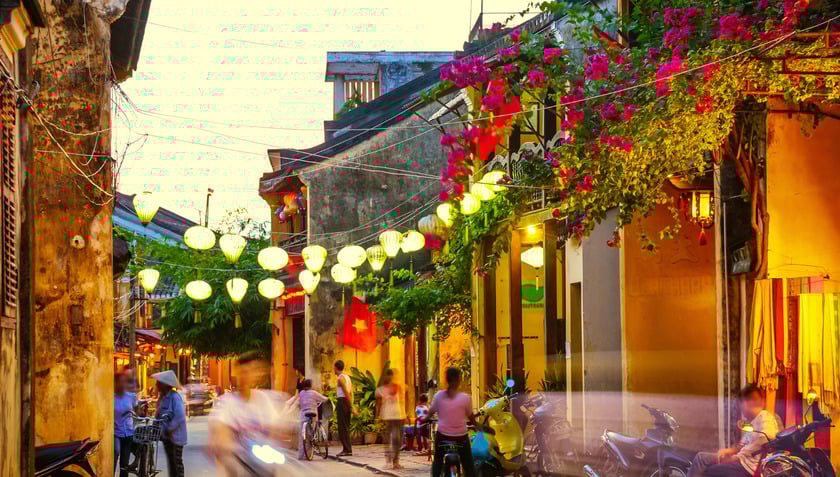
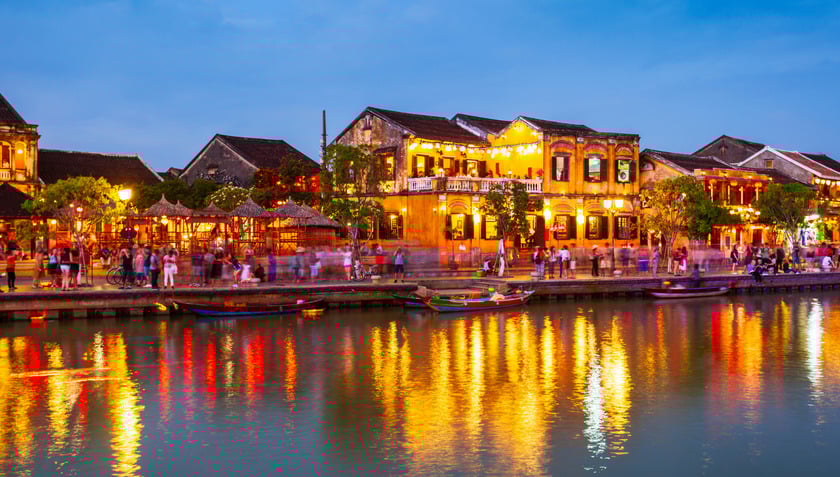
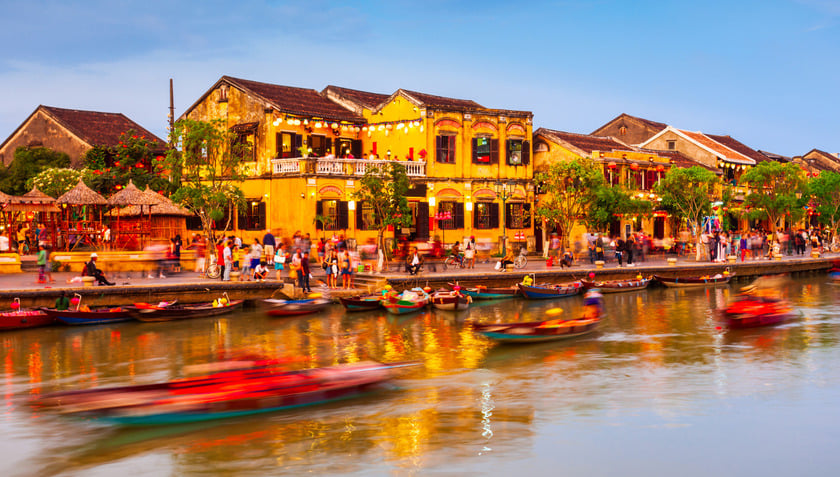
Hoi An Ancient Town, a UNESCO World Heritage Site, is a living testament to this cultural fusion. With its nearly perfectly preserved architecture, Hoi An reflects diverse cultural influences, from traditional Vietnamese and Chinese architecture to Japanese and French styles. It is not just a tourist attraction but a living museum, where visitors can experience the ancient, peaceful rhythm of life.

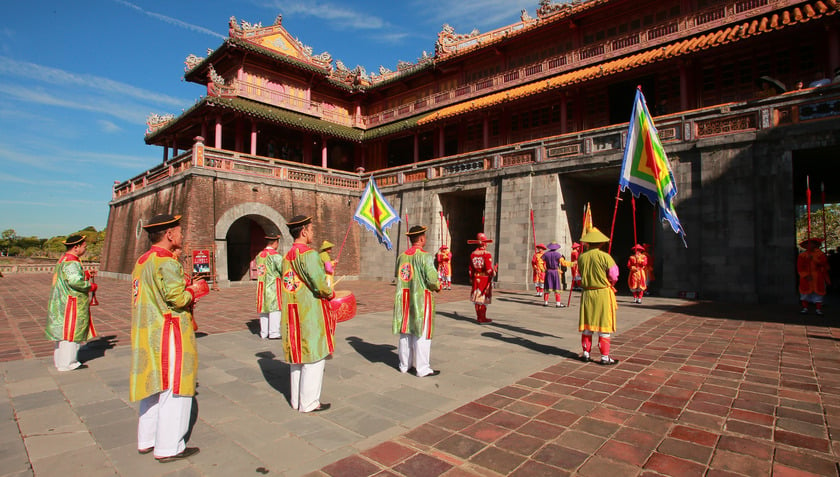
For those who love exploring the history of the feudal dynasties, the Hue Imperial Citadel is a must-see destination. This ancient architectural masterpiece transports visitors back in time to the Nguyen Dynasty, allowing them to admire the splendor of the palaces and learn about the secrets of the royal court. In addition, historical sites associated with war, such as the Cu Chi Tunnels in Ho Chi Minh City or the War Remnants Museum, are also important destinations, helping visitors gain a deeper understanding of a turbulent period in Vietnam's history.
Reasonable travel costs
Vietnam is not only a culturally rich destination but also one of the most affordable travel destinations in Southeast Asia. This is evidenced by comparative cost-of-living figures. For example, the cost of living in Hanoi (excluding rent) is 11.1% lower than in Kuala Lumpur, 16.6% lower than in Manila, 28% lower than in Bangkok, and 69.1% lower than in Singapore (figures from the end of 2024).
In particular, for "digital nomads," Vietnam's relaxed tourist visa policy and affordable housing costs create an ideal environment for them to work and explore simultaneously. When housing costs are factored in, the difference in consumer prices between Vietnam and other countries becomes even more apparent, making Vietnam an economical yet high-quality choice.
Perfect and diverse natural landscapes
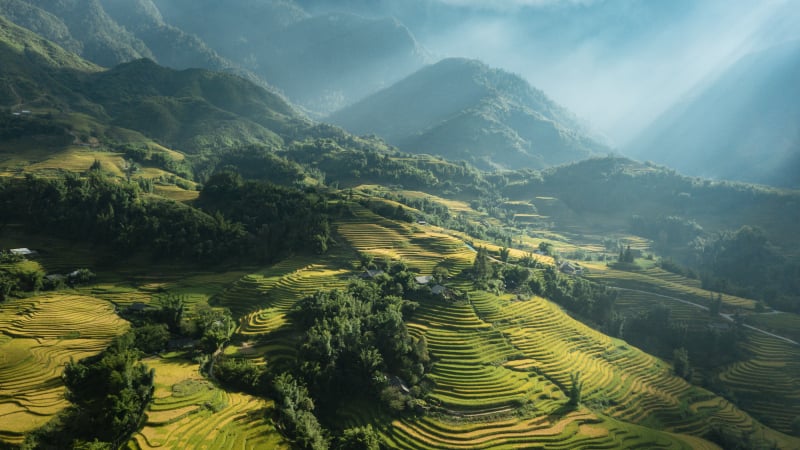
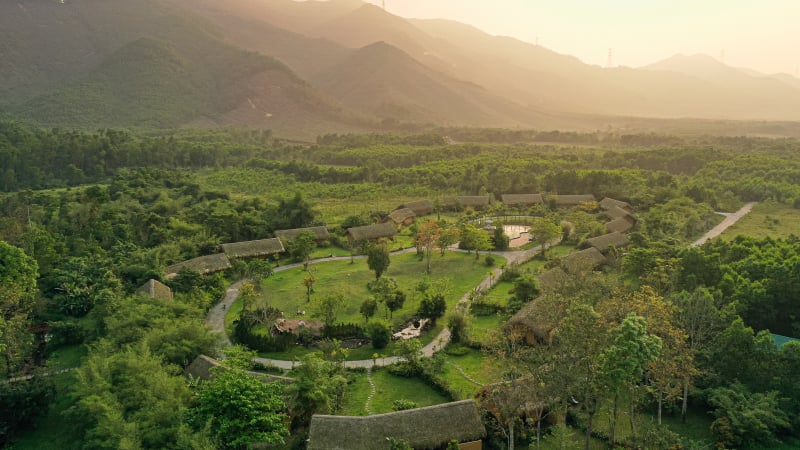
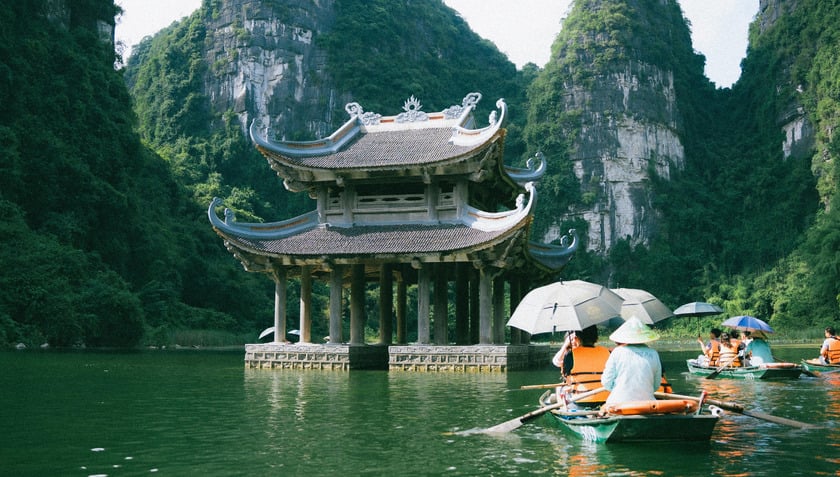
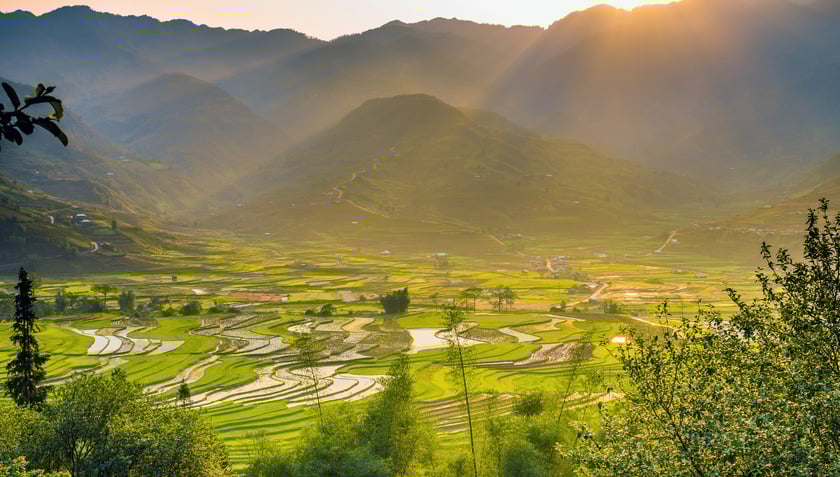
Despite the reasonable travel costs, Vietnam's natural landscapes are in no way inferior to any other country in the world, and are even considered breathtaking. From the towering limestone mountains of Ha Long Bay, a World Heritage site, to the terraced rice fields of Sa Pa, the beauty of Vietnam's nature is truly unparalleled.
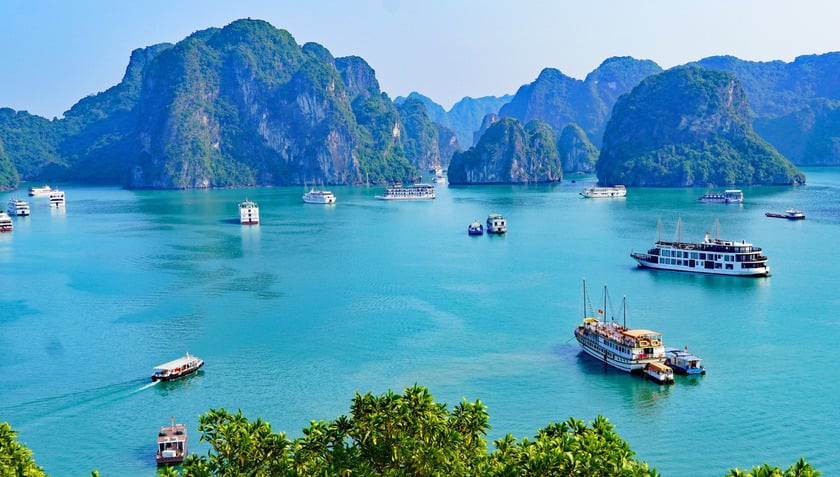
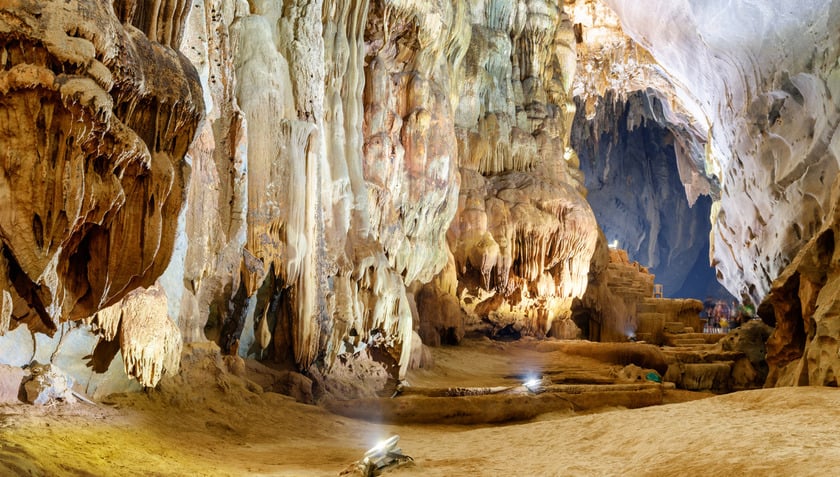
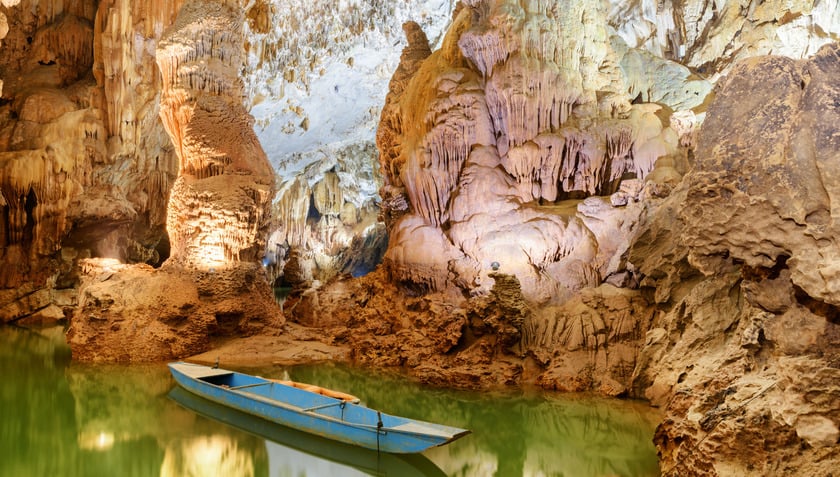
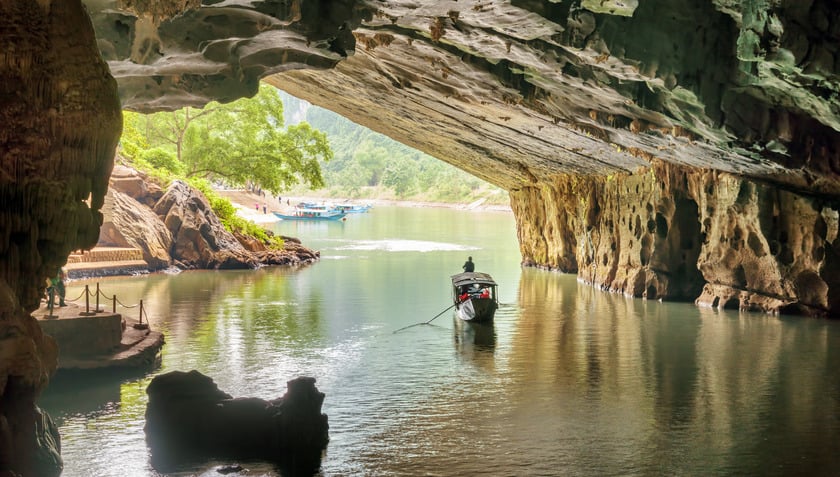
Adventurous souls will be drawn to the pristine and majestic beauty of Phong Nha-Ke Bang National Park, the lush greenery of the Mekong Delta, and the spectacular beauty of Ban Gioc Waterfall. These destinations not only exude a magical beauty but also offer countless opportunities for thrilling adventure activities. Visitors can trek through the Northwest mountains, cruise along the Mekong River, or go scuba diving to explore the colorful coral reefs off the coast of Phu Quoc Island.
A culinary paradise with diverse flavors.
One of the most unique aspects of Vietnamese culture, comparable to its breathtaking scenery, is its cuisine. Vietnamese food is likened to a feast for the senses, with a harmonious blend of rich flavors, fresh ingredients, and a perfect balance of sweet, sour, spicy, and salty tastes.
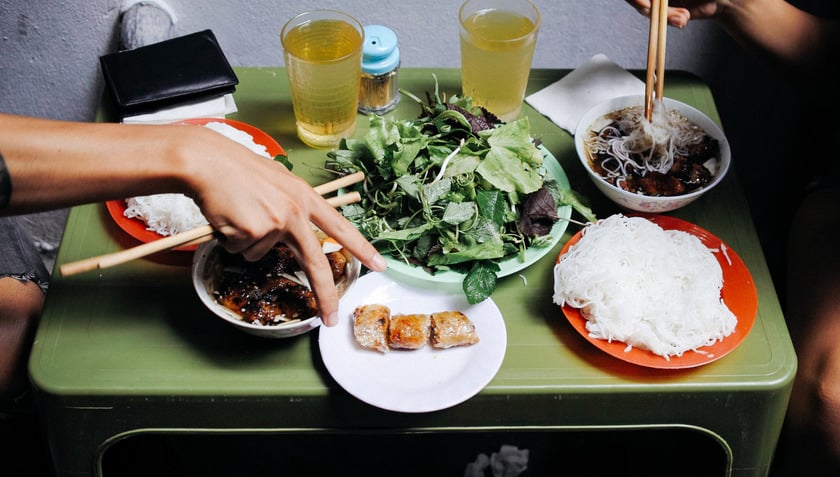
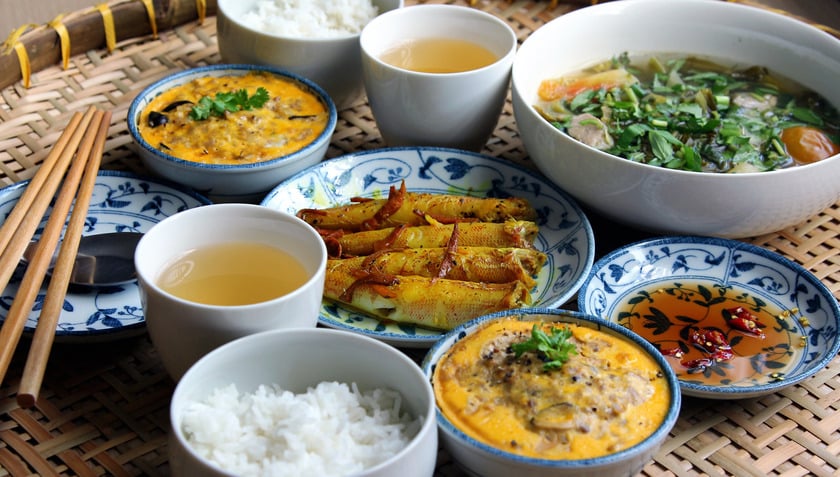
Traditional dishes like pho and banh mi have gained global fame, but Vietnam also boasts countless other lesser-known yet equally captivating dishes such as bun cha, bun bo Hue, or cao lau in Hoi An. Each dish tells a story, a unique flavor characteristic of its region, offering discerning food lovers unforgettable culinary experiences.
The hospitality and warmth of the people.
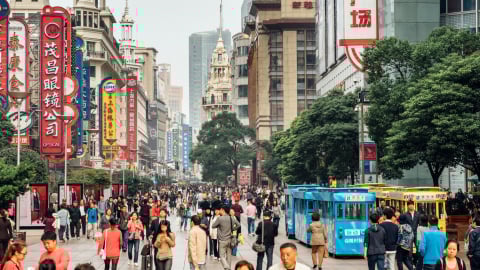
Ultimately, while all the above factors attract tourists to Vietnam, what truly makes the difference and makes them want to return again and again is the warmth and incredible hospitality of the local people. From the bustling streets of Hanoi to the tranquil beaches of Da Nang, visitors are always easily greeted with genuine smiles and a willingness to help.
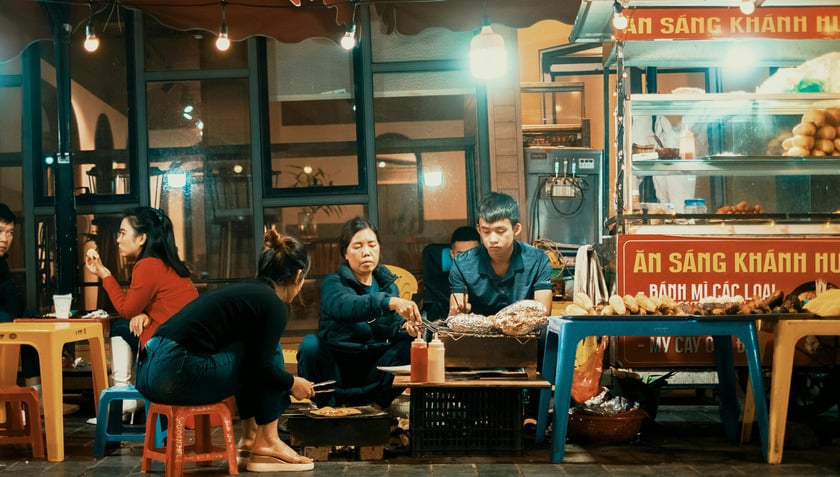
The friendliness and openness of the Vietnamese people not only make tourists feel safe and welcomed but also create memorable personal experiences. It is this warmth that transforms a simple tourist trip into a cultural journey, leaving a lasting impression and making visitors want to return to explore further, even after they've left.