VI
VI


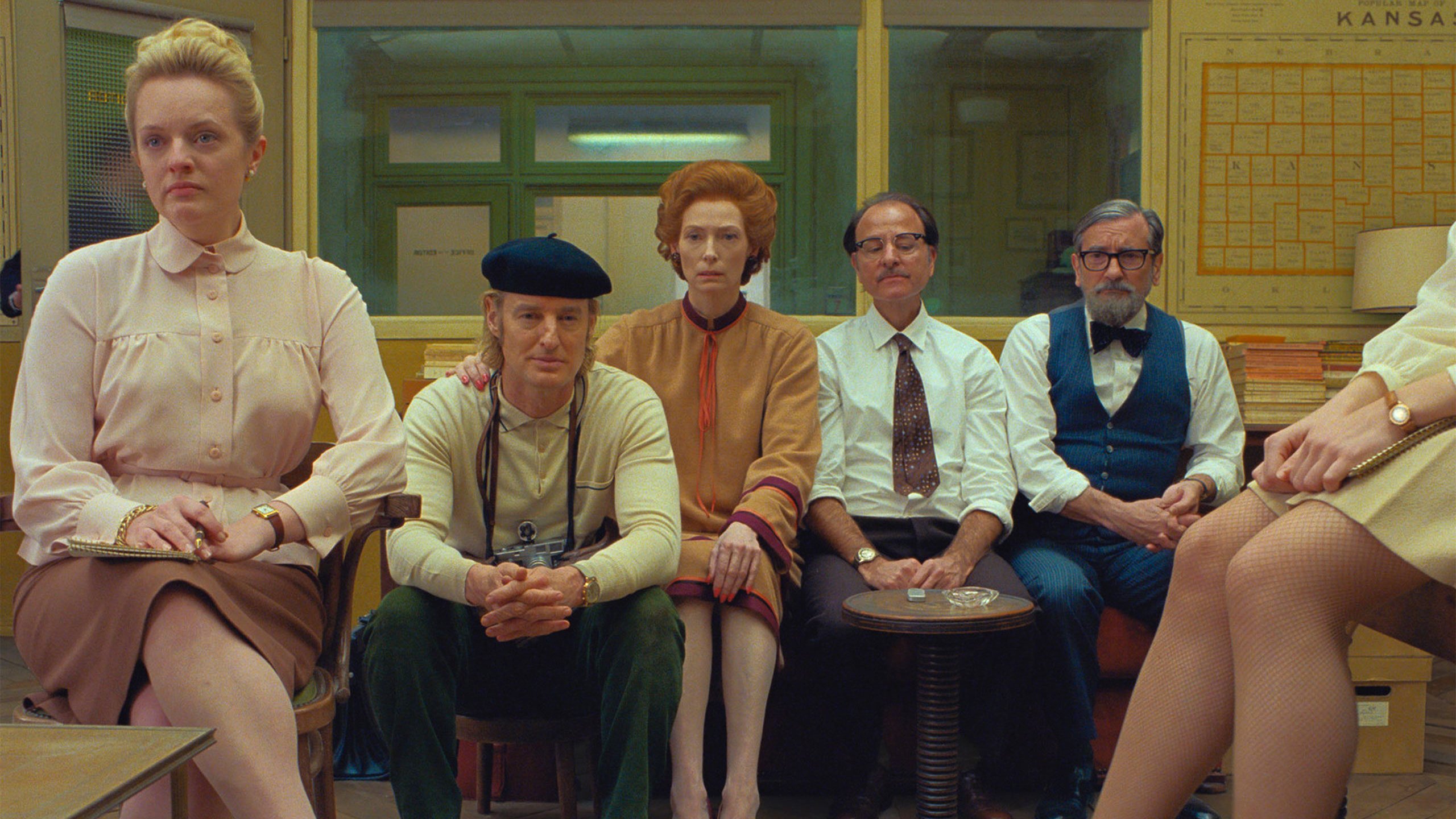
In mid-September, director Wes Anderson released 12 posters, each representing one of the 12 main characters in his newly released film, The French Dispatch. Although they are just pictures, from the main poster to the character posters, they all share a distinctly "Wes Anderson" style: symmetrical framing, striking perspectives, nostalgic colors, and meticulously chosen models, details, and accessories… They resemble a collection of 20th-century postcards – a single glance is enough to know for sure that Wes Anderson was involved.
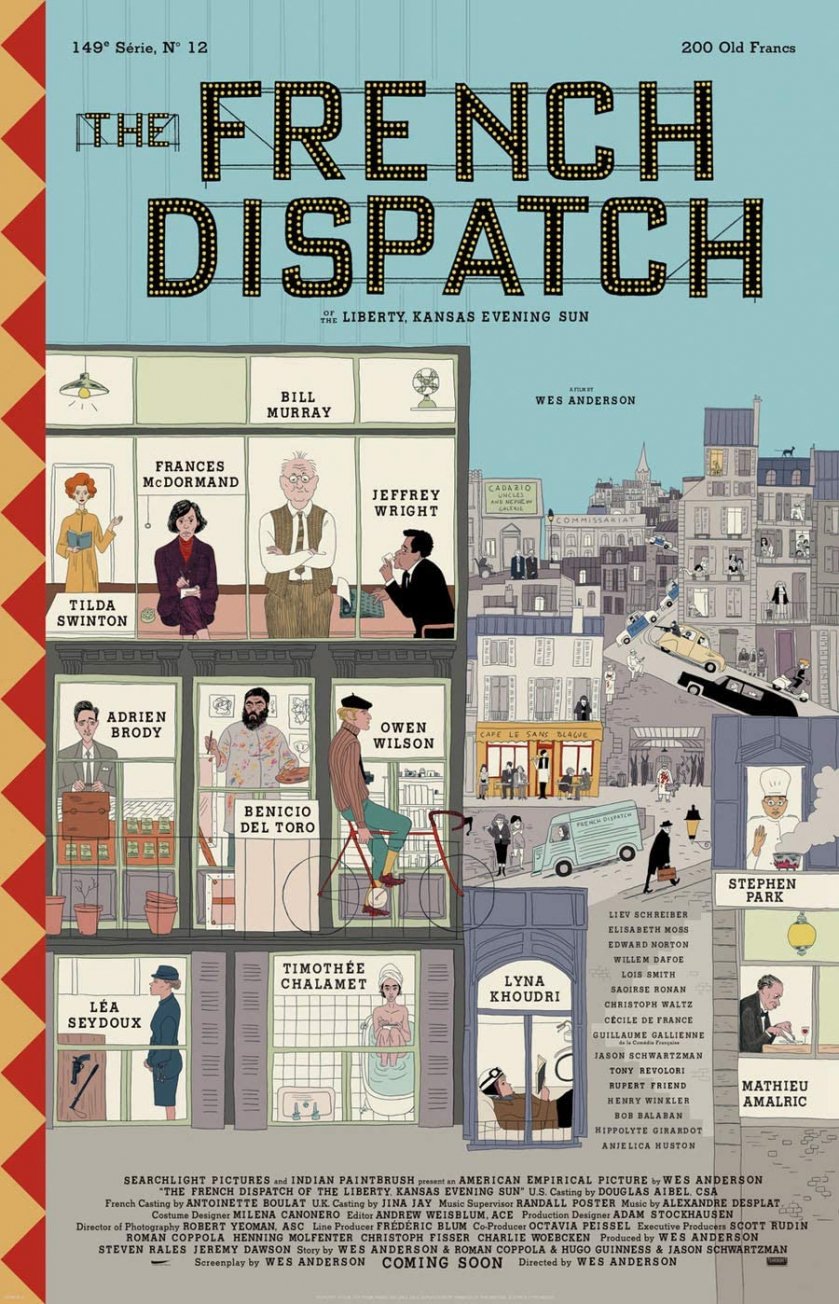
In an interview with the French magazine Charente Libre, Wes Anderson said: “The story of The French Dispatch is not easy to explain. It’s about an American journalist living in France who starts his own magazine. The film is a portrait of this man – a journalist struggling to write what he wants to write. But this isn’t a film about freedom of the press, though; when we talk about reporters, we’re also talking about what’s happening in real life.”
In fact, Wes Anderson is an avid reader of The New Yorker, an American magazine known for its feature articles, reviews, essays, satire, cartoons, and poetry. Since childhood, the director has amassed a huge collection of publications from The New Yorker. The French Dispatch is believed to have been inspired by this famous newspaper.
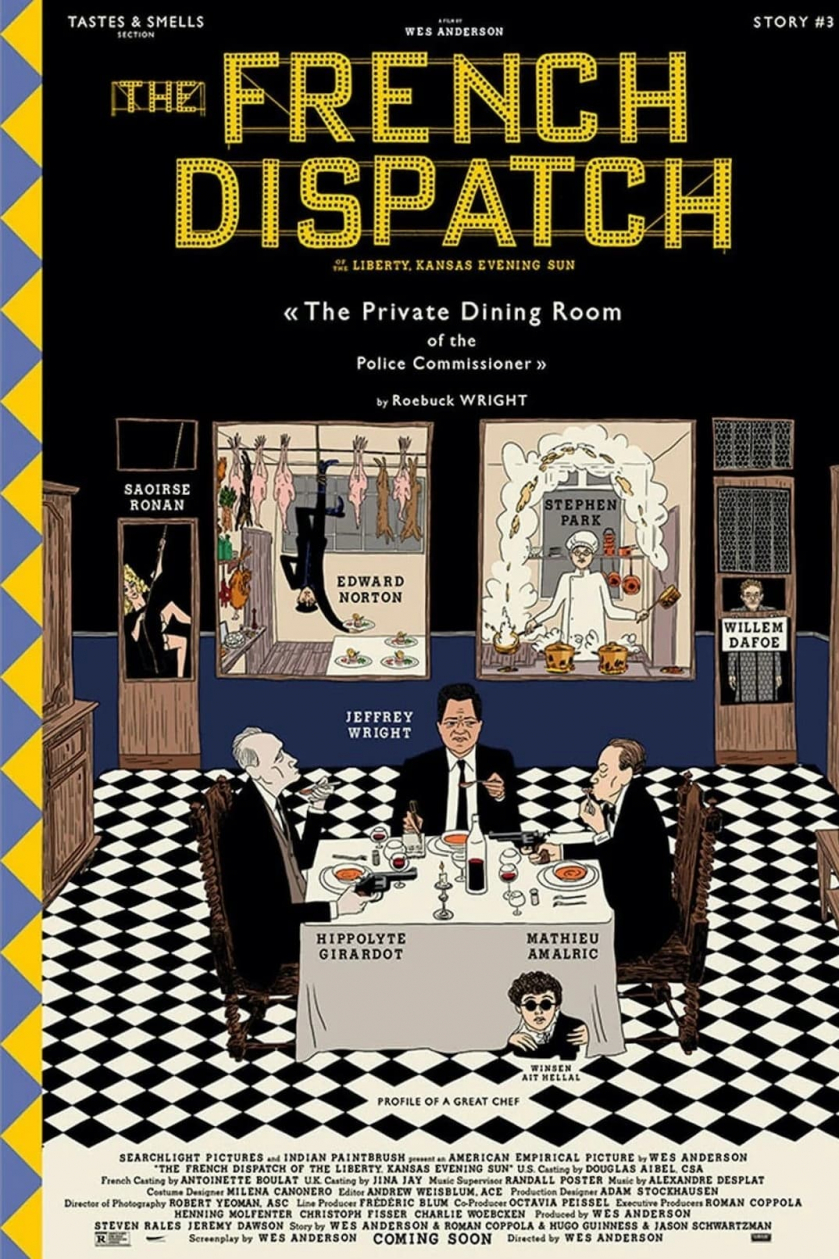
The French Dispatch was described as “a love letter to journalists.” Wes Anderson traveled across France searching for a suitable setting, and ultimately chose Angoulême to be Ennui-sur-Blasé, a fictional 20th-century French city in the film.

The film recounts three stories, rewritten by reporters from the fictional magazine The French Dispatch. These three stories are: an artist sentenced to life imprisonment for double murder, two revolutionary teenagers involved in a student riot, and a kidnapping solved by a chef.
The French Dispatch was originally scheduled for release in the summer of 2020. However, due to the impact of the pandemic, the film premiered at the Cannes Film Festival in July 2021 and was officially released to the public by Searchlight Pictures on October 22nd.
The film boasts a star-studded cast, from Oscar winners Frances McDormand, Tilda Swinton, Benicio Del Toro, and Adrien Brody; to a host of veteran actors who have previously collaborated with Wes Anderson: Bill Murray, Saoirse Ronan, Tilda Swinton, Benicio Del Toro, and Frances McDormand; along with new and beloved actors such as Timothée Chalamet, Jeffrey Wright, Lyna Khoudri, and Stephen Park.
Prior to the premiere, Wes Anderson delighted fans with glimpses of the city of Ennui-sur-Blasé and the characters who would appear there. The 12 cast posters released were 12 "love letters" to the audience; they were more than just introductions to the film's faces. Each poster was linked to specific details related to that character – even if we didn't yet know what they truly meant.
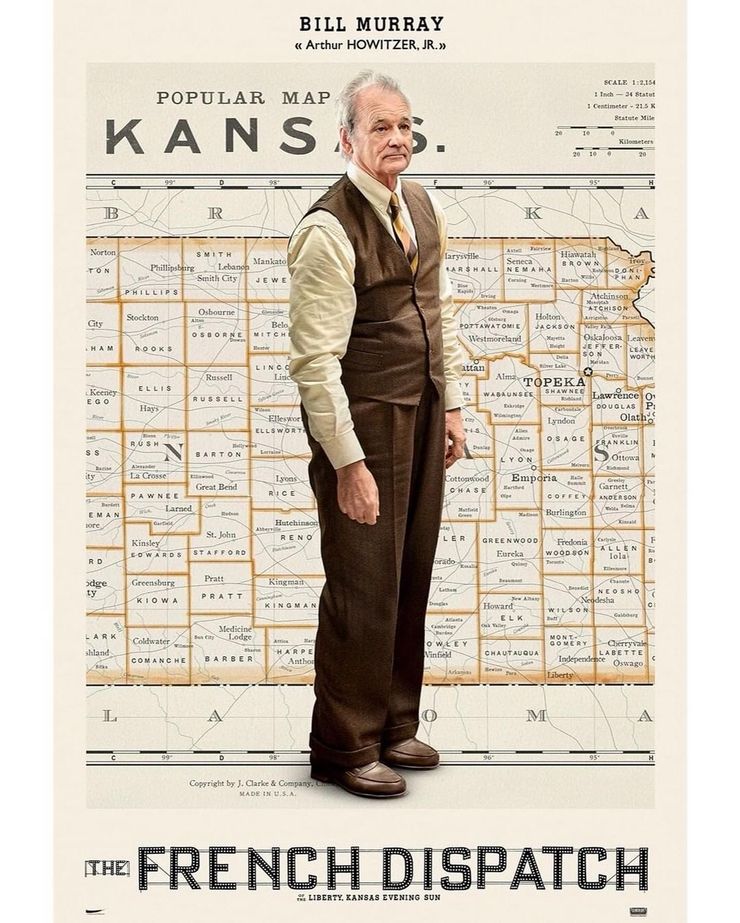
Bill Murray plays Arthur Howitzer Jr., a character inspired by Harold Ross, the founding editor of The New Yorker.
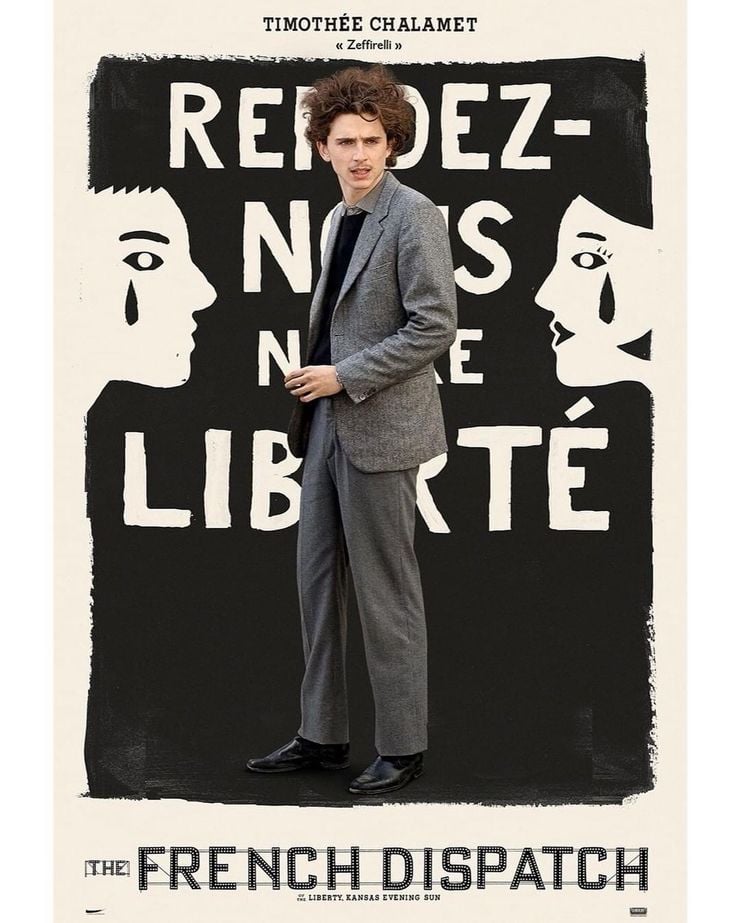
Timothée Chalamet plays a revolutionary student, and his poster closely resembles the political posters used by the French Revolutionary Student Movement in real life in May 1968.
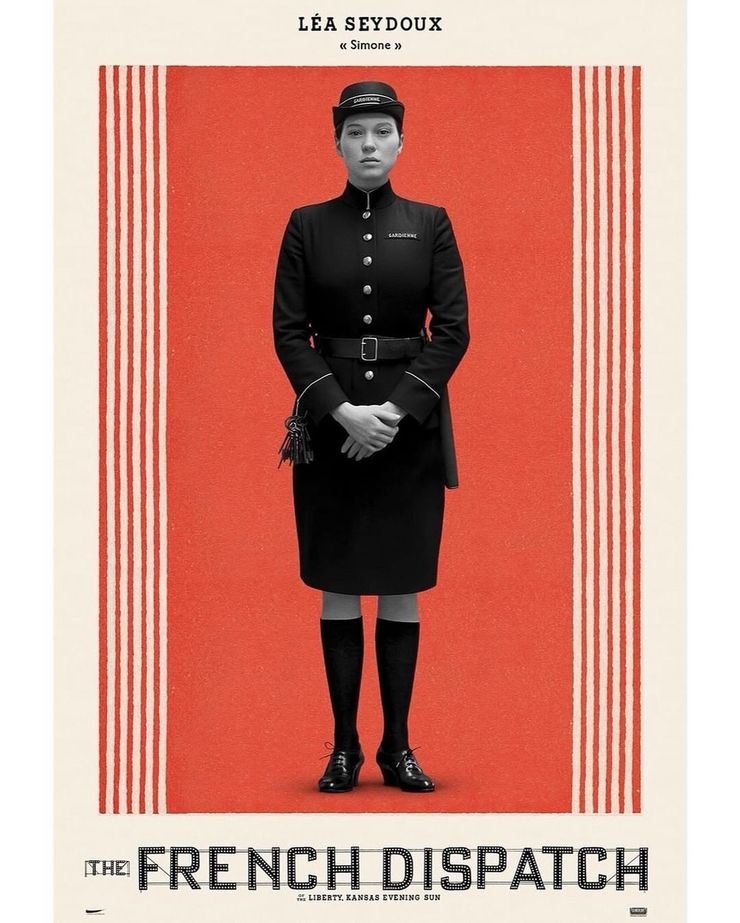
Lea Seydoux's stern prison guard role, and the vertical lines on either side symbolize the prison where she works.
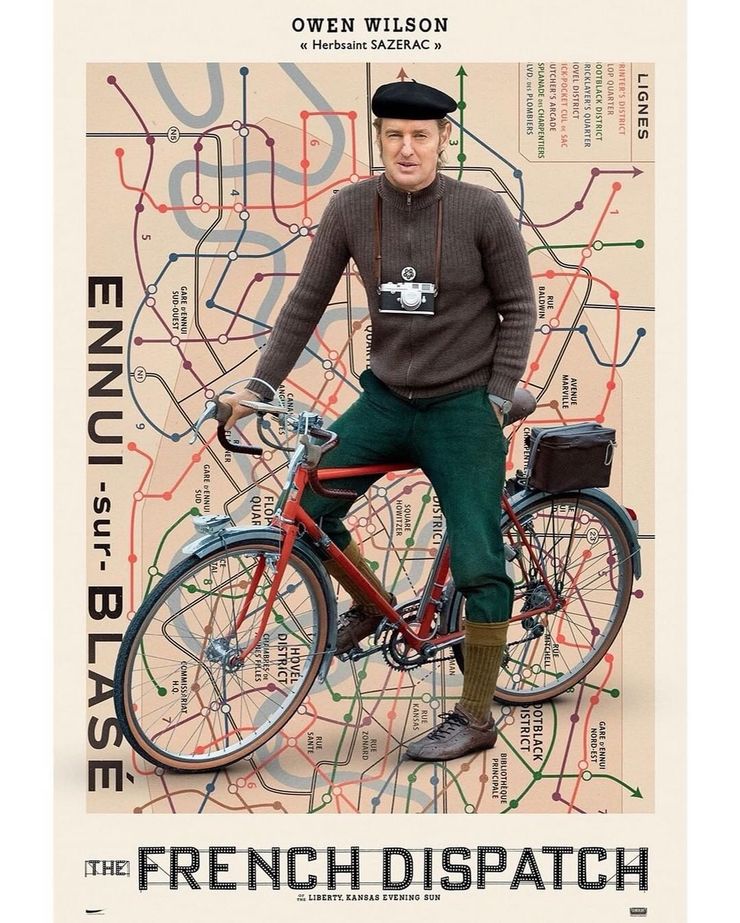
Owen Wilson is a cyclist and journalist working for Herbsaint Sazerac; behind him is a map of Ennui-sur-Blasé with the cycling route colored in.
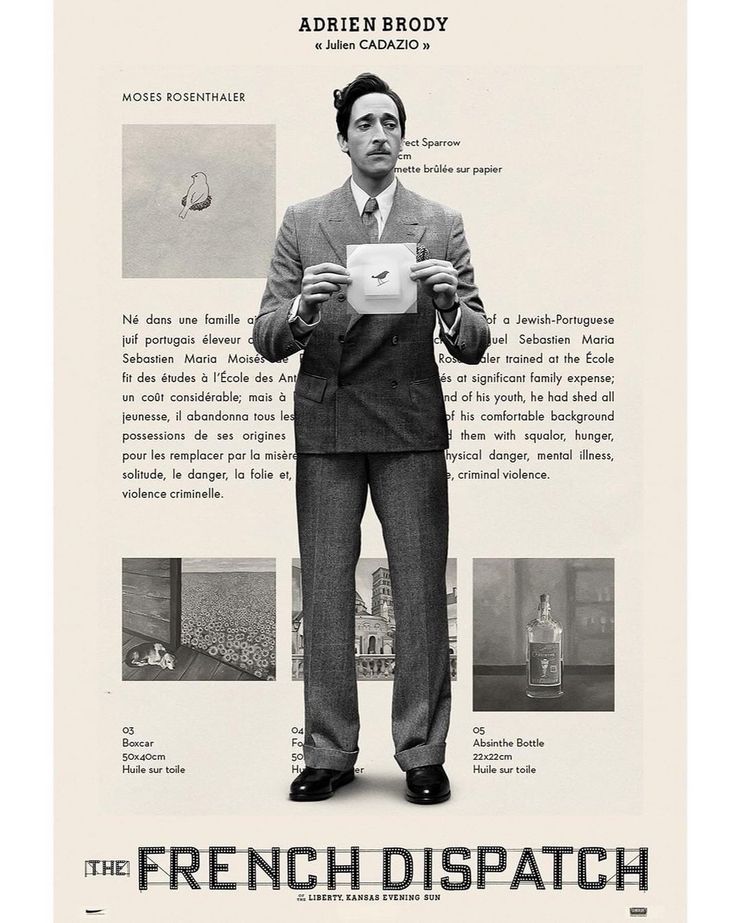
Andrien Brody plays Julien Cadazio, an art dealer modeled after the real-life figure Lord Duveen, who was the subject of a six-part series by SN Behrman (a reporter for The New Yorker magazine).
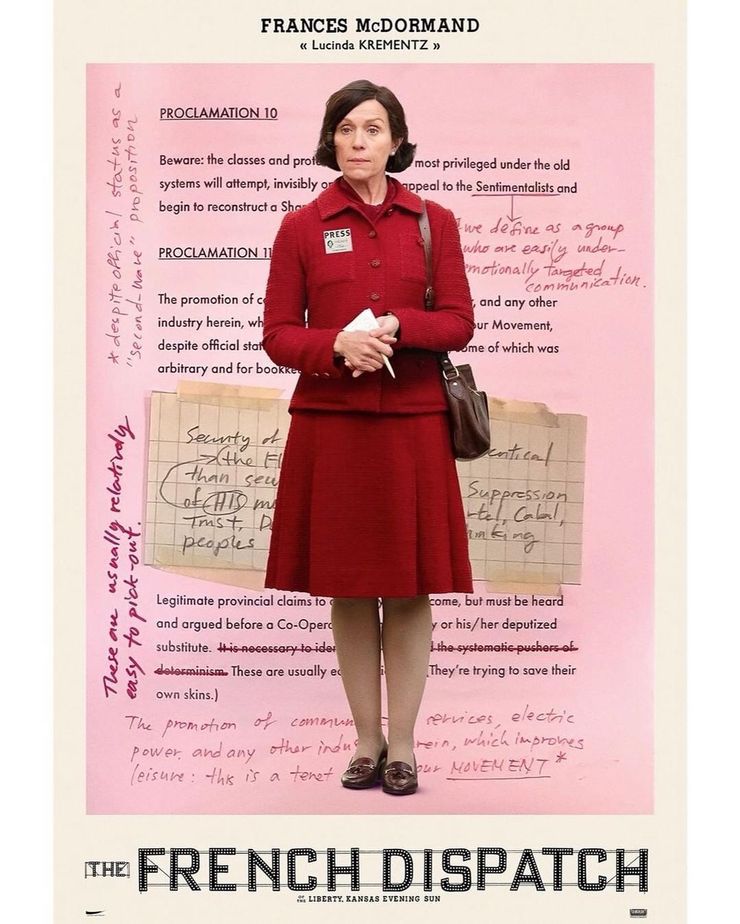
Frances McDomand plays Lucinda Krementz, a reporter involved in writing about the violent student protests that rocked France.
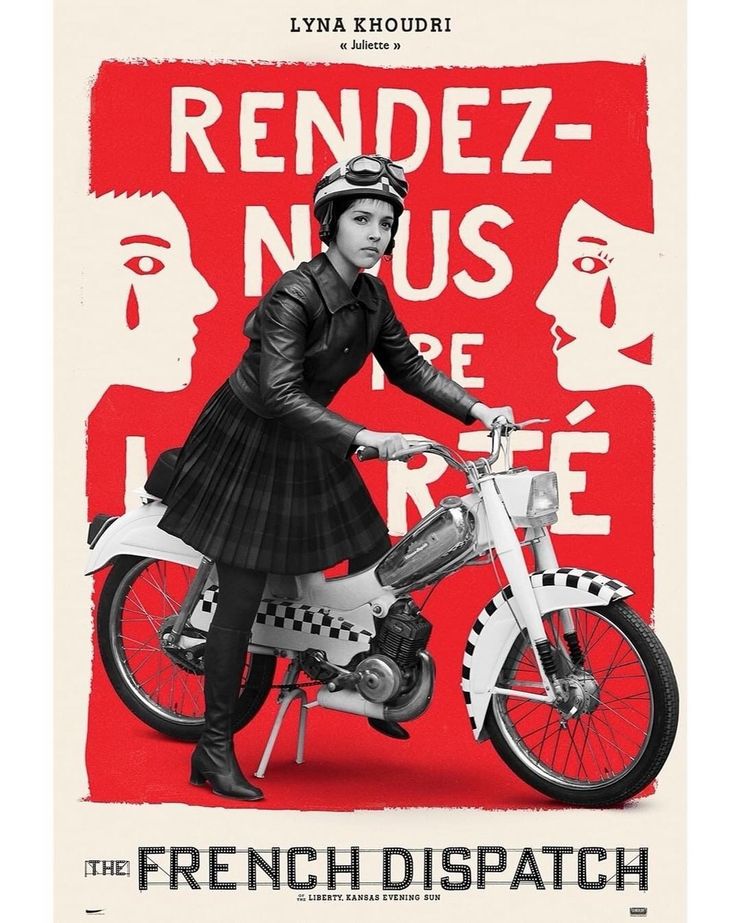
Lyna Khoudri as Juliette
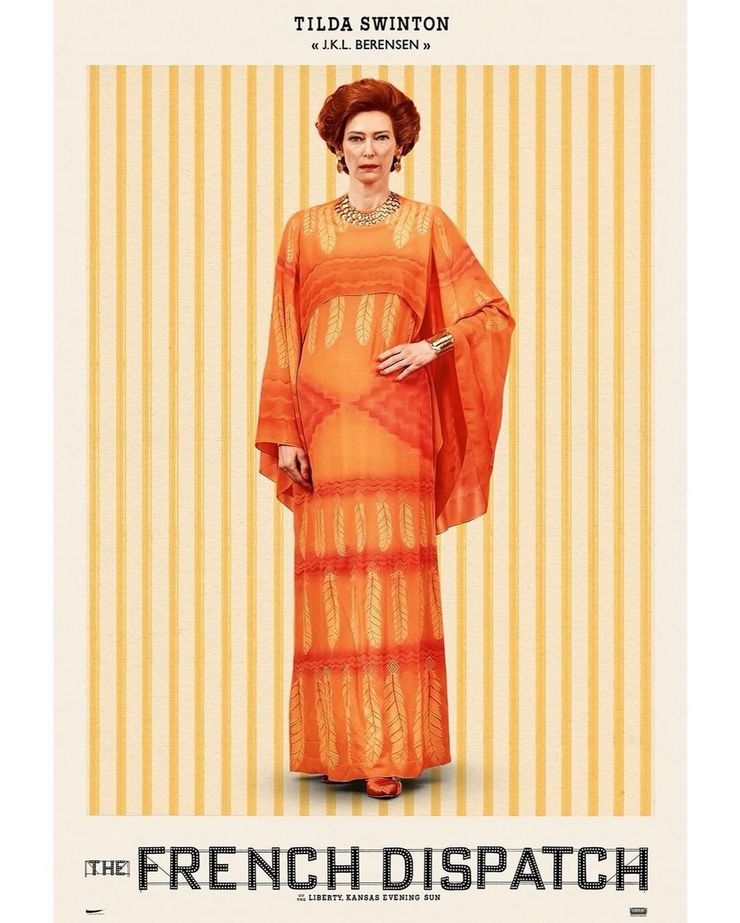
Tilda Swinton as JKL Bereseon
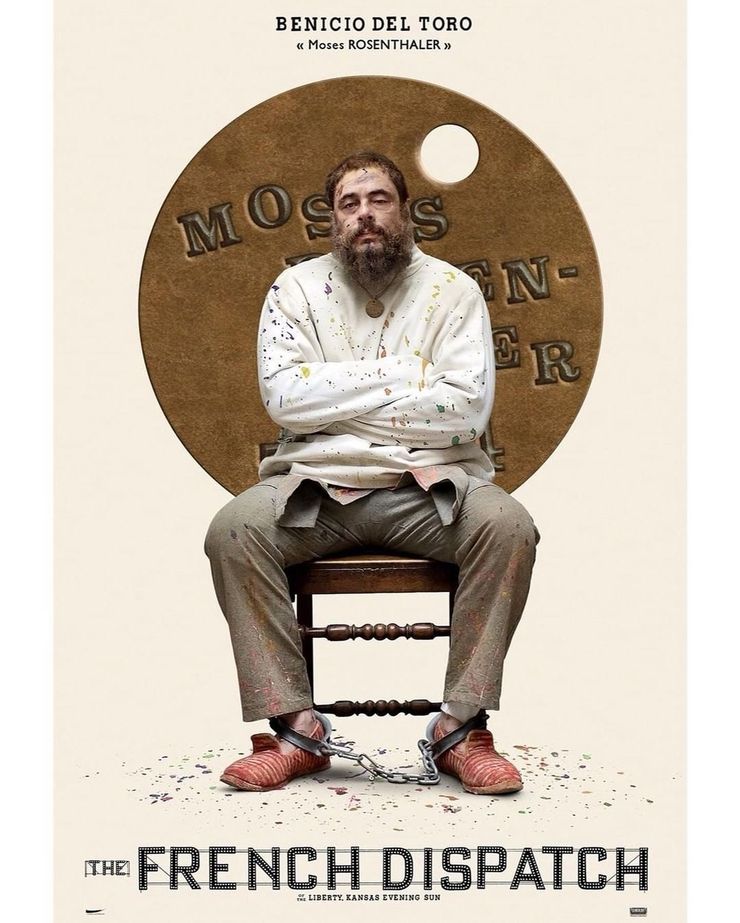
Benicio Del Toro as Moses Rosenthaler
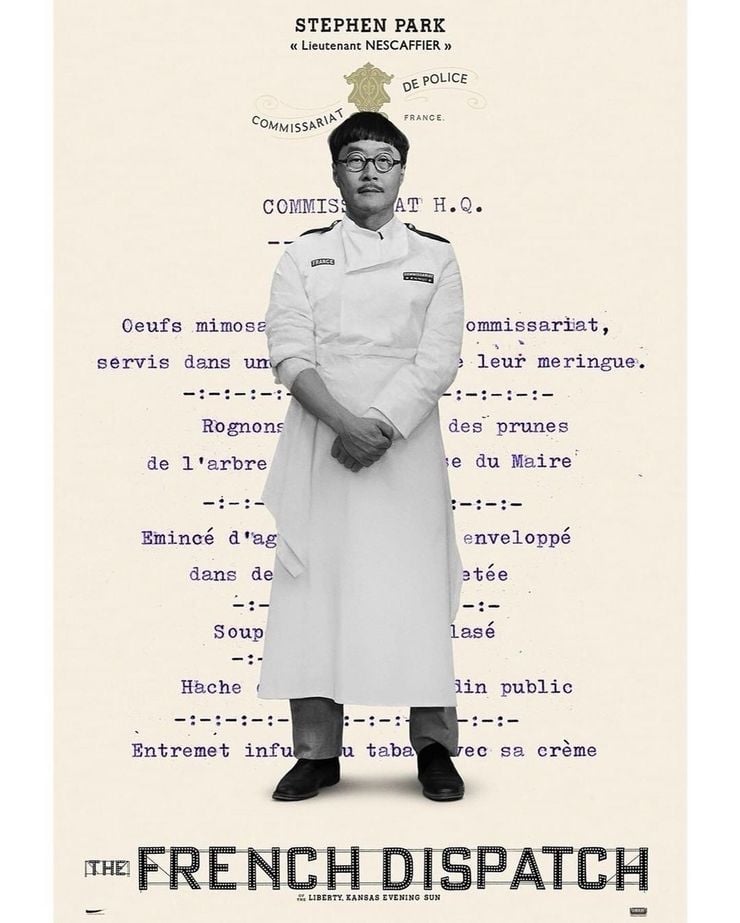
Stephen Park as Lieutenant Nescaffier
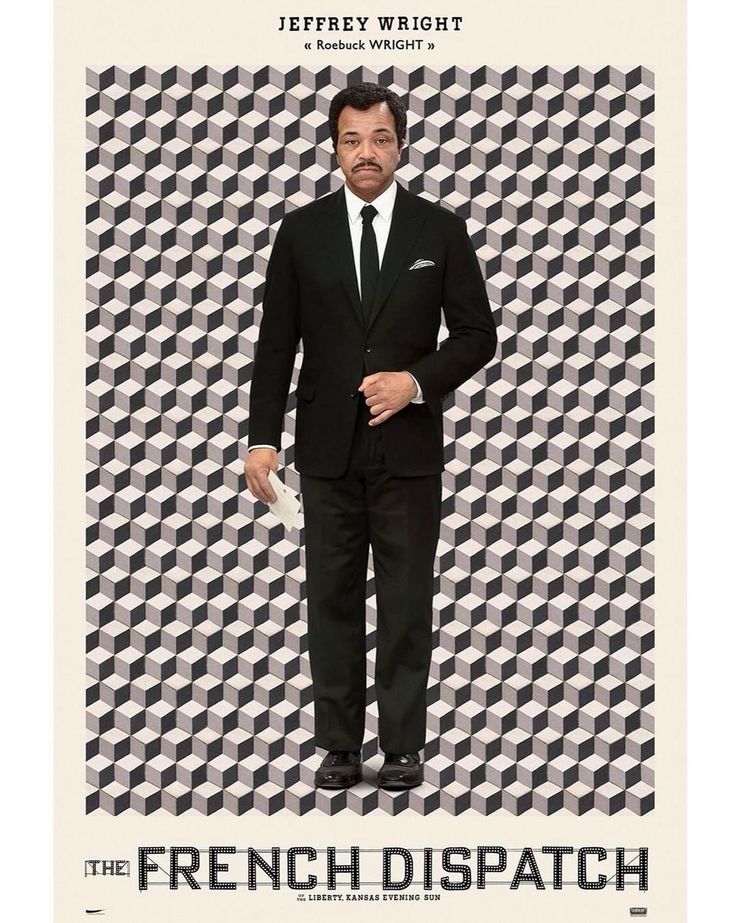
Jefrey Wright as Roebuck Wright
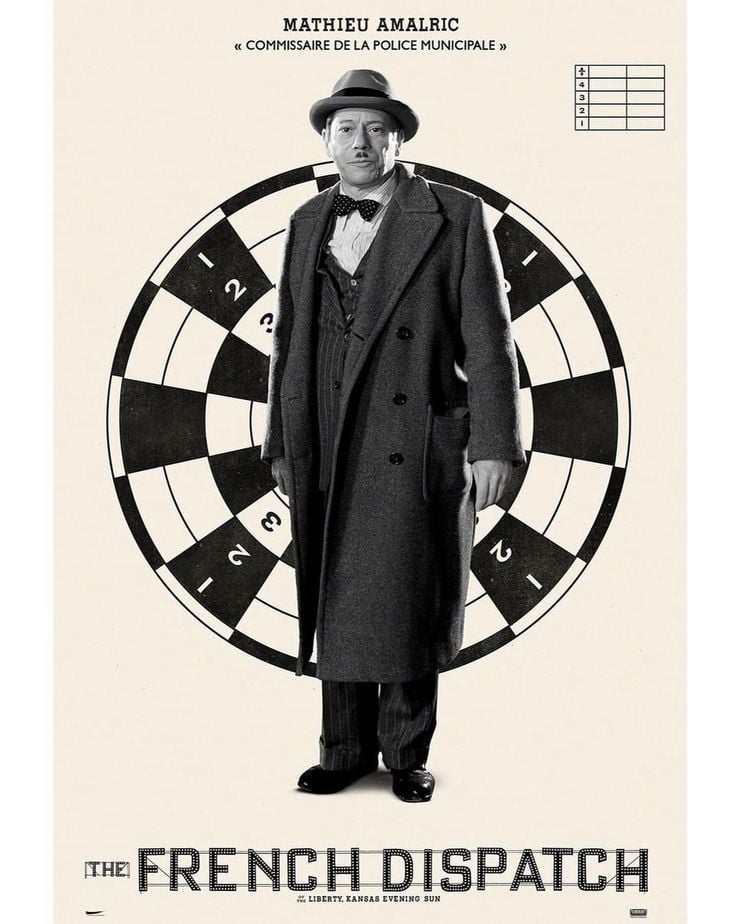
Mathieu Amalric as a French police officer
We could call these 12 posters promotional materials, a list of nominees for a film award, or a masterpiece of art—as it truly is.