VI
VI


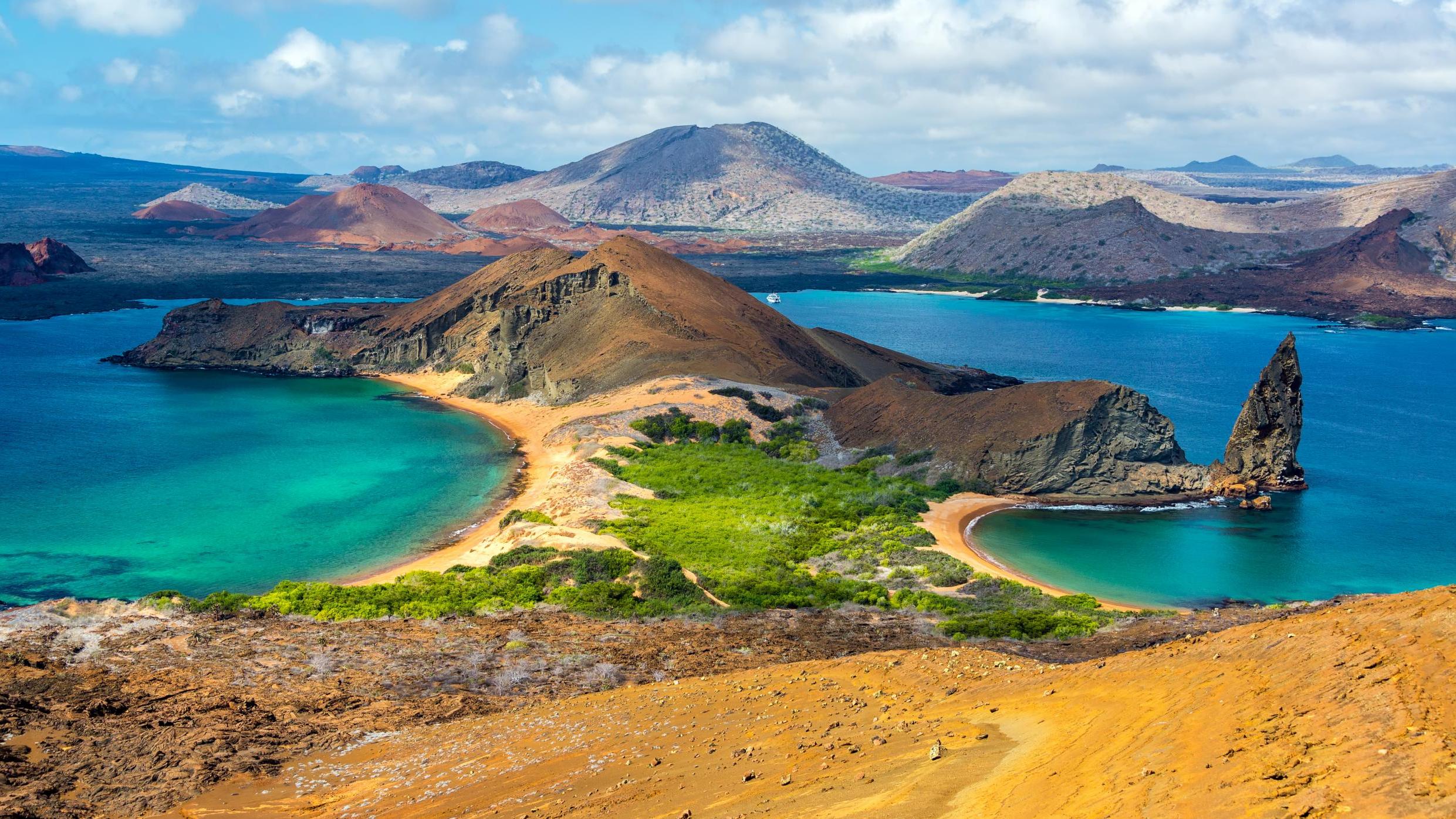
Ecuador is the perfect destination for adventure seekers. With the Amazon rainforest, the Galápagos Islands, and the Andes Mountains, not to mention the architectural wonders of the city, you'll have countless opportunities to explore the beauty of nature when you visit this South American country. And before embarking on that amazing journey, you should keep these 7 things in mind for a safer experience.
1. Blend in with the locals.
In Ecuador, pickpocketing and snatching of bags and phones from tourists are common. Their targets are tourists carrying large backpacks, bulky cameras, and flashy smartphones. The best way to avoid this risk is to blend in with the locals to avoid attracting unwanted attention. Try not to use your smartphone too conspicuously in public, and keep valuables like jewelry, electronics, and cash in the safest places possible.
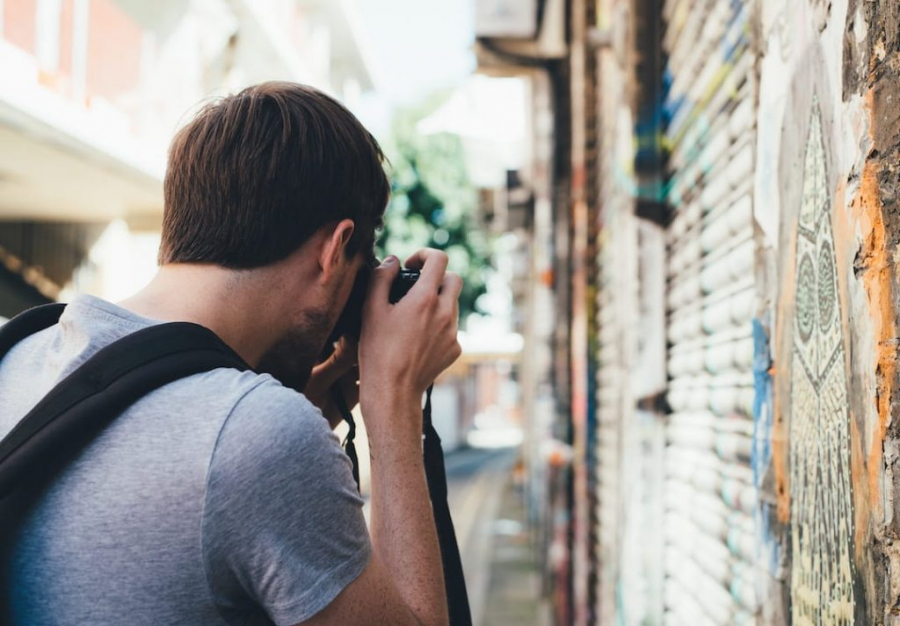
Remember to keep an eye on your electronic devices and valuables.
Always keep your personal belongings close to you, and if you're sitting in a restaurant or on public transport, always hold your bag or backpack close to your chest. Thieves may pretend to knock something over or cause a commotion to distract you while they rummage through your belongings, so be vigilant. And remember, if you do encounter a mugger, it's best to give them what they ask for rather than risk your safety. Becoming a victim of theft will obviously ruin a great trip, but knowing how to deal with it beforehand can make a difference.
2. Avoid "suspicious" areas.
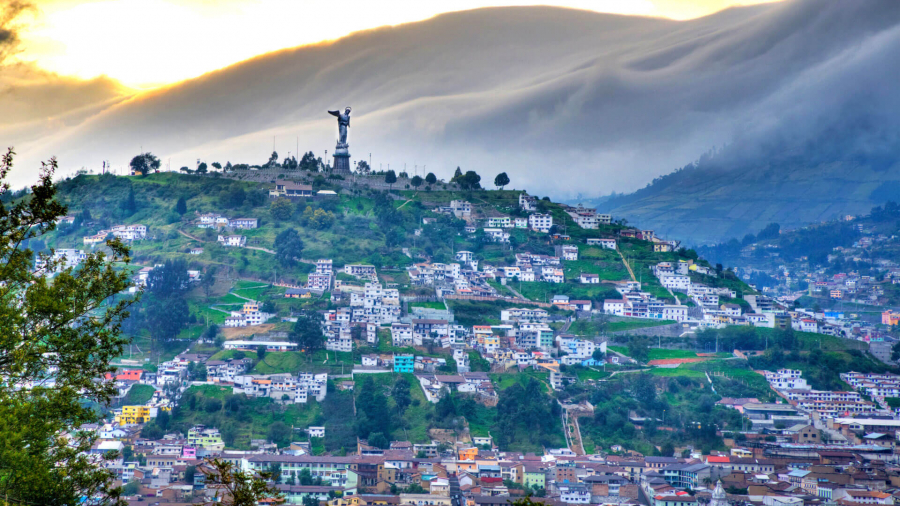
Ecuador is a small country, so traveling around the entire country isn't too difficult. However, travel is restricted in the area around the Colombia-Ecuador border due to the dangers posed by organized crime. In larger cities like Quito and Guayaquil, try to avoid areas known for being dangerous (such as the hiking trail to El Panecillo in Quito). If you want to admire the stunning views of Quito from the hilltop where the giant statue of the Virgin Mary is located, it's best not to walk and instead take a taxi.

3. Stay safe while traveling on the streets.
When walking on the streets of Ecuador, choose well-lit, busy streets instead of dark, deserted alleys. And as in many places, not just Ecuador, walking alone after dark is strongly discouraged. While solo travel is generally quite safe, traveling in a group in an unfamiliar area is always much safer. Taxis are the most practical option if you need to get around after dark. However, choosing a reputable and reliable taxi company is equally important. Ask your hotel for information on trustworthy taxi companies, and only take registered taxis if you have to hail one yourself. Registered taxis are identified by their orange license plates on the front and back, as well as a large registration number on the side. They are also equipped with security cameras and an emergency stop button near the passenger seat.


Always choose registered taxis.
While public transport is an ideal way to save money and explore the city you're visiting, it's not necessarily the safest or most reliable option due to the risk of pickpocketing and unreliable schedules. Ride-sharing apps are also a great option, with apps like Cabify and Uber being extremely popular in major cities.
4. Food and drinks
Ecuadorian food is delicious and irresistible, but you should also protect yourself by cooking your food thoroughly. When eating dishes like fresh ceviche or traditional dishes like cuy (guinea pig), make sure the food is thoroughly cooked, and avoid consuming street food that has been left out in the open for too long. Tap water in Ecuador isn't really safe to drink directly, so opt for bottled water. And, when you're out at night, always pay attention to your drinks to avoid the risk of them being adulterated.
Never accept food, drinks, or other substances from strangers because you could be in danger of being drugged, or worse, you could be tricked into holding drugs, and once you possess them, you will face imprisonment in Ecuador.

Always be mindful of your drinks and absolutely do not accept food, drinks, or other substances from strangers.
5. Prepare for the unexpected.
Geographically, Ecuador is precariously situated along the Pacific Ring of Fire (an area of intense seismic activity), meaning volcanic eruptions, earthquakes, and tsunamis are highly likely. The weather in Ecuador can also be erratic and unpredictable, so whether you plan to visit the Amazon or explore Cotopaxi, it's advisable to prepare for any extreme weather conditions you might encounter.
If you plan on conquering one of the country's many mountains or volcanoes, equip yourself with a map that you can access offline and let people know where you're going and when you plan to return. And if you're hesitant to explore Ecuador's remote corners on your own, consider joining a group tour with an experienced guide.
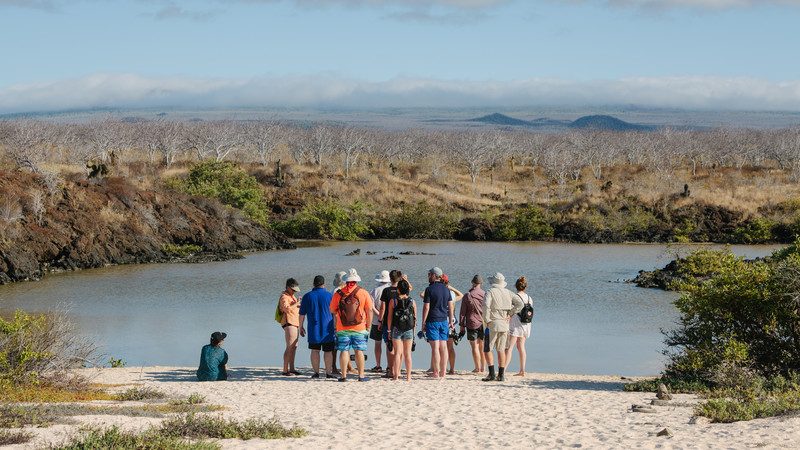
Joining a group tour is a great and safe way to explore the remote corners of Ecuador.
6. Listen to your body.
Ecuador's terrain is incredibly diverse, and for many, changes in altitude are a significant adjustment. You'll likely want to push yourself to the limit during your vacation to explore the lush rainforests and active volcanoes, but taking time to rest is also crucial. Whether you're recovering from altitude sickness or adjusting to the local cuisine, you can't rush your body. Days of rest and relaxation, allowing yourself to be a little lazy and do nothing but immerse yourself in the scenery and listen to the sounds of life, are sure to be just as memorable as any adventure in the wilderness or by the sea.

After days of exploring, your body needs rest too.
7. Vaccines and travel insurance
Vaccinations such as hepatitis A/B and tetanus are recommended when traveling to Ecuador; and depending on your travel destination, you may also need yellow fever or malaria vaccinations. Additionally, purchasing travel insurance is essential, as it will cover expenses in case of flight delays, lost luggage, lost travel documents, or unexpected accidents, with compensation up to over €30,000.