VI
VI


The experience of bathing in hot springs (onsen) has long been an inseparable cultural symbol when it comes to Japanese tourism. However, behind those relaxing hot mineral waters lies a system of rules of conduct, or "unwritten rules," which, if not understood, can easily lead international tourists into awkward situations or even violate local cultural norms.


Ms. Yuuka Irie, an onsen sommelier with extensive experience surveying hundreds of bathing spots from Hokkaido to Okinawa and having worked at the 170-year-old Soene traditional ryokan in Gifu Prefecture, has compiled some invaluable tips so that anyone can fully enjoy this culture in a refined and proper way.
The most common mistake tourists make is rinsing off (kakeyu) before entering the hot spring. According to Japanese regulations, onsens are natural springs with high temperatures and specific minerals. There have been numerous cases of foreign tourists, misunderstanding the English instructions "Please rinse off with hot water before bathing," and instead of using the cooled water in the hot spring, they have mistakenly scooped hot water (over 50°C) directly from the source instead of using the cooled water in the bath, leading to the risk of severe burns.
Therefore, observing and following the proper rinsing procedure is not only a matter of courtesy but also an essential safety factor. After washing thoroughly with soap, visitors should remember to rinse the seats and water basins and put everything back in its original position to show respect for those who come after them.

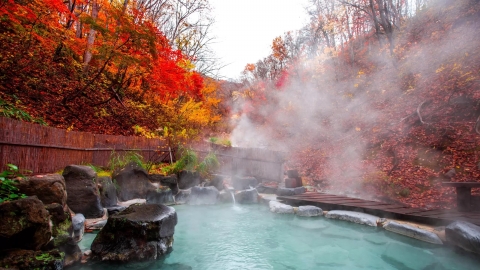
Onsen bathing is a traditional Japanese cultural practice of soaking in natural hot springs.

One of the strictest rules in Japan is complete nudity when entering a communal bath. While there are many questions from international visitors about this, nude bathing is considered a long-standing tradition aimed at promoting health and community connection.
Except for remote areas that still preserve the culture of mixed-gender bathing (konyoku) – where a high degree of self-discipline and absolute respect are required – most facilities nowadays have separate areas for men and women.
In Japanese onsens (hot springs), the concept of "observing the atmosphere" (kuuki wo yomu) is highly valued. Accidentally letting long hair fall into the water or allowing a towel to touch the water's surface – two highly frowned-upon hygiene mistakes – will often result in disapproving glances or avoidance from locals instead of a direct reminder. Therefore, maintaining silence or speaking at a moderate volume is the most civilized way to blend in with the shared space.
For tourists with tattoos, the onsen experience can sometimes be more complicated due to historical barriers. Tattoos were once considered a hallmark of Yakuza members, leading many establishments to maintain the ban to ensure the safety and peace of mind of customers, especially older visitors.
However, in the context of modern tourism, many establishments have become more open. If you have tattoos, you should research establishments that accept them beforehand or proactively contact them for advice on how to cover them with specialized bandages. Another ideal solution is to book a private bath (kashikiri) or hourly bathing services to ensure maximum privacy and comfort for yourself and those around you.

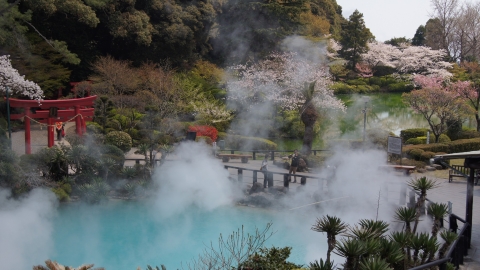
Since ancient times, the Japanese have believed that soaking in hot springs not only provides relaxation but also serves as a form of therapy.
Finally, respect for time, a key aspect of "omotenashi" (hospitality) culture, is something guests staying at traditional ryokan inns should pay particular attention to. Unlike Western hotels, ryokans operate on a strict, fixed schedule from check-in time and dinner time to bathing and check-out times. Adhering precisely to these times allows staff to adjust the temperature, water level in the tub, and prepare the accompanying services to the highest standard.
There have been instances where staff had to enter the bathing area to clean and disinfect it after closing time and found visitors still soaking, causing unnecessary problems for both sides.
Understanding and practicing the "unwritten rules" at onsen (hot springs) not only makes your trip to Japan smoother but also helps to honor the traditional culture of the Land of the Rising Sun.
When you respect privacy, public hygiene, and local customs, you will receive a warm welcome and a truly profound and authentic resort experience at some of the most wonderful hot springs that nature has bestowed upon the land of cherry blossoms.