
 VI
VI




The Thai government recently announced a plan to reopen the tourism industry, even as the country is still reeling from its worst outbreak since the start of the pandemic. At the peak of the outbreak in mid-August, Thailand recorded more than 20,000 new infections daily.
From October 1st, all international visitors who have been fully vaccinated against Covid-19 can visit Bangkok and four other provinces including Chiang Mai, Chon Buri, Phetchaburi, and Prachuap Khiri Khan without having to quarantine for two weeks in a hotel.
These localities are expected to adopt the "sandbox" tourism model that has been piloted on the resort island of Phuket since July. Government spokesperson Thanakorn Wangboonkongchana said that more than 29,000 international tourists have visited Phuket, generating nearly $50 million in revenue after almost two and a half months of implementing this new model. Under the "sandbox" program, tourists must undergo quarantine testing upon arrival and must stay in a designated area for seven days.

Following Phuket, three more islands—Samui, Tao, and Phangan—have reopened with stricter restrictions.
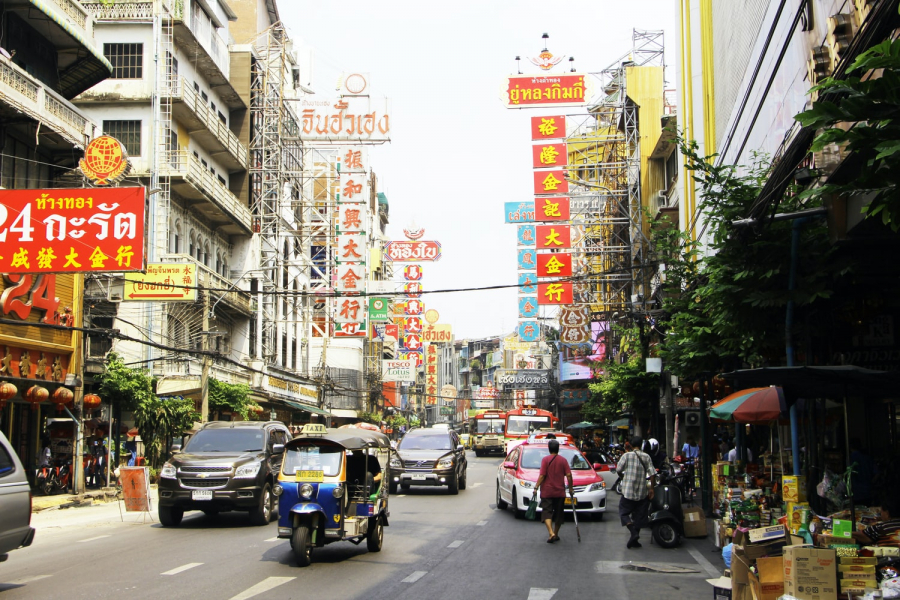
Efforts to reopen the tourism industry are part of Thailand's strategy of "living with Covid-19." - Photo: Internet
Authorities had planned to expand the program to 21 other locations, including Chiang Rai, Sukhothai, and the popular seaside resort of Rayong. However, as Thailand has yet to control the third and most severe wave of infections since the beginning of the pandemic, authorities warned that plans could change.
For Thai Prime Minister Prayuth Chan-Ocha, reviving the tourism industry is a key priority, as it accounted for about one-fifth of Thailand's GDP in 2019, the year before the pandemic. However, since the pandemic broke out, strict travel restrictions have been implemented, leading to a consistent decline in foreign visitors and severely impacting Thailand's economy for over 20 years.
To date, Thailand has administered two doses of the Covid-19 vaccine to 16% of its population. Thai health officials say that most destinations selected for reopening have vaccination rates higher than the national average and these are expected to increase further thanks to the increasingly abundant supply of vaccines.












