
 VI
VI


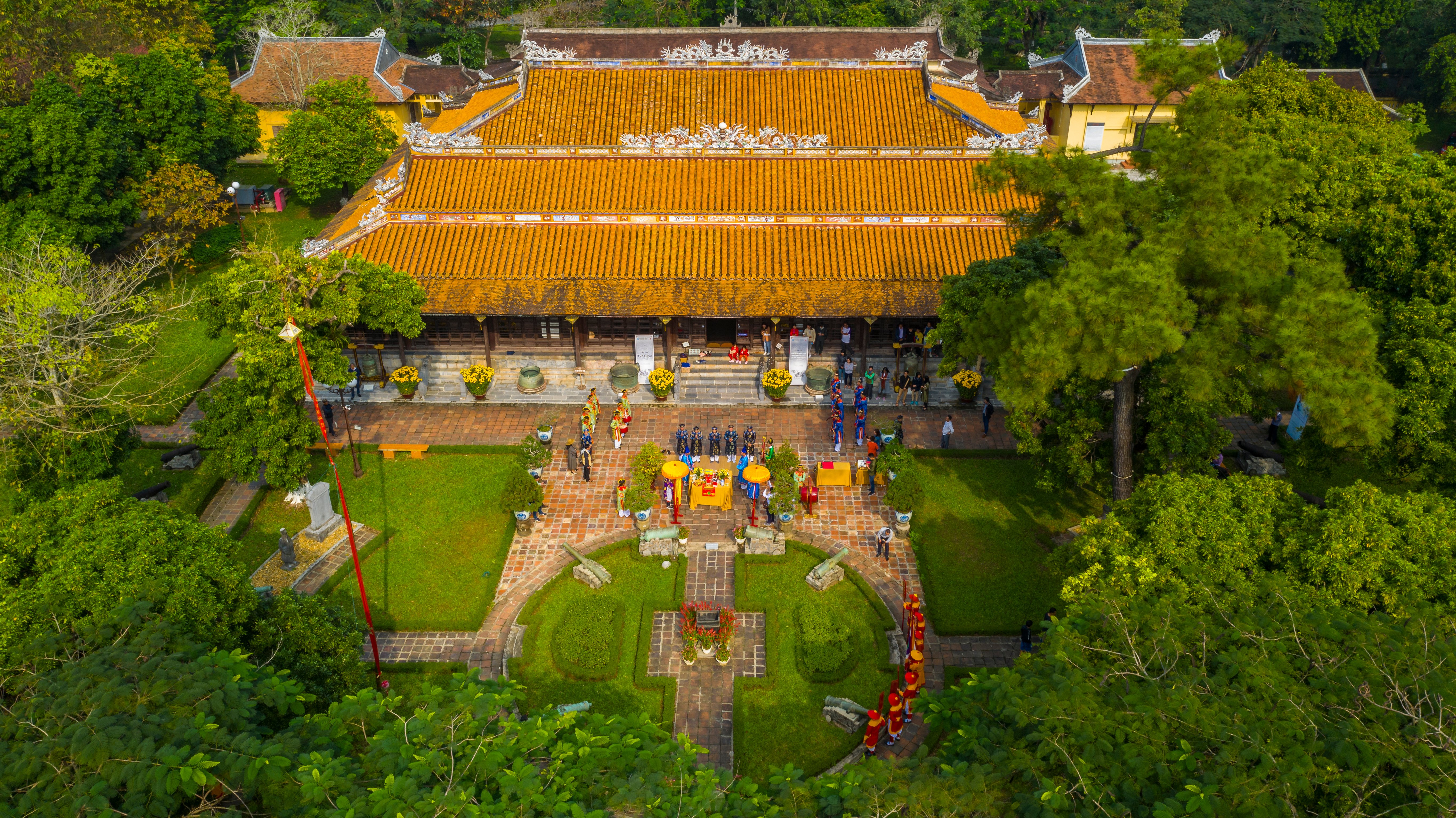
Architectural imprints from ancient mansions.
The museum is currently located in Long An Palace, a distinctive wooden architectural structure built in 1845 during the reign of Emperor Thieu Tri. Initially, it served as a resting place for the emperor before becoming one of the most representative buildings that has preserved almost intact the architectural value of the Nguyen dynasty's royal court.
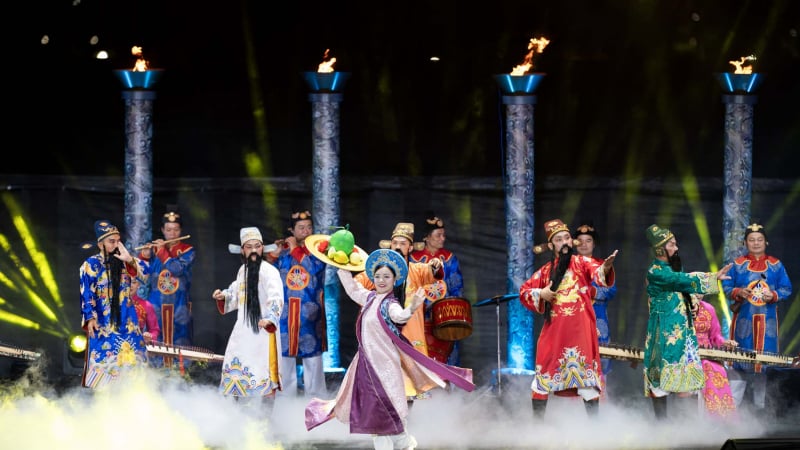

Stepping through the museum's gates, visitors are transported away from the hustle and bustle of the city into a space steeped in nostalgia. Long An Palace stands tall with its massive system of ironwood columns, exquisite carvings, and masterful courtly decorative art. Soft light filtering through the wooden windows brings each carved detail to life, creating the feeling of turning the pages of history through a visual experience.
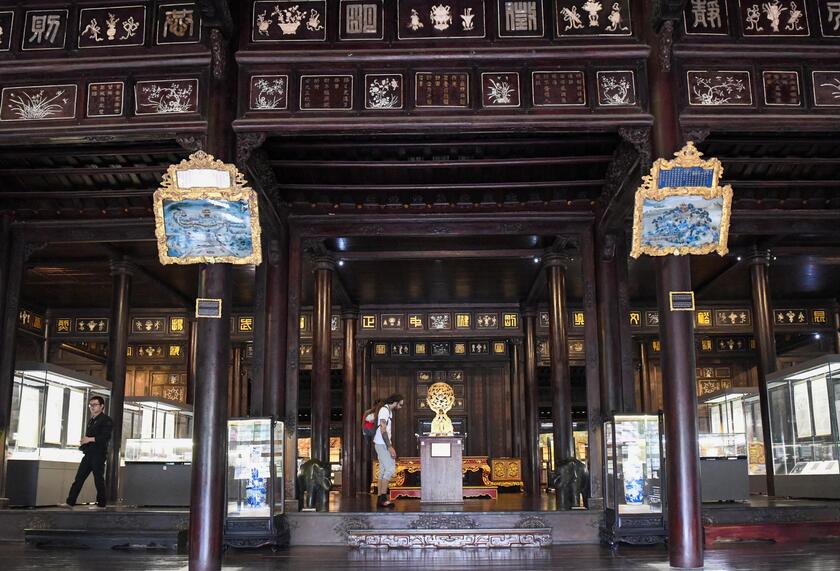
The exhibition space features the architecture of a Hue royal palace house.
A treasure trove of artifacts from the Nguyen Dynasty.
The museum currently houses thousands of precious artifacts reflecting the material and spiritual life of the Nguyen dynasty's royal family. Each artifact is not only a work of art but also a witness to history.
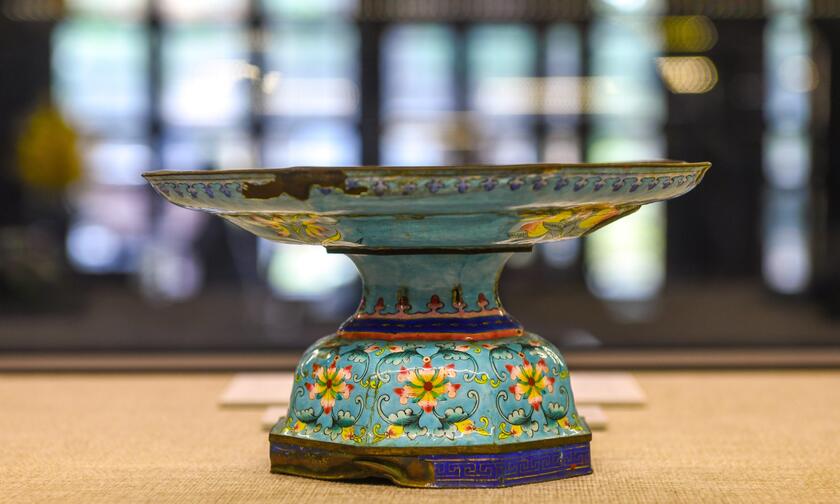
Visitors can find collections of vibrant enamelware, exquisite porcelain with custom designs made in China, imperial utensils made of gold, silver, and precious jade, along with treasures that were once associated with the lives of emperors and royalty.
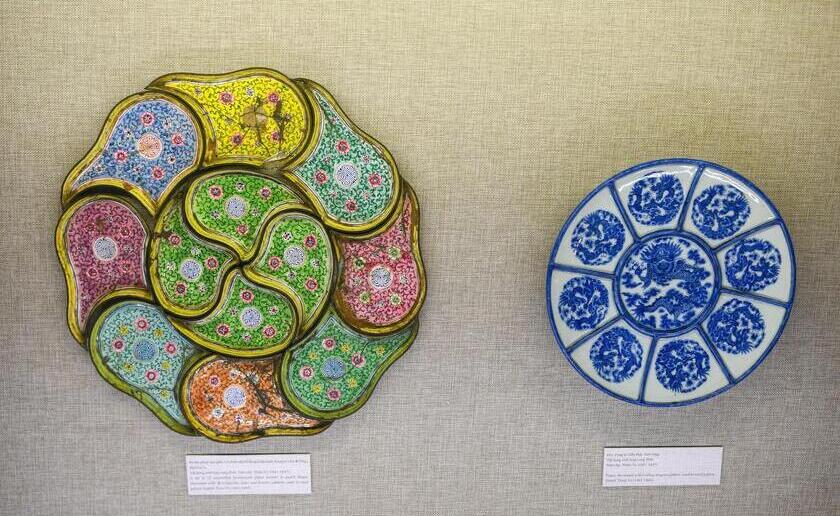
A set of 12 cloisonné enamel plates in the shape of peaches decorated with the character for longevity, and plates decorated in the style of a dragon.
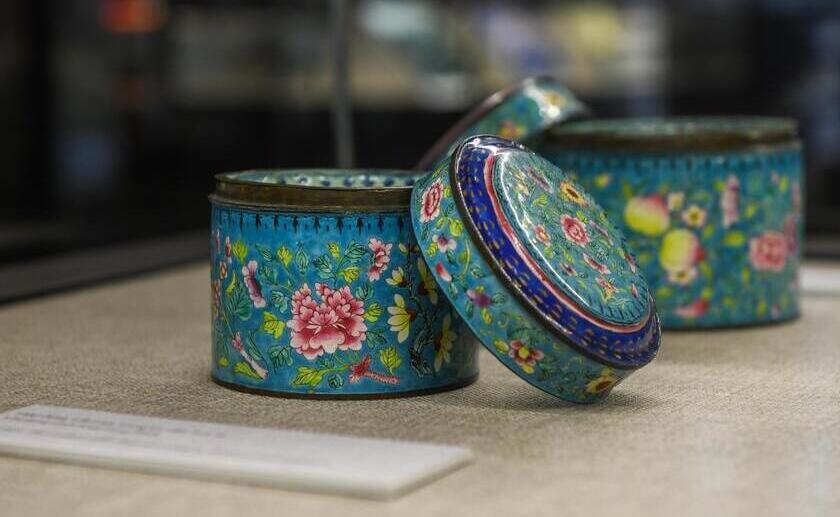
Betel box decorated with plants and flowers.
Decorative ornament featuring two dragons facing the sun.
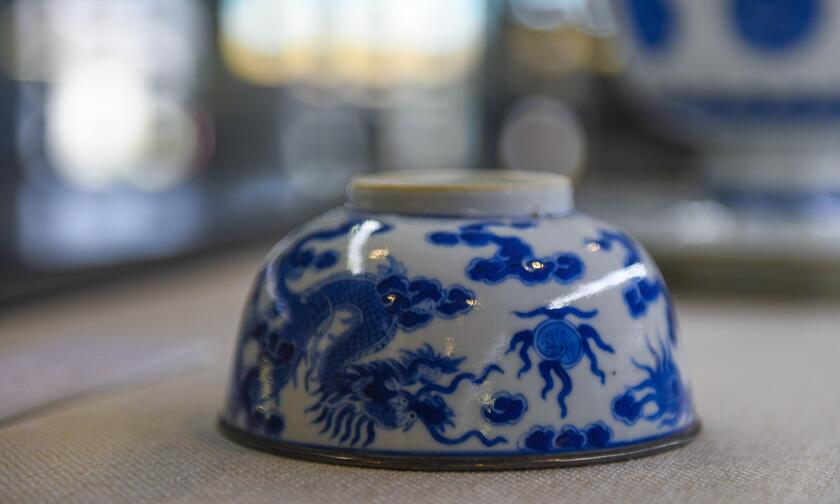
Decorative painting with the theme of a dragon playing in water.
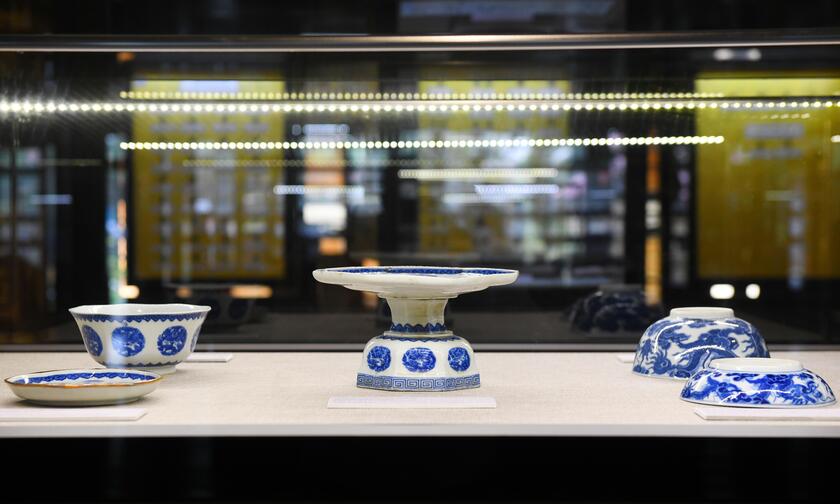
Court furnishings decorated in the style of the Dragon and Dragon motif.

Household items in the Hue imperial palace are primarily decorated with exquisite dragon motifs.
In particular, the thrones, royal palanquins, court costumes, ceremonial objects, and items used in important rituals help viewers visualize more clearly the life of the ancient royal court. Through each artifact, the story of power, aesthetics, and the governing philosophy of the Nguyen dynasty is vividly recreated.

More than just a place for display, the museum also opens a door for visitors to gain a deeper understanding of the rituals, art, and cultural thinking of a dynasty that shaped the country's landscape for over 140 years.
A must-visit destination for heritage lovers.
Unlike the overwhelming feeling of visiting the Hue Imperial Citadel or the grandeur of the royal tombs, the Hue Royal Antiquities Museum offers a more intimate and tranquil experience. Here, visitors can spend time admiring every small detail, listening to the stories behind each artifact, and feeling the depth of royal court culture.
For photography enthusiasts, Long An Palace is also one of the most beautiful spaces within the Hue heritage complex. The ancient wooden doorways, natural light, and harmoniously arranged artifacts create countless artistic photo opportunities.
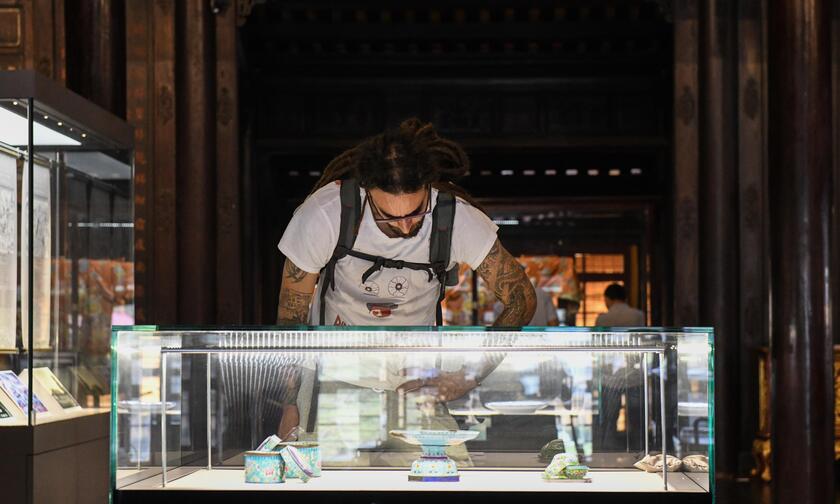
Tourists are fascinated by the art of cloisonné enamel.
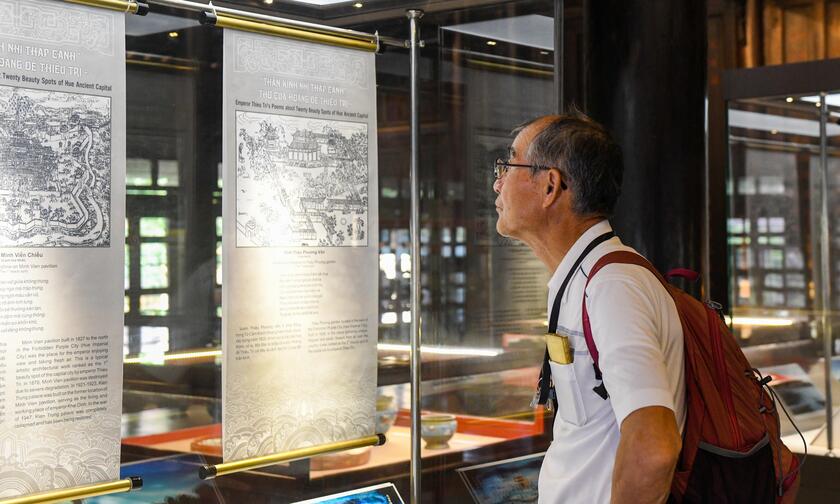
Japanese tourists intently read the Twenty Scenes of the Divine Scripture.
In your exploration of Hue, if the Imperial Citadel was the heart of power of the Nguyen Dynasty, then the Hue Royal Antiquities Museum is where memories are preserved. Every artifact, every architectural detail here contributes to telling the story of a golden age that has passed but still exists in every breath of the ancient capital.
The space is located within the heritage system of the Hue Imperial Citadel Complex. The best time to visit is in the morning or late afternoon, when natural light highlights the architectural beauty of Long An Palace.
Among the many attractions in Hue, the Hue Royal Antiquities Museum is not only a repository of treasures from the Nguyen Dynasty but also a space where visitors can delve into the depths of history, appreciate the beauty of royal culture, and gain a deeper understanding of the identity of this ancient capital.
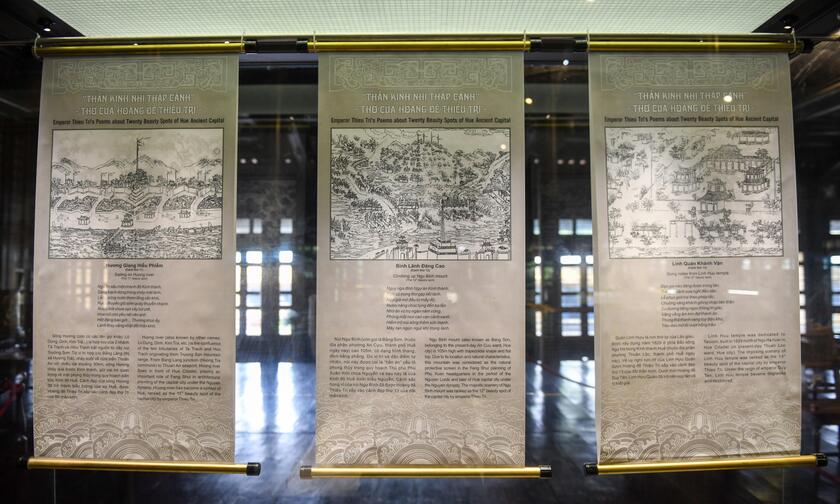
The exhibition displays poems by Emperor Thieu Tri about the 12 beautiful landscapes of the imperial capital.
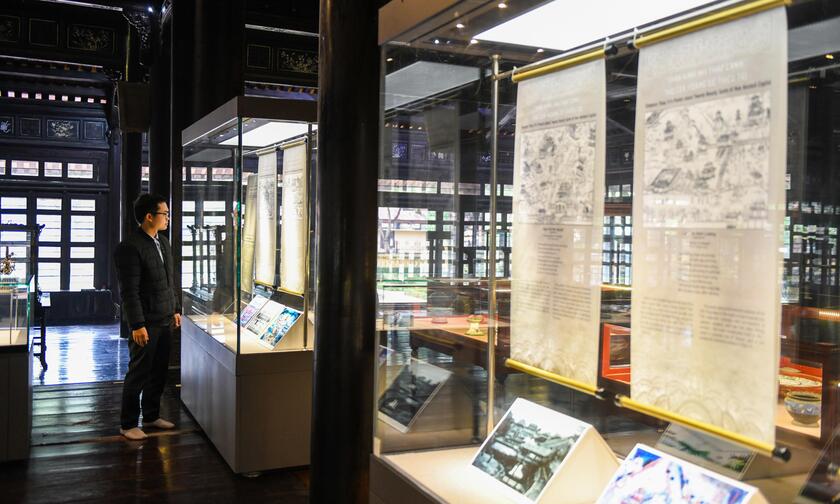
The exhibition attracts visitors from both within and outside the country who come to learn about and admire the ancient artifacts.
Visiting information:
Address: 3 Le Truc Street, Phu Xuan Ward, Hue City.
Museum opening/closing times:
- Summer: 6:30 AM - 5:30 PM
- Winter: 7:00 AM - 5:00 PM
Ticket sales and opening/closing times during the summer:
- Ticket sales hours: 7:00 AM - 5:30 PM
- Opening hours for visitors: 7:00 AM - 6:00 PM
Museum ticket prices:
- Route 2 (Hue Royal Antiquities Museum - An Dinh Palace): 80,000 VND/adult; free for children (7-12 years old)
- Hue Royal Antiquities Museum: 50,000 VND/adult; free for children (7-12 years old).












