VI
VI


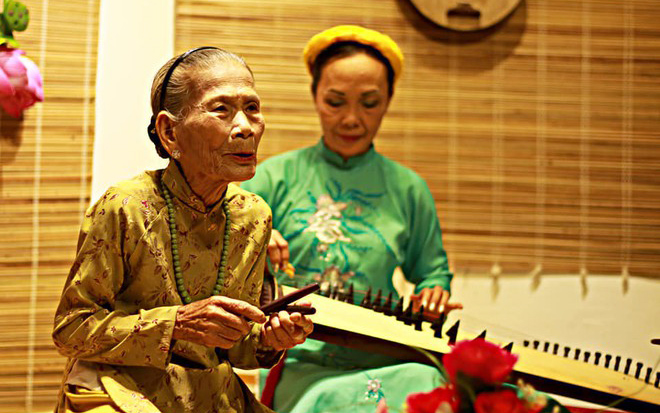
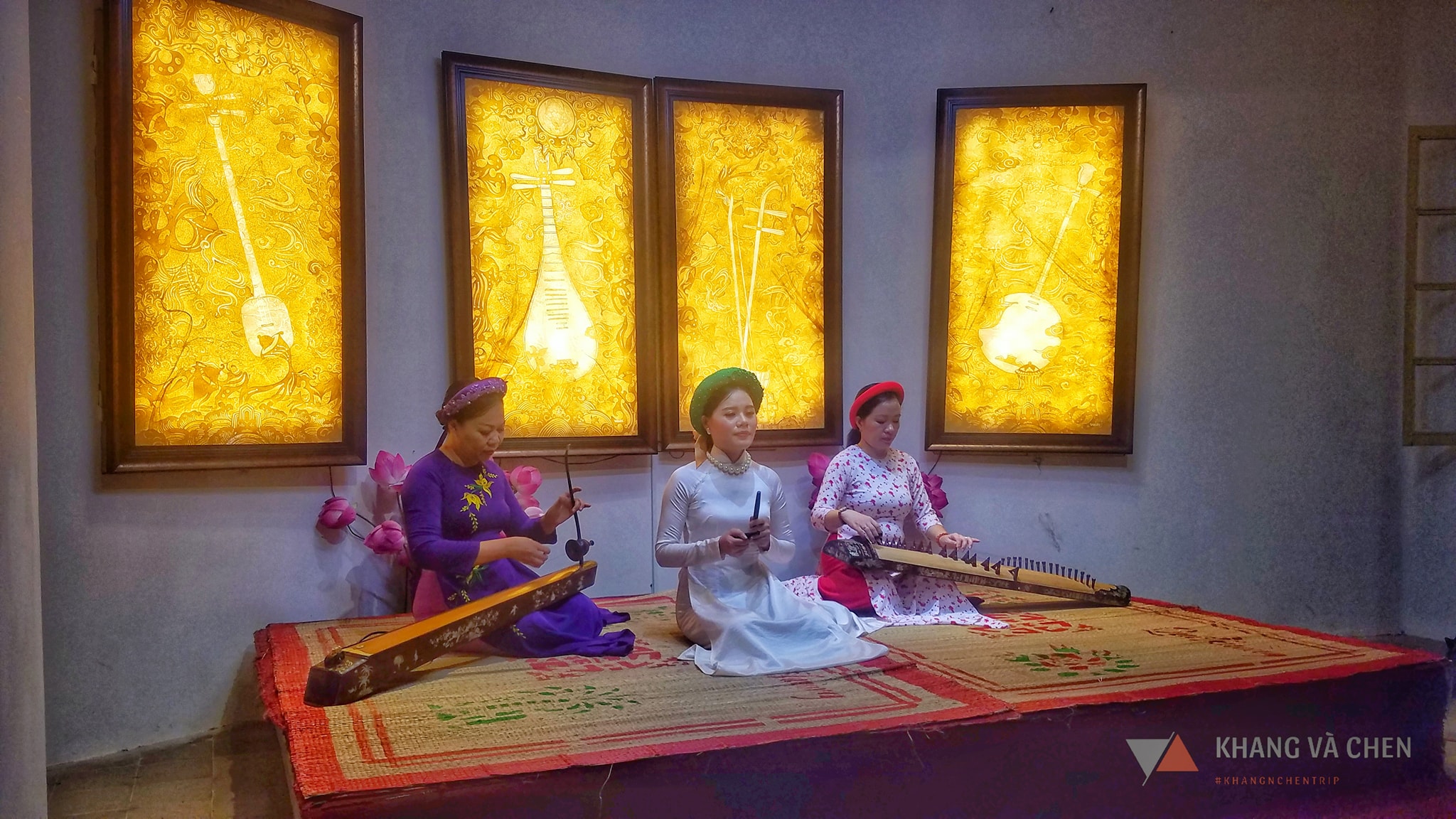
Hue folk singing, which originated over 300 years ago, is a distinctive tourism product of Hue. However, most Hue folk singing performances today are still spontaneous and not strictly managed. Furthermore, the number of veteran artists still practicing Hue folk singing is small, while young artists have few opportunities to study it in depth due to the influence of commercialization.
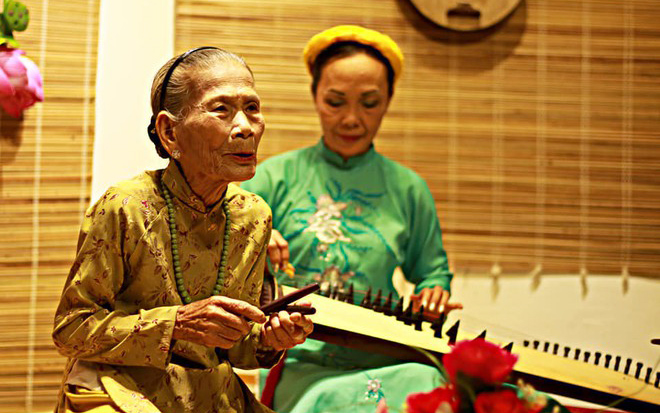
Artist Thanh Huong, one of the last remaining Hue folk singers, has also passed away.
Given this alarming situation, the Department of Culture and Sports decided to implement the project "Promoting the value and developing Hue folk singing into a unique cultural service product, giai đoạn 2020 to 2025", with 6 specific objectives, including: Improving the quality of model art programs, ensuring the distinctive characteristics of Hue folk singing to serve tourists, contributing to affirming the brand of Hue folk singing; Researching, planning and establishing performance venues, spaces, and infrastructure to serve Hue folk singing performances on the Perfume River (boat docks, support services, etc.).

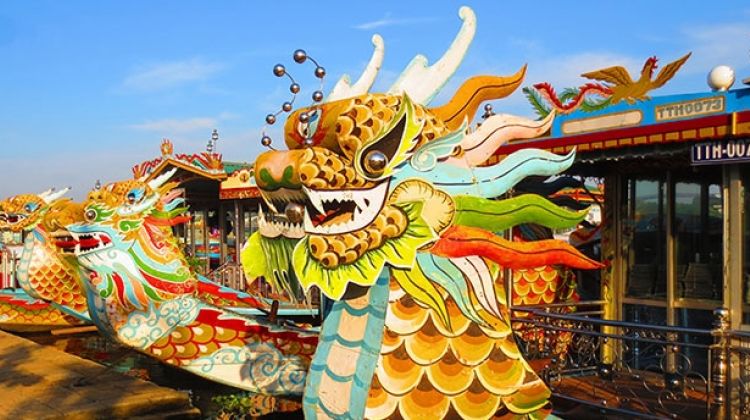
The dragon boat system on the Perfume River will soon be renovated, and the project will also build boat docks to pick up and drop off passengers along designated routes, making the Hue folk singing performances on the river more organized.
Specifically, the development of model Hue folk song programs will include programs for tourists on the Perfume River and outdoors at locations such as Nghênh Lương Đình, Thương Bạc Park, Quốc Học Monument, Bùi Thị Xuân Park, etc., and model Hue folk song performances in chamber spaces at 148 Bùi Thị Xuân Street, Hue City, and other locations such as Châu Hương Viên, mansions, and gardens.
Here are some of the locations where model Hue folk singing performances are planned for the near future:
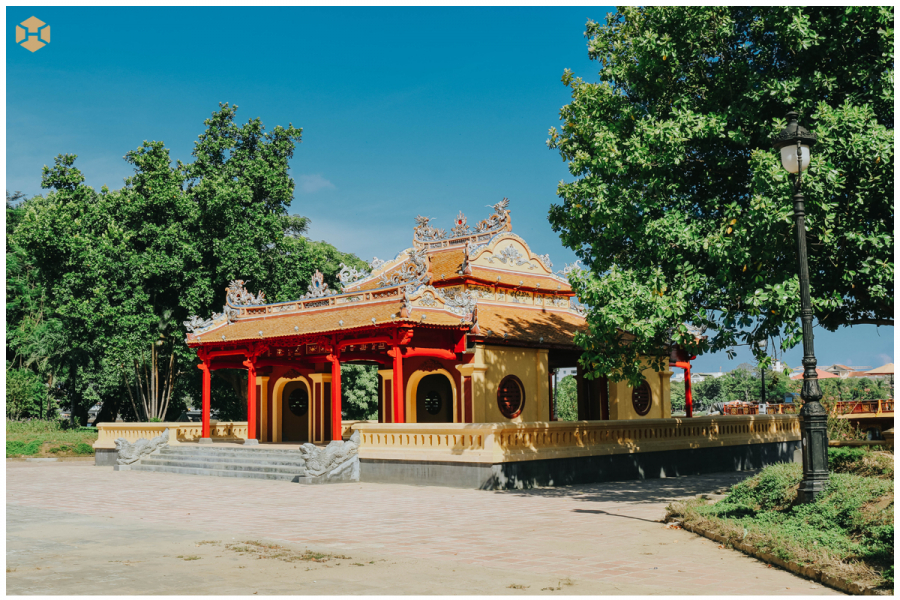
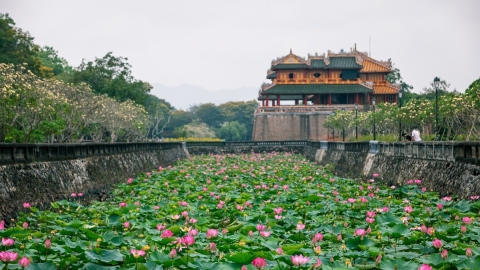
Nghênh Lương Đình
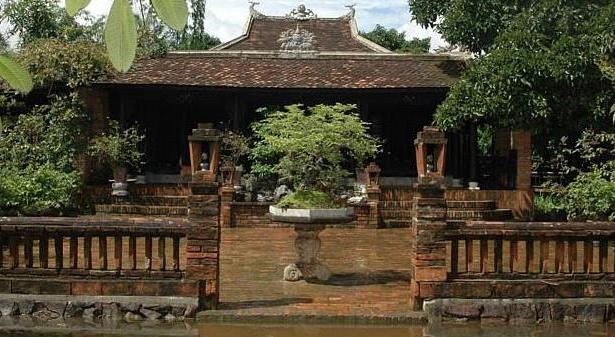
Hue Imperial Palace
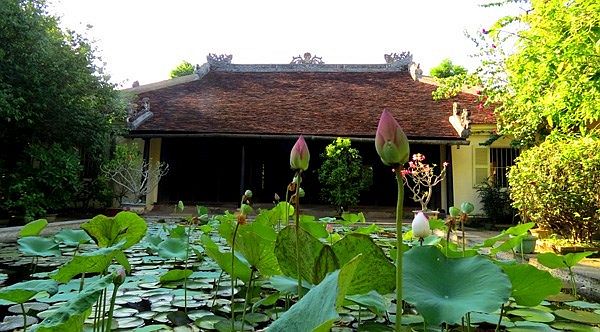
Hue Garden House
The project also considers designing souvenirs, crafting musical instruments, paintings, and photographs, combined with exhibition spaces showcasing costumes and musical instruments used in Hue folk singing performances. Furthermore, the project will develop codes of conduct for Hue folk singing performances, and regulations regarding the means, conditions, and spaces for organizing performances. Simultaneously, it will establish a Hue Folk Singing Association to promote self-governance among businesses and prevent unhealthy competition.