VI
VI


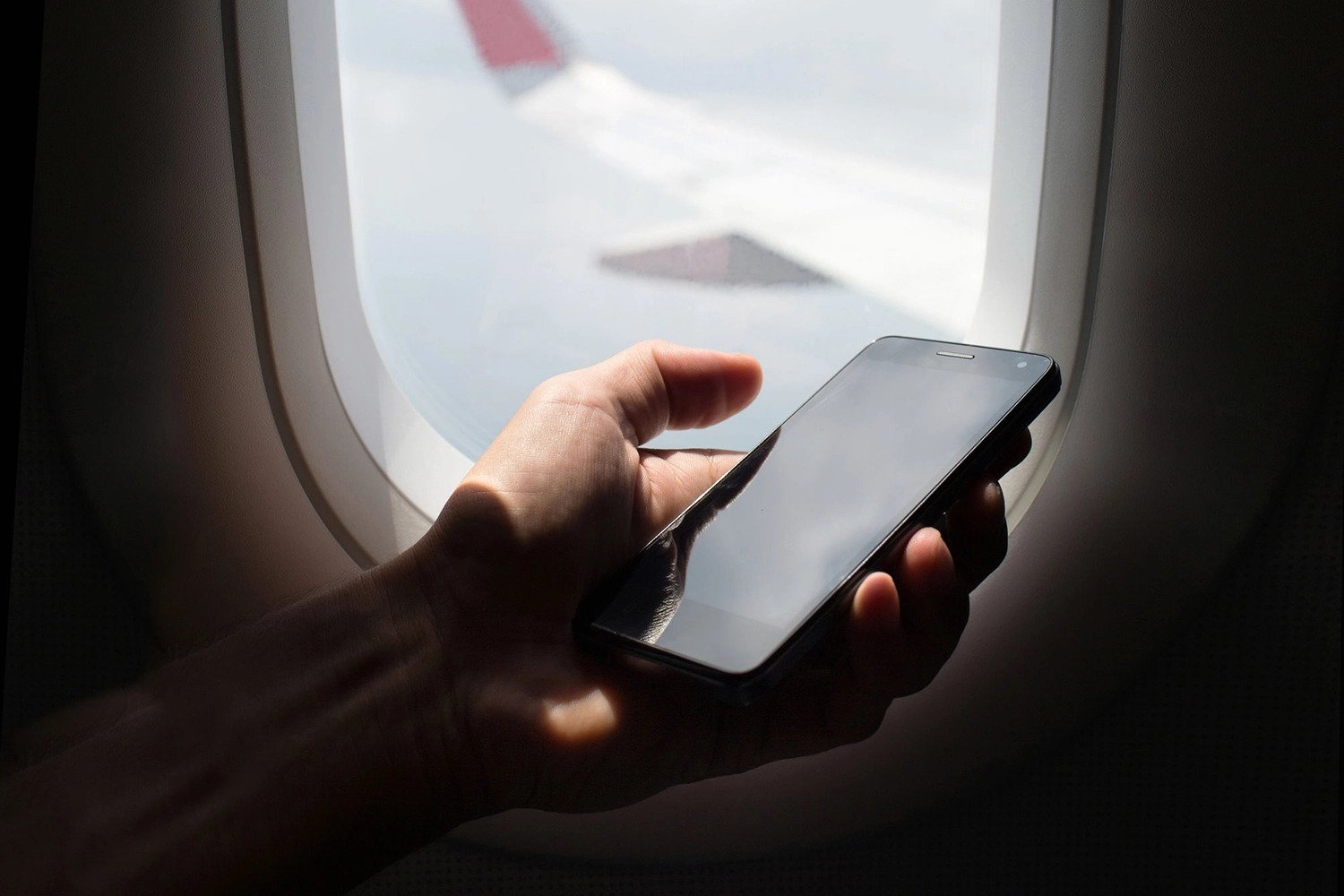
The European Union (EU) has just approved regulations allowing passengers to access the internet and make phone calls on airplanes. To implement this, EU airlines will have to equip their aircraft with 5G connectivity instead of selling low-speed Wi-Fi packages as they currently do.
Thierry Breton, EU Commissioner for the Internal Market, said the plan brings "innovative services to everyone" and helps European companies thrive. "The skies will no longer be limited with the benefits of ultra-fast, high-capacity connectivity technology," Breton said in the EU announcement.

Europe allows passengers to make phone calls and access the internet on airplanes.
The European Commission's proposal has been approved, with new regulations requiring EU member states to allow 5G onboard aircraft by June 30, 2023. European airlines will install special equipment on their aircraft, called "pico-cells," to route calls, messages, and data via a satellite network, connecting the aircraft to ground-based 5G base stations.
According to assessments from European aviation safety experts, the ban on mobile phone use on flights stems from a lack of understanding of their impact on aircraft. While concerns exist regarding the potential effects of 5G waves on aircraft autopilot systems, the risk of interference is very low. Passengers can still listen to music, watch movies, play games, and make calls on 5G-equipped aircraft.
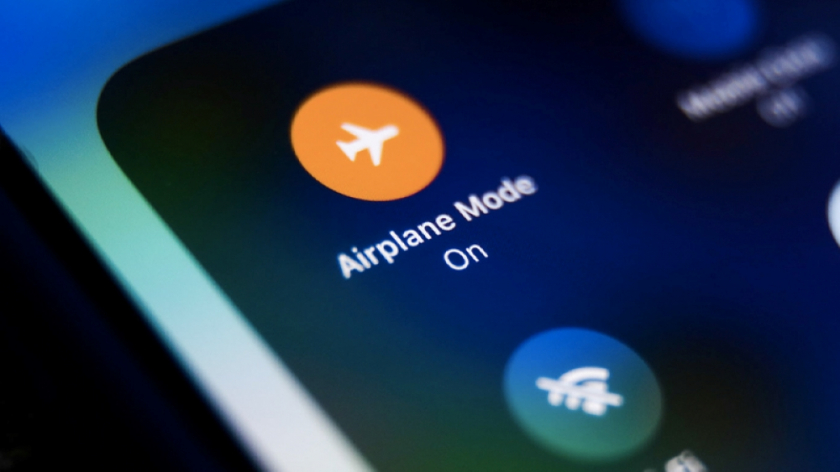
New European Union regulations on 5G use on airplanes could put an end to airplane mode on phones. Previously, passengers were always required to turn on airplane mode in the air and could only access the internet if they purchased a Wi-Fi package provided by the airline.