VI
VI


From humble little cafes, salted coffee has gradually become a unique "cultural ambassador," helping to bring Vietnamese cuisine and image closer to the world. Amidst countless culinary experiences in Vietnam, a seemingly simple cup of salted coffee piques the curiosity of many international tourists, prompting them to try it. Beyond its unusual flavor, this drink also opens up an interesting story about creativity in Vietnamese culinary culture.
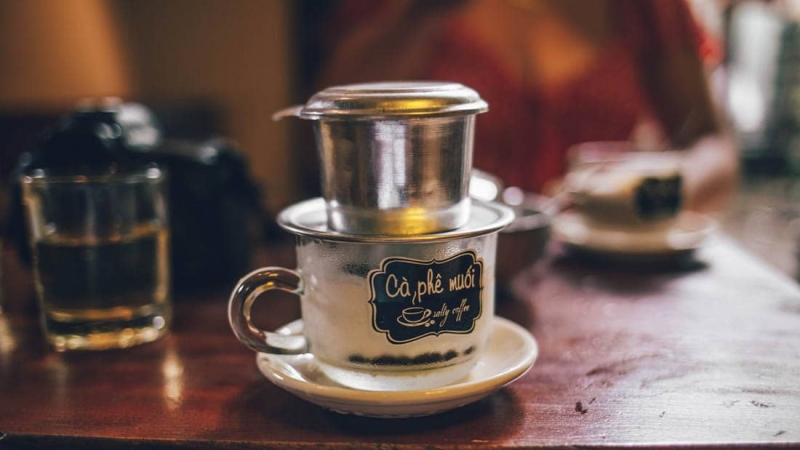

Without favoring extravagance, salted coffee is made from incredibly familiar ingredients: coffee, milk, and a distinctive layer of salted cream. This simple combination creates a memorable taste experience, where bitterness, sweetness, and saltiness intertwine poetically, becoming a fascinating cultural story – something many foreign tourists eagerly seek during their exploration of Vietnam.
First impression: "Different and surprising"
For most international tourists, salted coffee is a completely new experience. Dinah, a tourist from California (USA), excitedly shared during her family trip: "Our food guide suggested we try this… and it was amazing. Salted coffee is incredibly delicious."
Deciding to try this drink immediately upon arriving in Vietnam, Dinah was surprised not only by its taste and the difference from coffee back home. It wasn't simply a cup of coffee, but a truly exploratory experience.
In fact, many international tourists seek out salted coffee not only out of curiosity, but also because of positive reviews and testimonials on social media, word-of-mouth recommendations, or suggestions from tour guides. One international tourist shared: "I saw so many positive reviews of salted coffee on social media before coming here, so I really wanted to try it myself – and I wasn't disappointed at all."
It is these personal experiences that have contributed to spreading the image of this drink to the world.

International tourists experience salted coffee in Vietnam - Photo: Phuong Thao

A professional's perspective: Simplicity is key, but quality is paramount.
While tourists bring an experiential perspective, those who directly prepare the drinks are considered the keepers of the "soul" of the beverage.
Ms. Dao Thi Hong, the owner of a coffee shop who has been in the business for 16 years, shared that the key to a delicious cup of salted coffee lies not in elaborate techniques but in the quality of the ingredients: "I've been involved in this coffee business until now, this year marks my 16th year. The special appeal of salted coffee still comes from the quality of the coffee beans."
According to Ms. Hong, the key differentiating factor is the salted cream topping – meticulously whipped to create a rich, creamy texture and a subtle salty flavor that blends perfectly with condensed milk and black coffee. This skillful combination creates a smooth layer of flavor, balancing the harsh bitterness and making it much more accessible, especially for Western guests who are not accustomed to the strong, traditional Vietnamese filter coffee.
Interestingly, the popularity of salted coffee didn't come from large-scale advertising campaigns, but primarily through the personal experiences of those who tried it.
According to coffee shop owners, this drink has an almost absolute appeal to international visitors. They say that many foreign customers, after trying it, are very satisfied with the experience. Many then recommend it to friends and family, or share it on social media platforms.
This natural spread has helped salted coffee gradually become a "must-try" experience for international tourists exploring Vietnam. This also reflects the modern travel trend where tourists not only seek out famous destinations but also care about authentic experiences that are close to the local way of life.

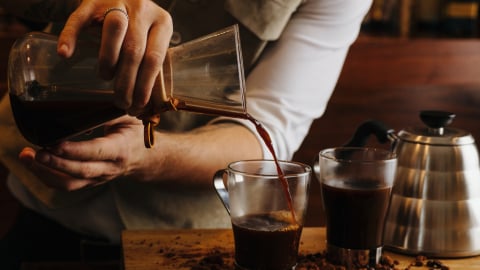
Preparing salted coffee at the cafe - Photo: Phuong Thao
From "trends" to enduring cultural values
Although once considered a "trend" among young people, salted coffee has gradually proven its enduring vitality thanks to its core values and adaptability. After the pandemic, when the service industry faced many difficulties, Ms. Hong and many other businesses also had to change their business model, moving to smaller spaces to optimize costs.
It was during this period that salted coffee continued to spread rapidly, especially thanks to international tourists. “After Covid-19, I had to stop many activities and no longer had enough money to rent a large space. Then, I moved to Hang Tre, choosing a smaller and more economical space. When I added salted coffee to the menu, the shop gradually became known to young people and international tourists, who recommended it to each other, which helped me overcome the difficult period,” she shared.
It can be seen that when a culinary product is sufficiently unique and authentic, it can spread and stand firm on its own, even during times of great change.
In the context of integration, promoting the national image is no longer limited to official diplomatic channels, but is increasingly expressed through everyday experiences. Cuisine, with its familiar and accessible nature, is becoming an effective form of "soft diplomacy."
Salted coffee is not just a beverage; it reflects a Vietnam that both preserves traditional values and constantly innovates. From the pure coffee beans to the distinctive salted cream topping, each cup of coffee tells a small story about culture to the drinker.
When these stories are carried and shared by tourists, salted coffee becomes more than just a beverage; it becomes a bridge bringing the image of Vietnam closer to the world. This is how "cultural diplomacy" takes place naturally but with great impact.