VI
VI


Beautiful town
Before the collapse of the Soviet Union, Tskaltubo, a small resort town in central Georgia, was one of the most popular vacation destinations for the Soviet elite. They came here to visit the enormous resorts, which boasted spas and mineral springs.
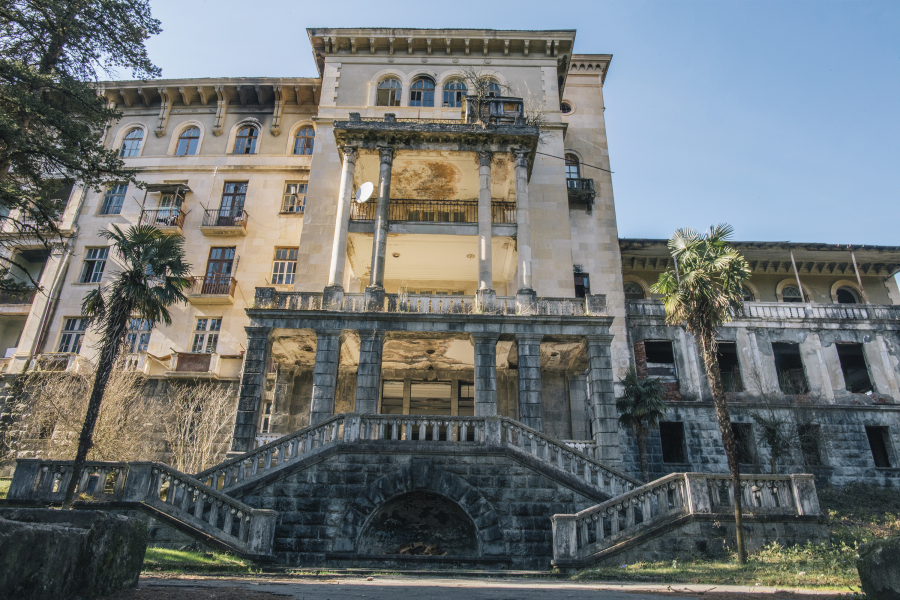
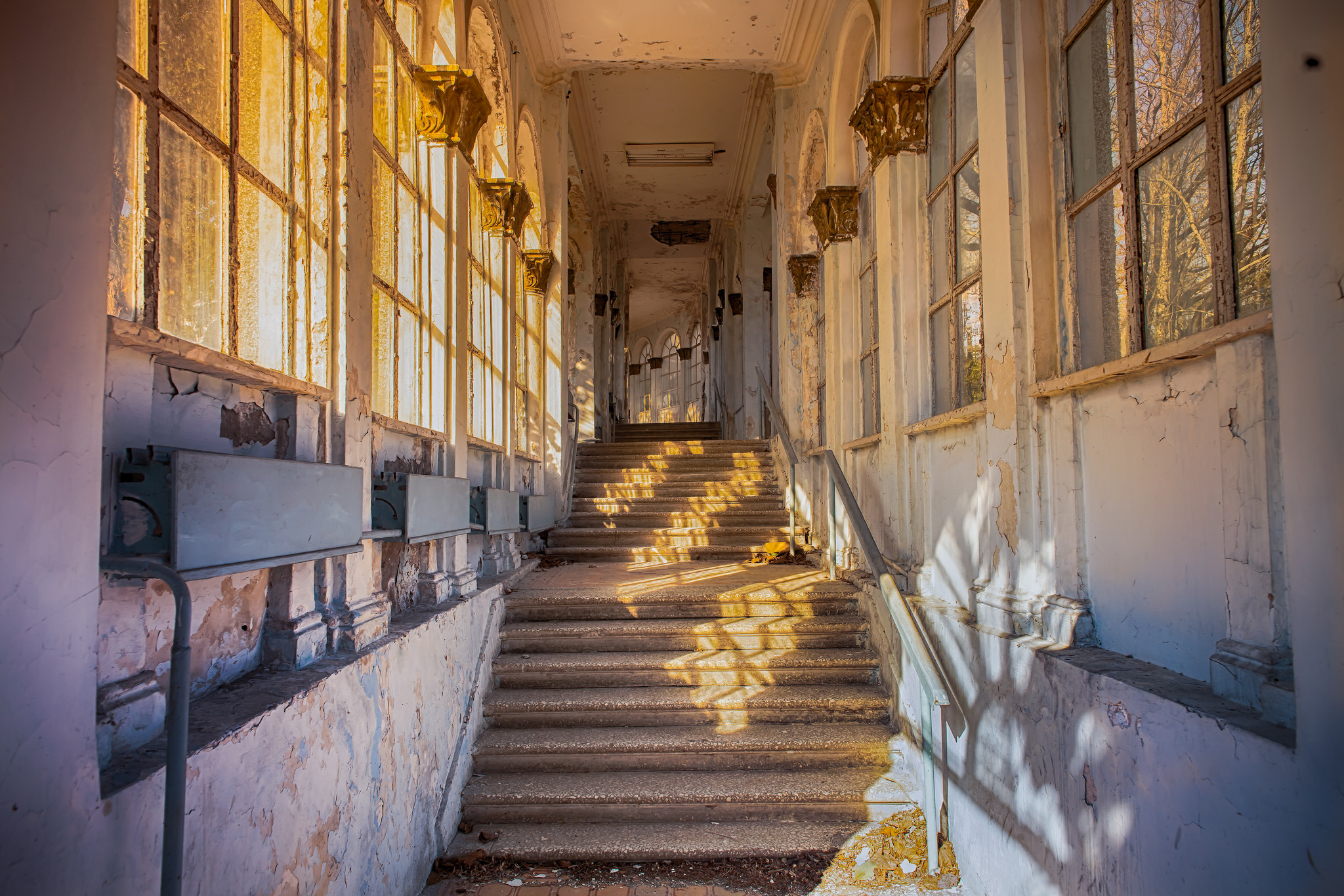
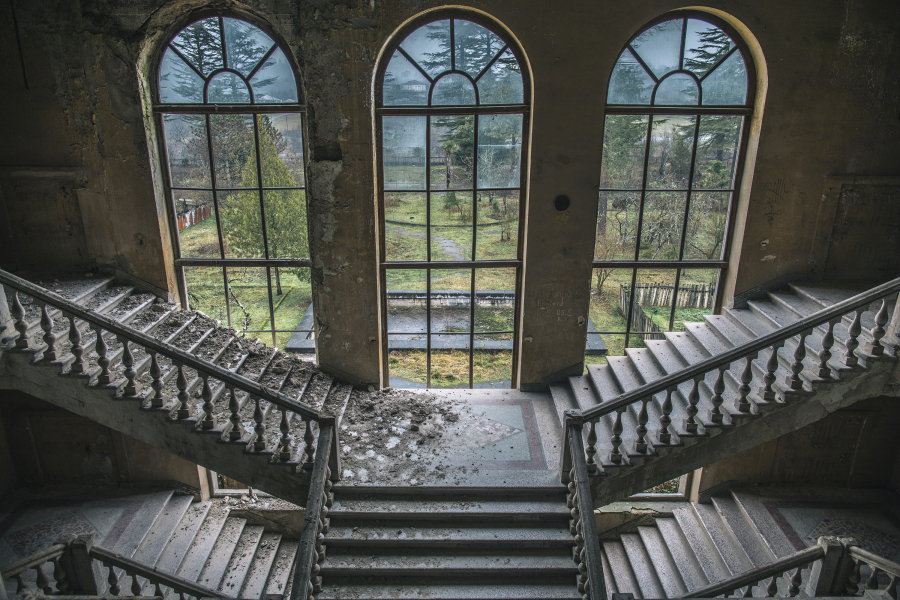
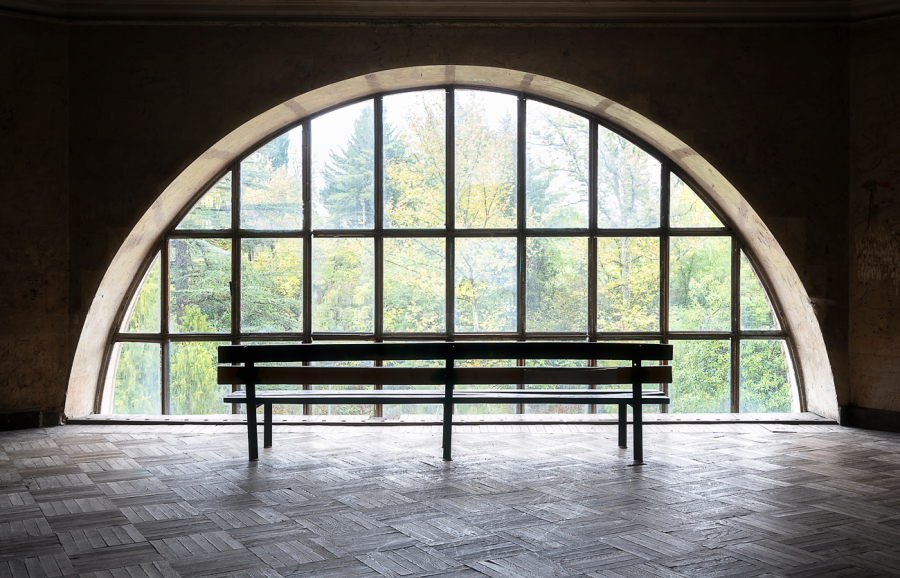
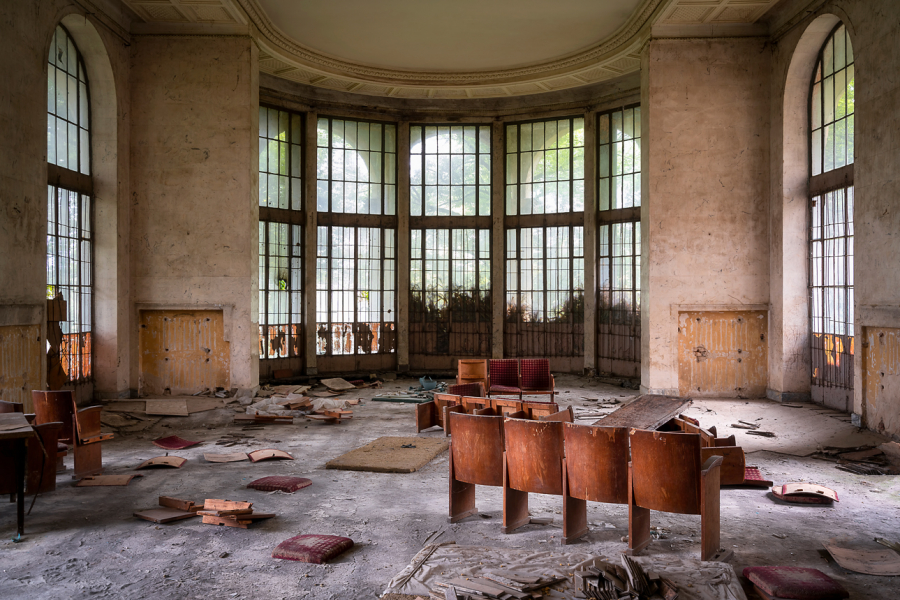
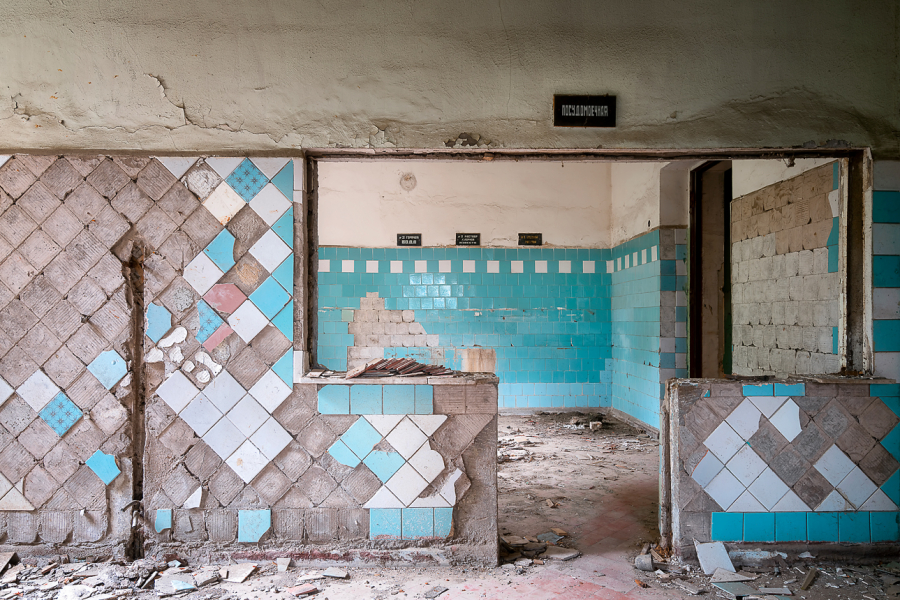
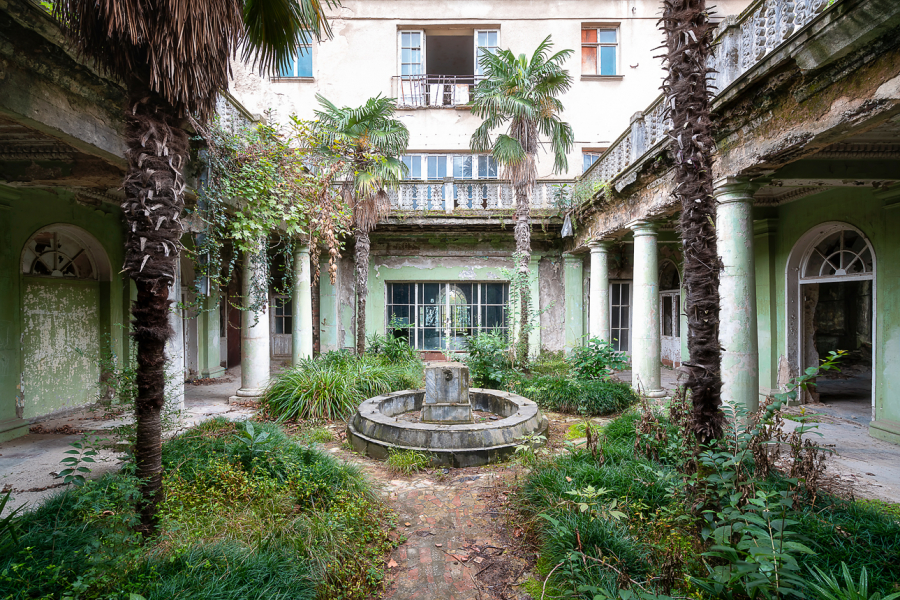
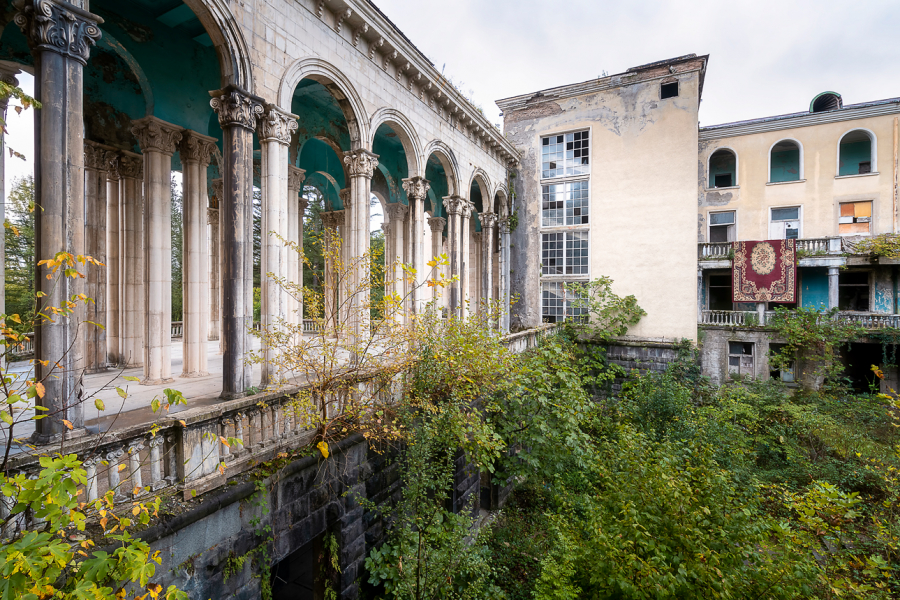
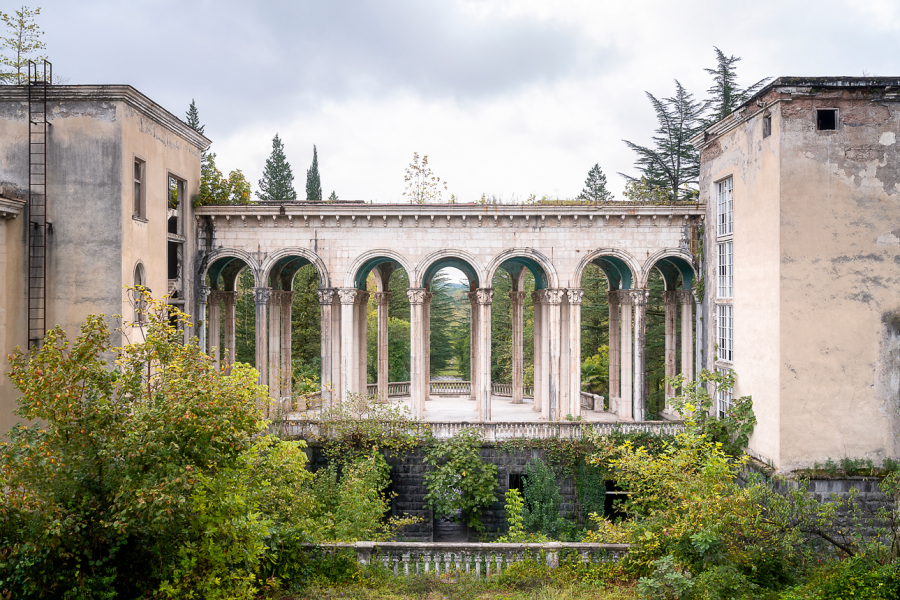
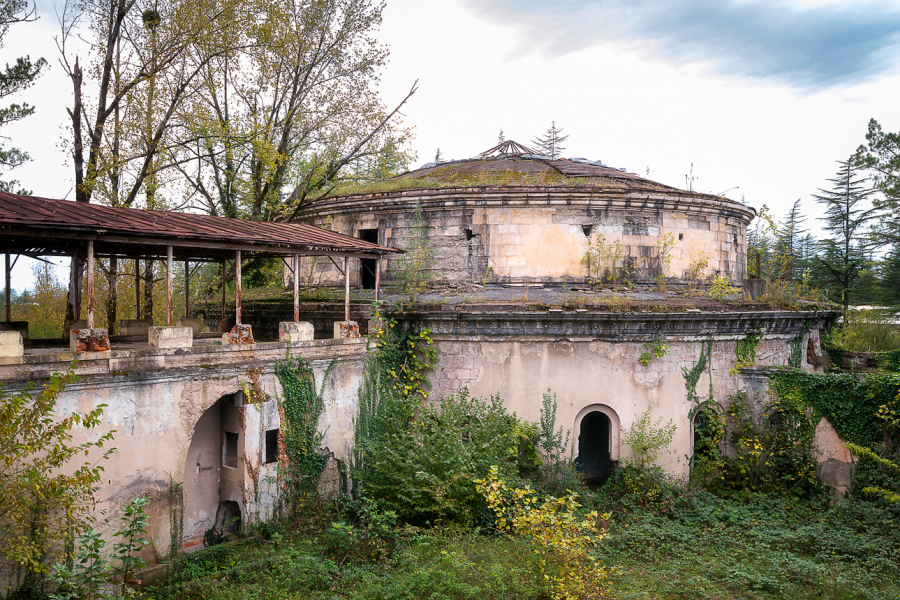
However, when the Soviet Union collapsed in 1991, they stopped coming, the sanatoriums closed, and the impressive buildings fell into neglect and disrepair.
For many years, the town survived thanks to the sporadic tourists who came to explore the ruins.
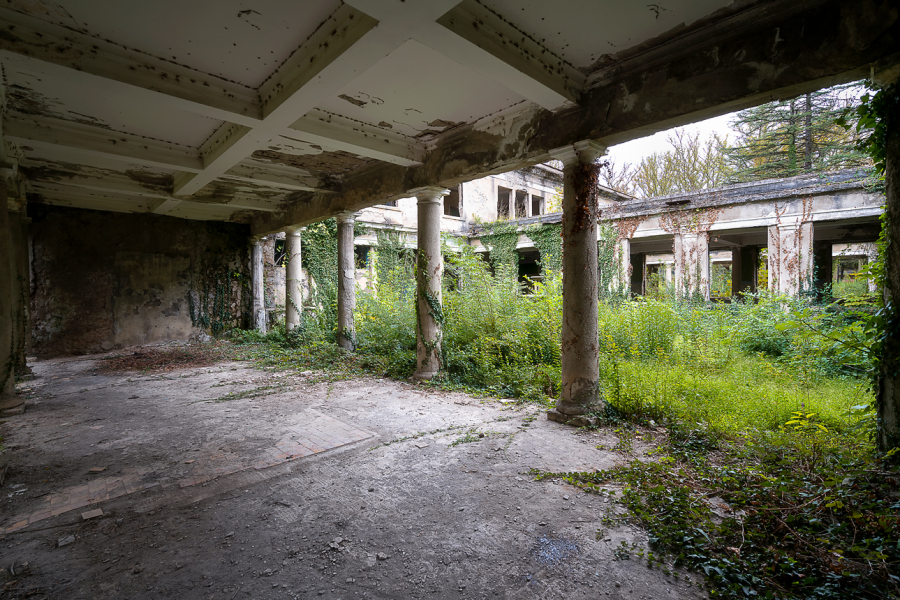
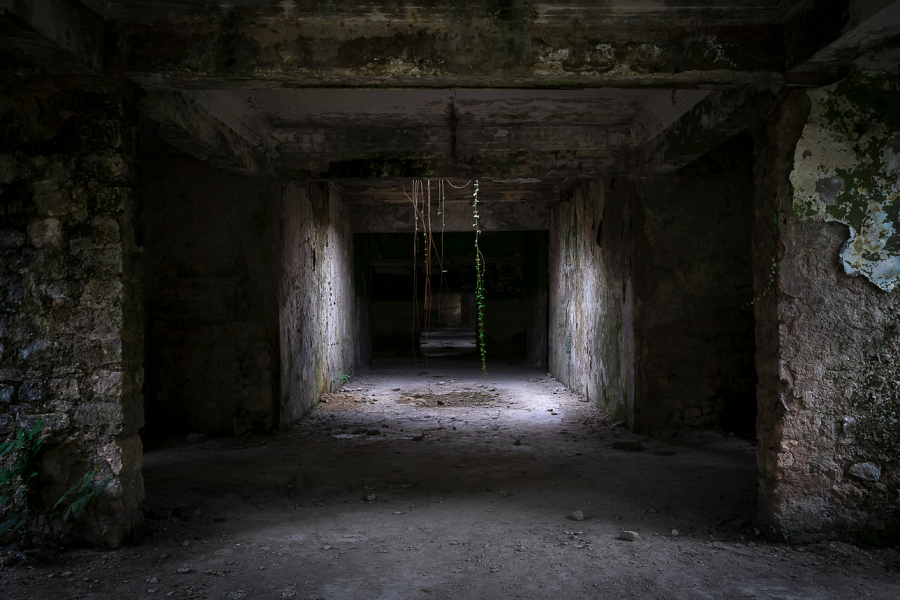
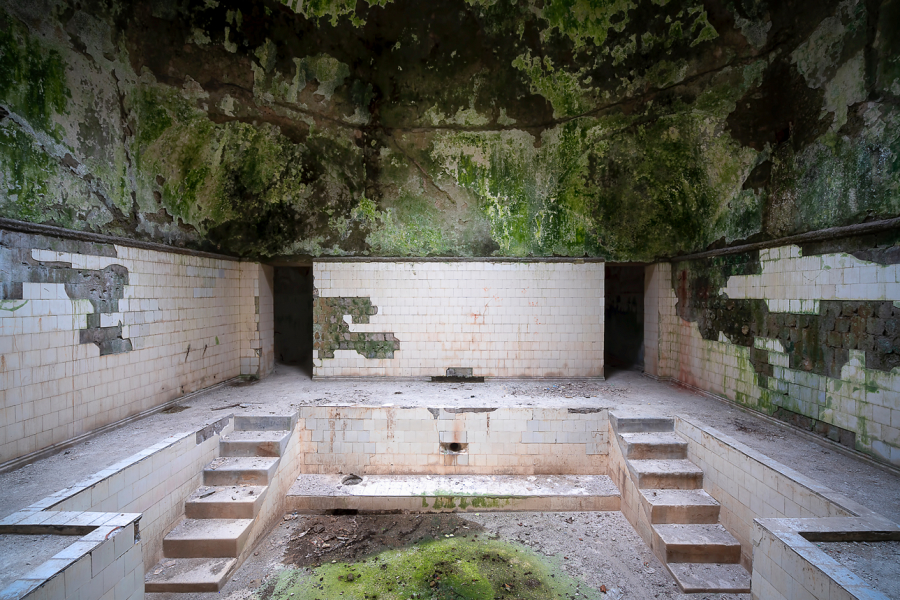
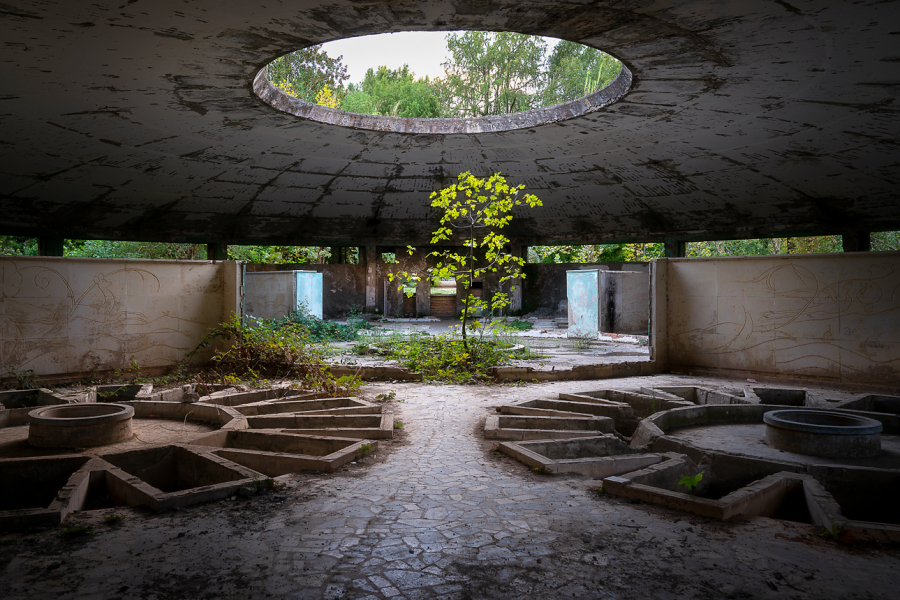
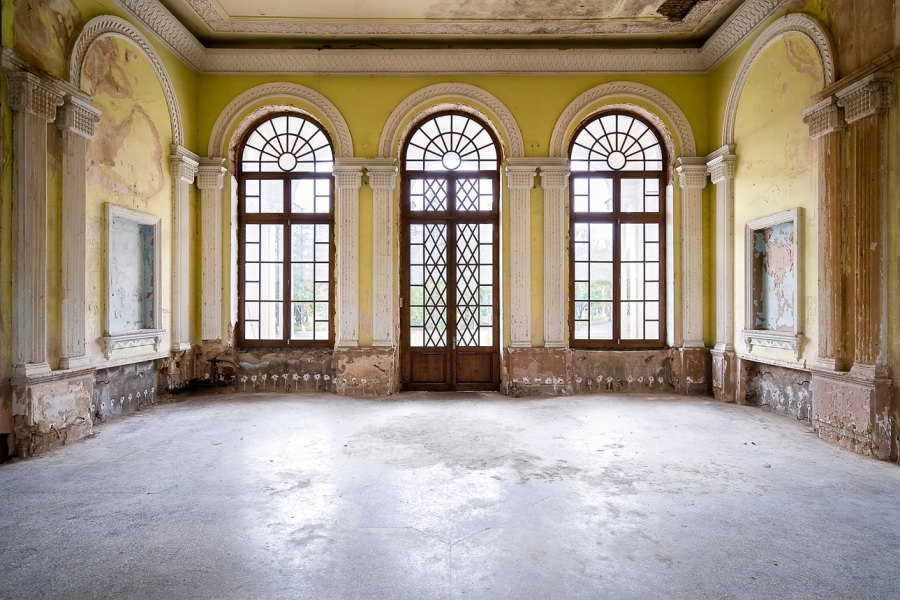
Today, Tskaltubo is finally witnessing a renaissance: thanks to the burgeoning tourism industry in Georgia, investors are buying up the ruins and restoring these magnificent sites, so that visitors can once again relax like Russian royalty.
The right to rest during the Soviet era.
In the former Soviet Union, workers were guaranteed the "right to rest," and were sent throughout the Soviet Union to enjoy two weeks of state-funded vacation.
Tskaltubo was particularly favored by the Soviet elite because of its beautiful scenery, cool subtropical climate, and warm water containing radon carbonate, a key ingredient in spa treatments at many bathhouses.
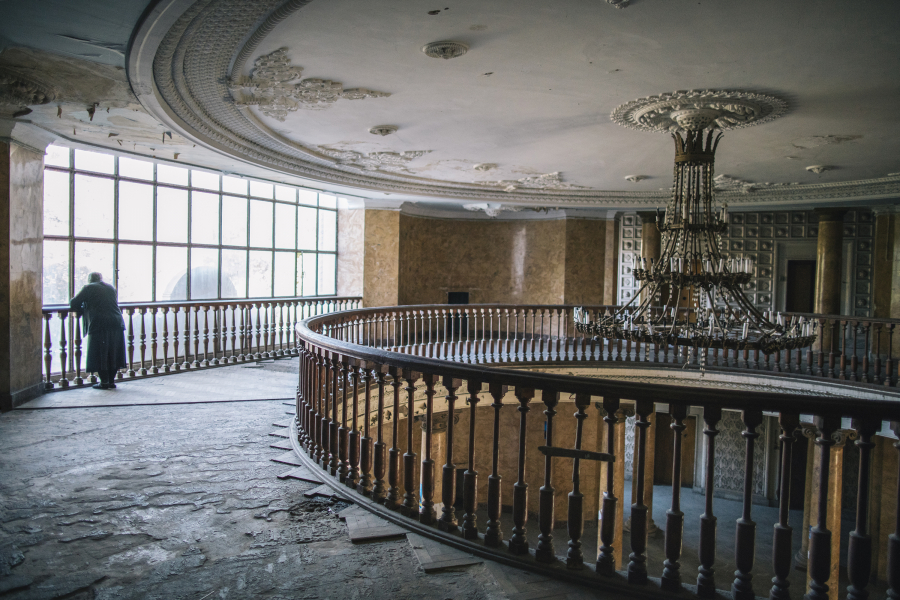
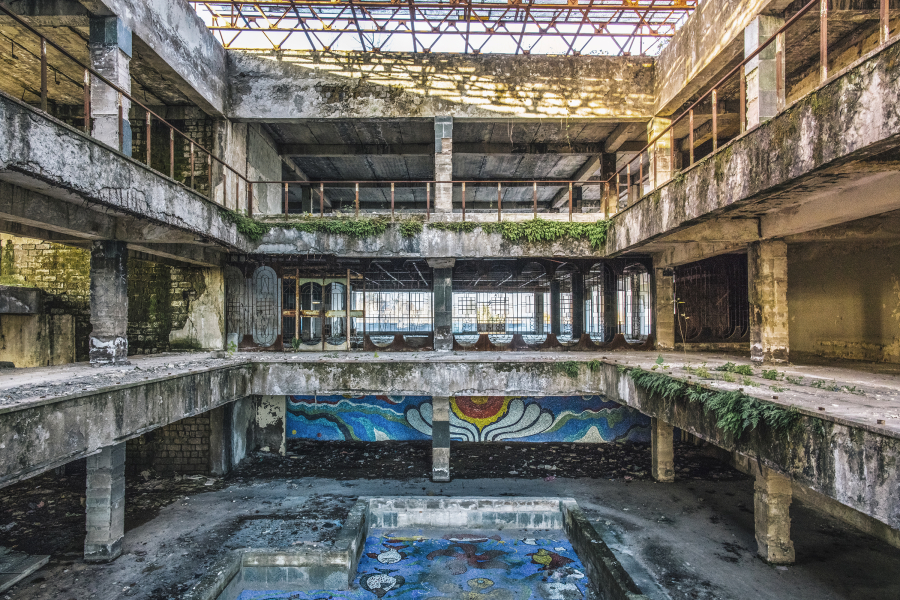
Patients believe that when radon is absorbed into the body, it effectively treats various ailments, from infertility to skin rashes to paralysis.
Stalin's bathhouse
The town's most famous bathhouse is Number 6, built with a record number of 4,000 workers to honor the 1951 visit of Joseph Stalin, then leader of the Soviet Union and a Georgian.
According to local officials, after Stalin's visit, he returned to Moscow and ordered each member of his then-Council of Ministers to build and open their own private sanatorium in Tskaltubo.
Nineteen sanatoriums were quickly built, starting in the 1950s, and by the 1980s, trains full of holidaymakers were running from Moscow to the area every day.
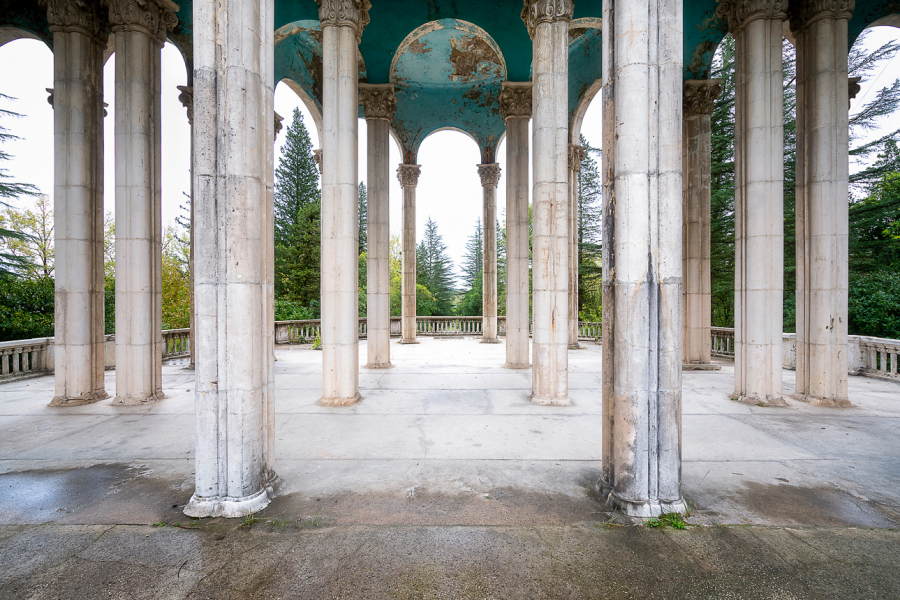
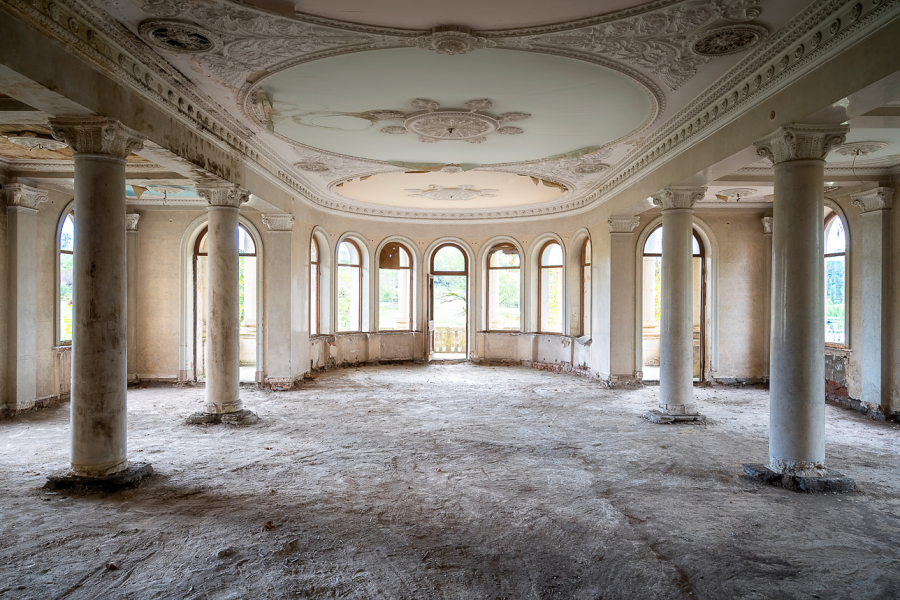
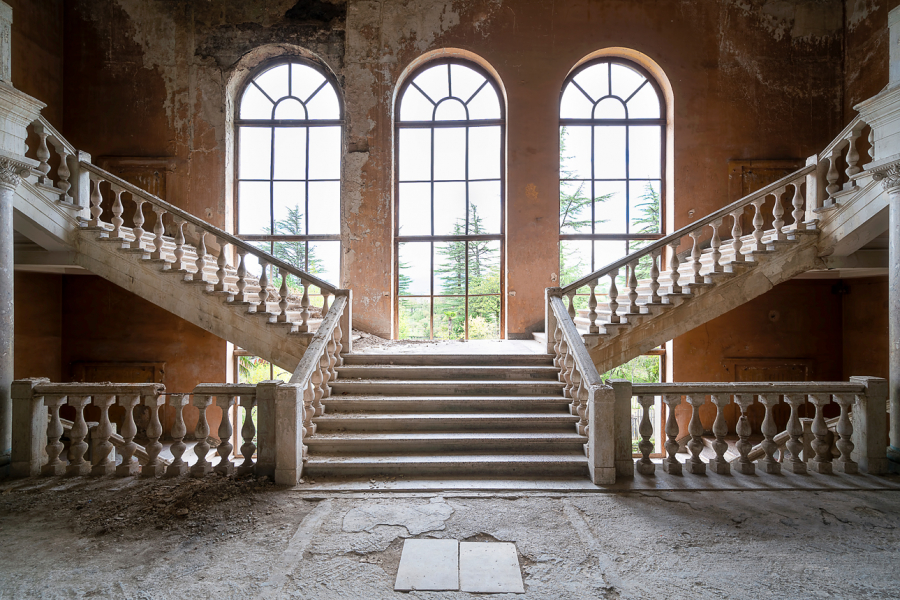
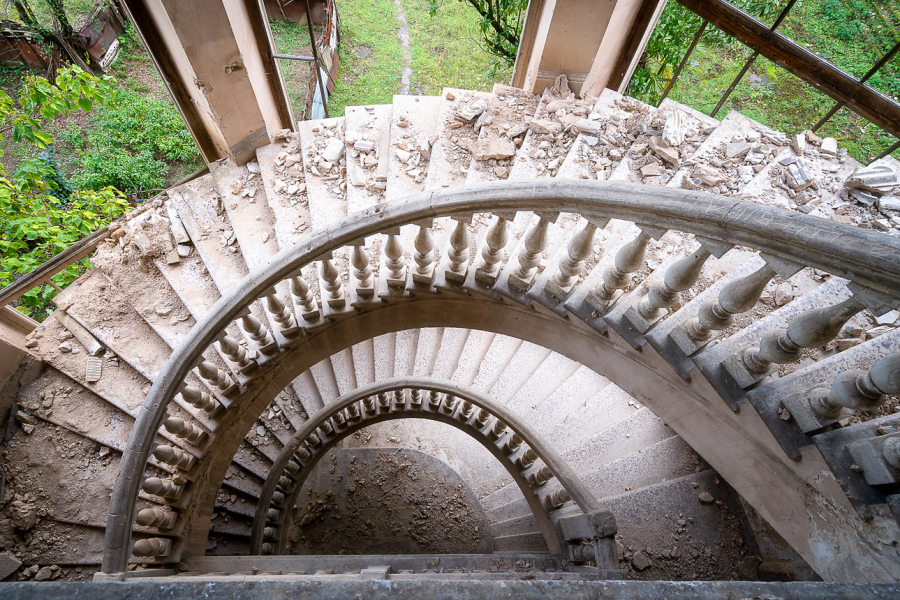
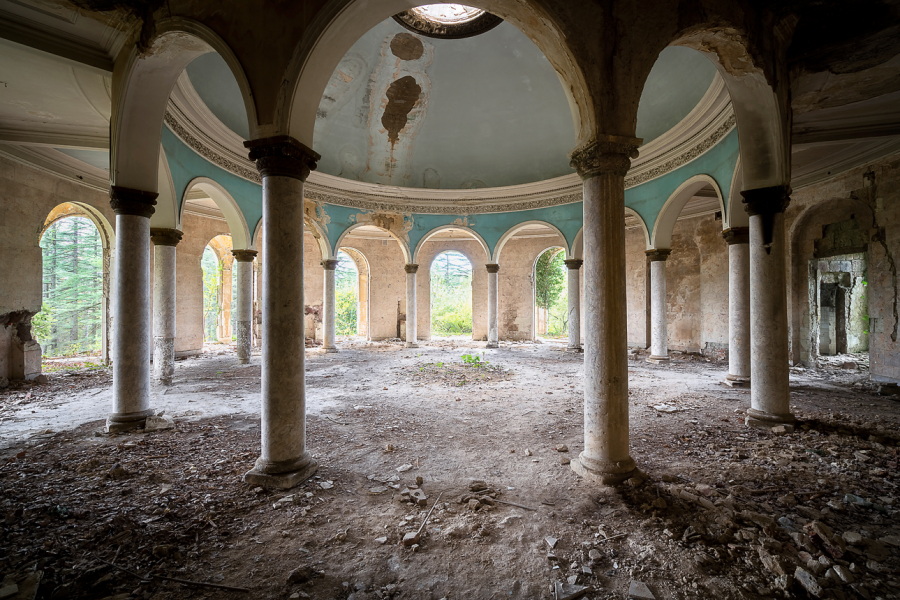
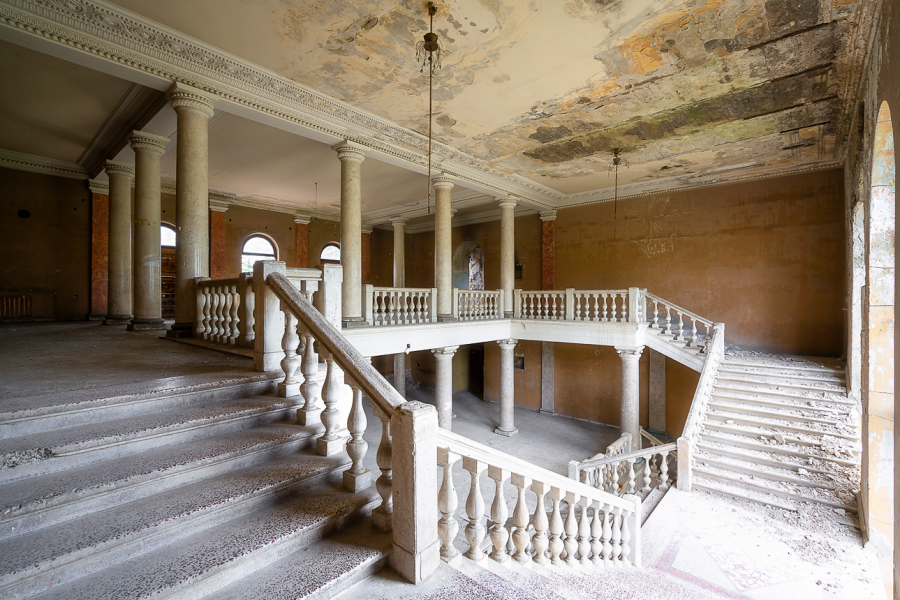
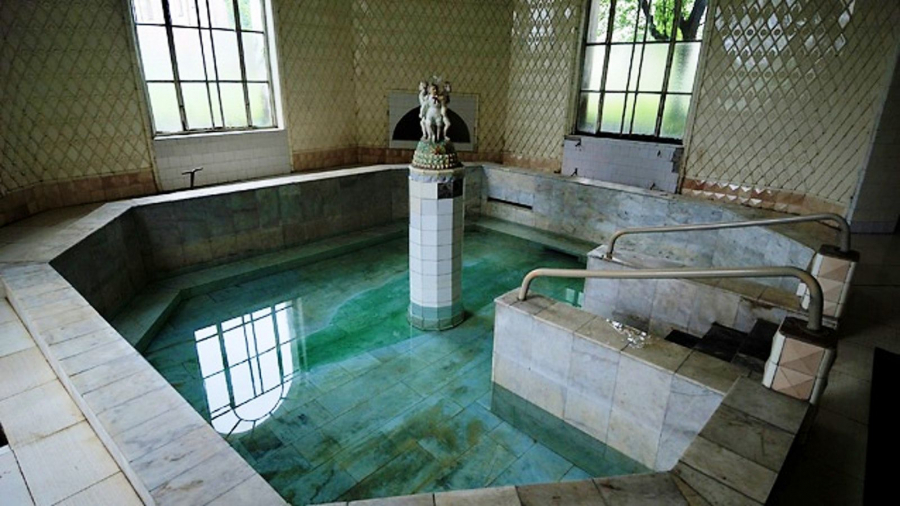
Today, spa treatments, such as mud baths, are still offered to those who visit Bath House No. 6, which remains operational after being privatized and completely restored.

Bizarre abandoned house ruins
When the Soviet Union dissolved, the influx of people to Tskaltubo also ceased. The massive sanatoriums, which relied on state funding, were forced to close, and many locals had to leave to find work elsewhere.
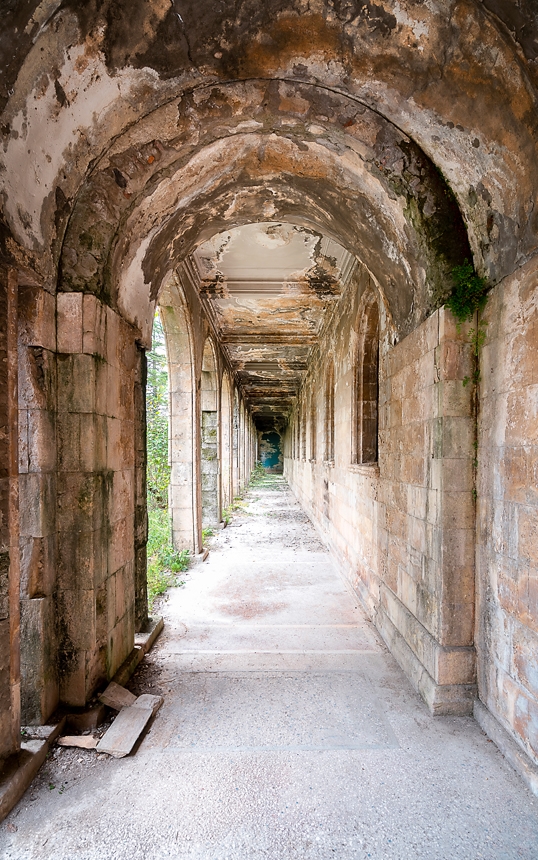
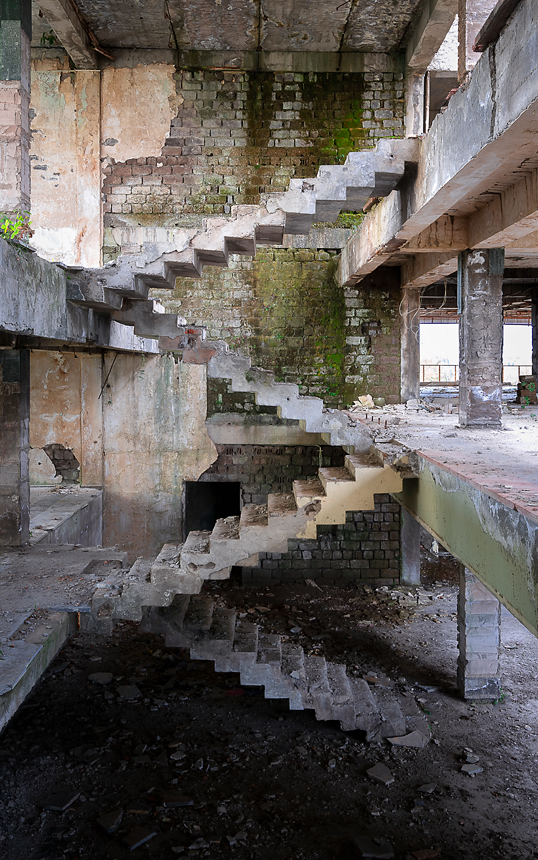
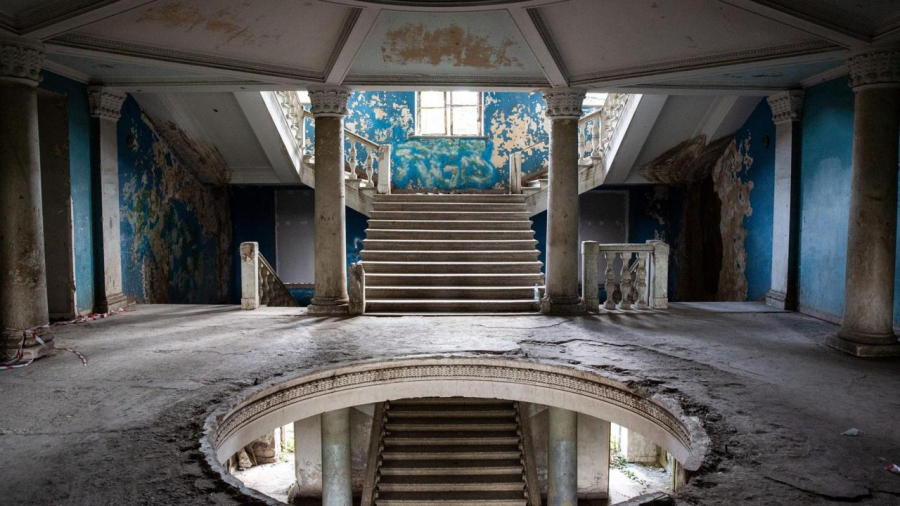
Iveria Nursing Home
Nineteen of the town's nursing homes still exist today. Most have been abandoned, leaving only the remnants of their former glory, and visitors can explore many such desolate places.
The war spread
In 1992, a year after the collapse of the Soviet Union, a bitter conflict erupted when the Russian-backed region of Abkhazia declared independence from Georgia. The civil war lasted 13 months, and more than 200,000 ethnic Georgians fled Abkhazia.
At that time, Georgia's economy was in ruins, and displaced people were housed in various locations across the country, in any building that could be used for habitation.
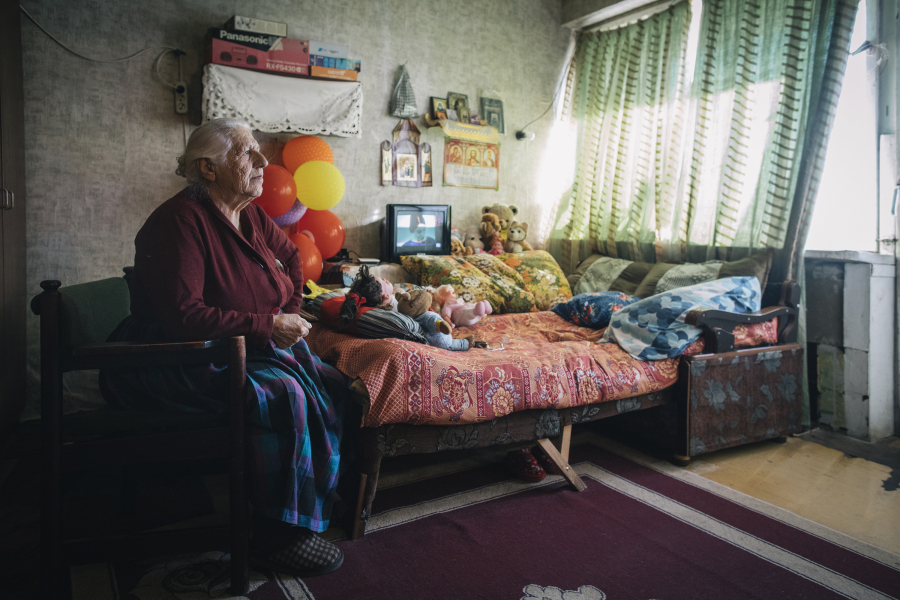
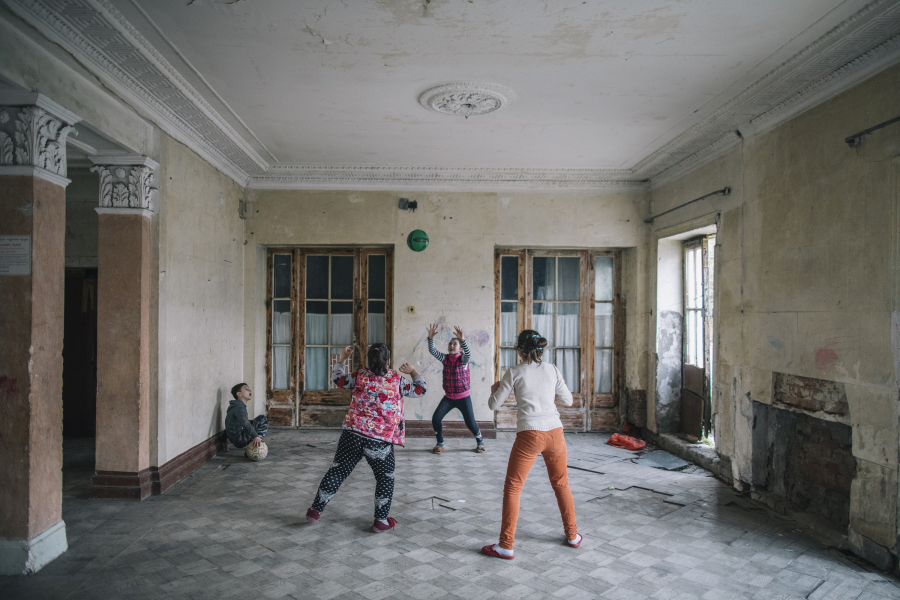
And so some people suddenly found themselves in the strangely opulent but squalid rooms of the Tskaltubo sanatoriums.
Today, 920 families still reside in these rooms that were not designed for habitation.
Second life
More than 25 years later, the situation began to improve.
Georgia's economy is growing steadily, and the country is increasingly recognizing its tourism potential.
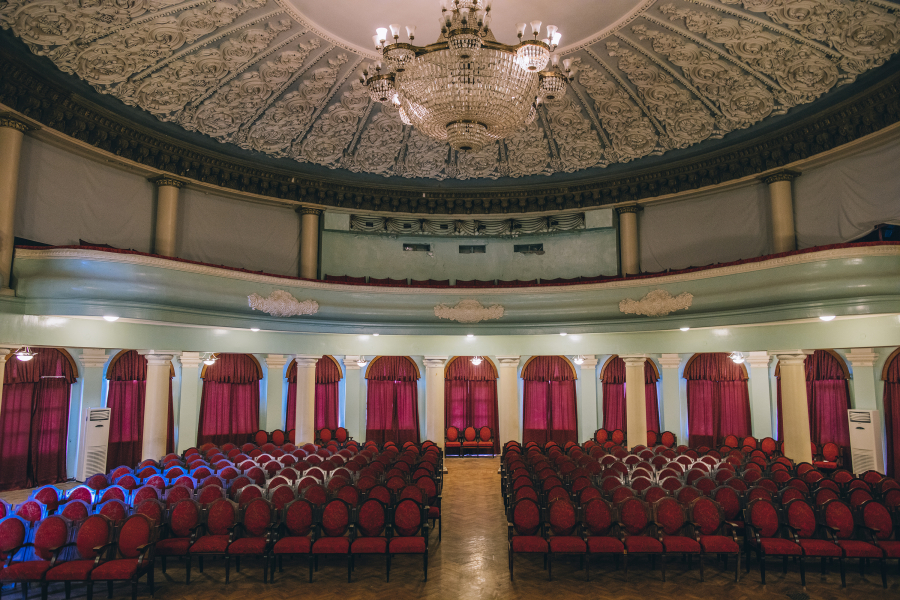
In 2012, the government announced plans to redevelop Tskaltubo into a modern resort town, displaced residents began moving into modern apartments, and investors planned to renovate the dilapidated buildings.
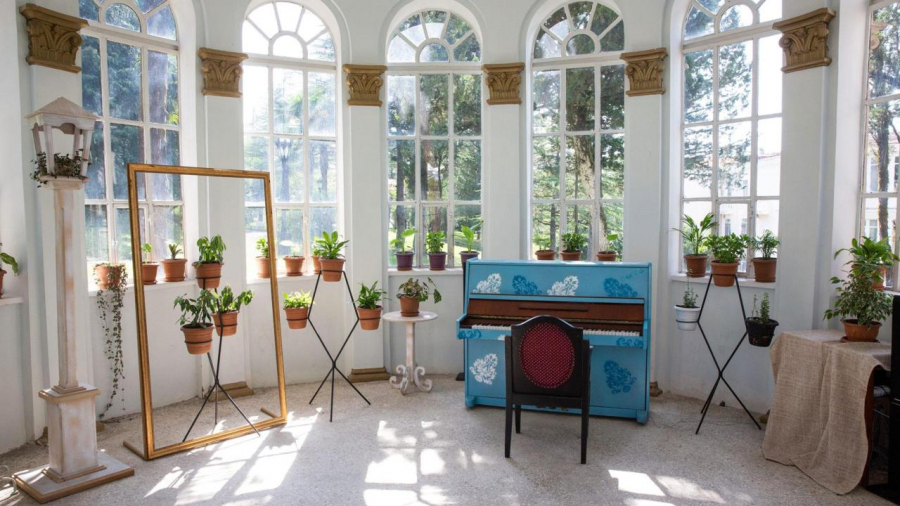
A former sanatorium was privatized in 2010 and renamed the 4-star Tskaltubo Legend Spa Resort. The new owners have renovated the property, with plans to open a private spa on the former site in the near future.
Perfect for taking photos to post on Instagram.
A few years ago, Georgians in nearby towns began to take notice of Tskaltubo's distinctive architecture.
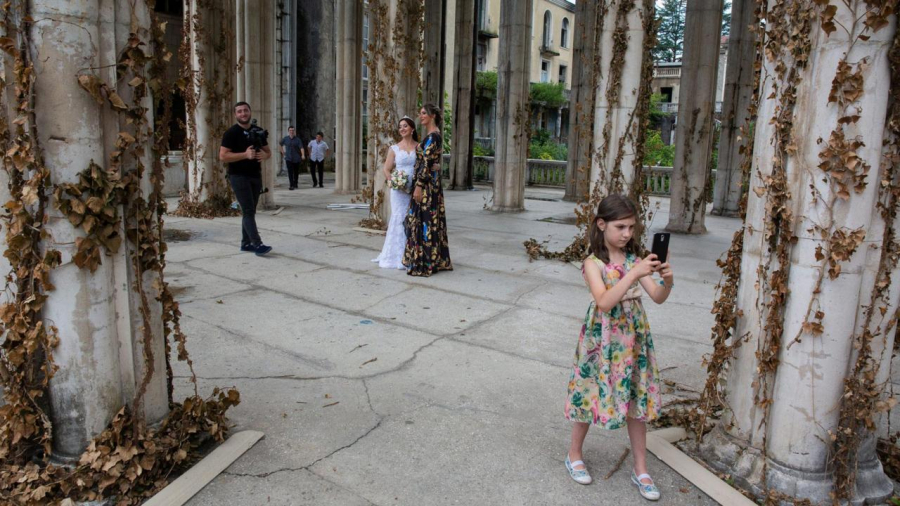
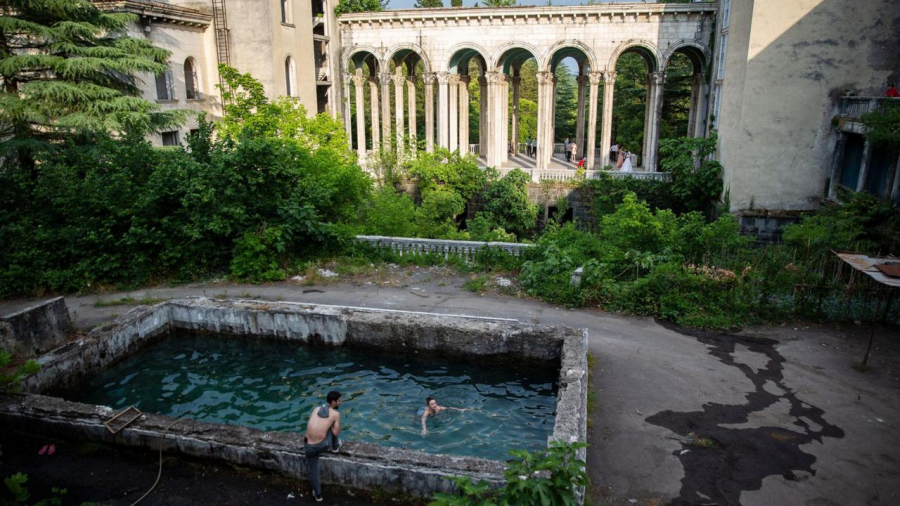
Medea Nursing Home
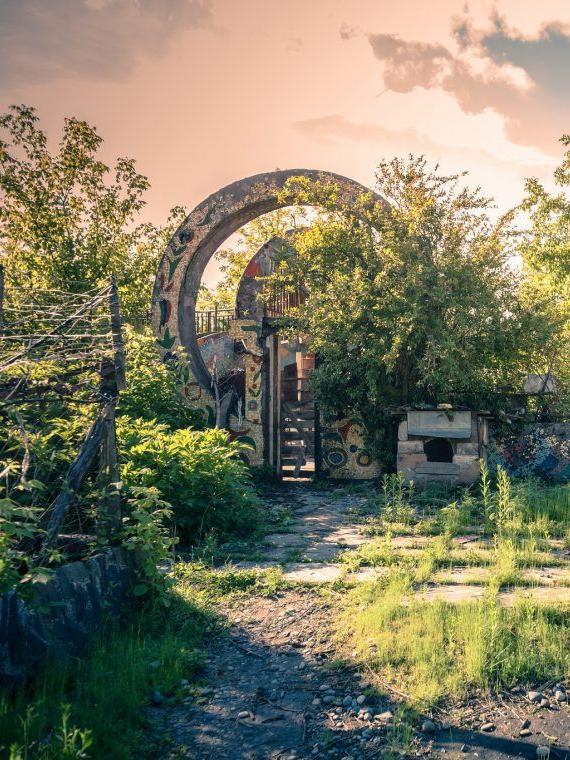
Now, on summer weekends, wedding processions constantly flock to take photos at the marble gate of Medea Nursing Home, despite the fact that the dilapidated and decaying areas of the nursing home are being used by those who were once displaced from their homes.
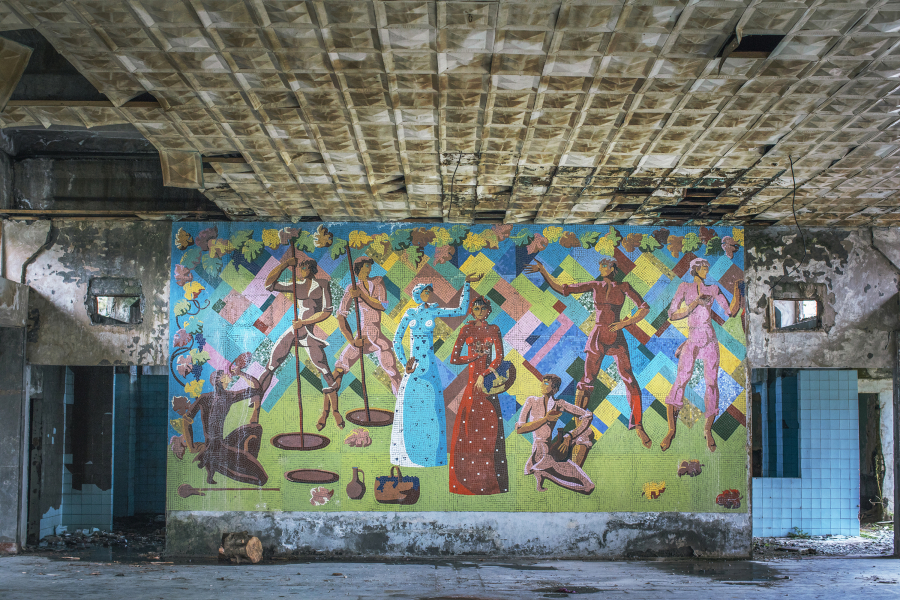
A mosaic with vibrant colors depicts Georgians harvesting grapes for winemaking.
Many other visitors come for spa treatments or to stay in the new hotels, such as the Tskaltubo Plaza Hotel.
A glimpse into Soviet life
As Georgia boomed to become a popular vacation destination, visitors often enjoyed observing how the former Soviet elite vacationed – exploring abandoned sanatoriums, visiting local museums dedicated to the city's Soviet past, or experiencing unique spa treatments.
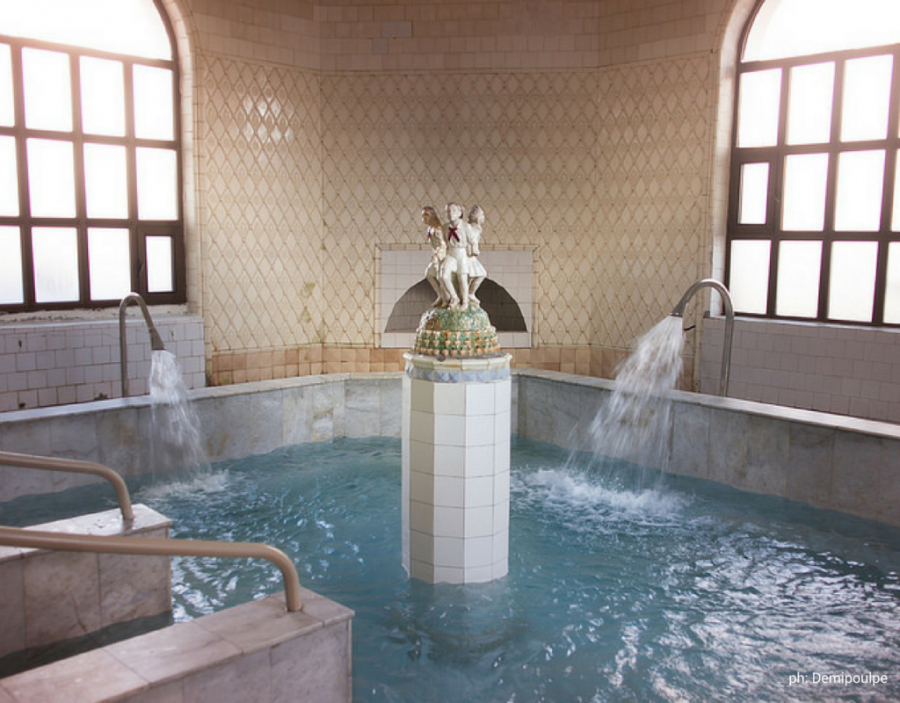
For example, at Bathhouse No. 6, visitors are offered a range of treatments, including sulfur mud masks, hydrotherapy using high-pressure water jets, and colon cleansing.
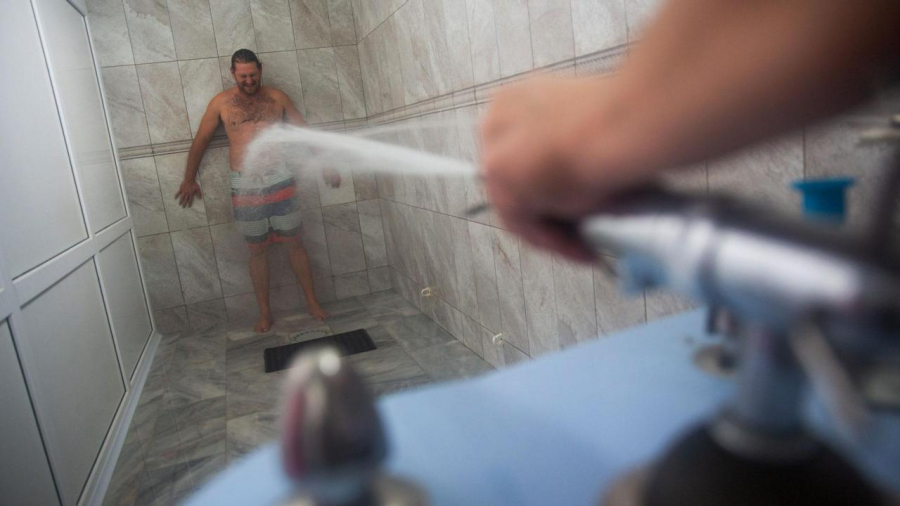
Meanwhile, at the Legendary Tskaltubo Spa Resort, one can visit a preserved apartment complex that once served Soviet VIP guests, or explore the hotel's small museum, which displays items that were used during the Soviet era.
Future
Tskaltubo's future looks bright. With Georgia prioritizing tourism development, Tskaltubo is steadily growing into an attractive destination. Between 2015 and 2018, the number of visitors to this tranquil town nearly doubled.
Investors have begun renovating the Meshkakhte and Iveria holiday homes (although this work is currently on hold), and the Tskaltubo Tourism Development Center plans to improve street infrastructure and train service staff.
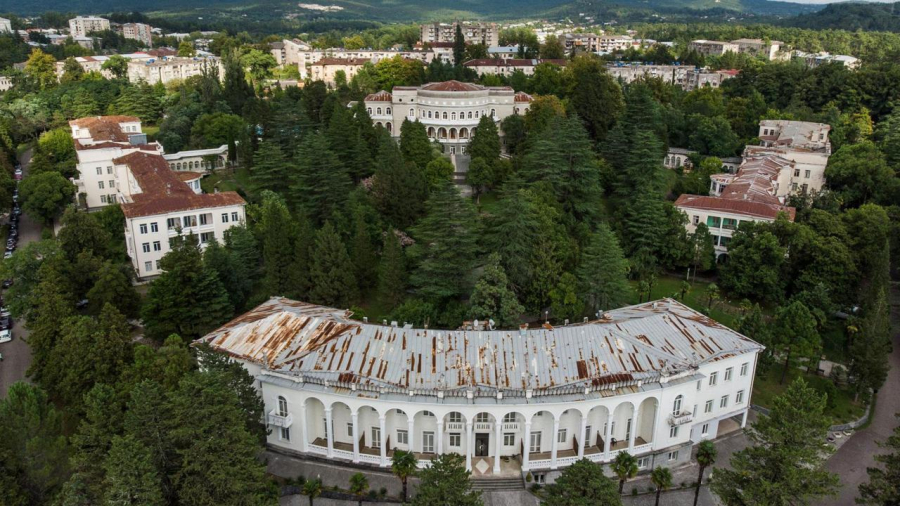
The Tskaltubo heritage site, once reserved for the elite, is having a second life, a new life in the post-Soviet era.