VI
VI


Astronomers once estimated that the observable universe contains about 100 billion galaxies, based on images provided by the Hubble telescope. The age of galaxies is estimated to be between 400 and 700 million years. Meanwhile, the observable universe is 13.8 billion years old.
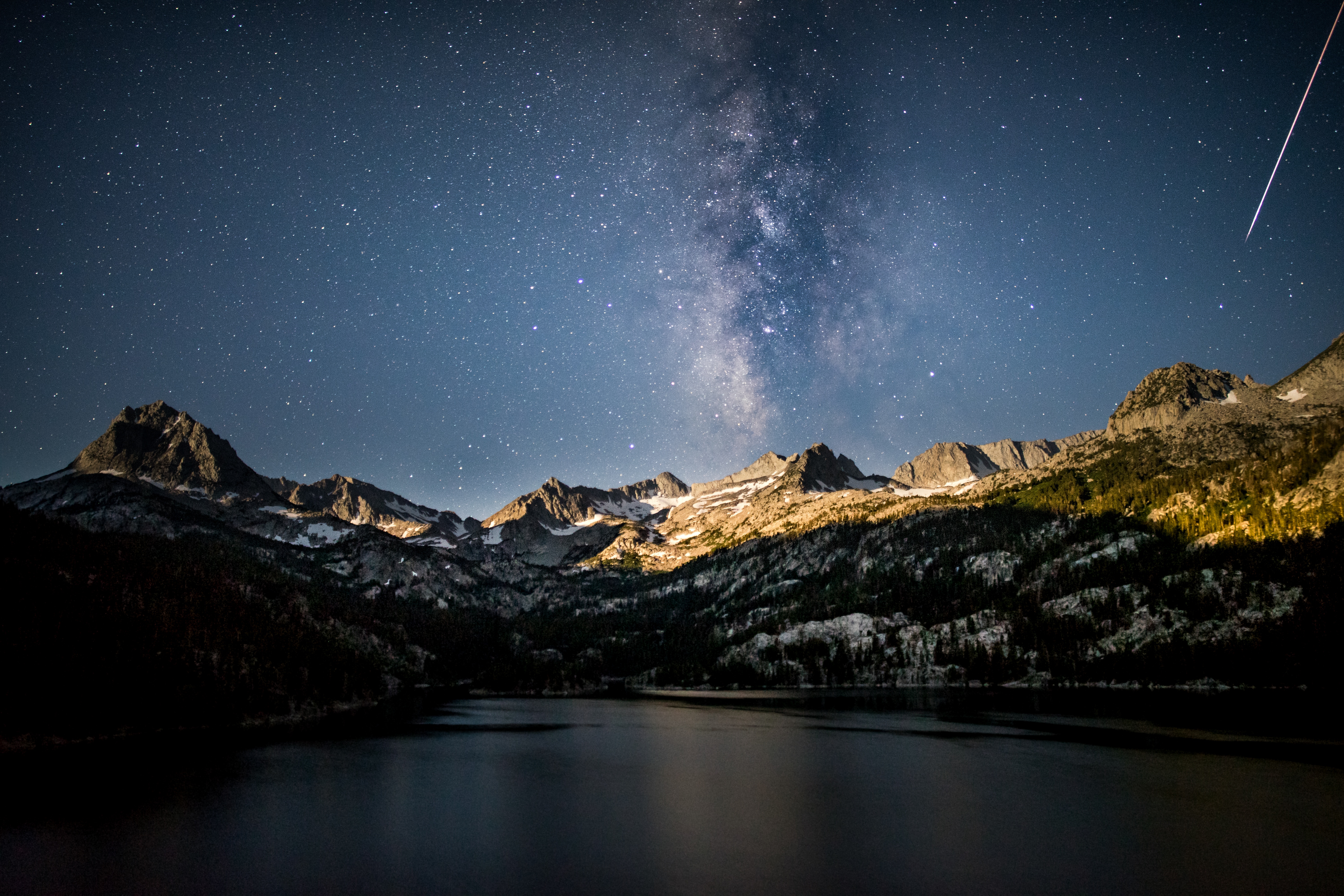
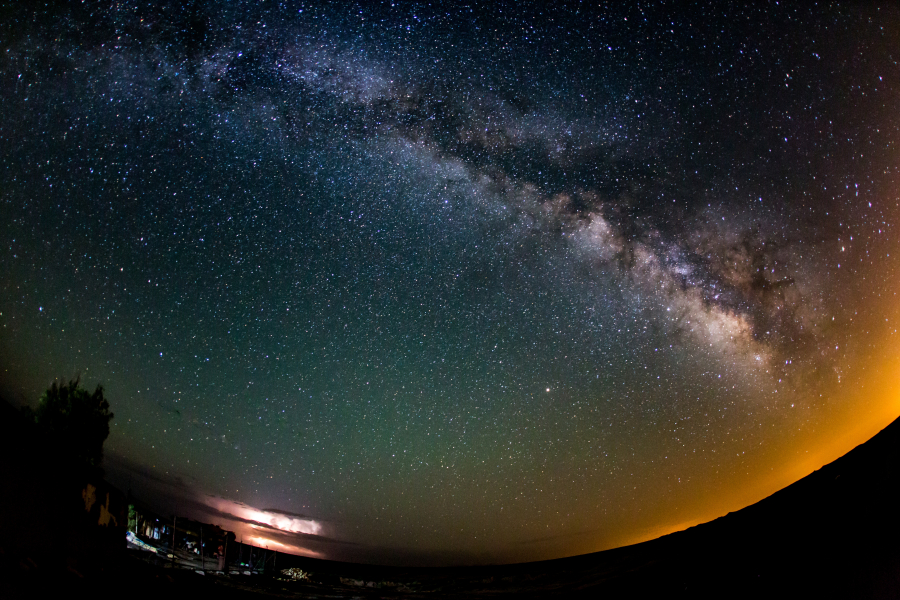
In some places on Earth, on clear nights, we can see a faint white band of light stretching across the sky. Today, we know that this band of light is the main disk of our galaxy. Our galaxy is called the Milky Way, one of 100 billion galaxies in the universe, which contains our solar system and Earth. The Milky Way isn't visible everywhere because its light is relatively dim and easily affected by light pollution, overly bright moonlight, or a sky that isn't dark enough to see it.
And witnessing the magical dome of the Milky Way rising from the horizon is one of the most amazing experiences in life. Here are some destinations where you can see the Milky Way with the naked eye.
Isfahan Province - Aran o Bidgol, Iran
Trillium Lake Dam, Government Camp - USA

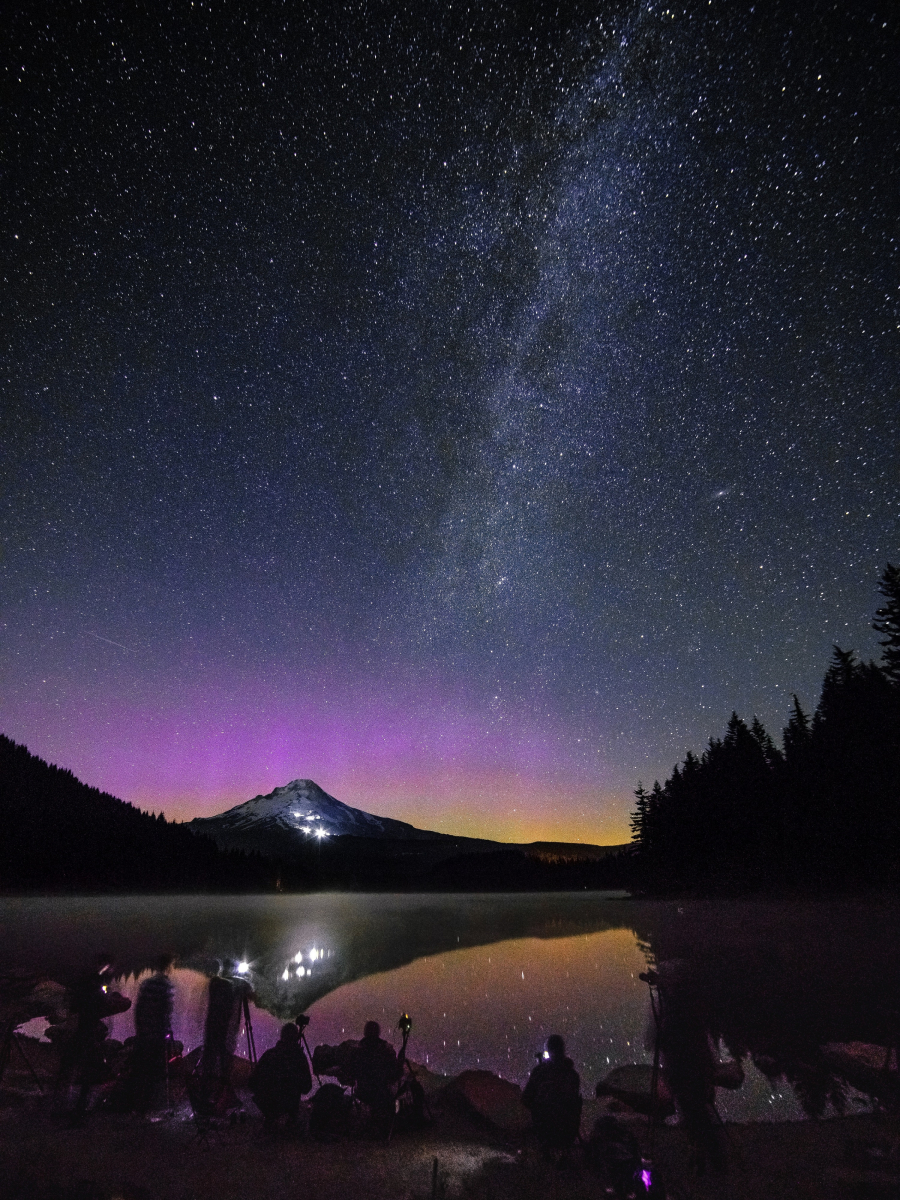
Bishop - USA
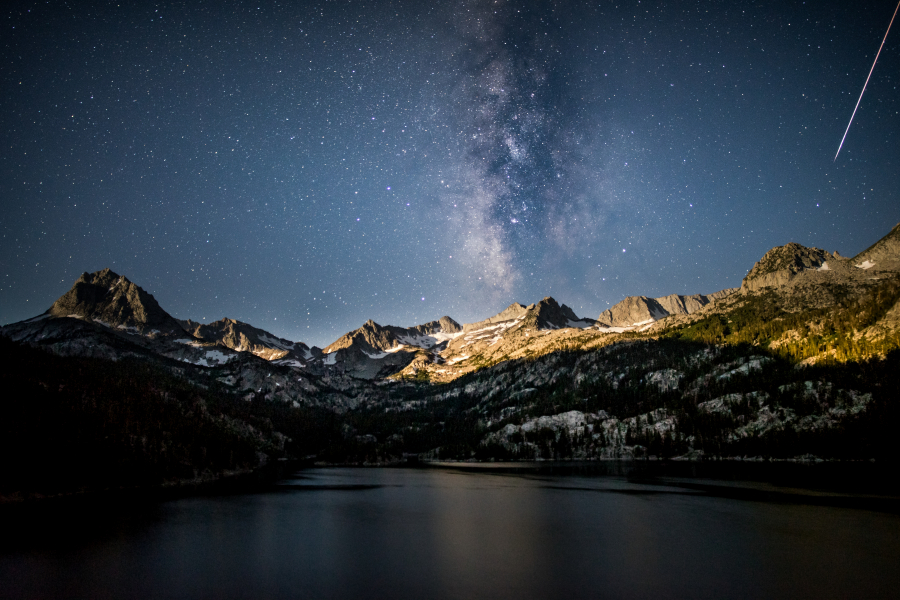
Unterageri - Switzerland
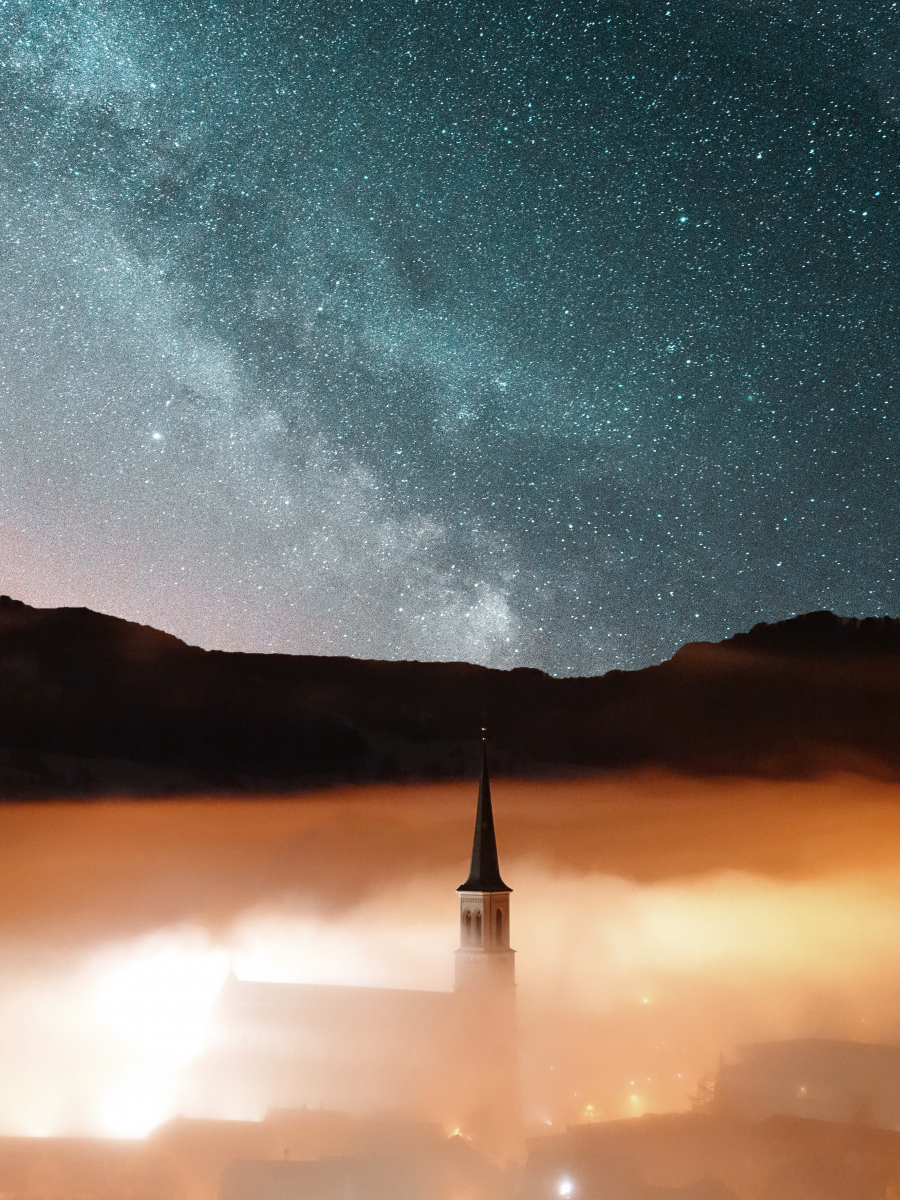
Nanjizal Beach, St Just - United Kingdom
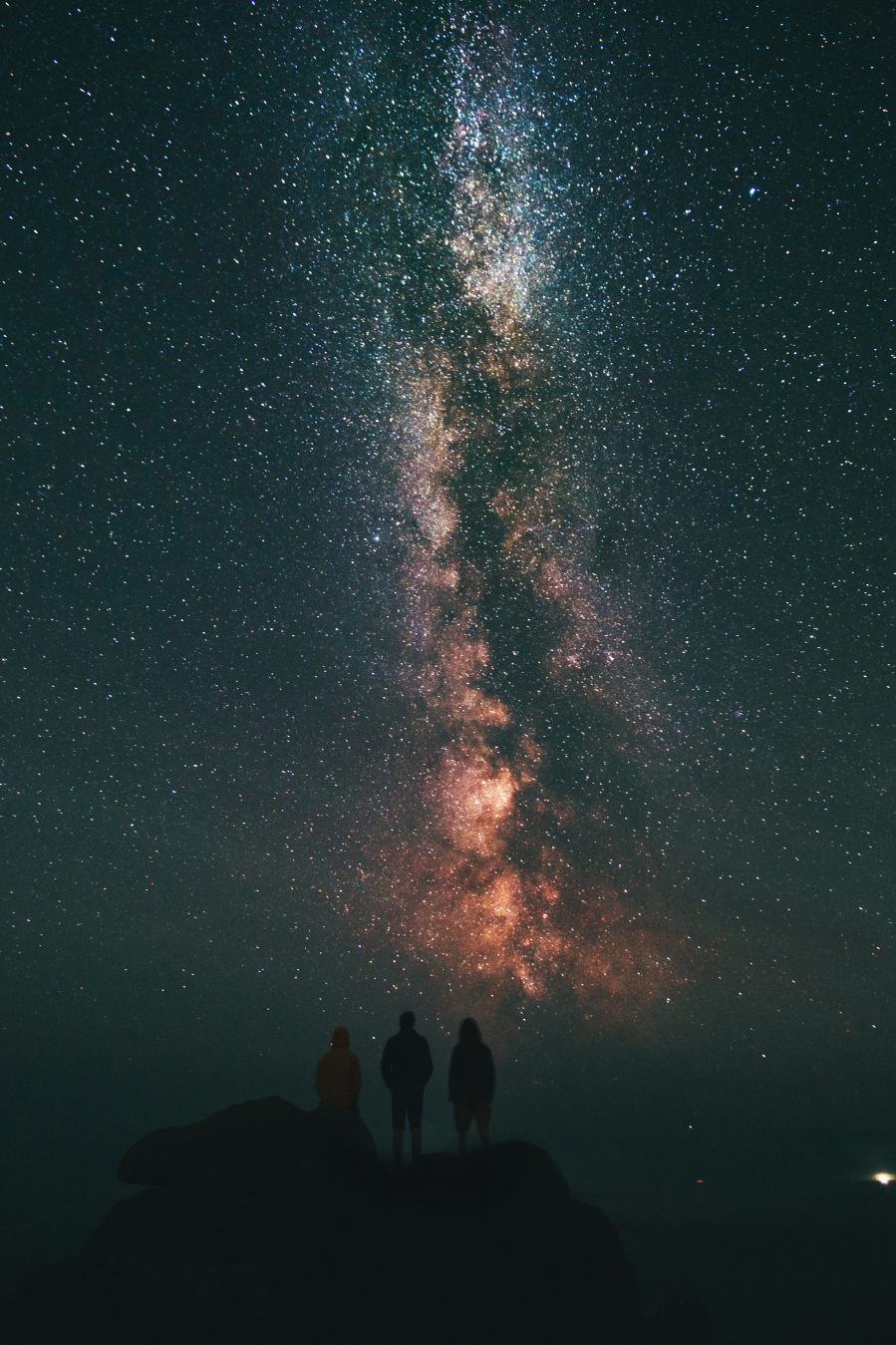
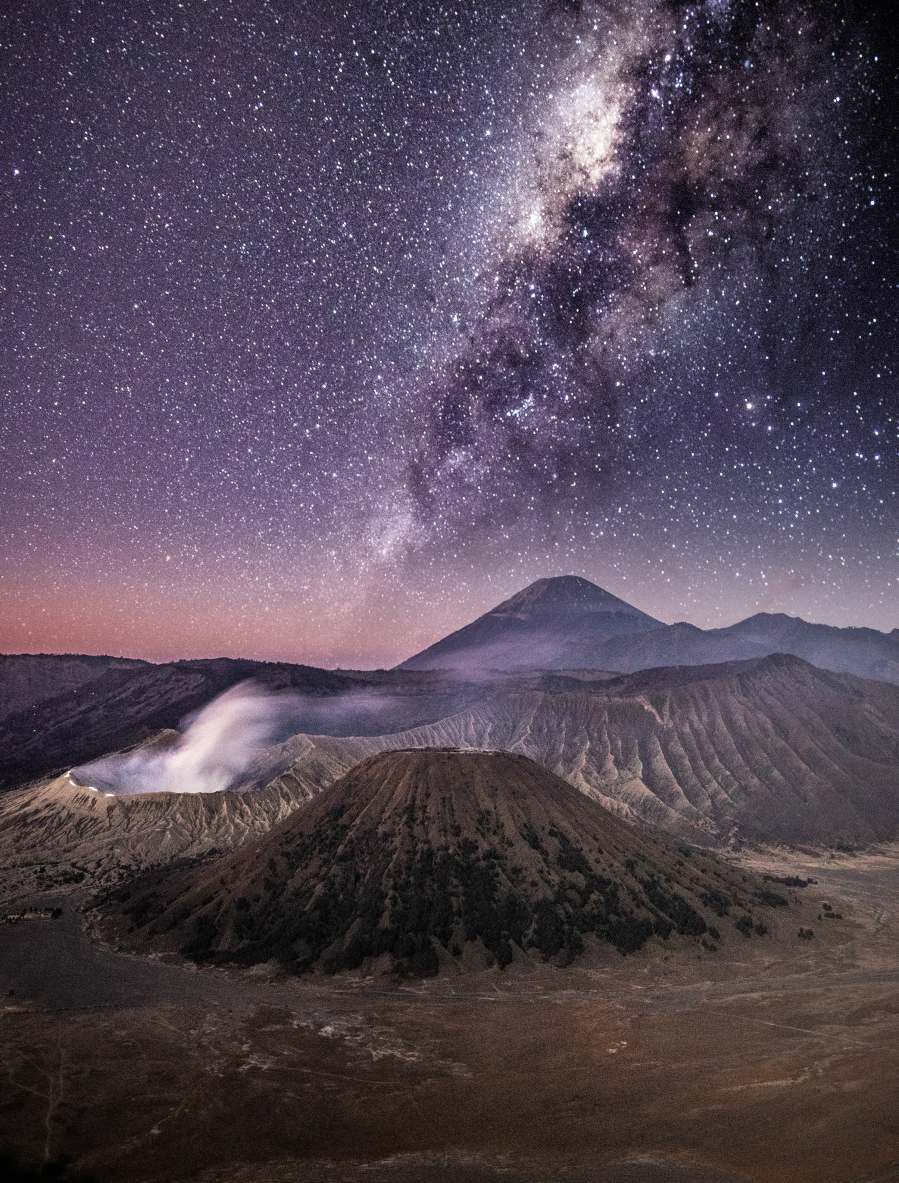
Mount Bromo - Indonesia
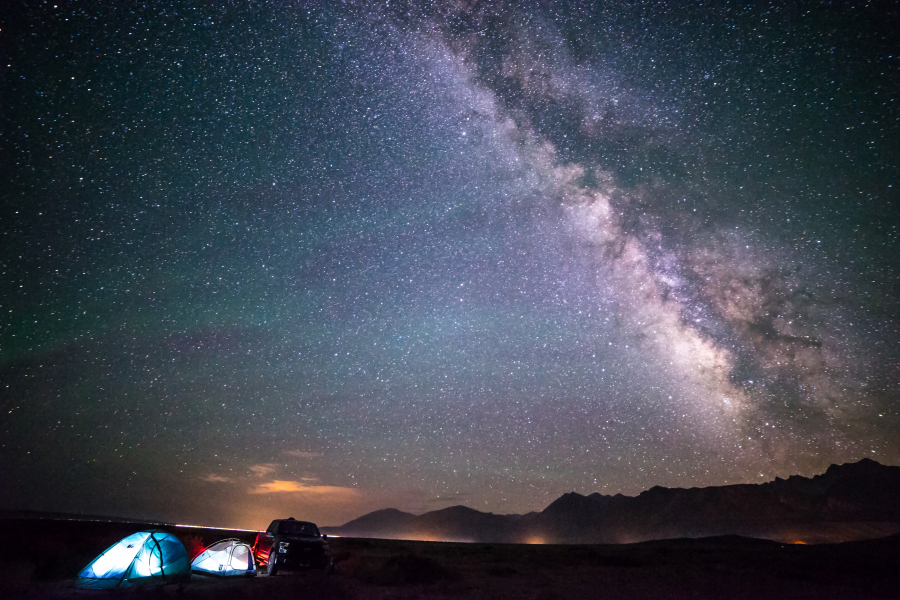
Mammoth Lakes - USA
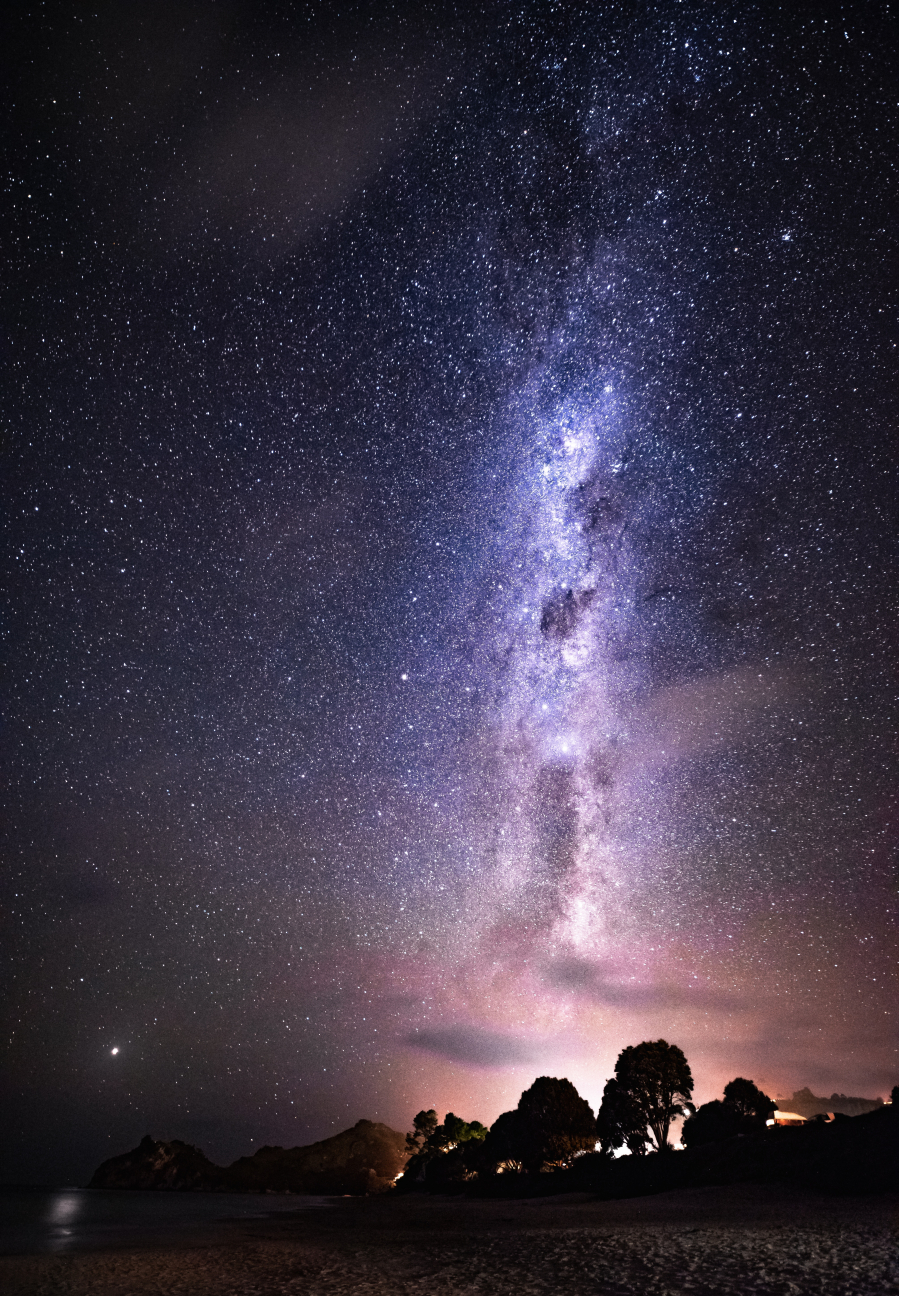
Hahei - New Zealand
California, USA
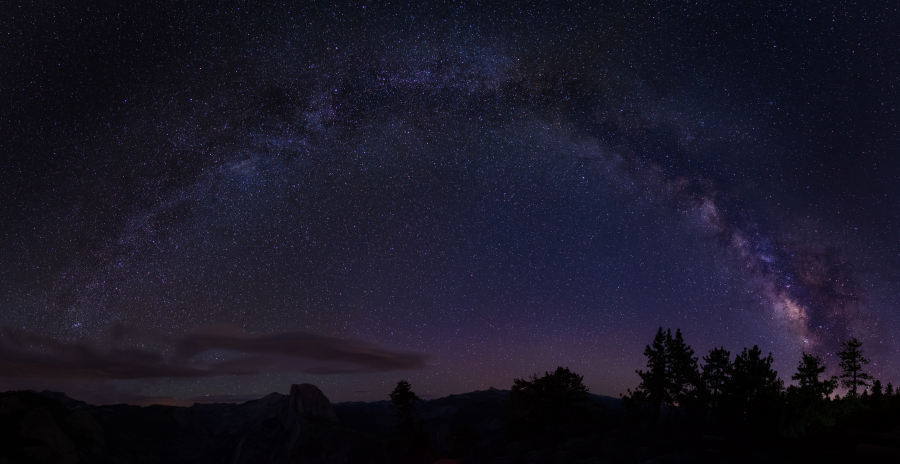
On days when a cold air mass passes through, the sky becomes clearest. You need to stand for a while under the night sky for your eyes to fully adjust to the darkness. After about 20 minutes, your eyes can perceive the faint light from the stars. What you see will be a faint, white streak of light, stretching in a large arc from the south to the northeastern horizon, looking closely like specks of light, resembling a fluffy cloud.