VI
VI


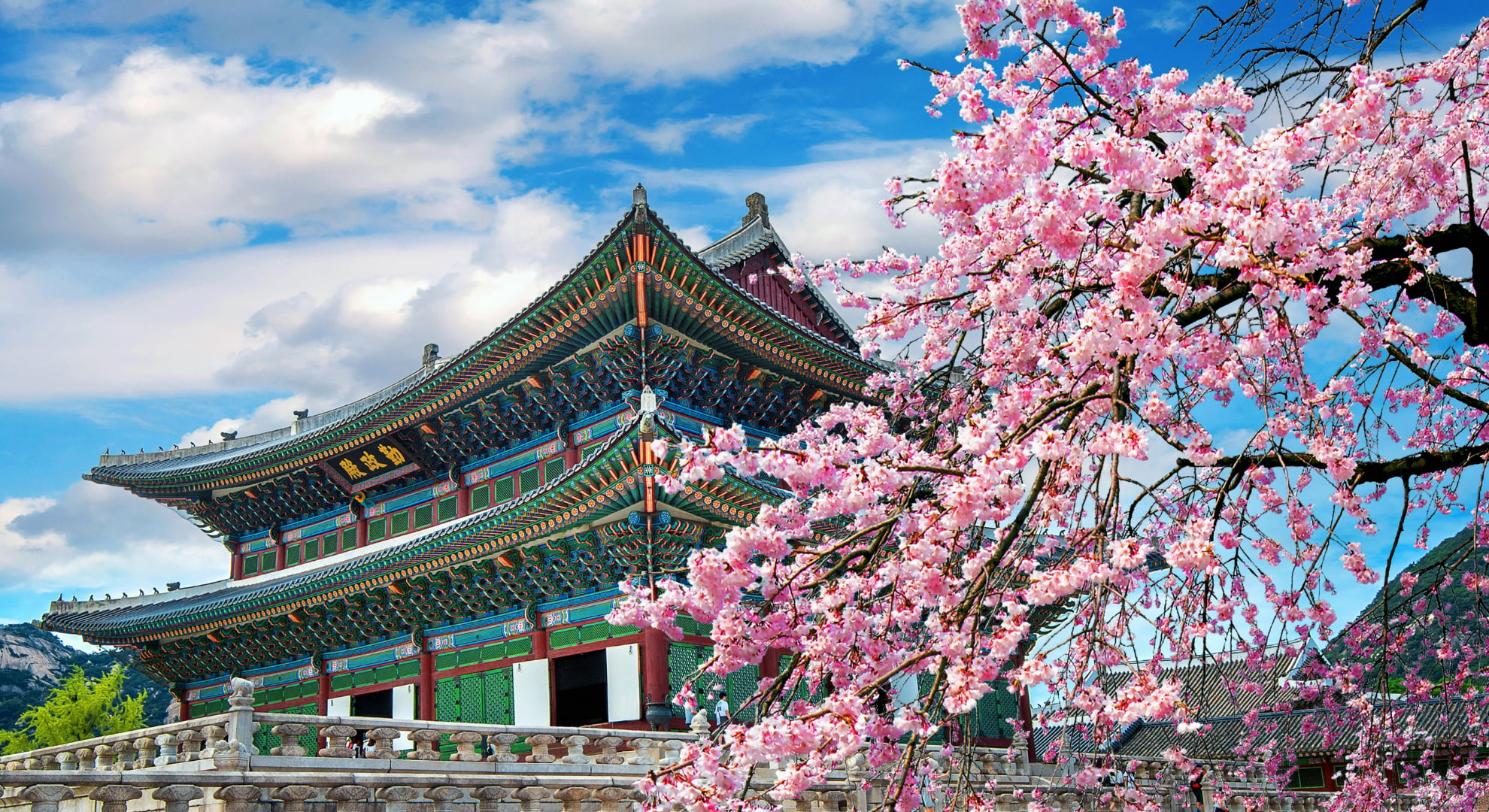
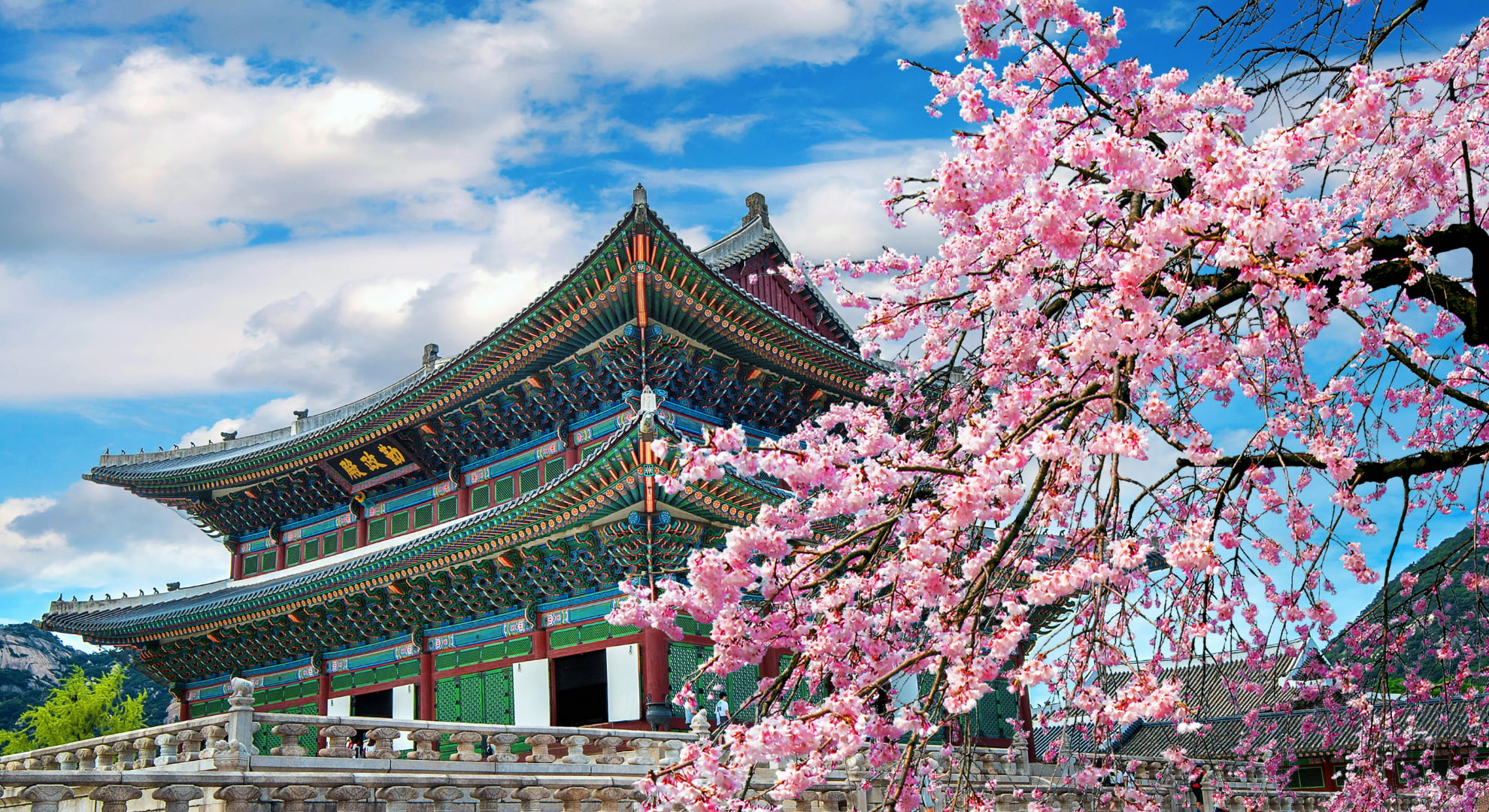
This is seen as a strategic effort to maintain the strong recovery momentum of the international tourist market amidst impressive growth in demand for exploring South Korea. This announcement immediately attracted the attention of the tourism community, opening up significant cost savings opportunities for Vietnamese travel agencies and tourists planning to visit South Korea in the second half of 2026.


Specifically, starting from July 1st, the policy of waiving visa application fees for South Korean tourists will be extended until December 31st, 2026. Previously, this visa fee waiver program, worth approximately US$15 (equivalent to 23,000 won), received a positive response from the market and was expected to end at the end of June.
Besides Vietnam, the list of countries eligible for this preferential treatment also includes Cambodia, China, India, Indonesia, and the Philippines. This decision is not only a warm welcome message from the South Korean government but also an important leverage to stimulate tourism, simplifying financial procedures for tourists choosing package tours.
This change is based on encouraging statistics from the South Korean Ministry of Justice for 2025. According to these figures, over 790,000 international visitors entered the country on group tourist visas, representing a 39% increase compared to the previous year.
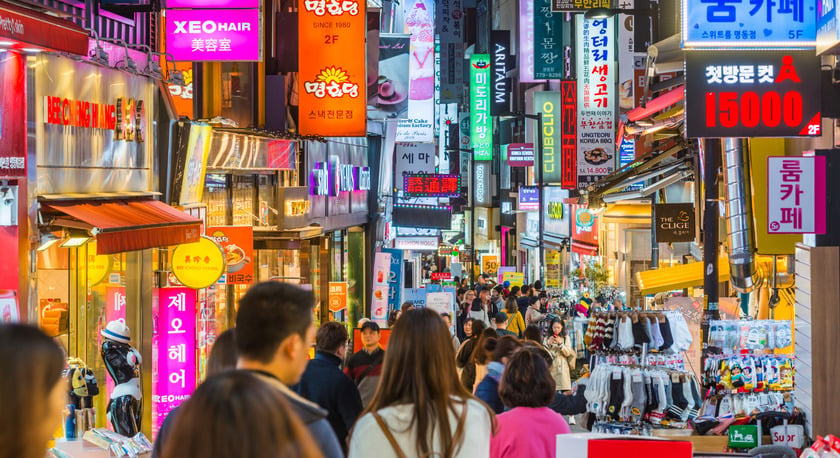
The policy of extending visa fee waivers is expected to continue attracting a large number of Vietnamese tourists to visit.
In particular, the Chinese tourist market achieved an impressive growth of 48%, while tourists from Vietnam also maintained a stable growth rate of 5%. A notable bright spot in the South Korean tourism landscape is the Indian market, where the number of group tourists has more than doubled, from 573 in 2024 to 1,120 in 2025.

These telling figures are clear evidence of the enduring appeal of South Korean destinations to Asian tourists.
Furthermore, the South Korean Ministry of Justice also emphasized the stability in immigration management. Notably, the rate of tour group members who voluntarily leave their tours to reside illegally has sharply decreased, to only 0.07% in 2025. This figure is more than half the 0.19% of 2024, indicating that the current tour group operation process is becoming increasingly well-organized and efficient.
This positive improvement not only strengthens the confidence of South Korean authorities in travel agencies but also creates a favorable foundation for the country to continue maintaining and further easing visa policies in the future.
Extending the visa fee waiver policy is not simply about reducing costs for tourists, but also a result of improved diplomatic relations and the strong global influence of Korean culture. The waves of Korean films, music, and cuisine remain an irresistible attraction, making the country a "dream destination" for generations of Vietnamese travelers.

The South Korean Ministry of Justice's efforts to ease visa policies have significantly contributed to the strong recovery of the tourism industry.
The South Korean Ministry of Justice expects that by reducing procedural and cost barriers, the influx of international tourists traveling in groups will continue to flow into South Korea, thereby directly boosting the revival of domestic tourism and generating significant profits for local economies.
For Vietnamese tourists, this policy is a real boost for those planning to visit South Korea in the upcoming autumn foliage season or the snowy winter. Traveling in a group not only allows tourists to fully enjoy professional services and minimize risks during travel, but it is now more economical than ever thanks to the visa-free policy.
Travel companies in Vietnam are also quickly taking advantage of this to create competitively priced and diverse tour packages to South Korea. This is the perfect time for Vietnamese tourists to complete their applications and get ready for a complete, safe, and inspiring South Korea experience in the final months of 2026.