VI
VI


ONE STEP LATE
Currently, many countries around the world have implemented solutions to reopen tourism. Indonesia has chosen Bali to study a model for welcoming international tourists, and Thailand has selected Phuket to revive its tourism industry by July. More importantly, with the mass vaccination against Covid-19, these countries, which are competitors of Vietnam's tourism industry, are ready to reopen to tourists. This means that Vietnam's tourism opportunities will decrease, and it is uncertain when our tourism industry will catch up, as preparation will take at least several months.
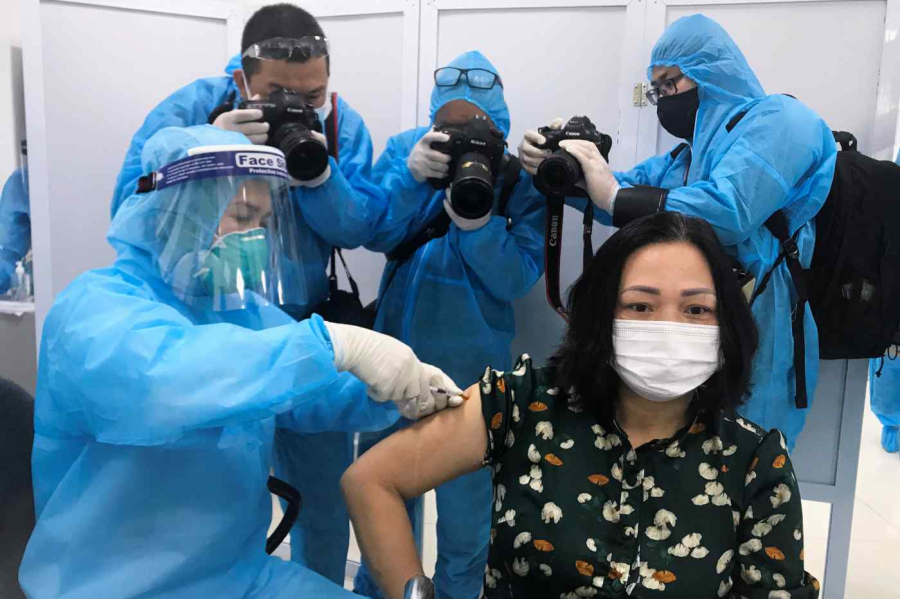
Currently, Vietnam is also implementing a Covid-19 vaccination program.
Meanwhile, focusing solely on domestic tourism recovery will hardly fully revive the tourism industry, especially for tourism businesses and hotels that have suffered a severe blow from the Covid-19 pandemic. Furthermore, revenue from international tourists reached $18.3 billion, while the number of domestic tourists only accounted for one-fifth; and revenue from 85 million domestic tourists was only $14.5 billion. An international tourist visiting Vietnam spends an average of around $1,000, while Vietnamese tourists spend only $170. Opening up to international tourists would significantly increase revenue.
The reality is that international tourism cannot recover without domestic tourism recovering first. Therefore, in terms of priority, international tourists come second. However, Vietnam needs to prepare early. Singapore, although not yet open to tourists, has already developed detailed plans and roadmaps to prepare for welcoming visitors since December last year, and can implement them immediately when needed.
A passport and vaccine are not the only way.
Currently, Vietnam is also vaccinating over 37,000 people. This provides a basis for Vietnam to begin researching a roadmap for reopening to international tourists with a "vaccine passport." The application of a "vaccine passport," as well as cooperation between countries, will facilitate the travel of citizens, help economic recovery, and this policy is receiving widespread support. This could be a solution to attract foreign tourists to Vietnam, helping the tourism industry overcome difficulties because tourists can come without quarantine.
According to the global management consulting firm McKinsey & Company, despite the positive impact of domestic tourism, Vietnam will still be dependent on international markets, with total spending reaching $12 billion. However, how should opening up the skies and welcoming international tourists be done to ensure both pandemic control and economic development? What can we learn from regional countries like Thailand and Indonesia?
Representatives from the Vietnam National Administration of Tourism stated that opening up to international tourists using "vaccine passports" requires a pilot model, focusing on low-contact tourism and involving businesses capable of ensuring the safety of both tourists and the community. Furthermore, each country has a different reopening plan based on its specific infrastructure and available resources. In Vietnam, the reopening roadmap will follow a step-by-step pilot approach, not a mass reopening. The reopening will also prioritize low-contact tourism.
Currently, the General Department has received a proposal from the South Korean ambassador regarding a model of quarantine tourism combined with healthcare and golf.

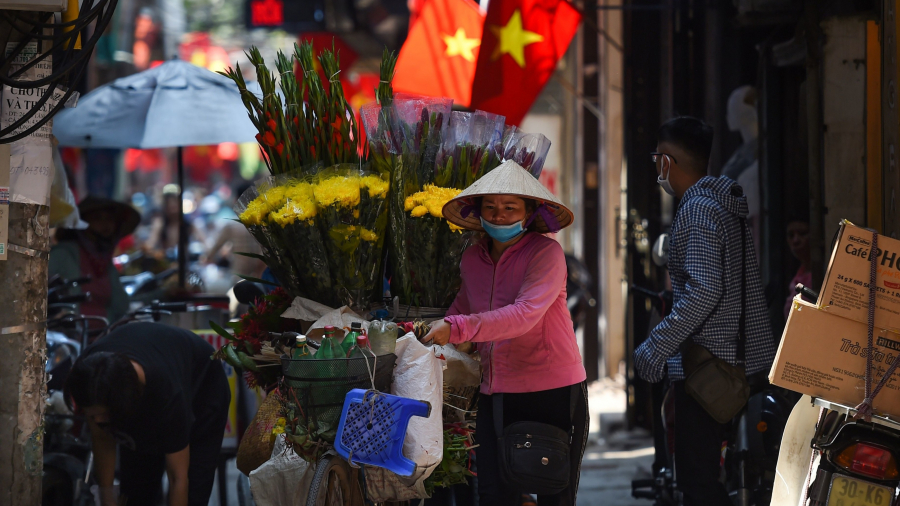
"Vaccine passports" will facilitate tourism and help economic recovery.
Furthermore, the reopening process will also select participating businesses that have the potential and capacity to implement safety procedures and handle incidents. In addition, there must be consensus with local authorities, preparation of infrastructure, and coordination with the Ministry of Health to implement travel passes.
Representatives from the Vietnam National Administration of Tourism also stated that many people, upon hearing about "vaccine passports," immediately think of additional procedures. However, it's important to understand that a "vaccine passport" is a travel document used to manage the health of those entering and exiting the country, allowing tourists to prove they are in good health and do not carry infectious diseases.
WILL TOURISM REOPEN FROM Q3?
According to Mr. To Viet Thang, Deputy General Director of Vietjet Air, this is the time for airlines and travel agencies to work together to find solutions to bring international tourists back to Vietnam safely and on time. The receiving markets must ensure the best possible safety measures against the pandemic, be approved by the Government, and have bilateral agreements for bringing and receiving tourists.
Meanwhile, Ms. Tran Thi Nguyen, a representative of Sun Group, stated that the tourism industry relies heavily on domestic tourism, and this market still has significant potential for development. However, the international tourist segment remains crucial, with over 50% of revenue coming from this group. If Vietnam doesn't start its tourism activities soon, it will miss the opportunity to attract international visitors.
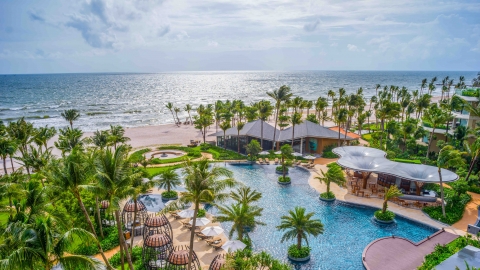
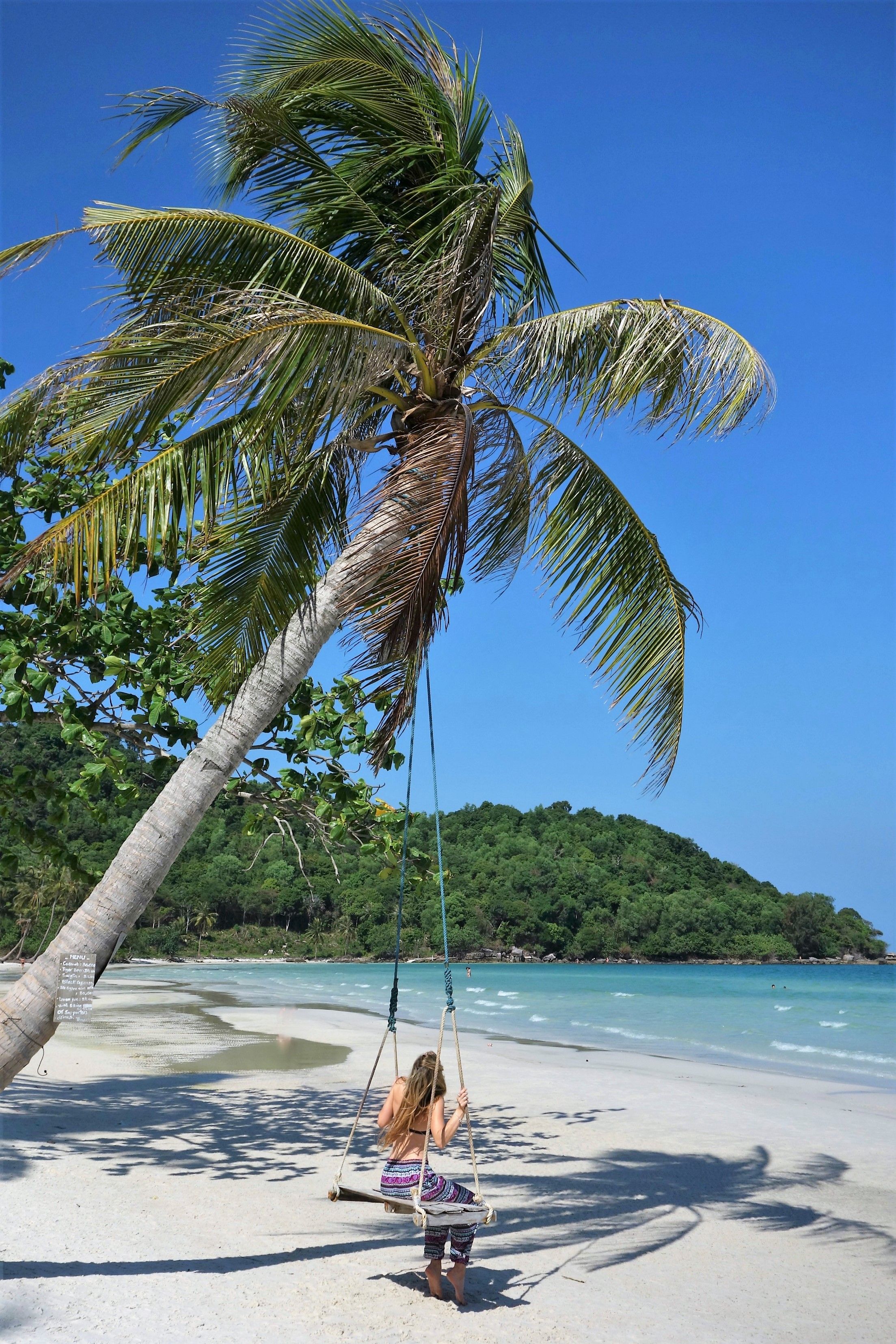
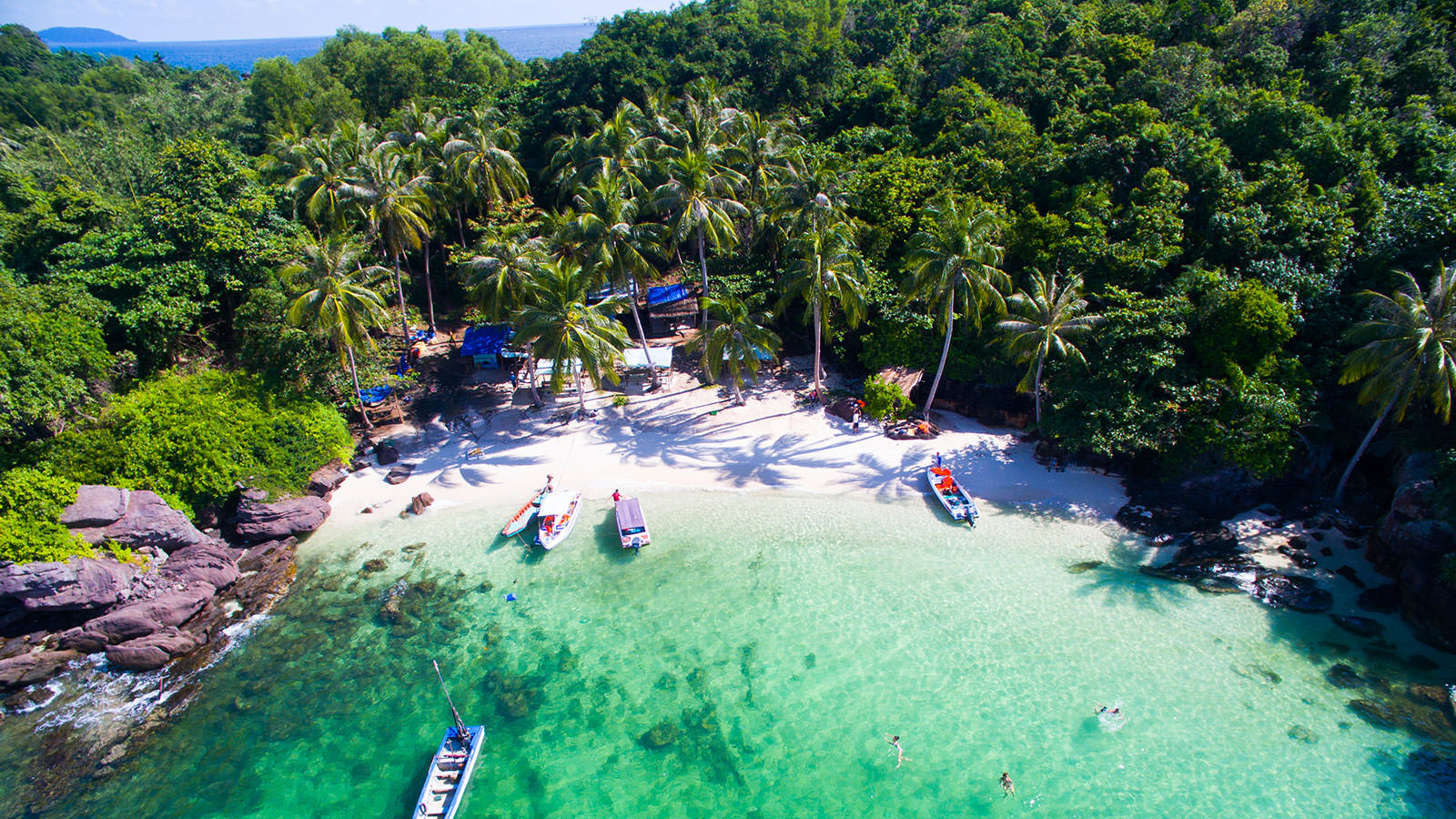
According to Ms. Nguyen, Phu Quoc is the "perfect" location to pilot the reopening of international tourism, and then gradually reopen to other localities with good pandemic control records. In particular, this is also an opportunity for Phu Quoc to expand its market to include Russian tourists, who are "high-spending visitors who enjoy warm weather, don't travel much, and prefer longer stays."
"One of the reasons Phuket and Bali are attractive to tourists is their visa-free policy. Therefore, along with building a safe reopening roadmap, Vietnam also needs to study its visa policy," Ms. Nguyen suggested.
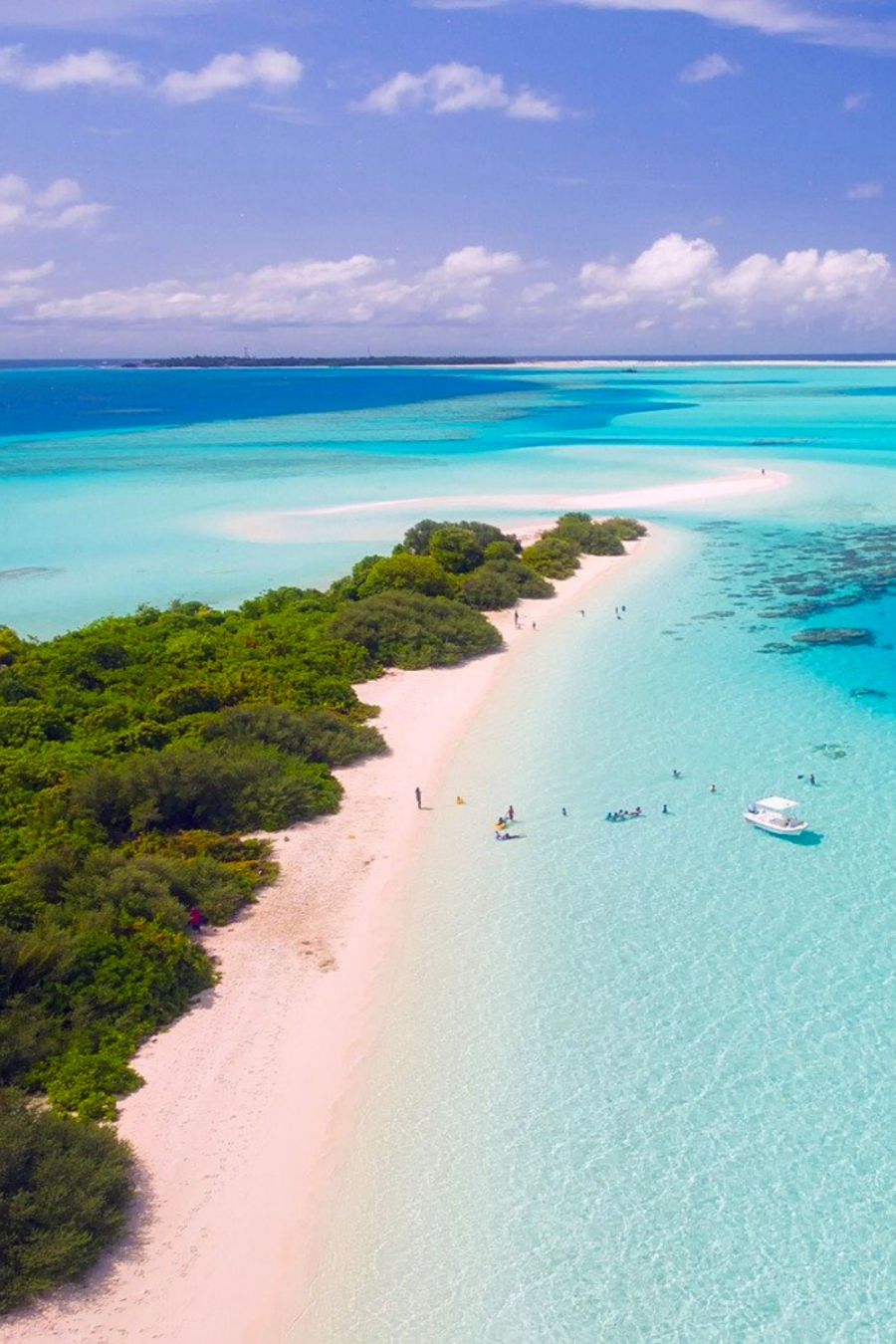
Phu Quoc is the "perfect" location to pilot the reopening of international tourism.
Mr. Soo-Youn Cho, CEO of GAON Travel, said that demand for travel to Vietnam from South Koreans is currently very high. "We are still maintaining one weekly flight from South Korea to Vietnam for professionals, as well as for cargo transport. If Vietnam opens its skies, the number of South Korean tourists visiting Phu Quoc will certainly increase rapidly," Mr. Soo-Youn Cho said, adding that Vietnam needs to consider appropriate forms of tourism after the pandemic.
Previously, Koreans preferred short trips of around 3 days. However, tours will now need to be longer, involving large groups and highly private tours, visiting Vietnamese resorts to play golf, focusing more on relaxation than exploration.
Mr. Phan Van Nghiep, Vice Chairman of the People's Committee of Phu Quoc City, said that recently the locality also received a request from the Vietnamese Embassy in India regarding whether it is ready to welcome wealthy tourists from India. Currently, wealthy Indian tourists are very frustrated; they want to travel and choose Phu Quoc as their destination, which is a very real need.
"We are ready to welcome tourists, but we haven't yet figured out how to do it. Regardless of the method, international tours will be organized in a closed-loop system. Opening up will also raise questions: What services will tourists use, and how will this be implemented? Currently, Phu Quoc is welcoming about 18,000 domestic tourists per day. Welcoming international tourists also requires careful consideration of how to ensure the safety of domestic tourists," Mr. Nghiep stated.
Therefore, it can be seen that, despite certain risks, the "vaccine passport" is a solution to reopen Vietnam to international tourists in a controlled manner, with appropriately selected pilot destinations.