VI
VI



1. When can tourism resume?
"Most experts tracking the travel market predicted that business travel could begin early in the summer and leisure travel in the fall," said Karl Minges, PhD, chair of health management and policy at the University of New Haven. However, things may be a little slower than initially predicted, as vaccine preparations are slower than expected.
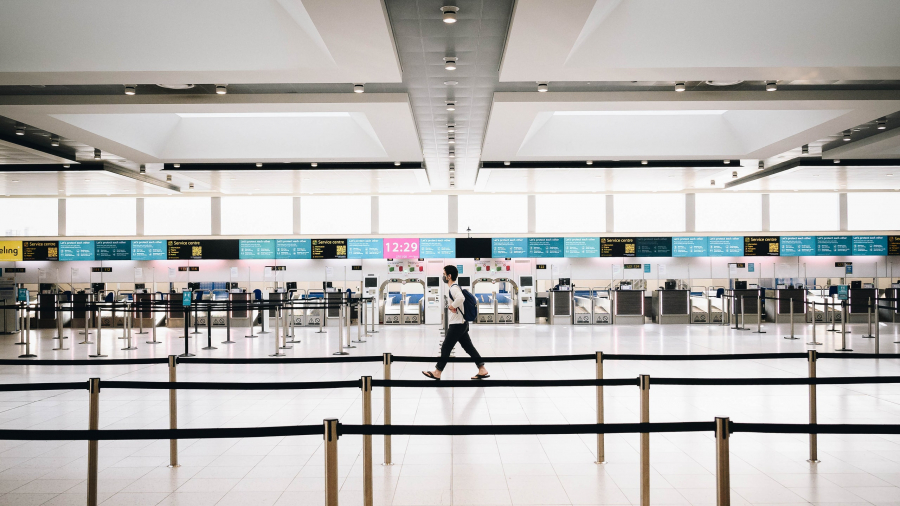
Currently, many international routes are temporarily "frozen," with business flights expected to resume early this year (around summer) and tourist routes to reopen in the fall.
2. Can vaccinated travelers spread Covid-19?
This remains an unknown. Currently, it's unclear how long the vaccine's protection lasts and how effectively it prevents virus transmission, Wu explained. “We hope that the vaccine will prevent transmission, but we really don't have enough data at this point to be certain.” Of course, no vaccine is 100% effective. Several studies in the coming months are hoped to answer questions surrounding transmission and even lead to further vaccine development.
3. What precautions should we take when traveling, and for how long?

Until Covid-19 is almost eradicated and vaccination rates reach the threshold in each country, please wear masks properly, limit large gatherings, and use hand sanitizer/handwash.
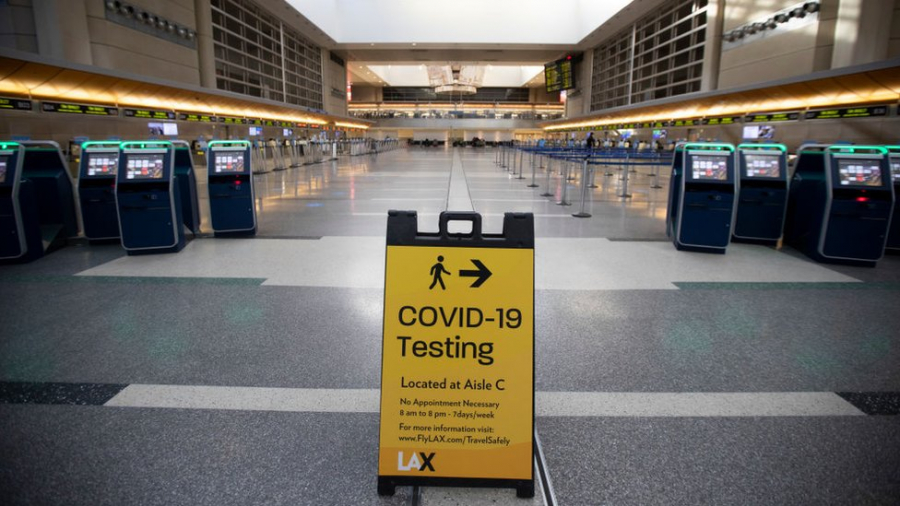
Some airlines, such as United, have been offering free Covid-19 tests, and the CDC is expected to soon require travelers to present a negative Covid-19 test before arriving at US destinations, as Bermuda has implemented strict testing and quarantine procedures. Other European countries are also closing their borders.
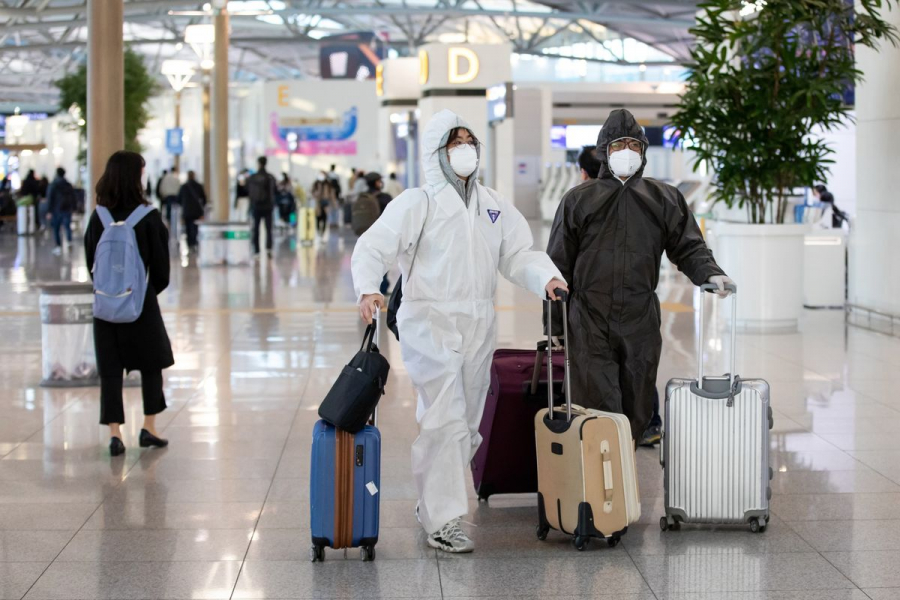
Stay safe when you arrive at the airport, even if you are in an area that is (supposedly) safe.
To some extent, in addition to mass vaccination, experts are hoping for a highly reliable, extremely sensitive, and specific trial that would allow for vaccinating travelers right before they board the plane.
4. Are there any other ways to travel without getting a Covid-19 vaccination?
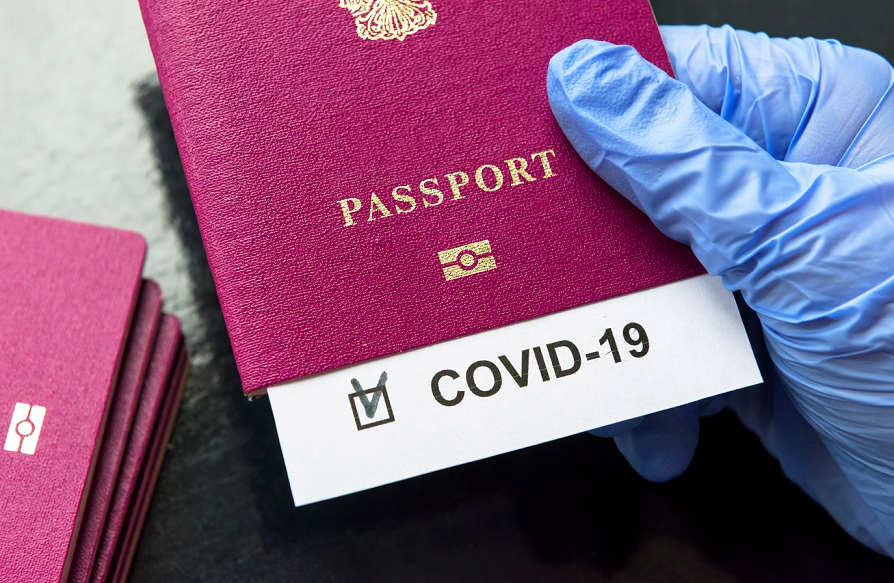
In the near future, hotels, airlines, and immigration services may require proof of vaccination before granting you permission to travel. Minges said: “This could be especially true for countries with near-zero transmission rates – New Zealand or parts of Australia – that are awaiting nationwide vaccination.”
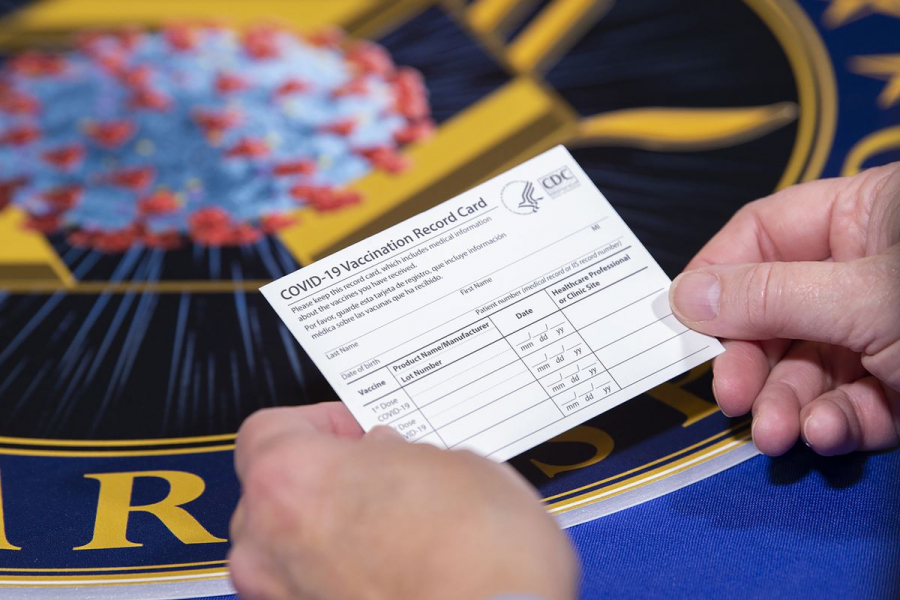
A vaccination certificate is required upon entry in many places.
The problem is that, so far, Covid-19 vaccines have not been "officially" and widely licensed, Carrico explained – they are currently only used in emergencies. It will take time to get an officially licensed vaccine that is effective enough to be accepted as a travel document for international travel.
Furthermore, in the future, in the post-pandemic era, it is possible that vaccine-preventable infectious diseases will also require a similar certification.