They say that to truly understand Russia, one must experience the Russian winter, witness the snow-covered domes firsthand, and trek through the Taiga forests in the biting wind…
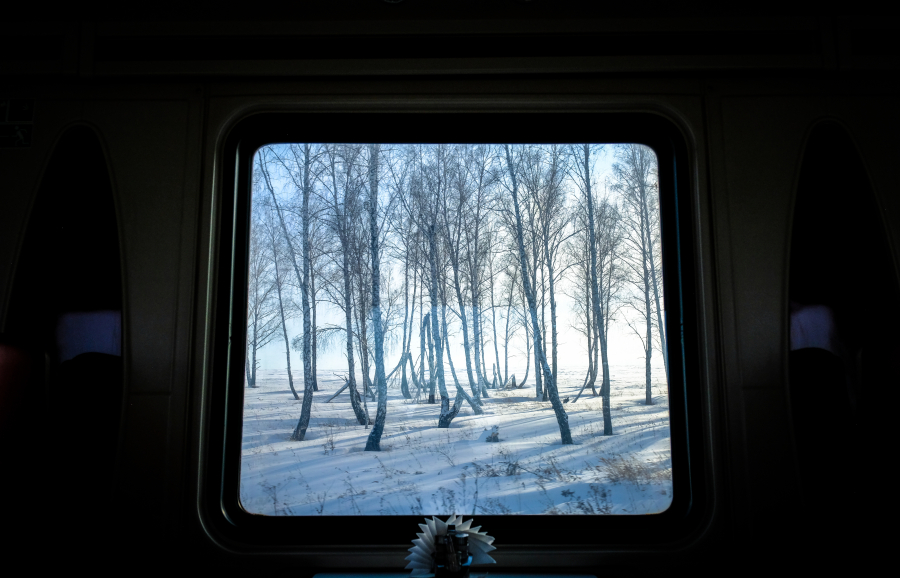
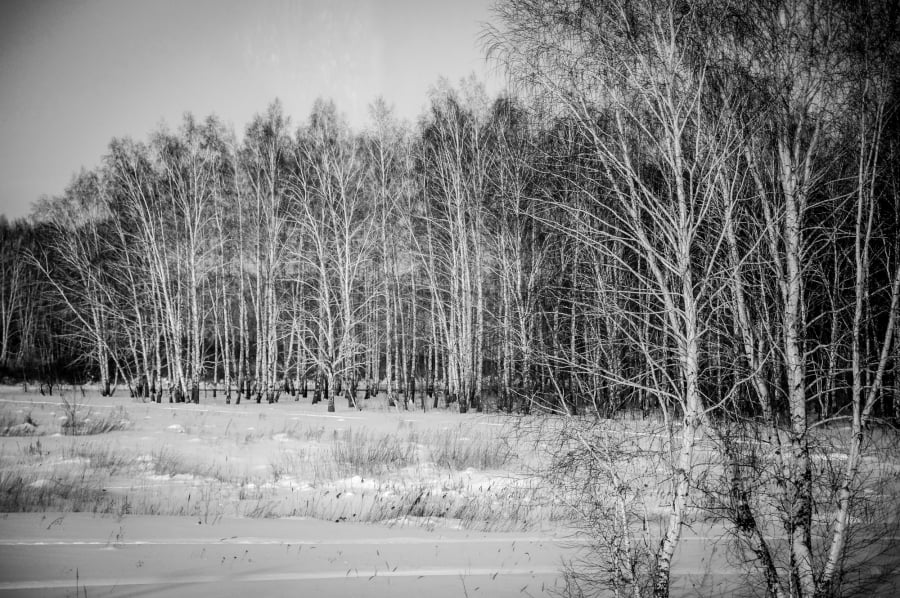
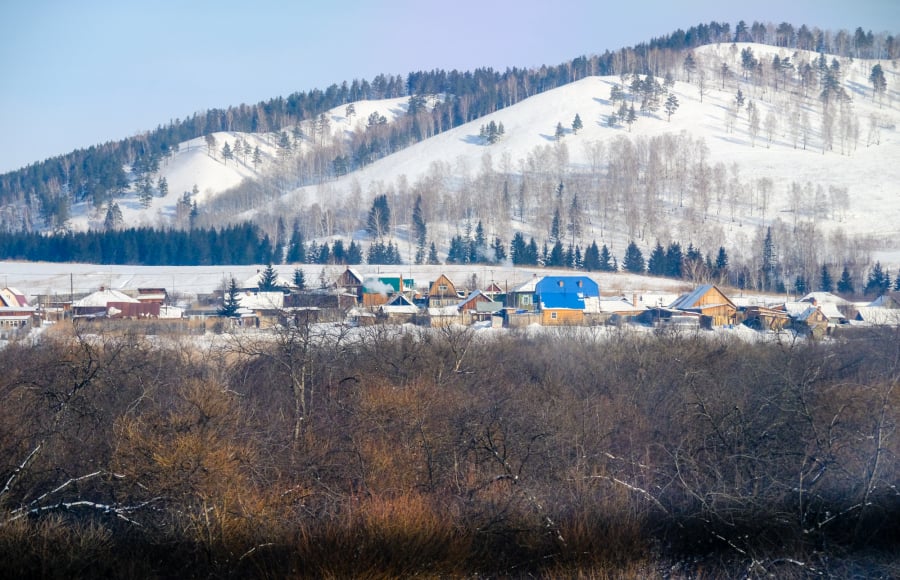
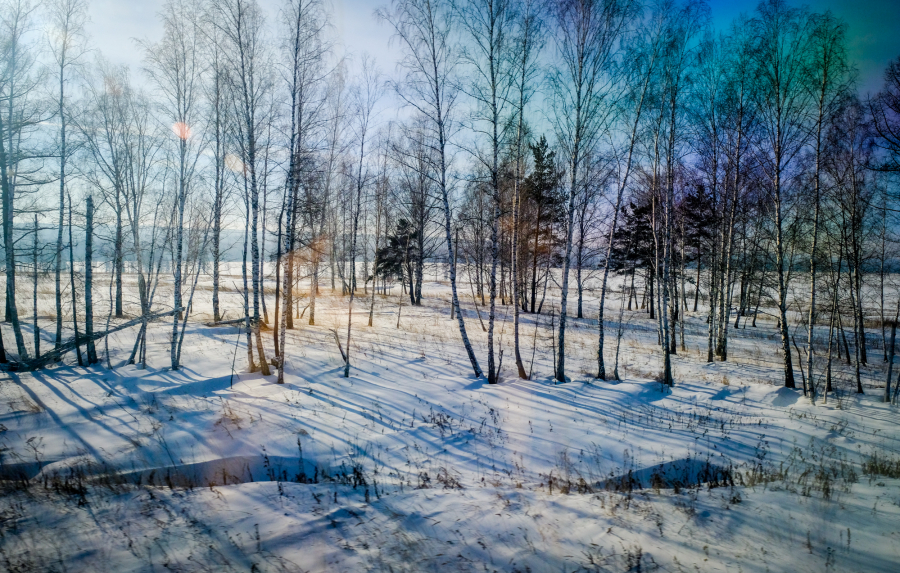
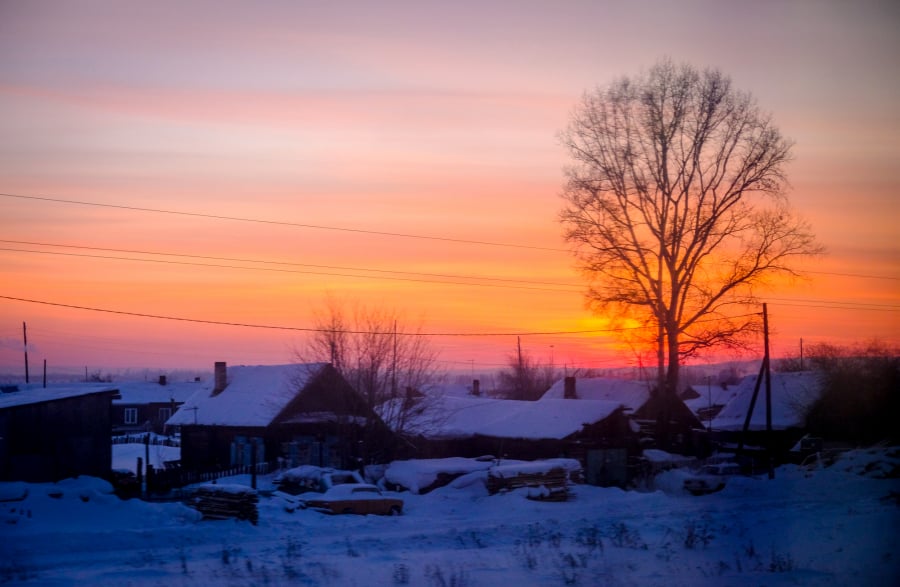
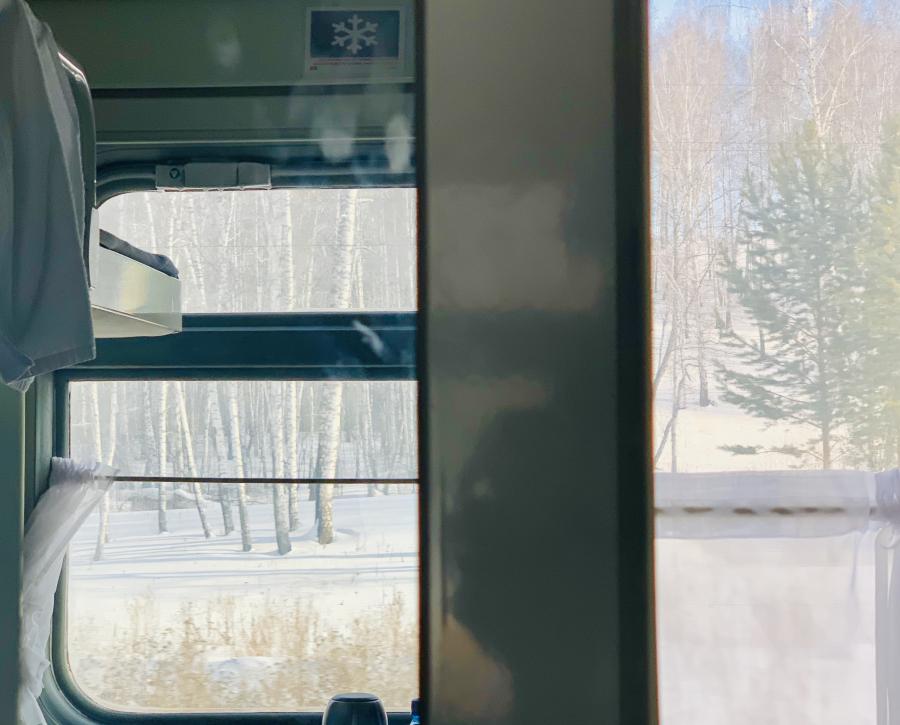
They say that to truly understand Russia, you must experience its winter, witnessing the snow-covered domes and traversing the Taiga forests in the biting wind… We had such a winter, traveling on the Trans-Siberian train from West to East, covering over 4,300 km, in the coldest weather in Russia.
Trans-Siberian
The main route of the Trans-Siberian Railway begins in Moscow, running through Yaroslavl, Chelyabinsk, Omsk, Novosibirsk, Irkutsk, Ulan-Ude, Chita, and Khabarovsk to Vladivostok. Spanning 9,259 km, crossing 7 time zones, and taking 8 days to complete the journey, the Trans-Siberian is the third longest continuous railway in the world.
Stops along the journey
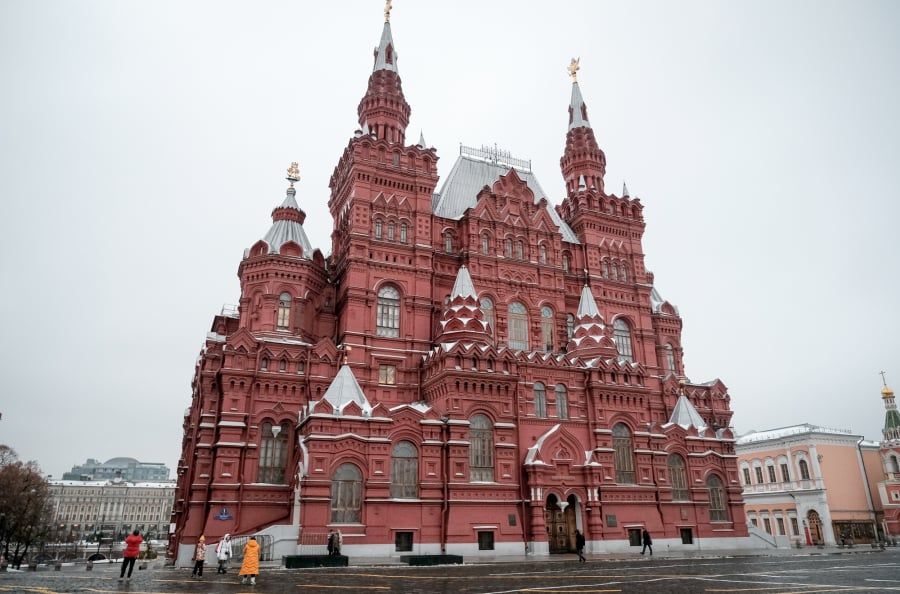
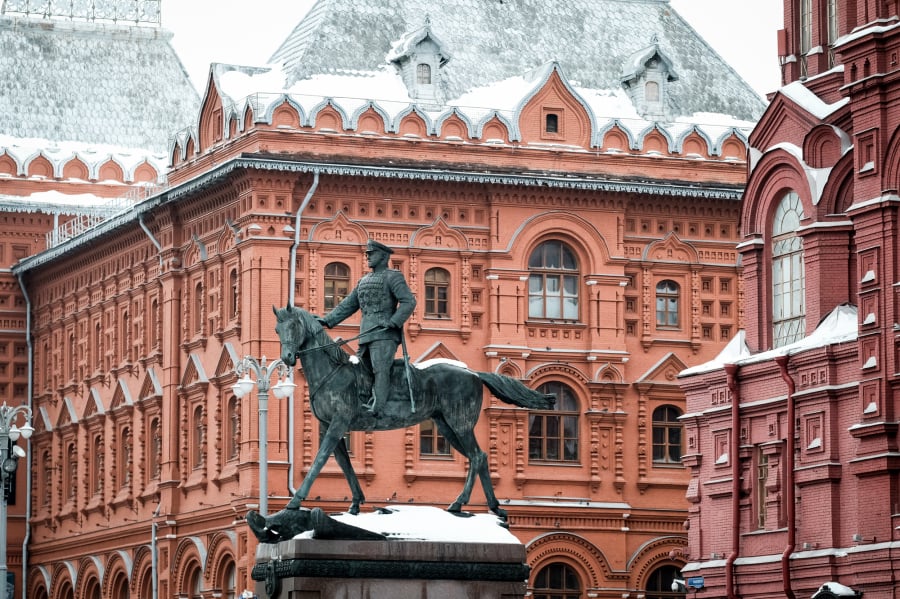
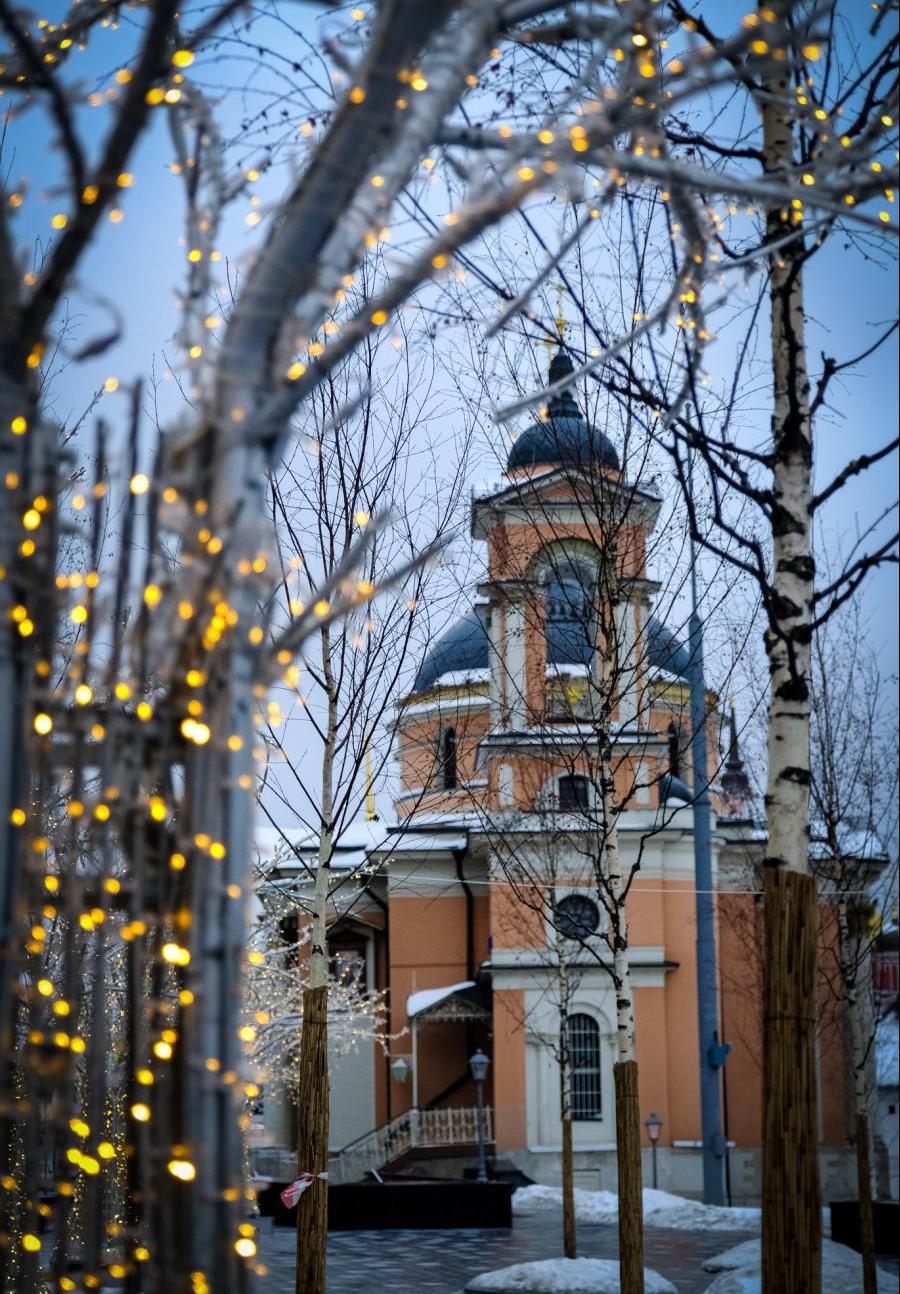
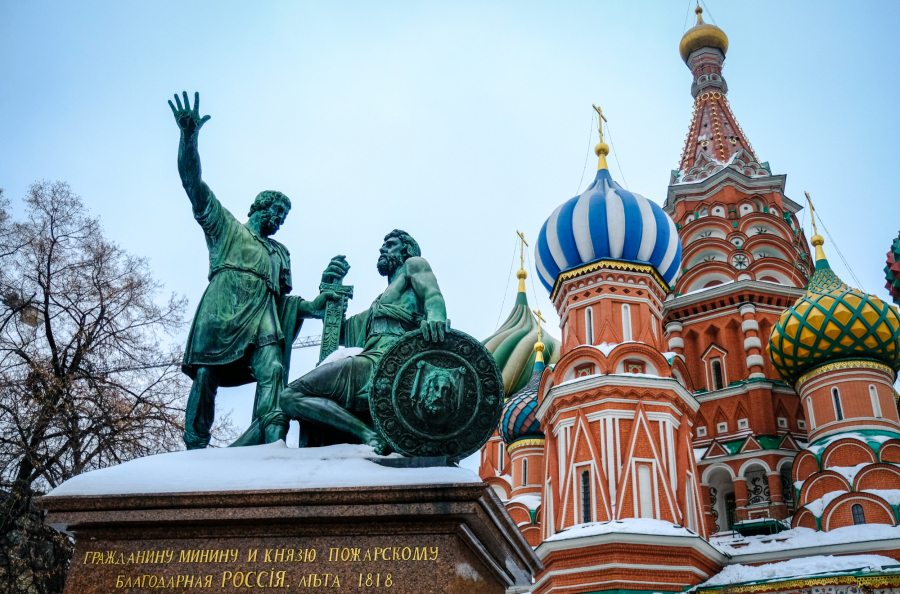
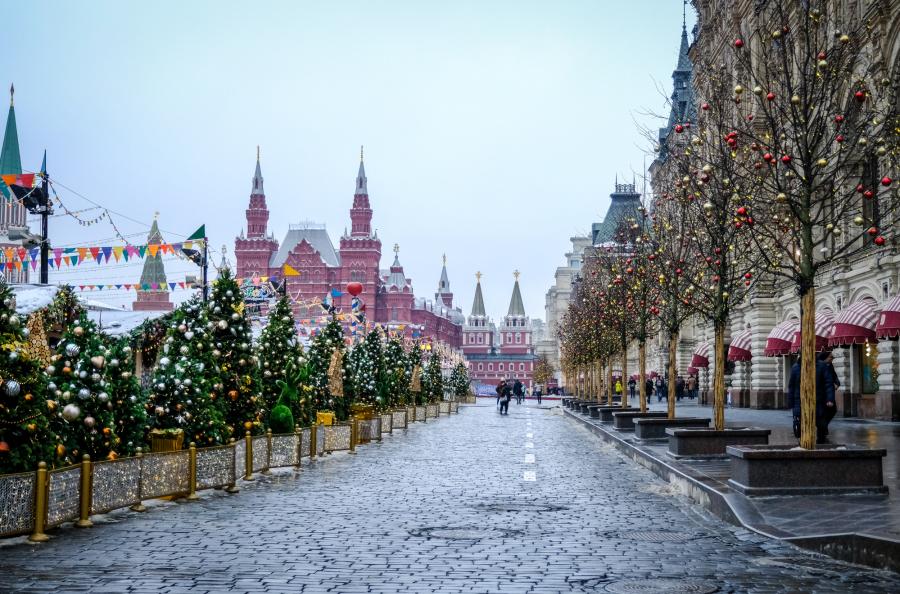
Our train departed from the capital.MoscowWith Red Square – considered the heart and soul of Russia. Winter arrives, transforming the cathedral of Saint Basil, freezing the waters of the Moskva River, and spreading a chilling atmosphere to every street corner. Buildings are illuminated with warm, fairytale-like yellow lights. In Moscow, the winter atmosphere is so familiar that artificial snow is sometimes used at the end of the year, when the weather isn't cold enough, to evoke the sacred moments of New Year and Christmas.
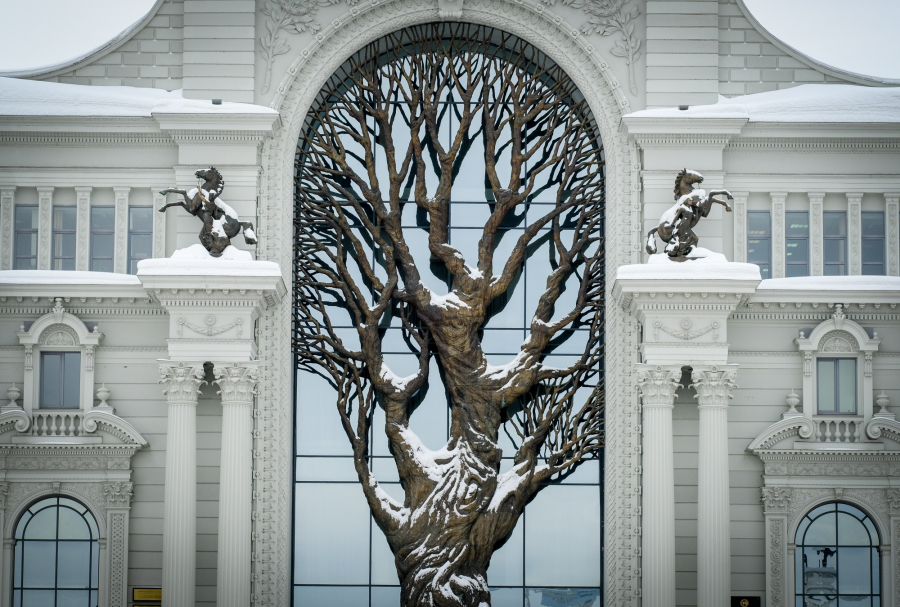
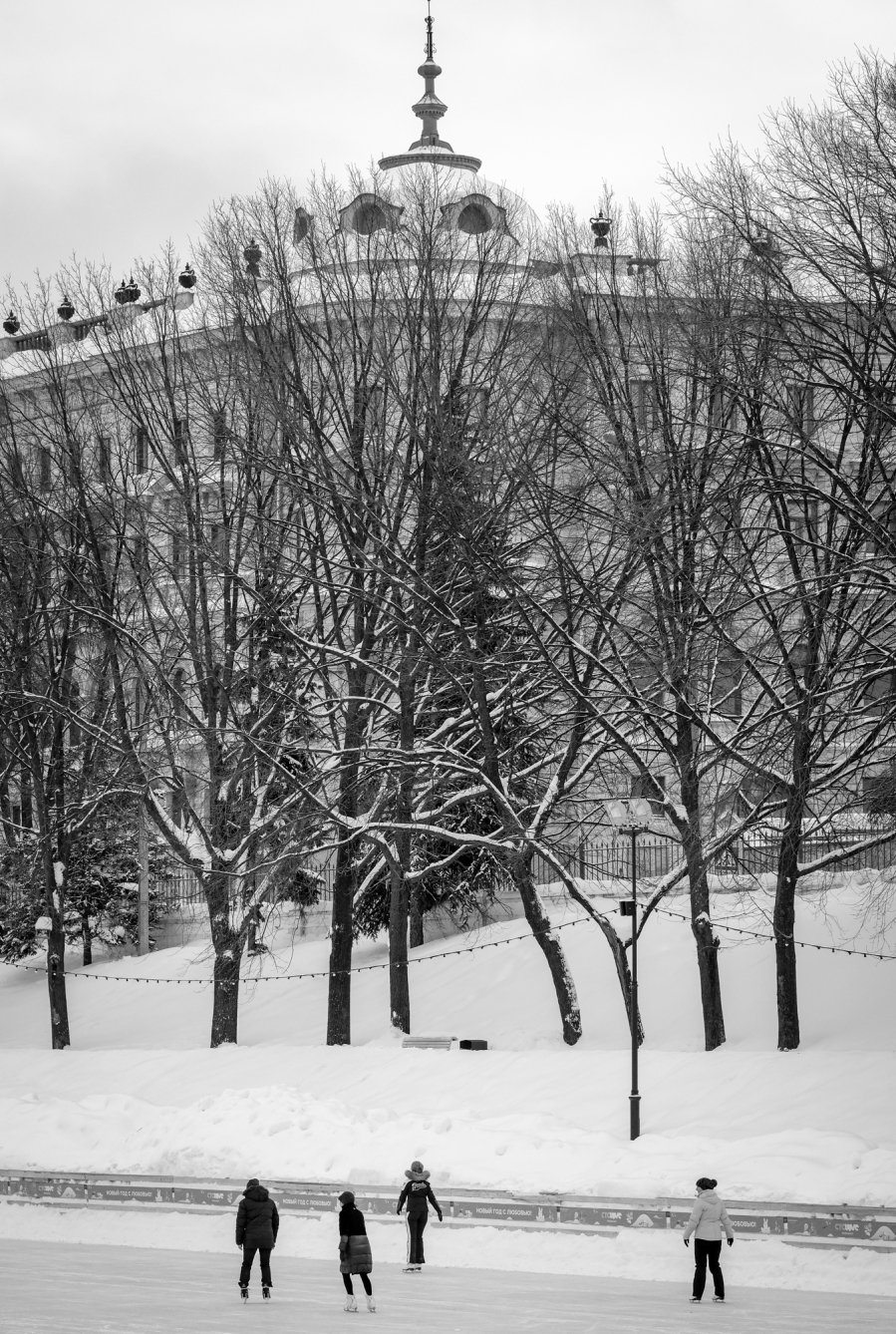
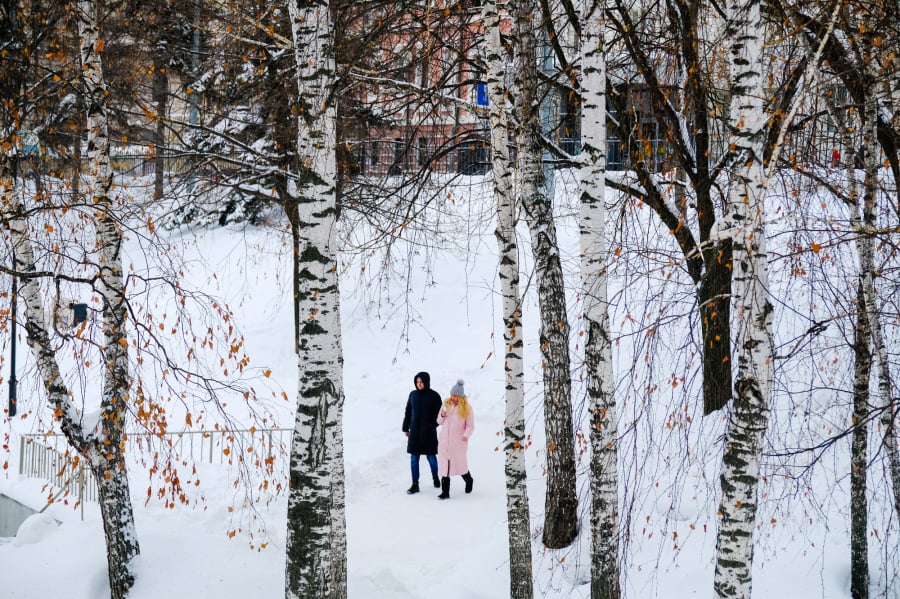
After Moscow, we arrived at Russia's "third capital" - the city ofKazanKazan, the confluence of the Volga and Kazanka rivers, boasts a history spanning over 1,000 years. It has preserved almost entirely the distinctive features of its monumental, epic architecture, particularly the Kazan Kremlin complex, built during the reign of Ivan the Terrible. The entire city of Kazan is now covered in a blanket of white snow, from the Agricultural Palace, home to the Ministry of Agriculture and featuring a striking mosaic depicting the "tree of life," to the bustling Bauman pedestrian street and numerous parks with small lakes, now used as ice skating rinks for city residents.
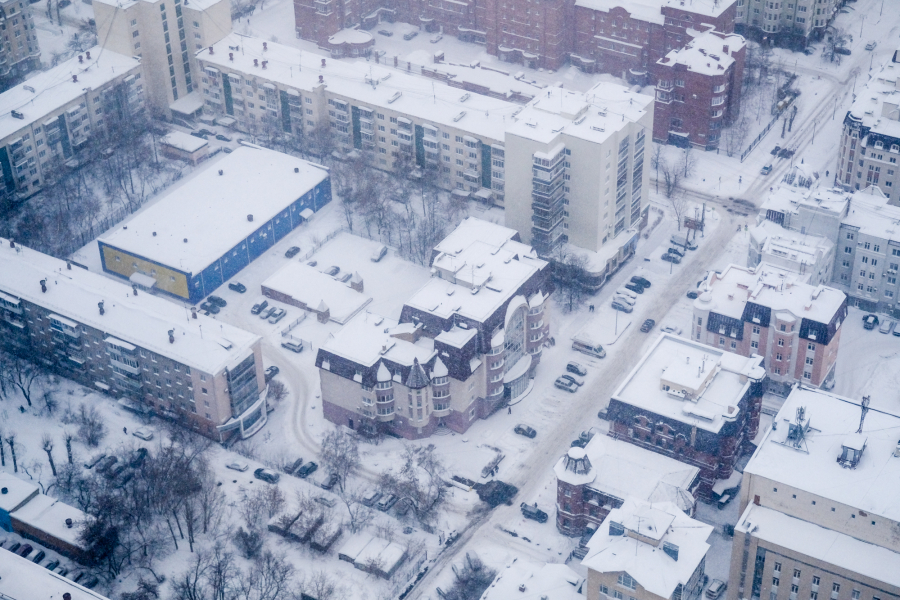
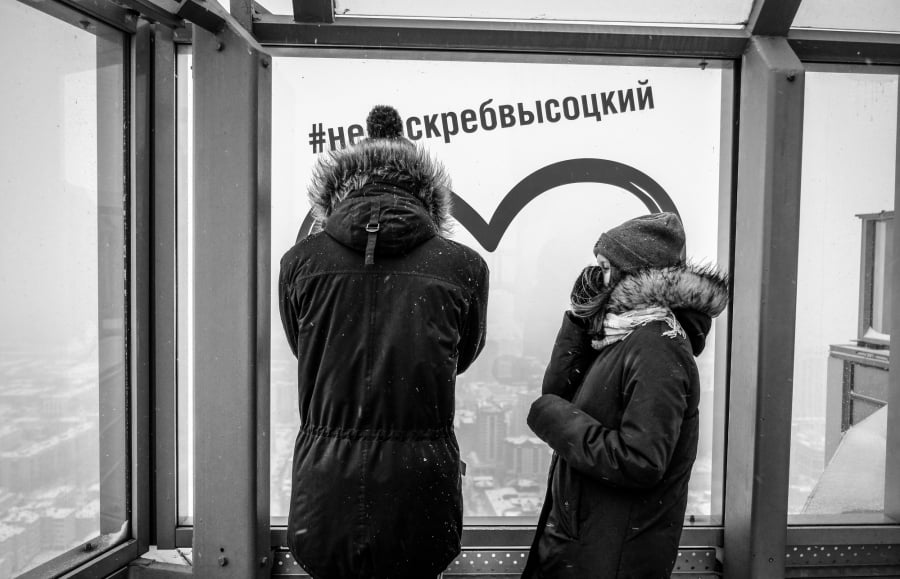
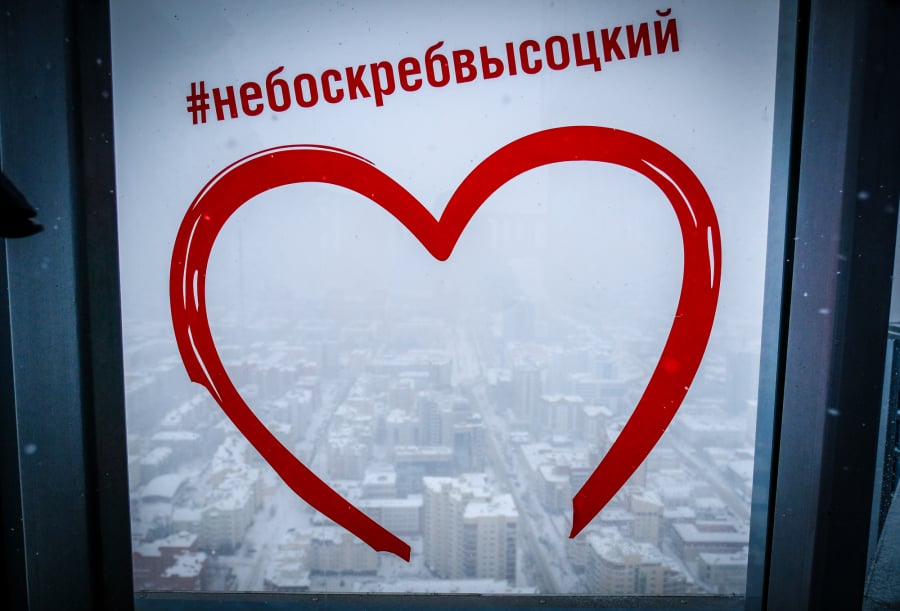
Continuing our journey on the Trans-Siberian train, we stopped atYekaterinburgYekaterinburg, the fourth largest city in Russia and the capital of the Ural region, is located in the heart of the Eurasian continent, on the border between Europe and Asia. It is rich in cultural and ethnic diversity and has also witnessed the end of the Tsarist autocratic monarchy. In 1917, the Bolsheviks assassinated the family of Nicholas II, the last Tsar in Russian history. The place where they were executed later became the Church on the Blood, and their burial site is now the Ganina Yama chapel. From a high tower, observing the Ural winter, one can almost hear the centuries-old sigh of history lingering over the ashes of the descendants of Peter the Great.
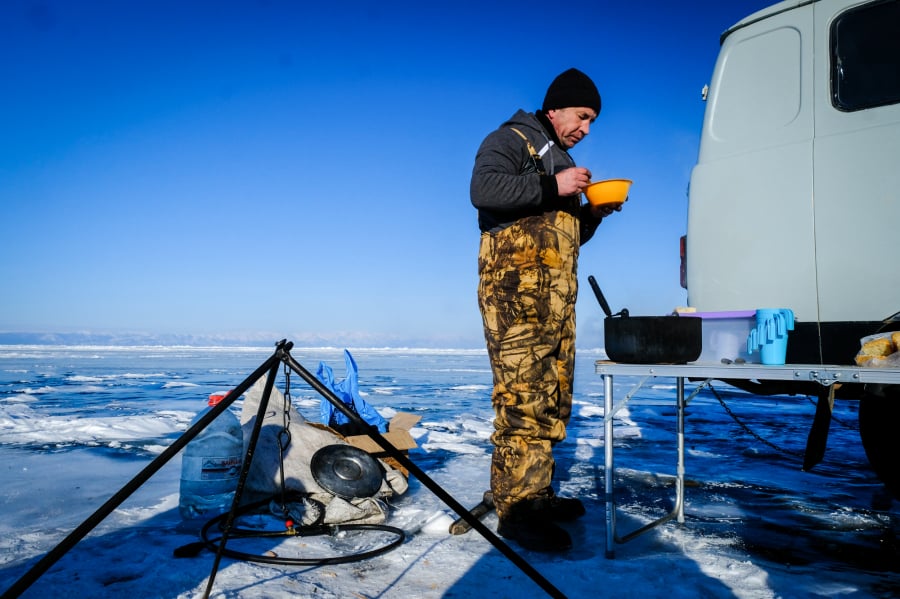
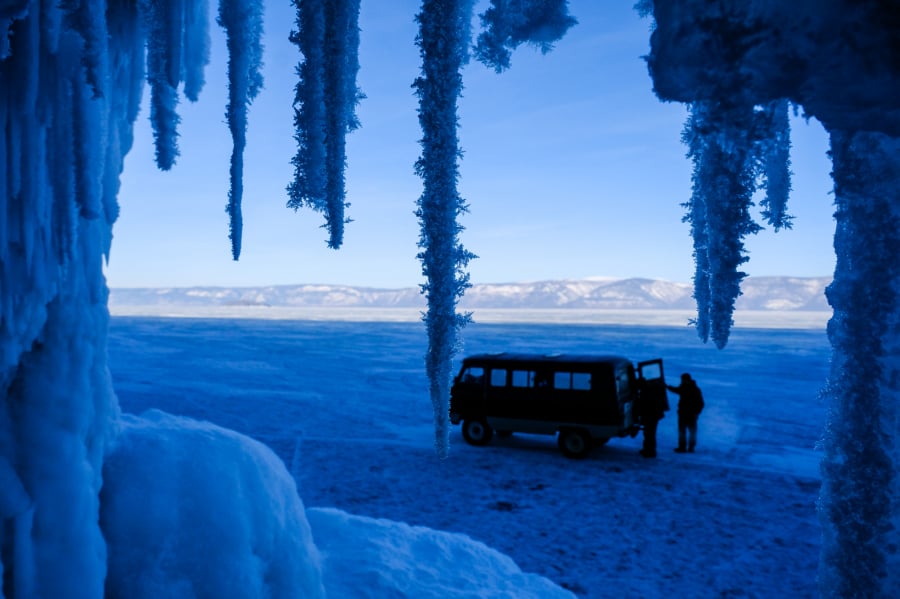
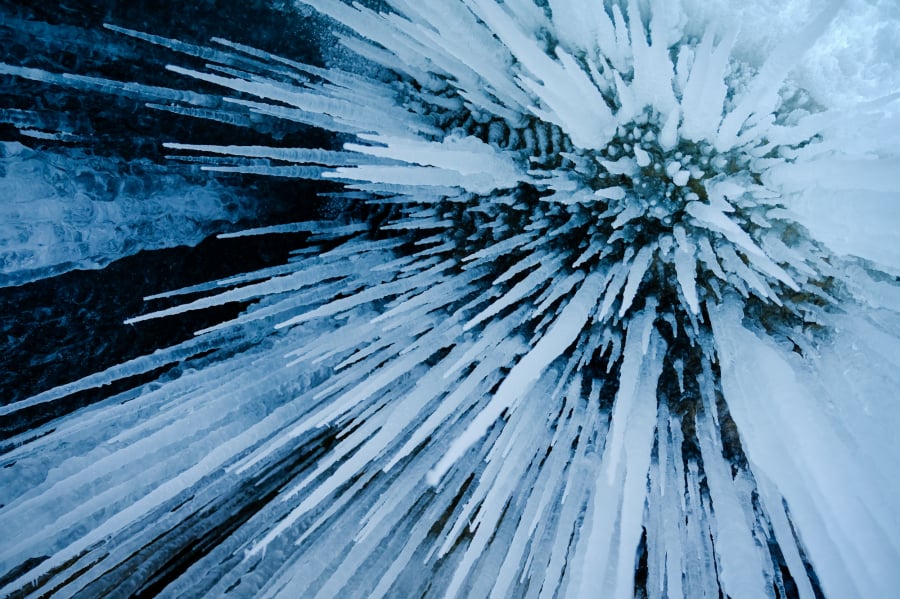
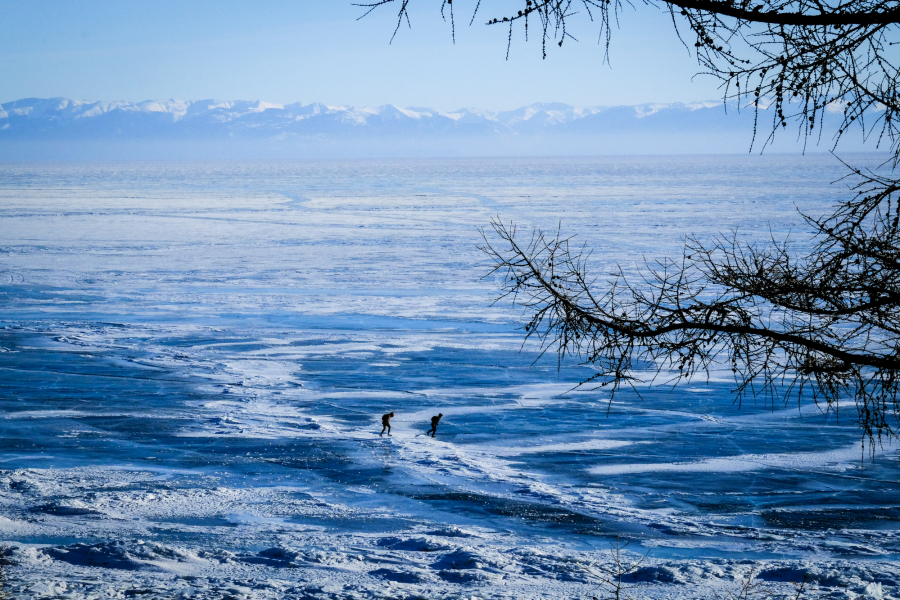
At the end of our journey, the Trans-Siberian train stopped in the city.Irkutsk, the capital of eastern Ukraine and also the gateway to the famous freshwater Lake Baikal. At this time, the temperature in Baikal has reached -35°C.oC. In winter, the entire surface of the lake, spanning over 600 km, freezes over. The ice is so thick that it can be used as a highway for cars to travel across the lake in half a day! On the ice, people stroll, take photos, ski, fish, set up campfires to cook, drink vodka by drilling holes in the ice, and enjoy the artistic view of the "blue eye of Siberia." Even more special, you can crawl inside ice caves to admire the snow crystals, which are inaccessible in summer because these caves are submerged underwater.
The "dream" train of dreams
The Trans-Siberian Railway is a shortened term for the vast "trans-Siberian" railway network, largely running across Russia from East to West, connecting to the European railway system on one side and reaching the tip of Asia at Vladivostok on the other.
In Vladivostok, passengers can continue their journey by ferry to South Korea and Japan. Meanwhile, within Asia, the railway branches off into two smaller lines: the Trans-Manchurian line towards Beijing, China, and the Trans-Mongolian line towards Ulaanbaatar, Mongolia, before crossing the Gobi Desert into China.
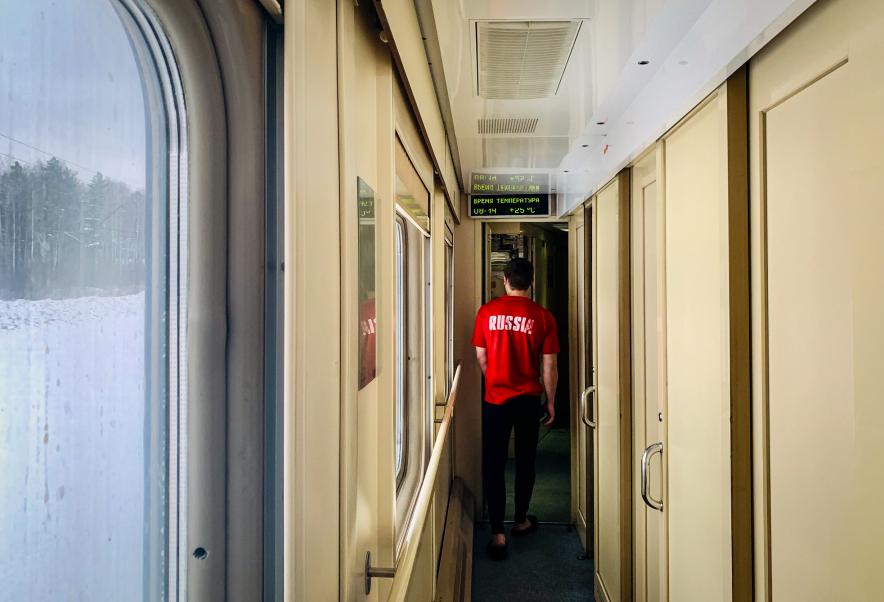
Once you board the Trans-Siberian train, your passport will be stamped with visas from the Schengen Area, Eastern Europe, Russia, Mongolia, Japan, South Korea, China, Malaysia, and more. Some travelers choose to go westbound, others eastbound; some groups travel in winter, while others prefer summer. People board and disembark at different stations, stopping to admire the scenery at different points for varying lengths of time. Few people take the same Trans-Siberian journey, and few can boast of having traveled the entire legendary railway line! It remains a dream of dreams, the train that passes through the most stations, carries the most emotions, and marks the most extraordinary experiences.
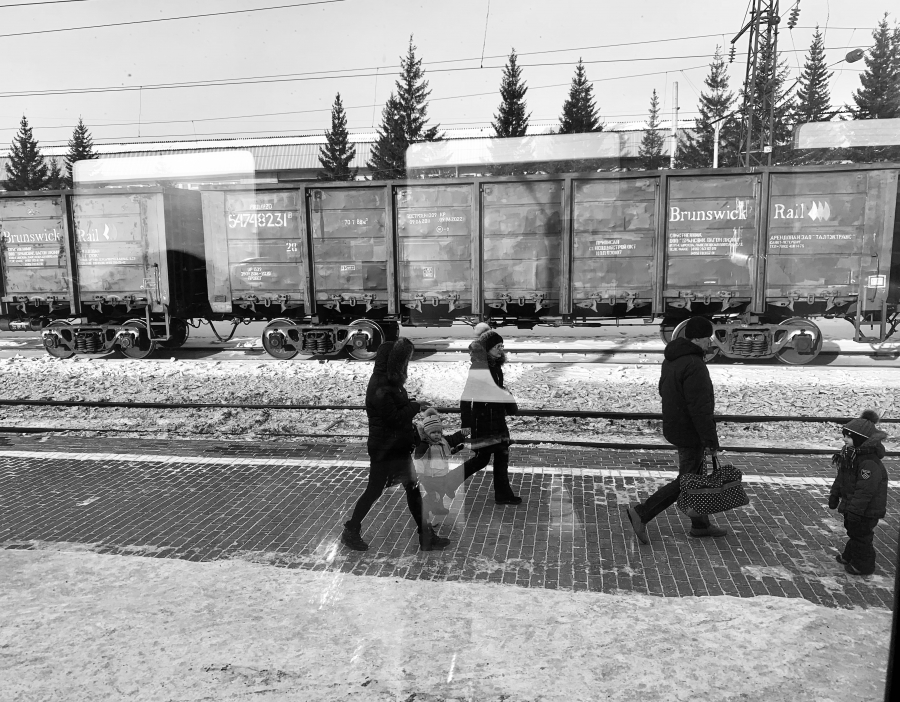
At each stop, people get off to smoke, stretch their limbs, or play in the snow. Some familiar faces disembark, while new ones board, representing all ethnicities, religions, ages, and genders. It's as if the whole world has gathered here, a throng of nationalities, a kaleidoscope of stories, and a diverse mix of spoken and unspoken languages. The scenery is rich and varied day and night; the sunrise and sunset change color each day, life receding into the distance in strange ways… And anyone returning home from the Trans-Siberian train will surely still imagine the rhythmic clatter of the wheels, the train whistle, the screeching of the tracks with each turn – dynamic yet tranquil, as it occasionally returns in my dreams.
Additional information
Book train tickets:
- Websites like Seat61 or RealRussia can help you find out in advance about train types and train schedules between stations.
- Train tickets can be purchased directly from the website of the Russian National Railways (RZD). Tickets are sold a year in advance and at face value in RUB. Additionally, RZD has a mobile app for passengers to manage their accounts, allowing for quick changes or refunds/cancellations.
- Each time you purchase tickets, you can choose up to 8 people, select your preferred berth or compartment, specifying which compartments are air-conditioned, how many bunk beds there are, whether meals are included, and even whether pets are allowed on board.
Onboard services:
- You can dine in the dining car, which serves European dishes along with typical Russian cuisine; or buy food from the carts with a variety of pastries, pasta, and drinks.
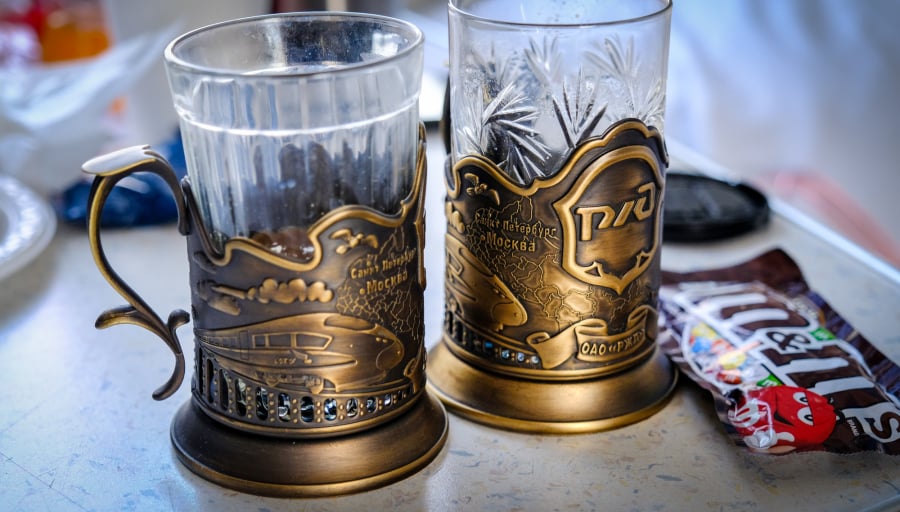
- Besides food and drinks, the carts on the train also sell coffee makers, crystal glasses, enamel mugs, and many unique souvenirs.
- Some ships have restrooms for passengers, costing around $3 per use.

 VI
VI