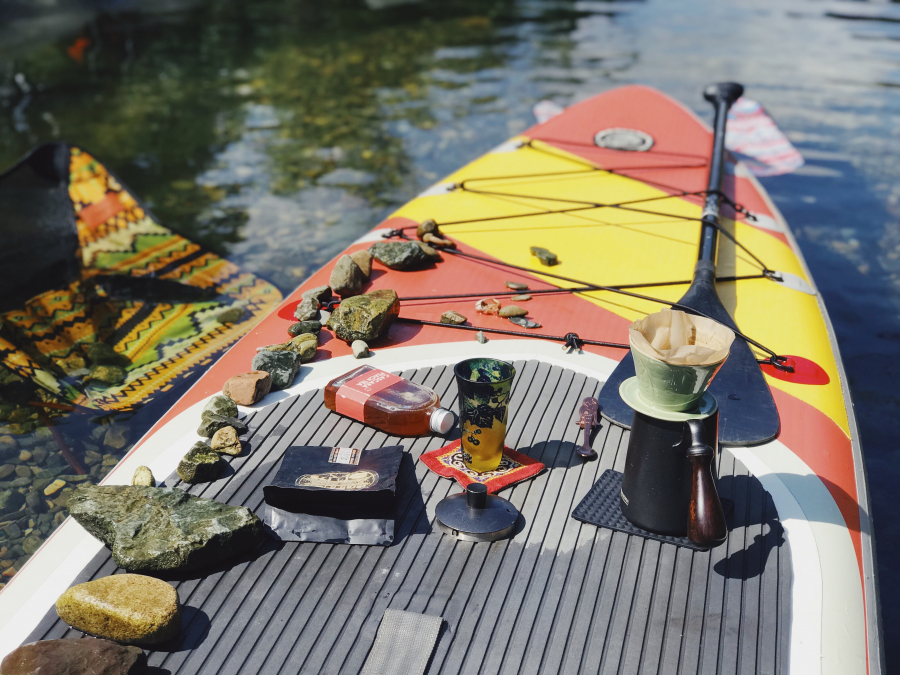
"One of the greatest things about SUP isn't the feeling of conquest or victory, but the feeling of freedom, independence, and peace."
Over the past year, you've probably seen people nimbly gliding across the water – using only a stand-up paddleboard and a paddle – on West Lake, the Saigon River, or tourist beaches… This is SUP – a new sport that has become popular in Vietnam. Some people play SUP because they love adventure, others because they love nature, and some because they seek peace and tranquility. But whatever the reason, SUP is a sport that anyone can easily learn and enjoy.
To better understand SUP and the amazing benefits this sport offers, let's take a look at the information shared by Mr. Tran Trung Kien - the first person to introduce SUP to Vietnam.
Tran Trung Kien (1977, Hanoi)
He was originally a kayak and adventure tour guide. In 2009, he and his partners founded Umove JSC, a company specializing in sports and tourism equipment. While researching kayaking, he stumbled upon Stand-Up Paddleboarding (SUP), a sport that was already quite developed abroad but unknown in Vietnam at the time.
In 2013, he started importing a few SUP boards to try out, and after a year, the first SUP trial sessions in Vietnam began to be organized. Receiving much positive feedback, Kien decided to establish the Umove SUP Club to promote and popularize SUP widely in Vietnam.
What is SUP?
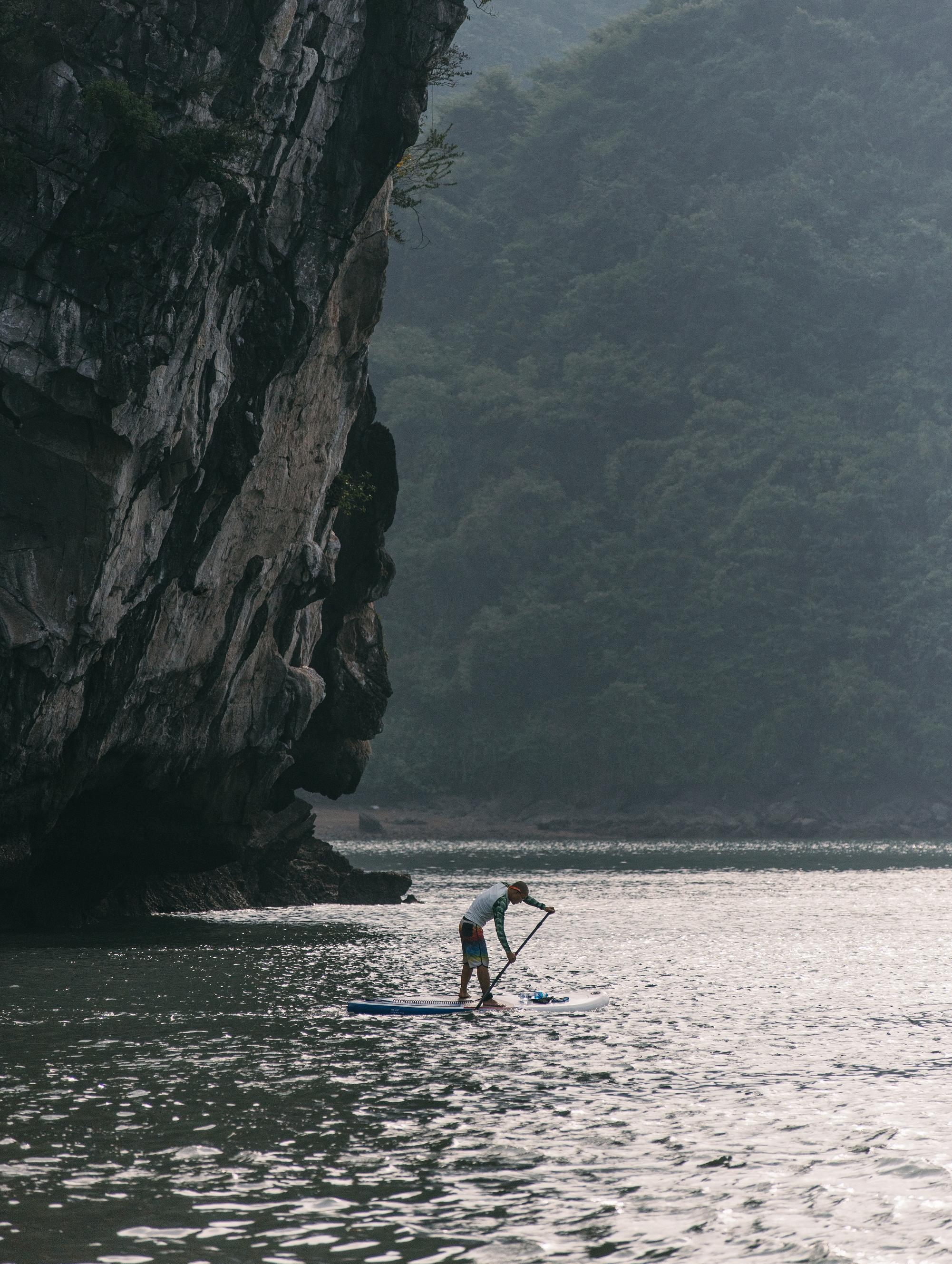
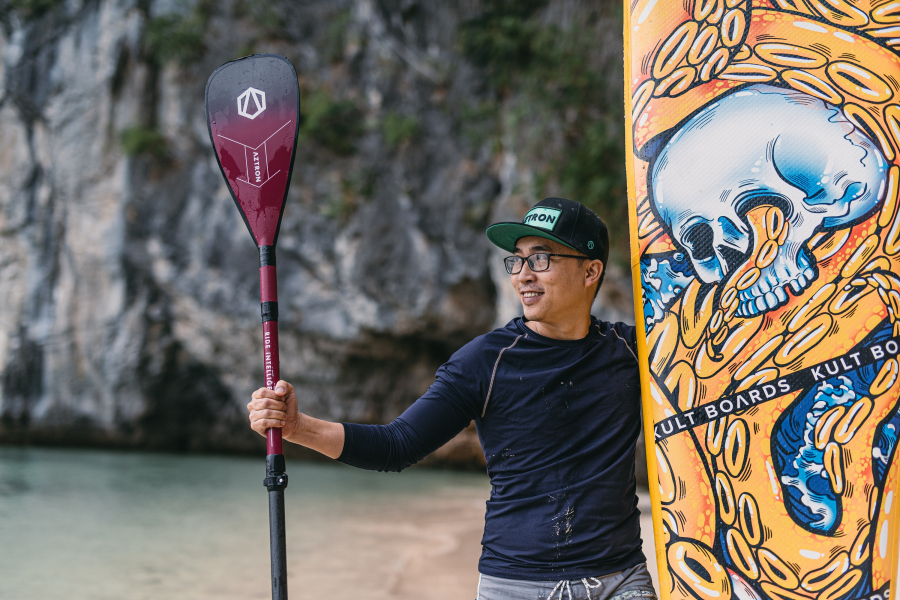
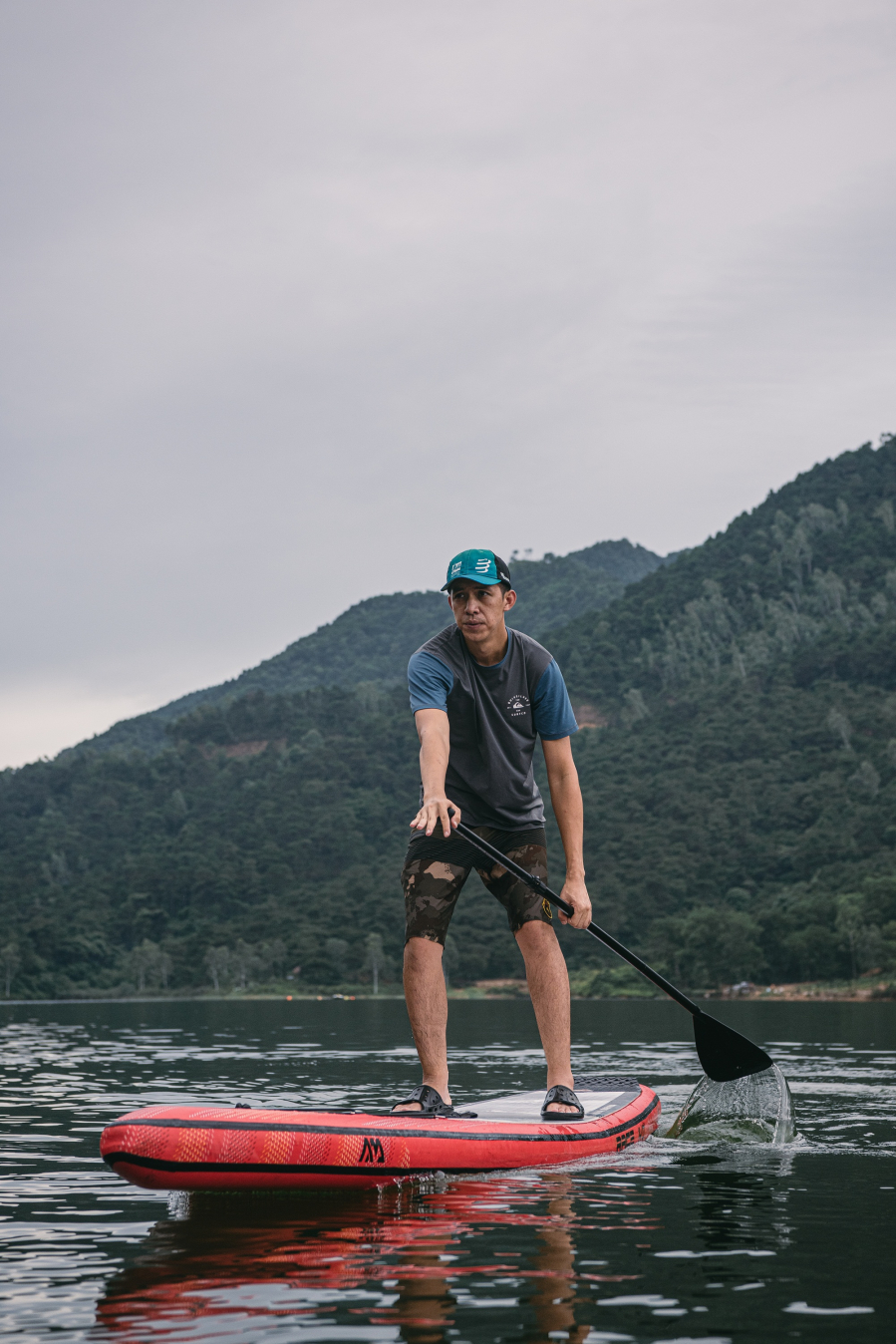
SUP (Stand-Up Paddle Board), also known as a stand-up paddleboard in Vietnamese, is a type of board similar to a surfboard but larger in size and uses paddles to move on the water. SUP paddling uses similar techniques to kayaking, but the interesting thing is that players can be more flexible in changing positions: from kneeling, sitting, lying down, or standing while paddling, to techniques such as turning the board, turning left, turning right, and gliding with the SUP.
Photo: Hai Anh
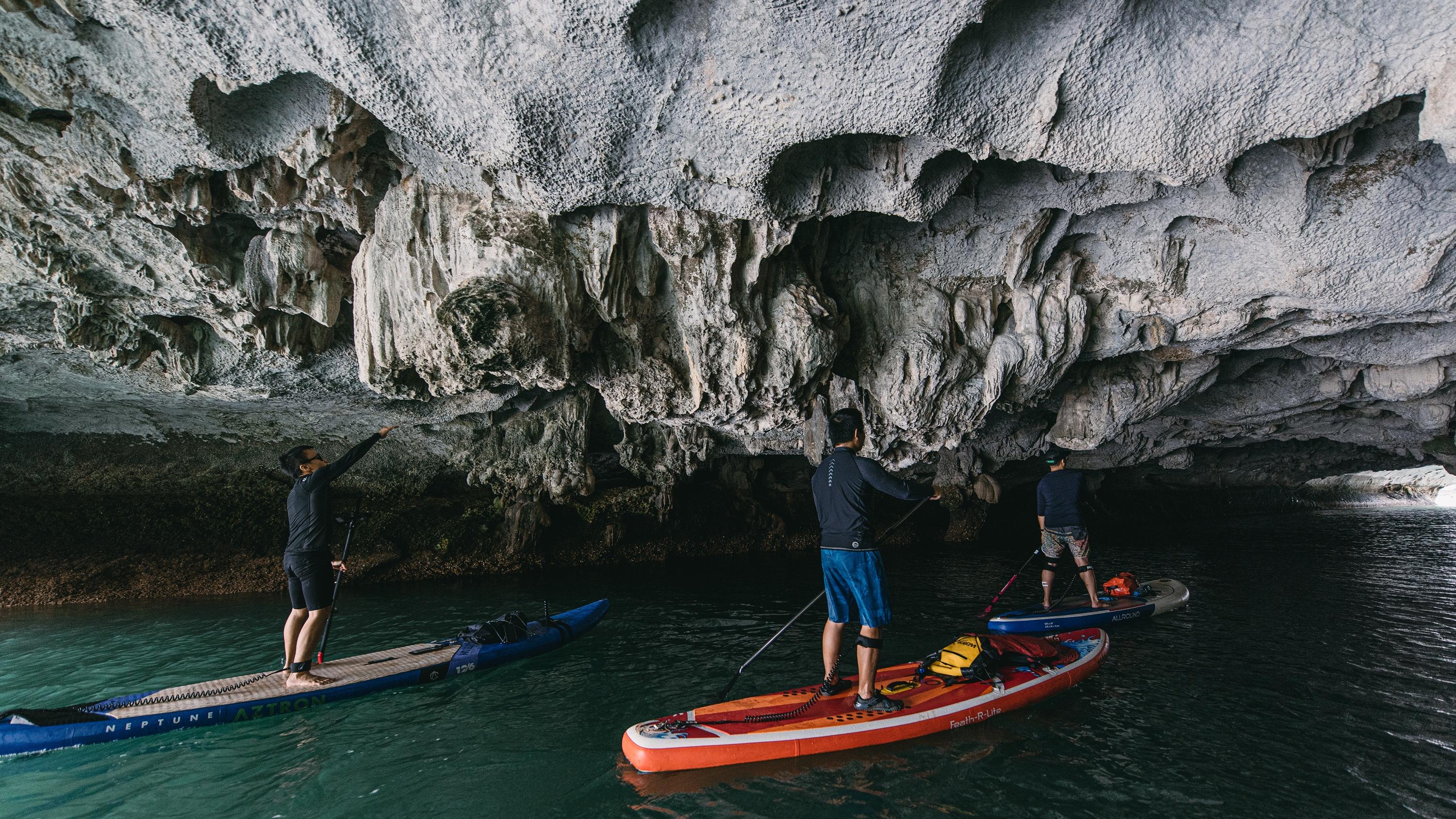
Photo: Hai Anh
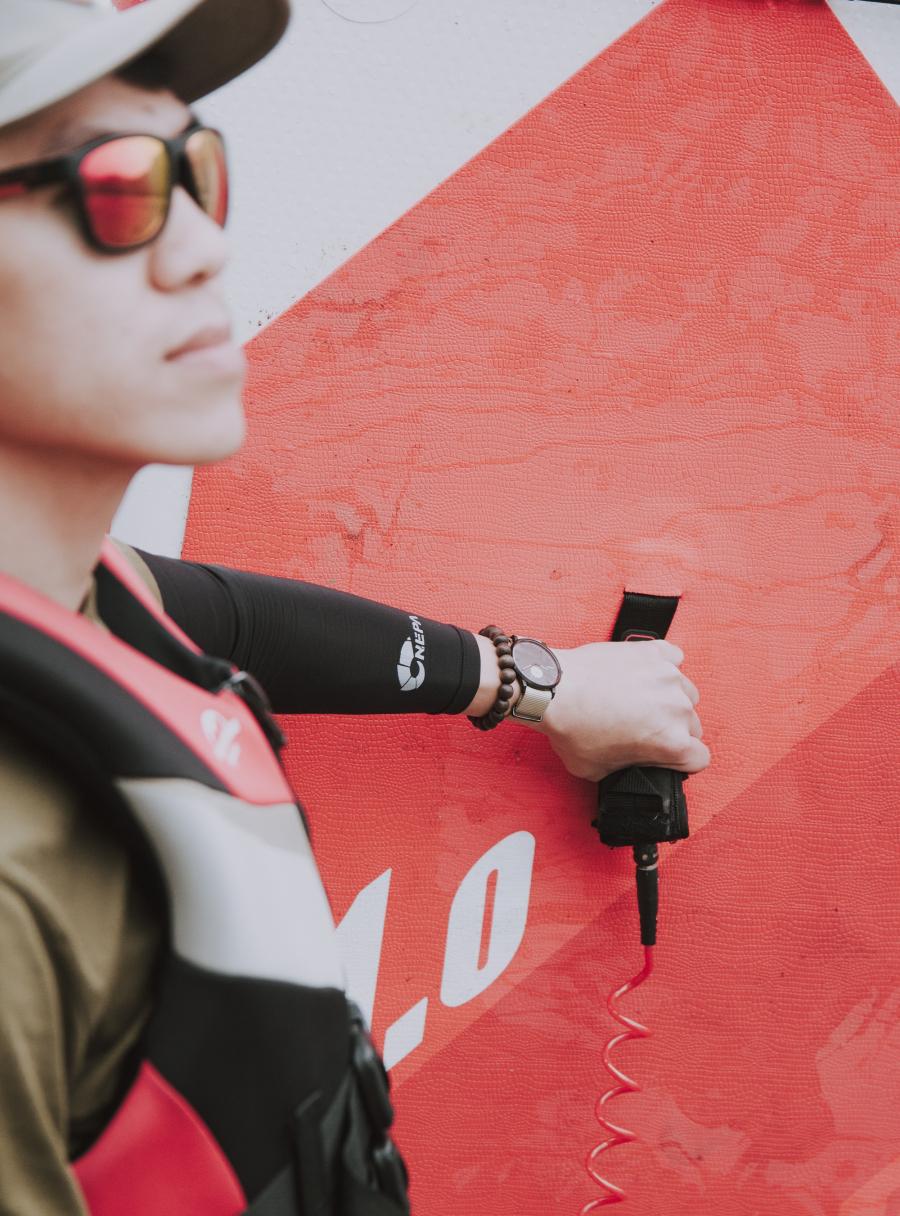
To paddleboard (SUP), you need a board, a paddle, paddle fins, and a safety harness. SUP boards come in many types, categorized by material (EPS board, inflatable board, plastic board, wooden board) or design (race board, touring board, all-around board, yoga board, fishing board, etc.). Each SUP design also comes in different sizes (3 m, 3.3 m, 3.8 m, 4.2 m...), allowing users to choose according to their ability and personal experience.
What's fun about playing SUP?
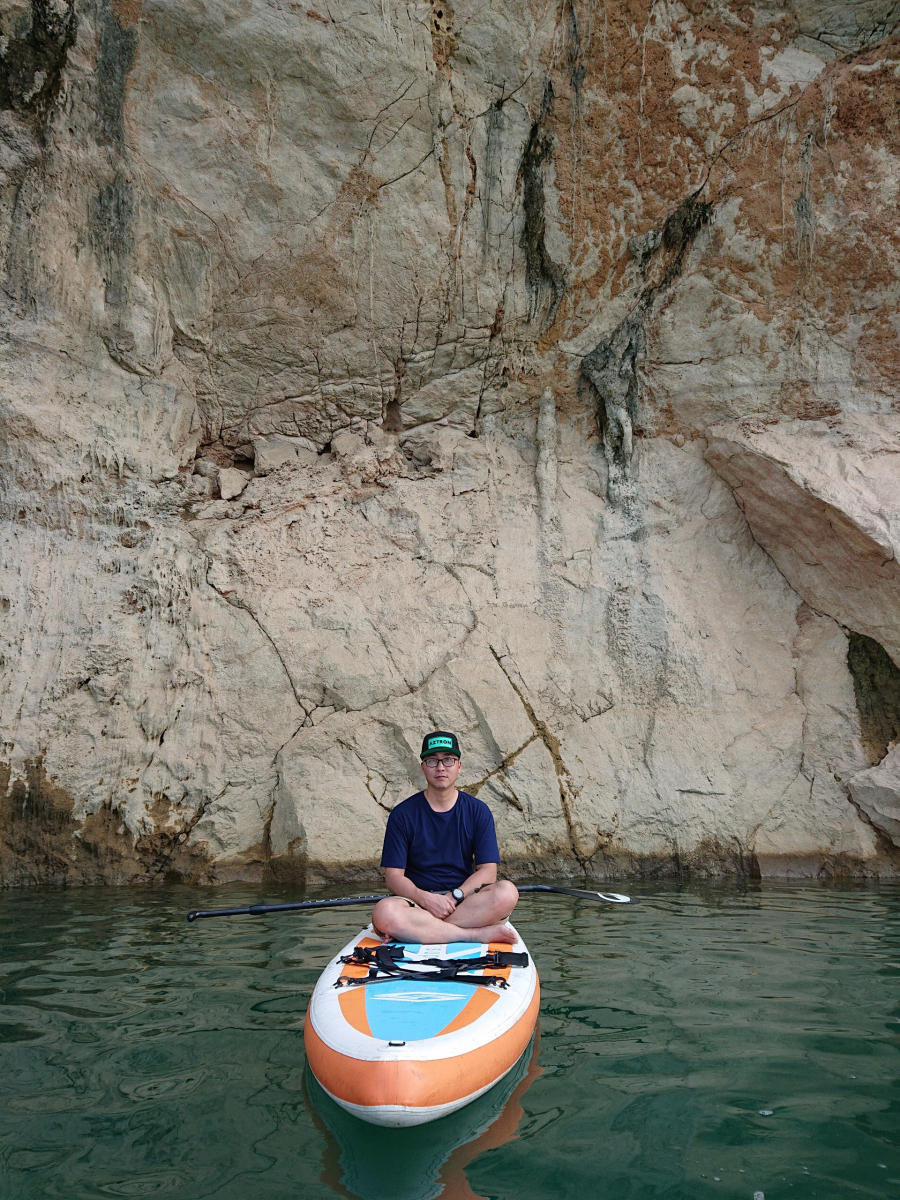
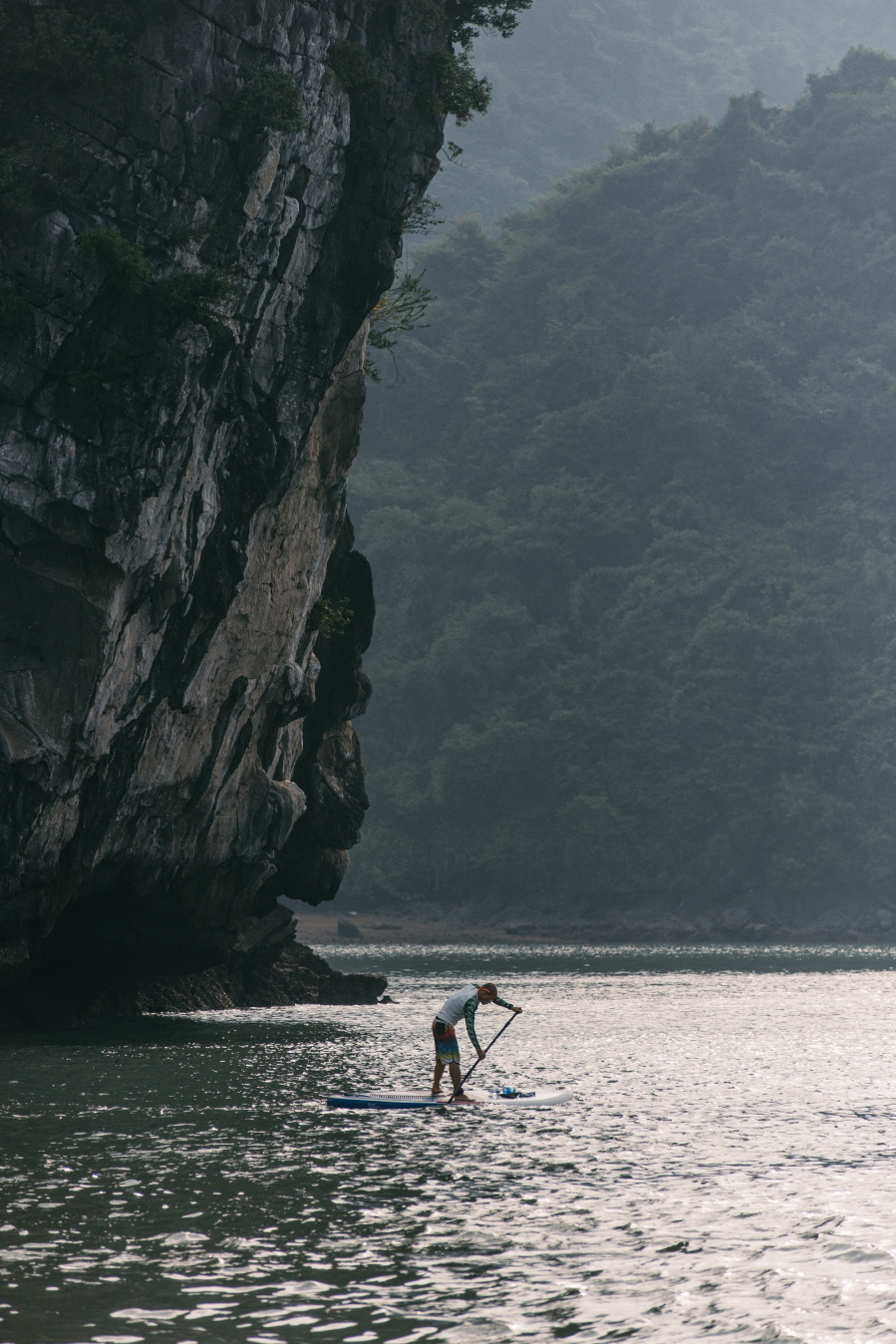
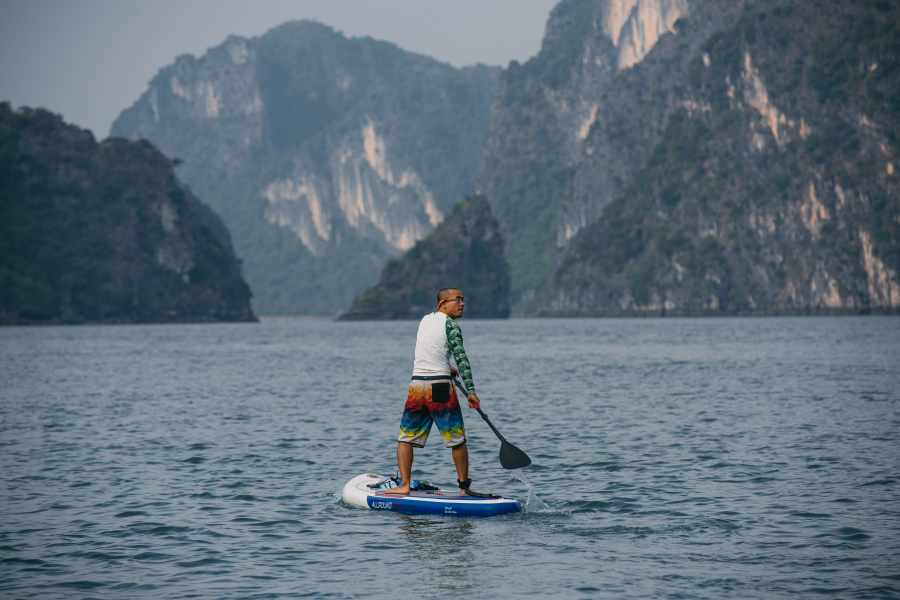
At first, you might find the waves choppy and dangerous. But once you master the board, your body, and your movement on the water – that's when you learn to immerse yourself in the movement of nature, in the peaceful and expansive sounds of the earth and sky. Therefore, it can be said that the greatest thing that SUP offers is not the feeling of conquest or victory – but the feeling of freedom, serenity, and peace.
Photo: Vu Bao Khanh
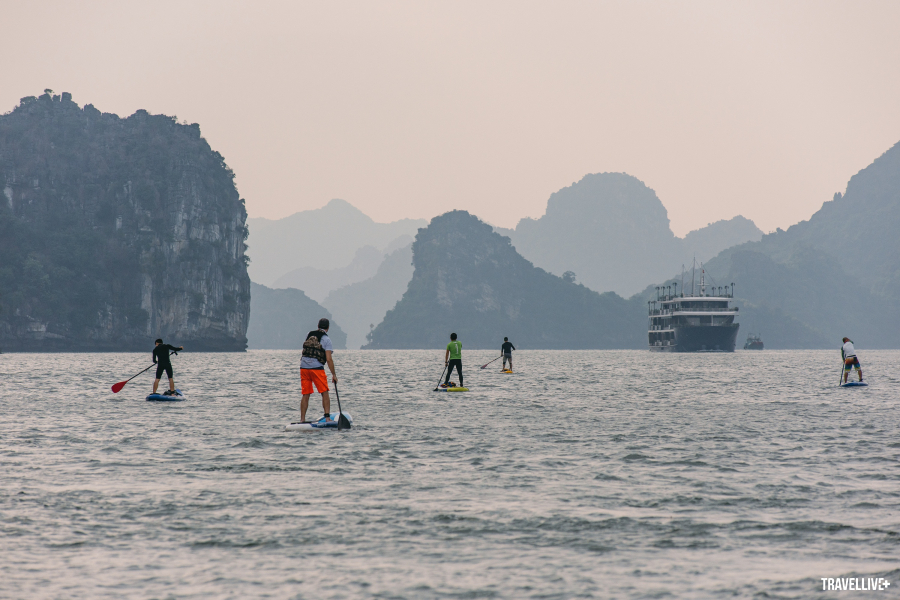
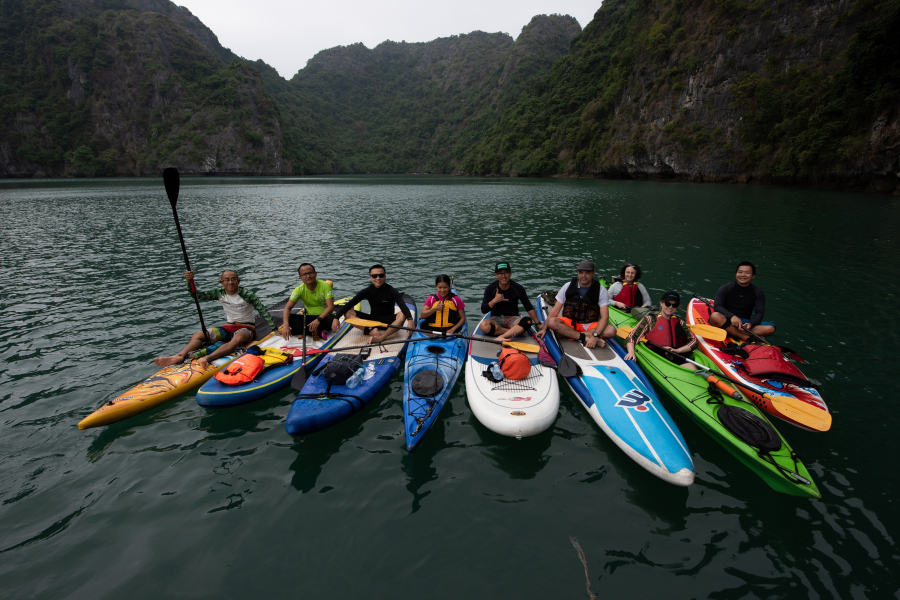
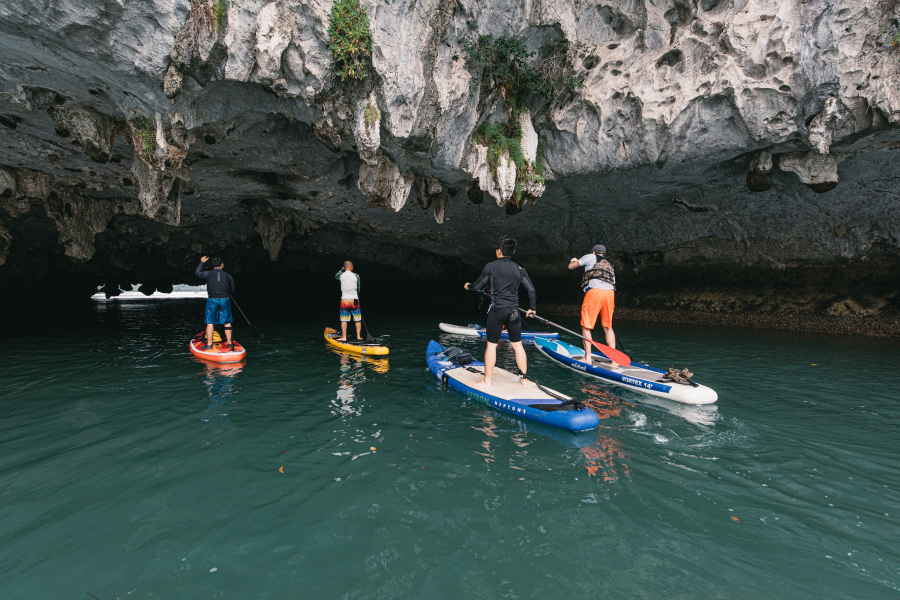
Depending on the type of activity, SUP (Stand-Up Paddleboarding) offers players different levels of emotion: recreational SUP helps relieve stress and relax, sporty SUP provides physical exercise and challenges personal limits, while SUP for travel offers a sense of exploration, adventure, and exhilaration.
Photo: Vu Bao Khanh
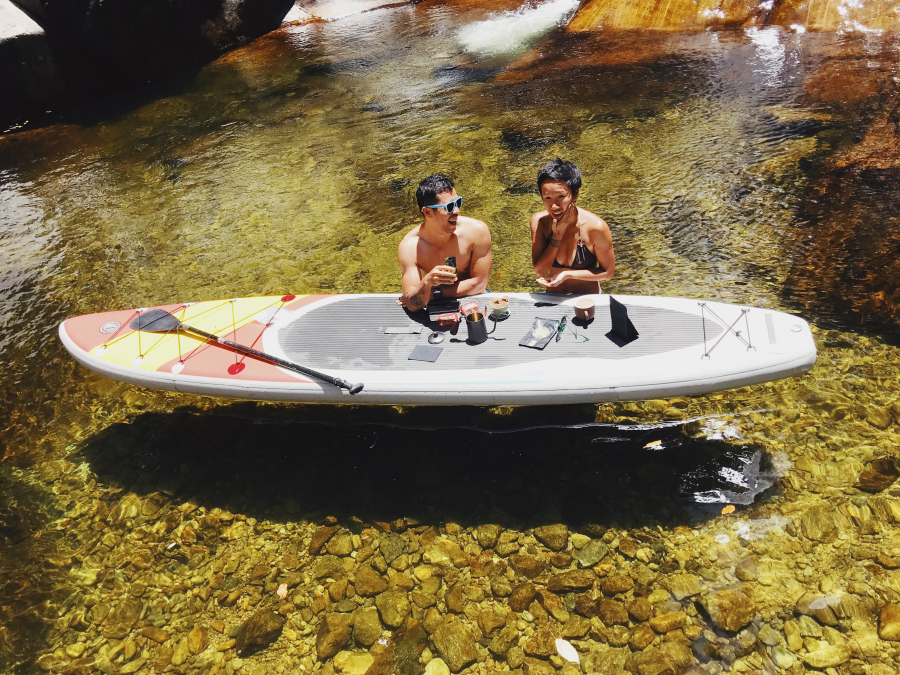
In addition to its mental benefits, SUP paddling helps players burn physical energy, strengthen their abdominal, upper body, and hip muscles due to the frequent light squatting movements required while paddling. The faster you paddle, the more and deeper you have to squat. Players can even practice yoga, meditation, or stretching right on the board.
Photo: Shi Jang
Photo: Shi Jang
How has the sport of Stand-Up Paddleboarding (SUP) developed in Vietnam?
SUP (Stand-Up Paddleboarding) began to be introduced to Vietnam in 2013, when Mr. Tran Trung Kien tried importing SUP boards and organizing the first trial sessions. From 2013 to early 2018, the movement mainly developed in Hanoi and Ho Chi Minh City at a modest pace. At the end of 2018, Mr. Kien and his company, Umove JSC, organized the first SUP race in Hue, on the Perfume River, called the Vietnam SUP Race. This race attracted about 80 racers from Vietnam and abroad living in Vietnam.
Photo: Vu Bao Khanh
The Vietnam SUP Race that year was more successful than expected, and surprisingly, right after the first race, the SUP movement exploded like "mushrooms after the rain." Numerous new clubs opened across the country in cities like Da Nang, Hue, Nha Trang, Quy Nhon, etc. Currently, there are four annual SUP races held in Hue, Da Nang, and Ha Giang. SUP has also become a favorite activity for young people every weekend or during their trips.
5 tips for beginners
#1.SUP allows players to freely develop their skills on the water, so if this is your first time participating in this sport, you only need to learn the basics correctly and sufficiently. SUP doesn't require advanced training, but it does require proper practice. The time it takes for "newbies" to get acquainted and be able to play SUP on their own ranges from 3 to 4 hours.
#2.Instead of buying brand new equipment right away, you can rent or borrow from friends and try it out before deciding if you truly love the sport and want to equip yourself with a really cool paddleboard. The choice of paddleboard is determined by factors such as: weight, paddling skill, intended use, and local conditions.
Photo: Vu Bao Khanh
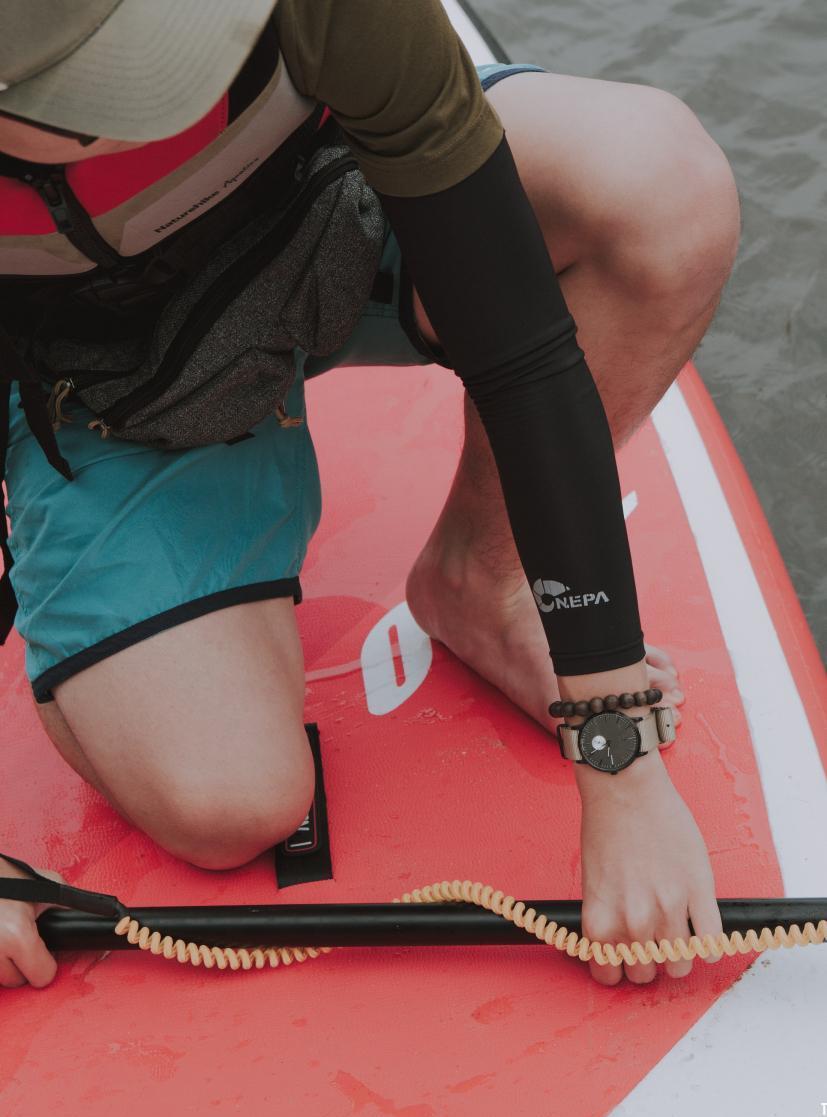
#3.Carefully checking your SUP and all accessories before getting into the water is crucial for your safety, not only for beginners but also for those who have been involved in this sport for a long time.
#4.Start with small, gentle waves until you have a better understanding of the current and the power of the water. You can "save" the bigger waves for when you have more experience and skill in this sport.
Photo: Vu Bao Khanh
#5.Finally, if possible, try SUP with friends as a way to double the fun and experience. Strolling on the water with a few like-minded companions will surely fuel and sustain your passion for SUP.

 VI
VI