VI
VI


1. The Texas Chain Saw Massacre (1974), a shocking horror film.
If you're a fan of horror, then you've undoubtedly heard of "The Texas Chain Saw Massacre." Directed by Tobe Hooper and released in 1974, this film reshaped the horror genre and left a lasting impression on viewers.
The setting in the film creates a sense of threat and dread, keeping the audience in a state of tension and anxiety. It's impossible to talk about "The Texas Chain Saw Massacre" without mentioning Leatherface, one of the classic horror figures. Leatherface is not only a cold-blooded killer but also a symbol of pain and despair.
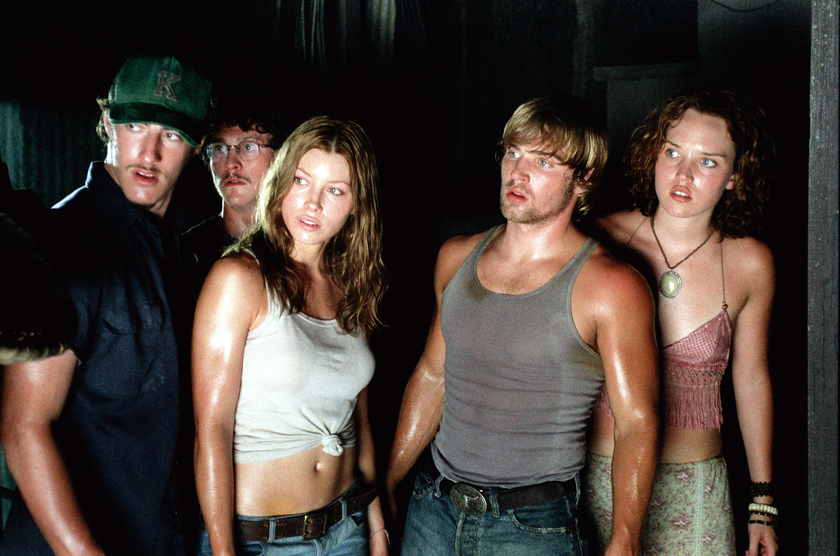
The characters in the film. Photo: New Line Cinema
2. Suspiria (1977), a horror painting about art and magic.
Considered one of the most acclaimed art-house horror films, "Suspiria" portrays a strange and haunting world where art and magic are creatively intertwined. One of "Suspiria's" standout strengths is its use of diverse and deeply unsettling colors, particularly the red and blue hues.
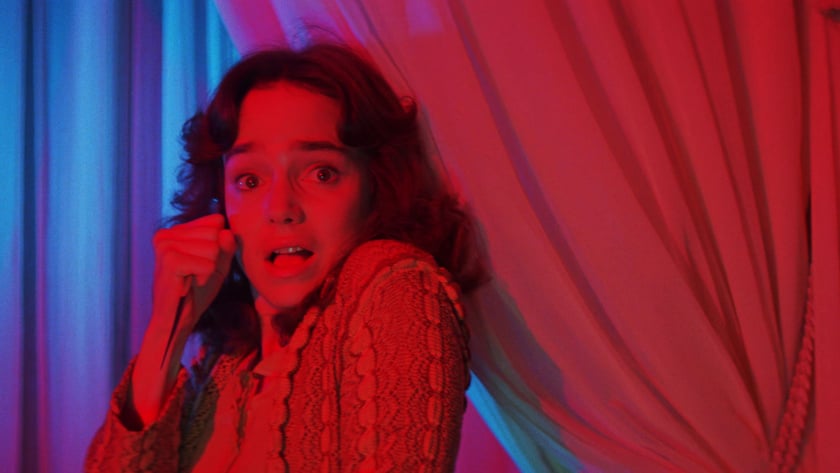
Surpiria is captivating due to its diverse range of colors.
The film centers around Dario Argento, a shy American dancer who enrolls in a haunted ballet academy in Europe, only to soon discover strange occurrences taking place. This simple setting allows master Giallo ample space to spread the screen with surreal colors, stage some gruesome death scenes, and deliver truly spine-chilling scores from the ghostly Italian professional rockers of Goblin.
3. Poltergeist (1982), when horror films redefined the concept of "family home".
When discussing iconic horror films of the 1980s, "Poltergeist" (1982), directed by Tobe Hooper and produced by Steven Spielberg, cannot be overlooked.
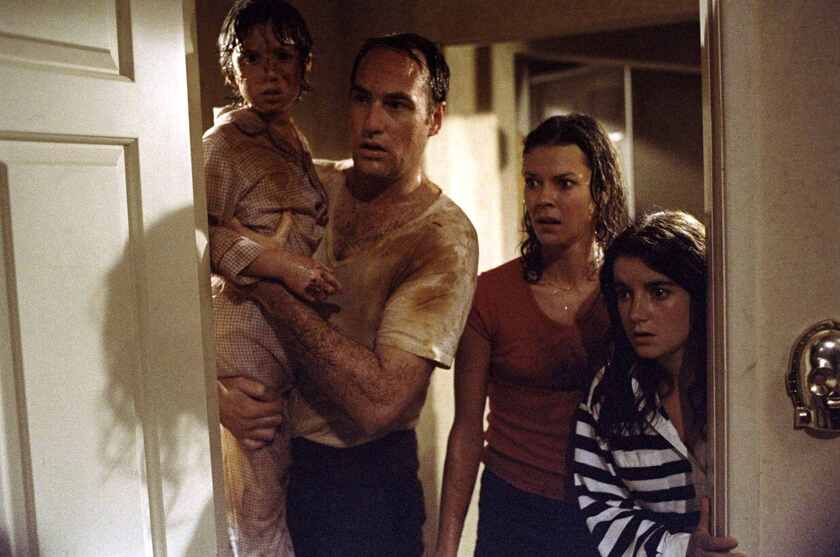
Poltergeist revolves around the Freeling family.
One notable aspect of "Poltergeist" is its focus on the Freeling family. As their family life is disrupted by supernatural phenomena, viewers can feel the deep connection between the family members. Despite being produced in the 1980s, a time when screen special effects were not as advanced as they are today, "Poltergeist" utilized cutting-edge special effects of the era to recreate the ghostly scenes.

4. The Thing (1982), a dark masterpiece of cinematic art.
"The Thing," a dark masterpiece of cinematic art under the masterful hand of director John Carpenter. The film achieved great success and, even today, is still highly regarded as a great work in the history of the horror genre.
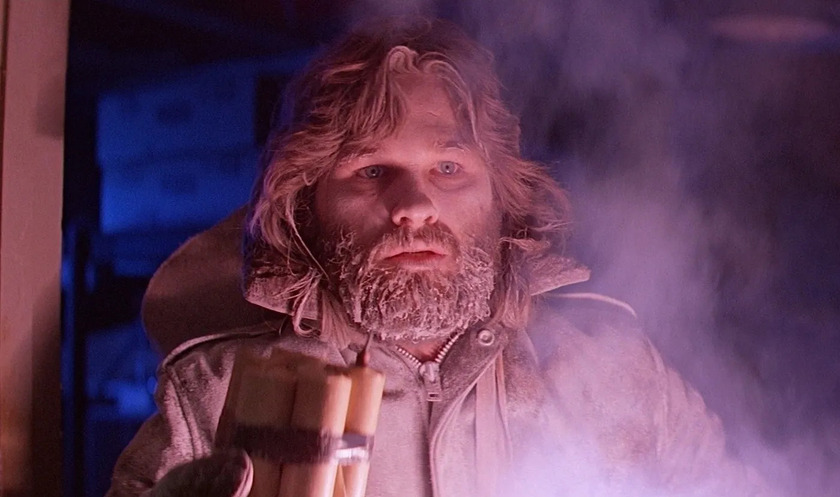
"The Thing" is famous for its top-notch visual effects during the 1980s.
"The Thing" is renowned for its top-notch visual effects during the 1980s. In particular, the use of unique visual effects, created by Rob Bottin, transported viewers into a dark world of transformation and grotesqueness.
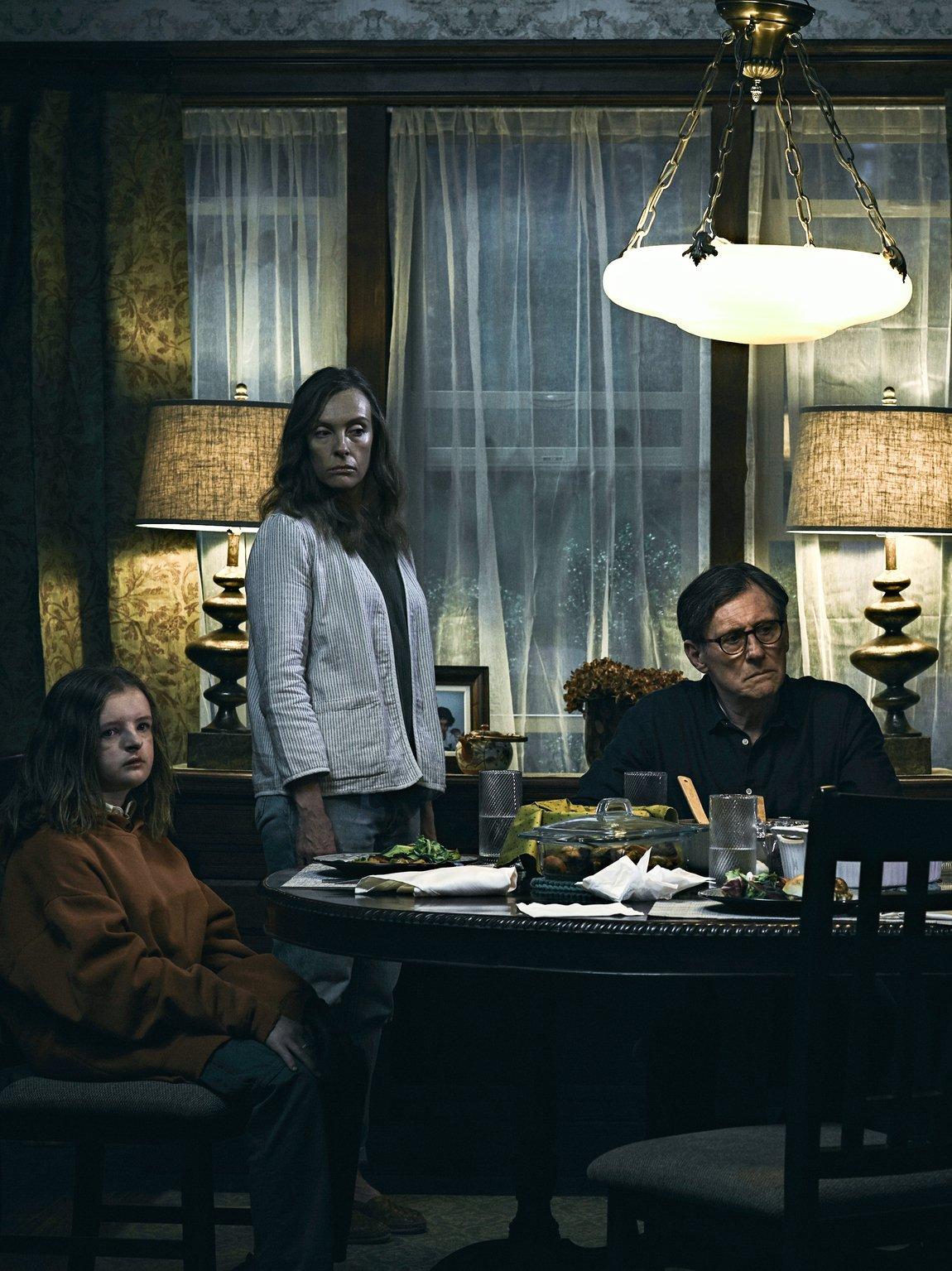
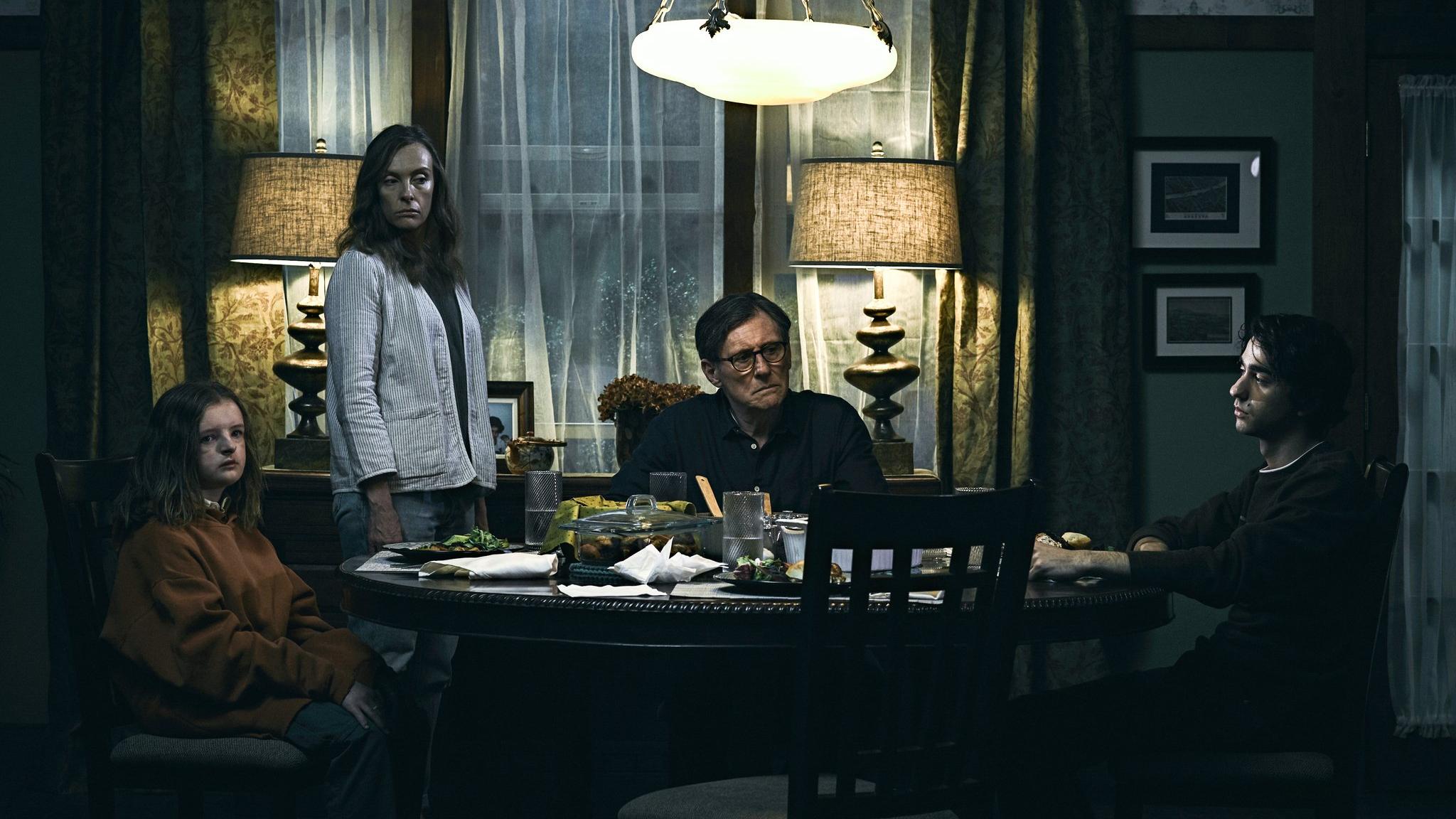
5. Hereditary (2018), where horror and psychological thrillers meet.
When discussing the top horror films of the past decade, "Hereditary" cannot be overlooked. Directed by Ari Aster, this film shocked and captivated audiences with its subtle blend of horror and psychology, drawing viewers into a bizarre world of haunting and family tragedy.
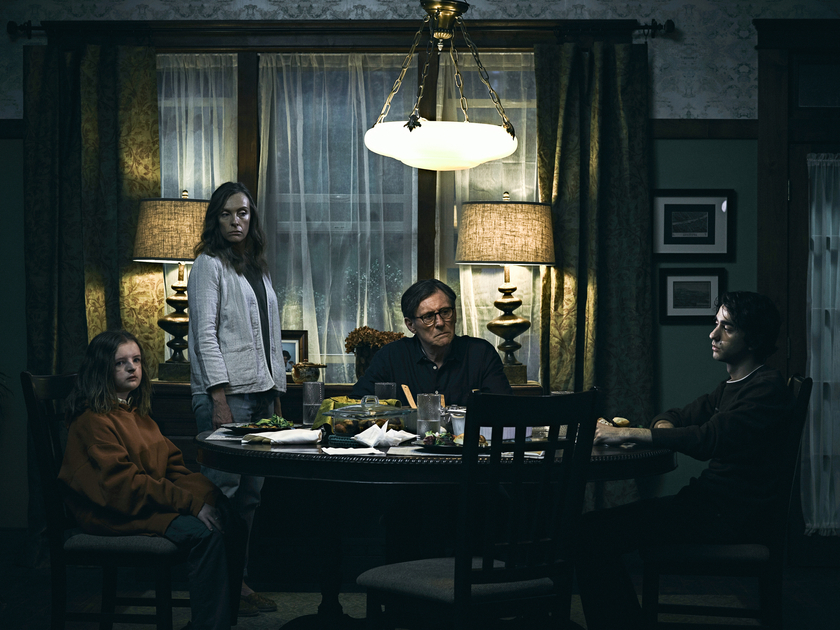
Hereditary shocked and captivated audiences with its sophisticated blend of horror and psychological elements.
The film doesn't rely on physical shocks to frighten the audience, but instead focuses on building psychological tension. Every detail and performance in the film is meaningful and contributes to highlighting the message about heredity and family love. The complex story structure of "Hereditary" is truly a work of art, marking a significant step forward in the horror genre. The story is never predictable, and surprises occur constantly, keeping the audience on the edge of their seats.
6. Creepshow (1982), a horror film adapted from a comic book.
"Creepshow" draws inspiration from horror comics, which is evident in the film's design and production process. Bright colors, unique design, and clever use of lighting create a distinctive atmosphere amidst dark and bizarre stories.
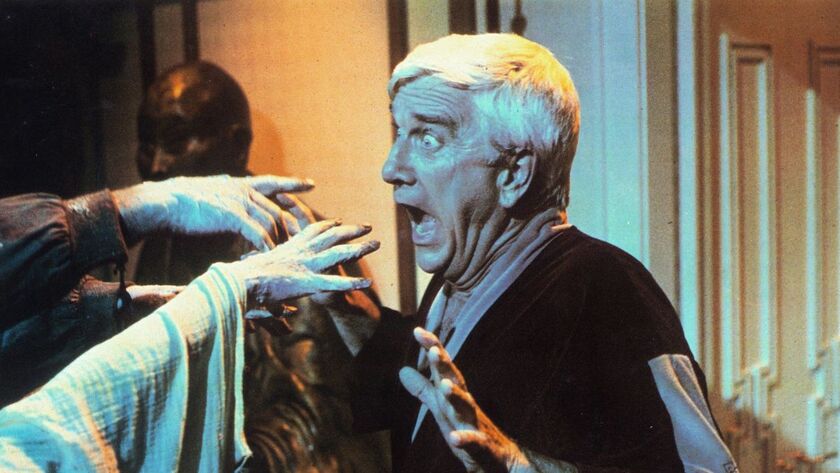
Creepshow is a horror movie adapted from a comic book.
The film consists of several short segments depicting situations of horror, humor, and surprise. Each segment is designed to stir the audience's mind and create a diverse experience, ranging from fear to delight.
7. Alien (1979), a strange allure in the world of horror.
"Alien," the acclaimed film by director Ridley Scott released in 1979, cannot be overlooked. This film has gone down in cinematic history not only for its captivating storyline but also for the way it created a haunting world of horror.
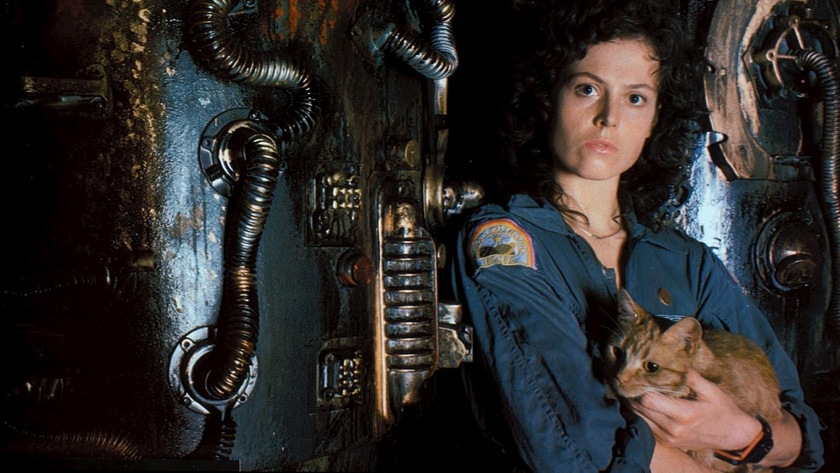
The desolate setting in the film made a strong impression on viewers.
One of the elements that makes "Alien" stand out is its setting. In a desolate and isolated spaceship, there is no safe place. Every moment, especially the silent ones, is filled with tension and fear. The film's monster, the Xenomorph, is a unique icon in the horror world. Designed by HR Giger, the Xenomorph has become one of the most memorable horror monsters in cinematic history.
8. The Shining (1980), when madness becomes a work of art.
One of the elements that makes "The Shining" stand out is the setting of the Overlook Hotel, where the film takes place. The scenes and rooms resemble a dilapidated house, creating a tense and mysterious atmosphere.
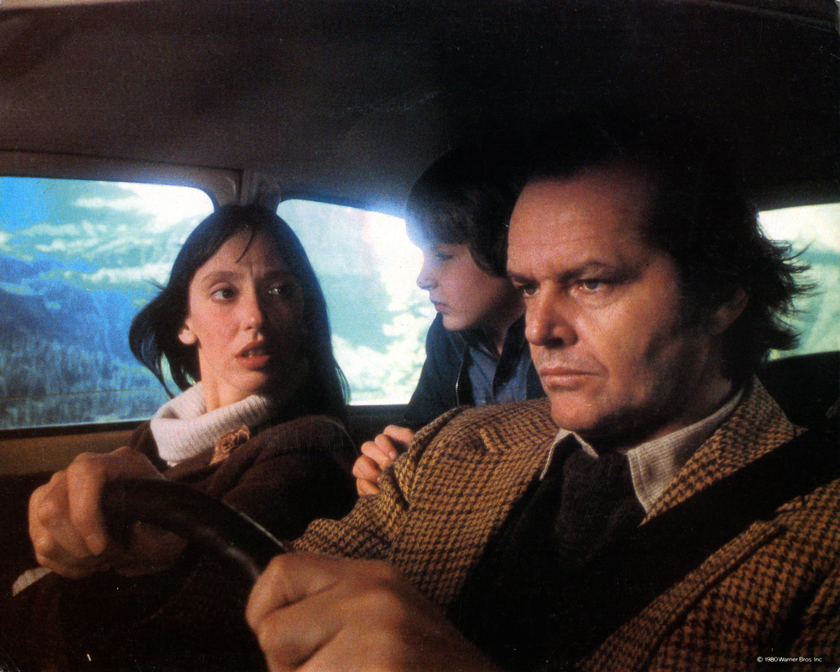
Jack Nicholson's performance as Jack Torrance left a strong impression on the film.
Jack Nicholson's performance as Jack Torrance created a terrifying and deranged character that was distinctly his own. Nicholson's portrayal of mental anguish and loss of control was brilliant. The play by Stanley Kubrick and Diane Johnson not only marked an enjoyment of derangement but also created a strange and mysterious world.