VI
VI


Nine years have passed since the earthquake and tsunami that struck northeastern Japan, followed by the Fukushima Daiichi nuclear power plant accident. It was thought that everything in Fukushima would be plunged into a "sea of death" after the disaster, but that did not happen. The Japanese people, with their "iron spirit," have powerfully revived this region.
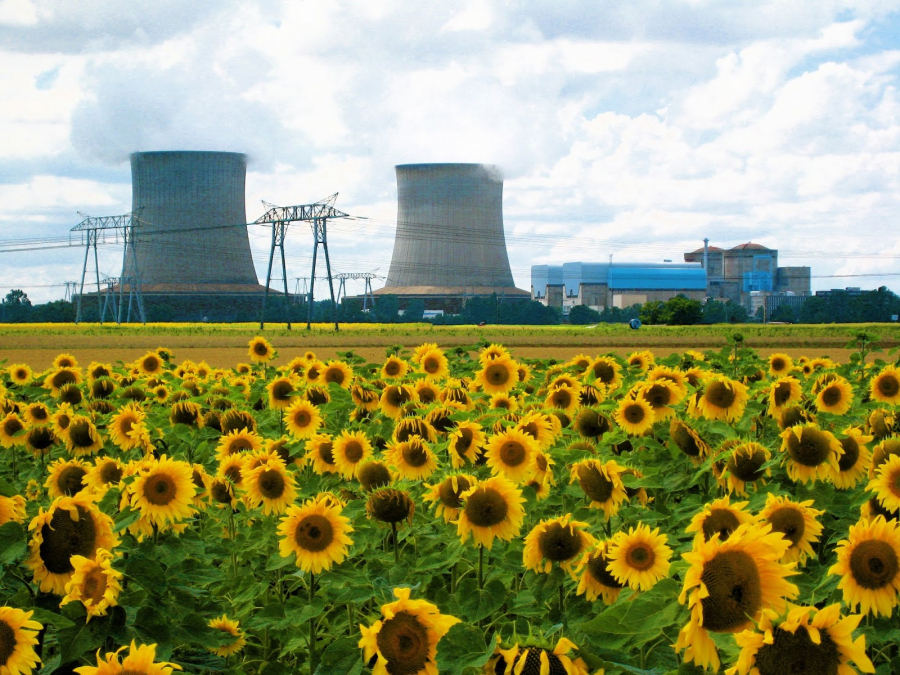
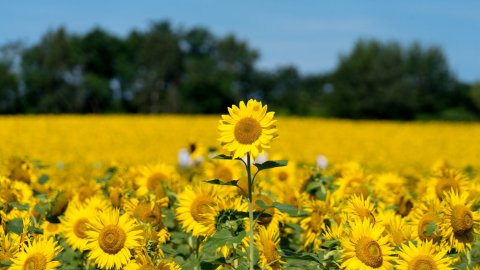
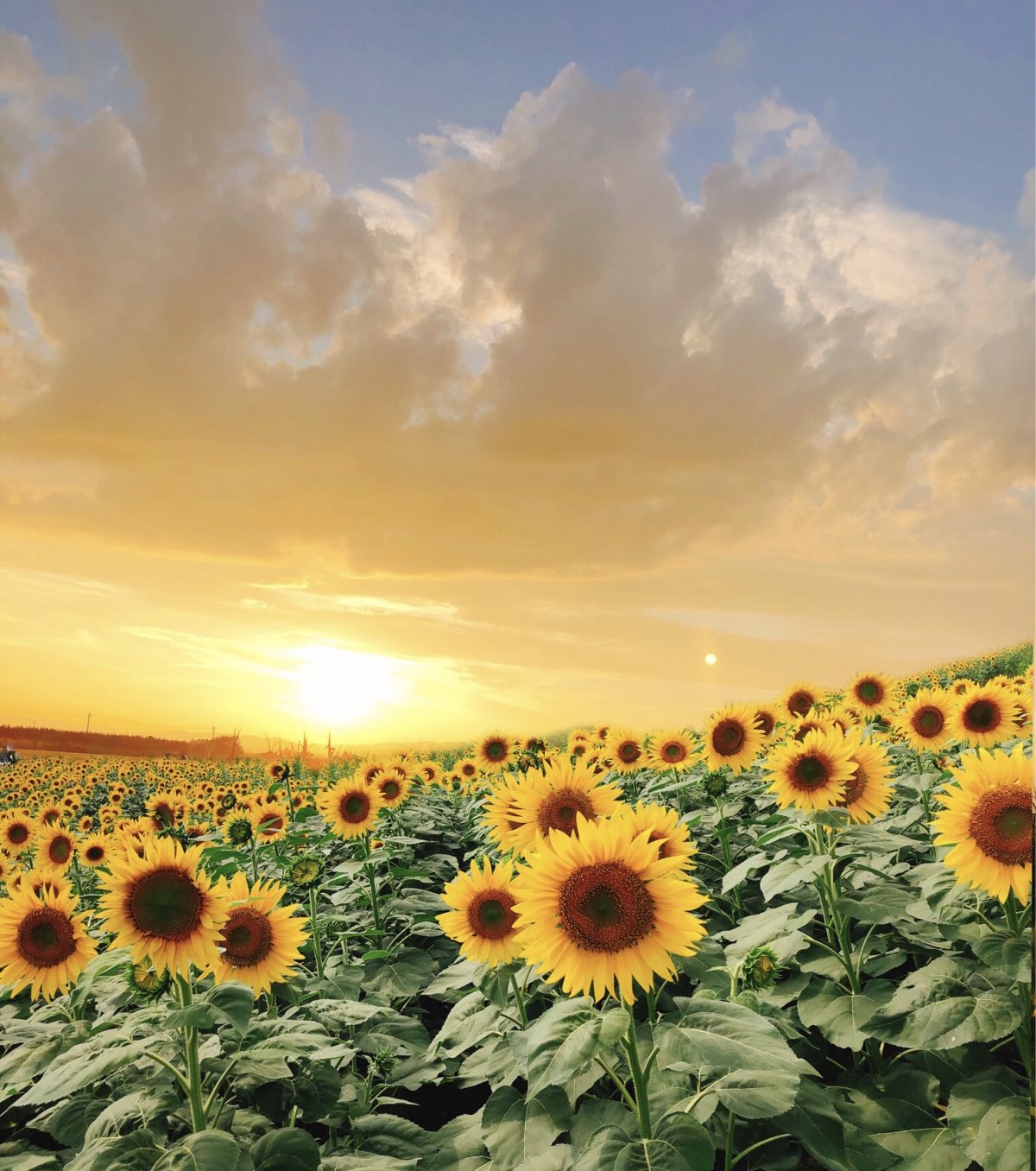
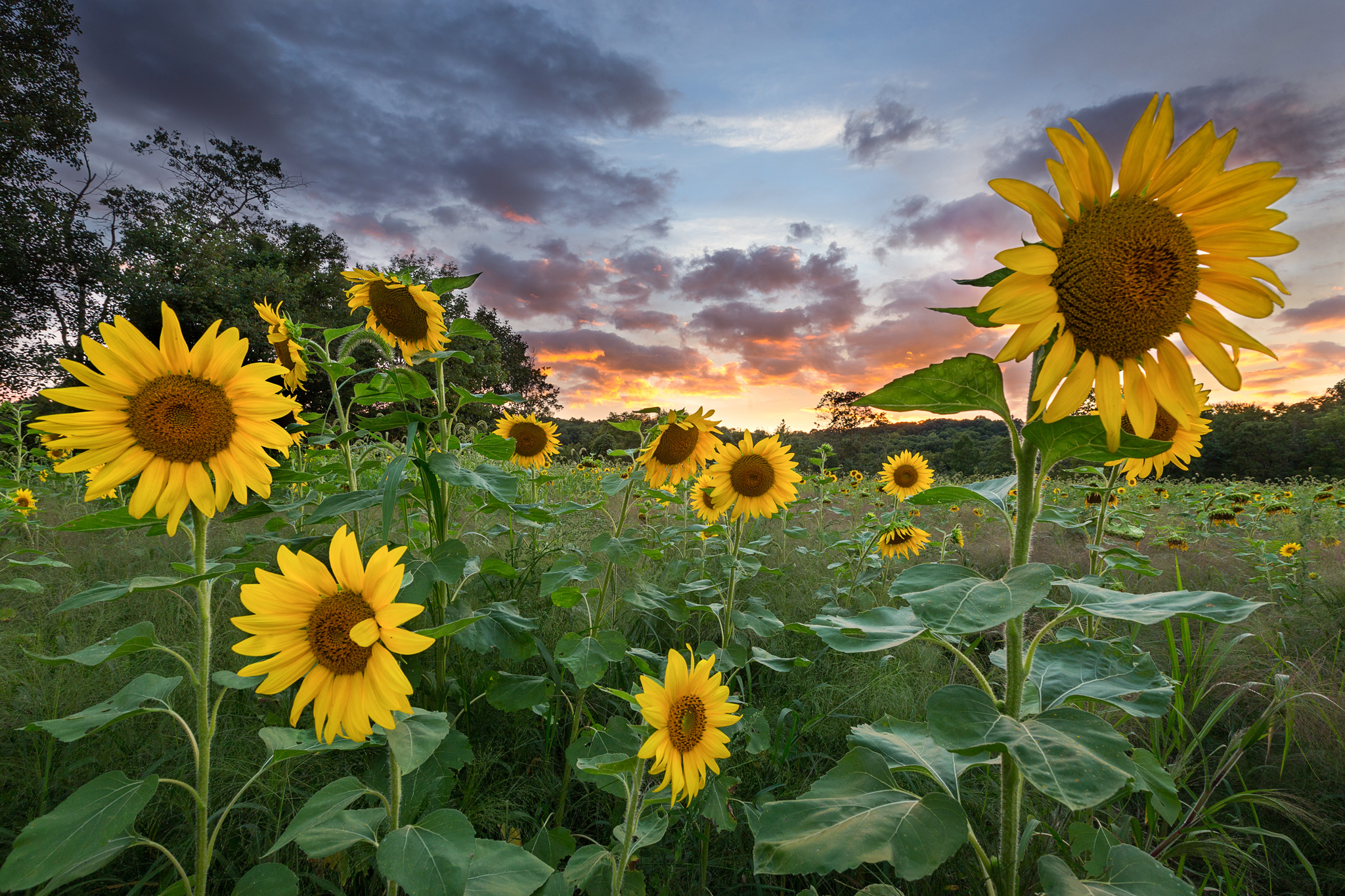
A maze of 2,000 sunflowers has been planted on barren land in the Shimo-Asamigawa area of Hirono, on the outskirts of Fukushima. These flowers are known for their ability to absorb radioactive isotopes from both the air and the soil. This is particularly important for a heavily affected area like Fukushima. Sunflower cultivation was previously used to rejuvenate the landscape after the Chernobyl disaster in 1986.

Following the earthquake and tsunami, then-Japanese Prime Minister Kan Naoto declared, "The new nuclear power plant is the real problem in this double disaster." Immediately, the Japanese government implemented post-disaster reconstruction policies aimed at minimizing damage.
Nine years after the double disaster of earthquake and tsunami, the Japanese government and people are still working tirelessly to rebuild from the ruins. Thousands of workers and machines are working non-stop to clear the debris and regularly taking soil and water samples for radiation testing. According to the latest report from NHK, one-third of the cities in Fukushima Prefecture are now completely free of contamination.