VI
VI


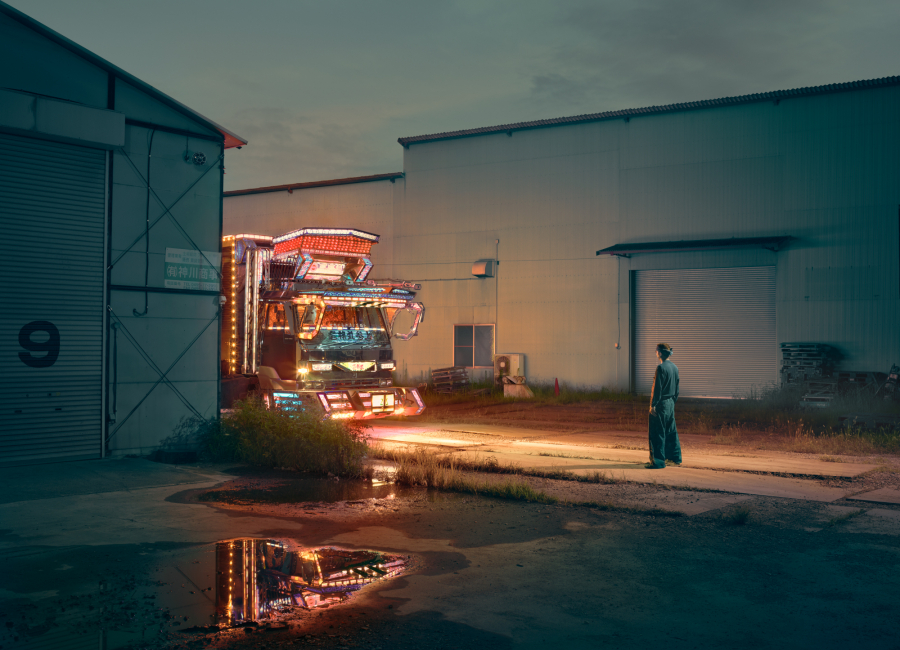
Dekotoragooddecotora"Dekotora" is an abbreviation for "decoration truck," referring to elaborately decorated trucks in Japan. With neon lights, ultraviolet lights, colorful paint, and expensive interior components like chandeliers and luxurious seat upholstery, dekotora trucks are created by truck drivers for fun or special events, rather than as a means of transportation for work.
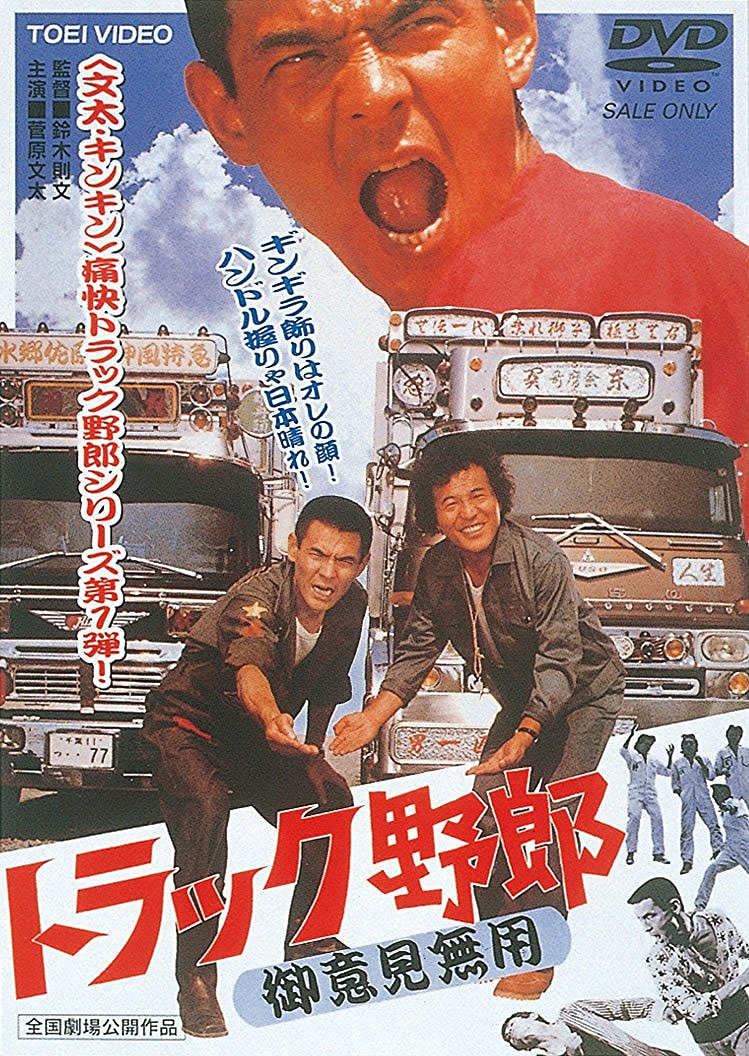
In 1974, Toei Studios released the first film in the 10-episode series "Torakku Yaro" (Truck Guys), about a man driving a lavishly decorated truck across Japan. The film became a sensation for a long time, and the dekotora culture began from there. Dekotora trucks appeared frequently in films, television shows, and video games throughout Japan.
Starting in 1990, the dekotora truck styling was influenced by the Gundam anime series, which features giant robots. The trucks became more angular and resembled robots overall. That styling remains consistent to this day. Currently, there are approximately 500 to 600 dekotora trucks nationwide. During their heyday, the number of dekotora trucks could reach 1,000.


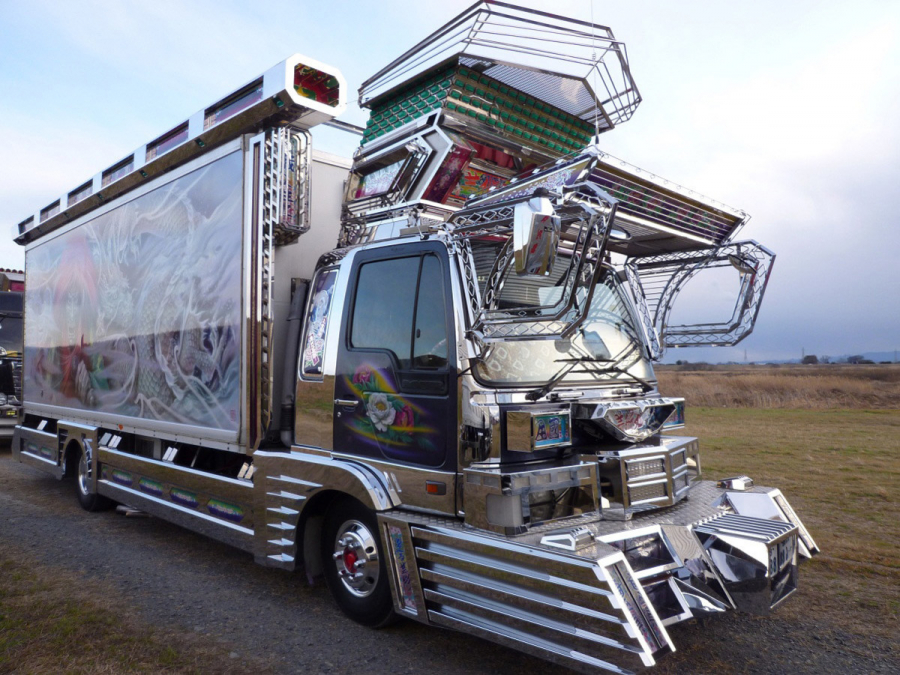
Dekotora stands out from other car cultures in Japan. Partly because it originated from a popular film, and partly because its essence isn't about making vehicles bigger or weirder, but rather about personalizing and decorating the car that accompanies them on their journeys. Even though each car costs as much as a house, they feel no regret because it's a masterpiece created by their own hands.
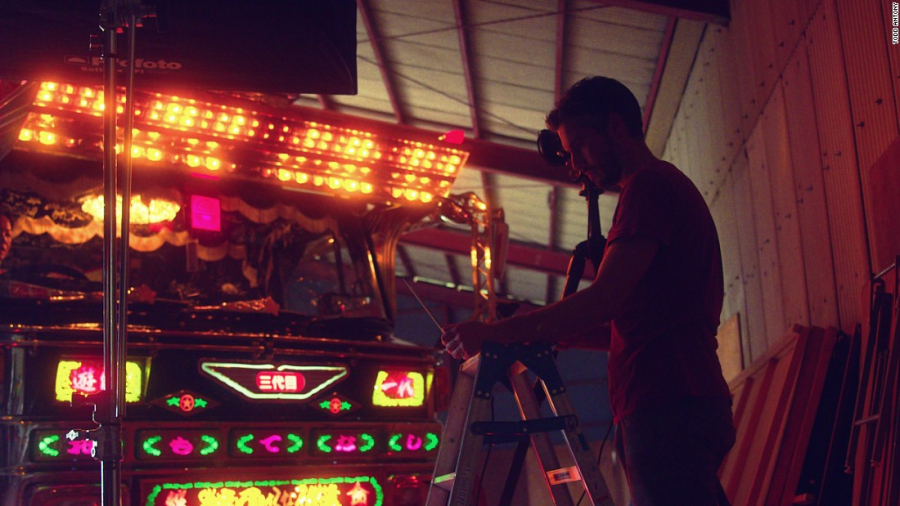
Truck drivers take deep pride in their vehicles. Junichi Tajima, head of the Utamaro Kai National Association for dekotora enthusiasts, says that to him, the truck is like his children, his brothers, his family, and everything he aspires to. He owns three dekotora trucks and spent nearly 35 years completing them. "We all share the same passion: creating trucks you can't find anywhere else in the world." Many people consider truck drivers to be hot-tempered and intimidating, but seeing the dekotora trucks with their adorable drawings and colors, they gradually develop a more positive impression of them.
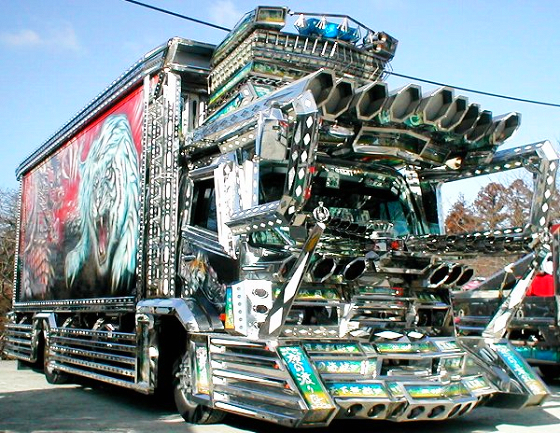

"You can't worry about money when you decorate a dekotora vehicle; its value isn't about money, but about spirit. Through dekotora decoration, you can express your lifestyle, your hometown, and your family. I hope that dekotora will become a positive and enduring phenomenon in Japan."
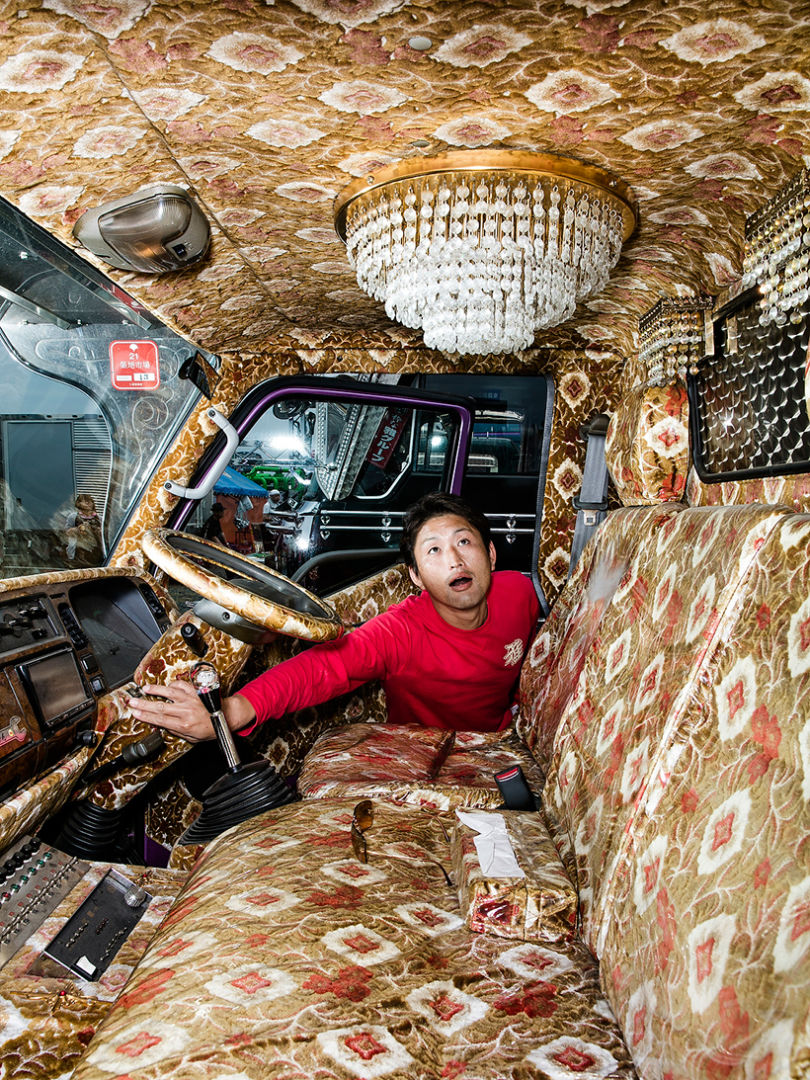
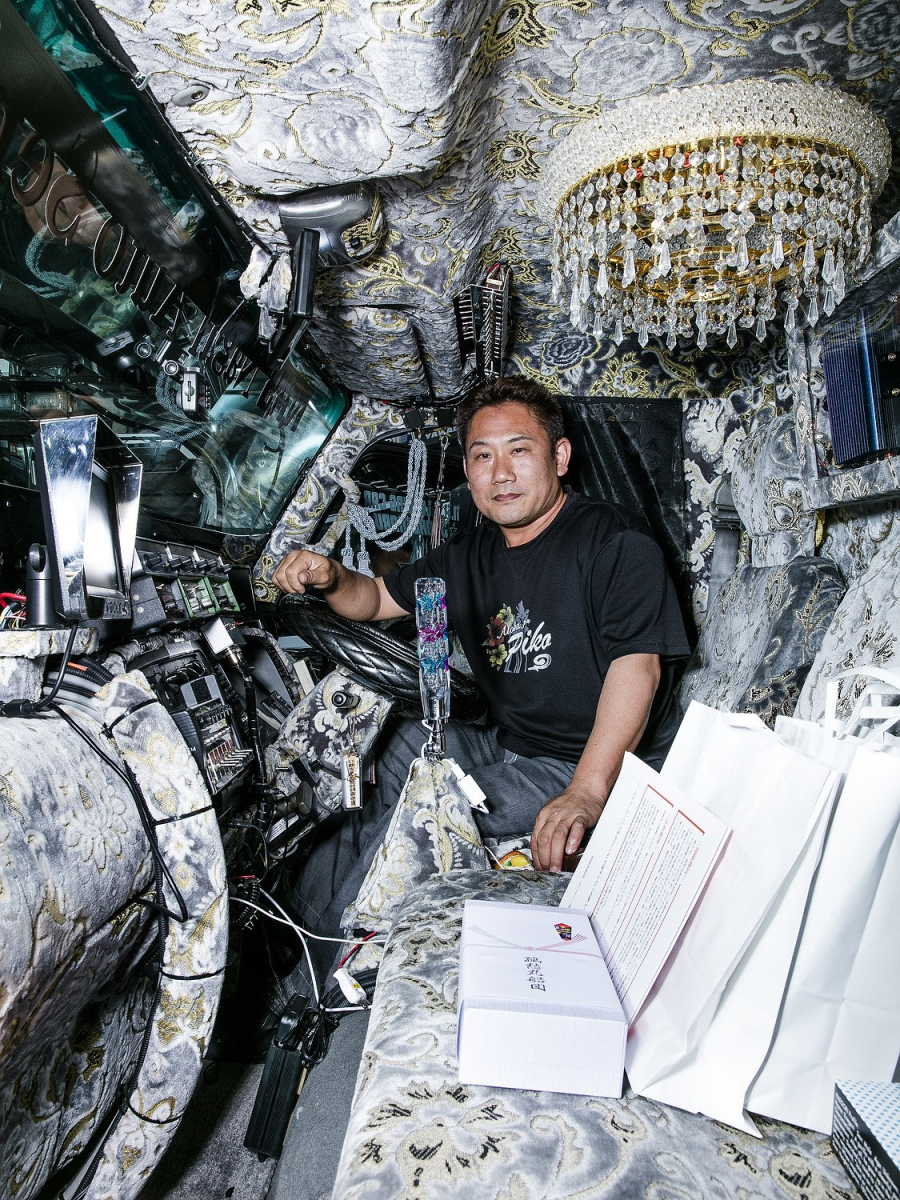
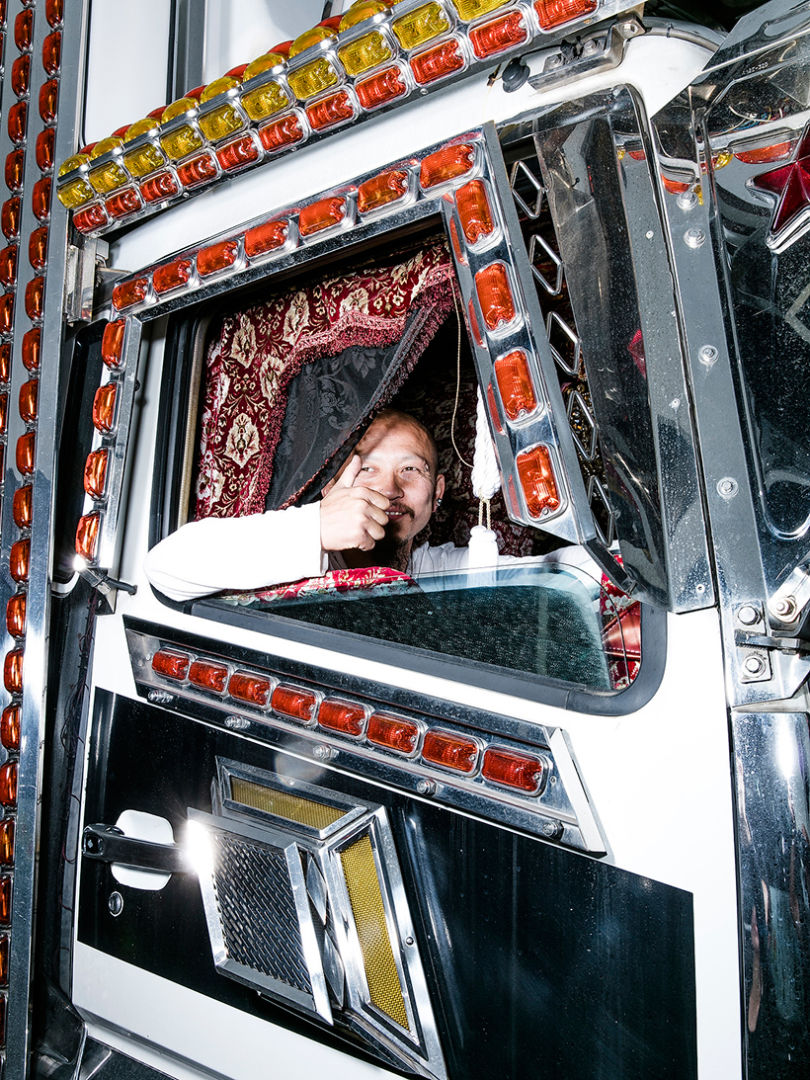
The Utamaro Kai Association also does a great deal of charity work. When the tsunami struck Japan in 2011, they traveled to northern Japan more than 50 times, providing food, supplies, and relief items, and even cooking for the victims. In addition, they want to use dekotora trucks to help people recover after the disaster and inspire them to cooperate and help rebuild their cities. These dekotora trucks are not just large, brightly lit vehicles. Every time people see one of them driving down the road with its sparkling lights in the dark night, their hearts are healed.
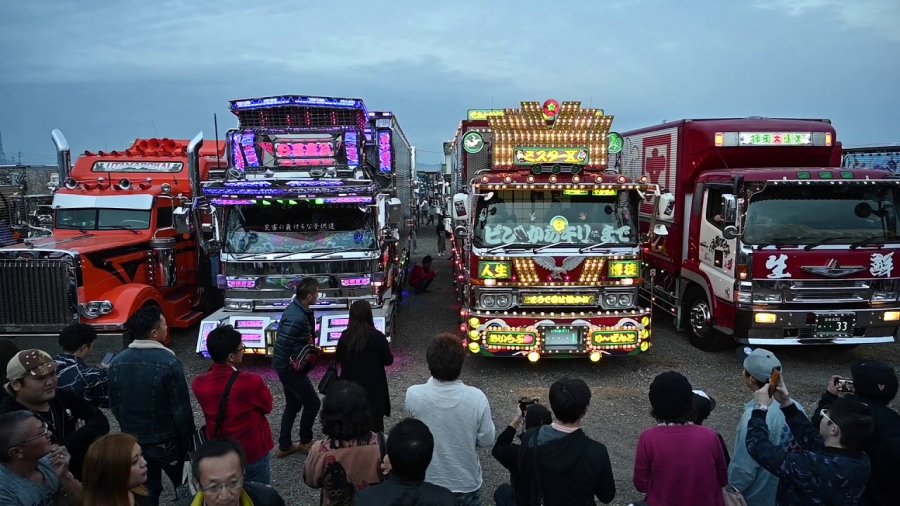
According to the drivers, the process of decorating their trucks never ends; it only grows over time because they are always eager to try something new. Some may spend up to $100,000 (approximately 2 billion VND) on decorating their vehicles. The most expensive part is decorating the truck's body with paintings of dragons or human figures.