VI
VI


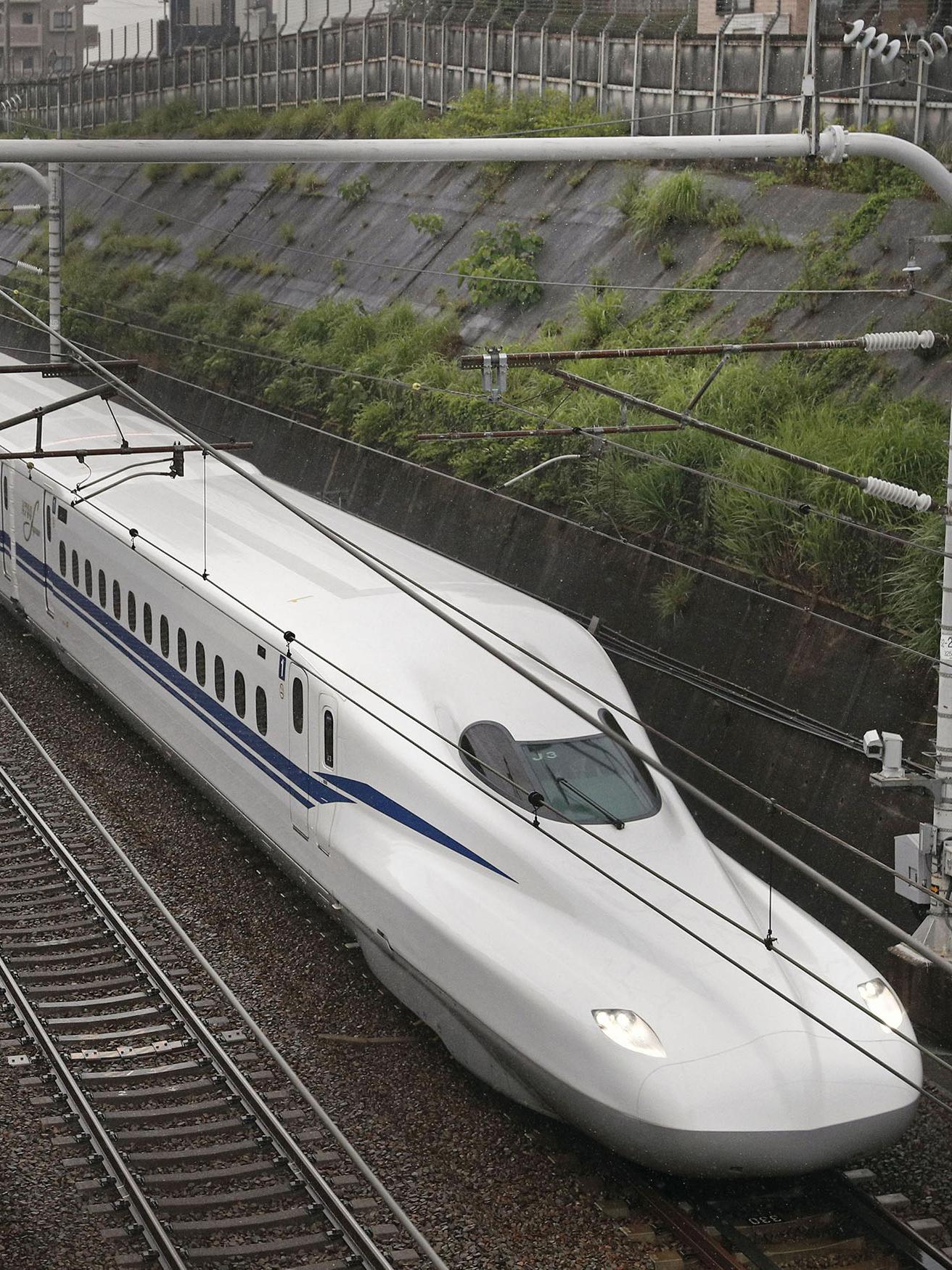
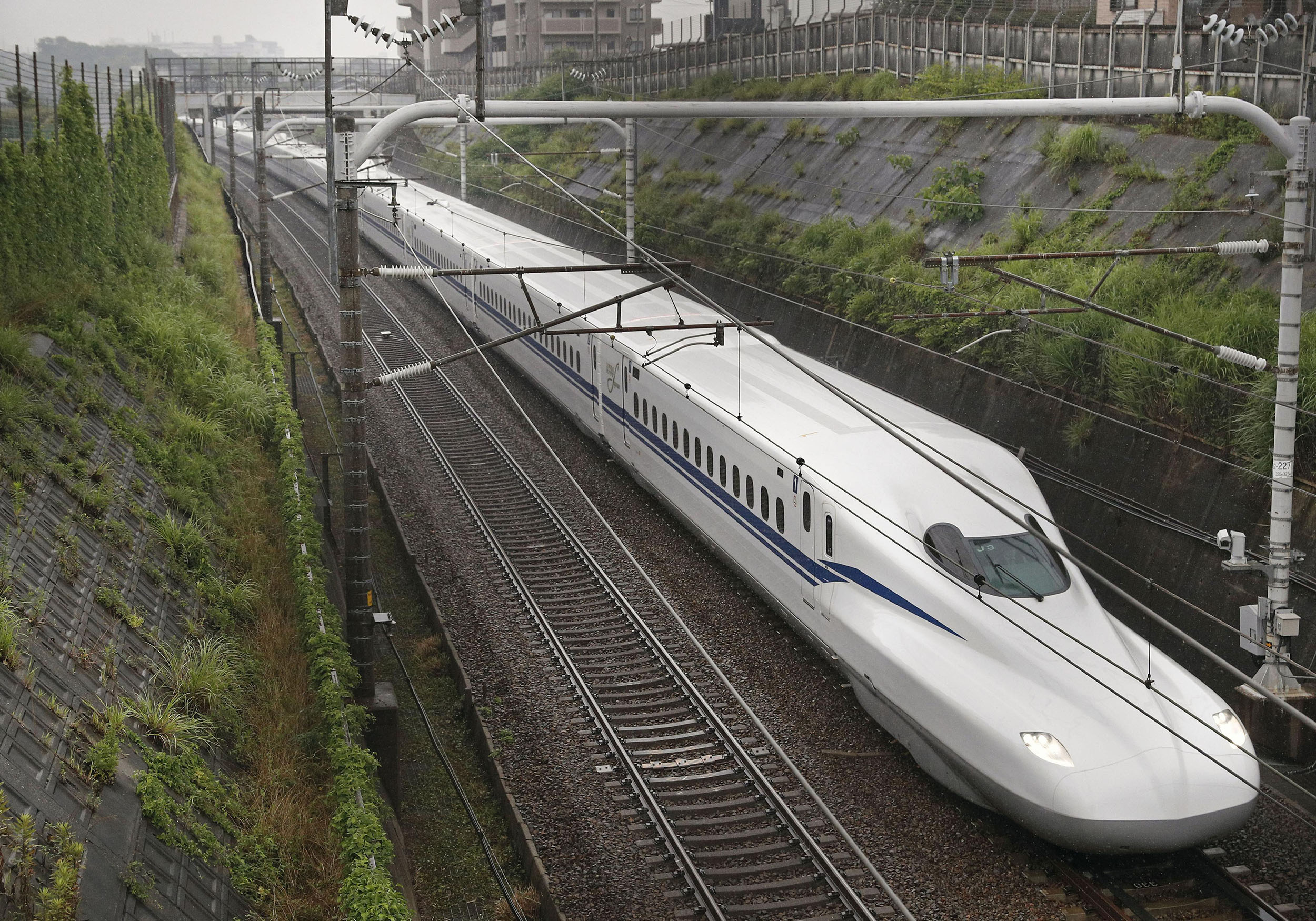
The N700S train began operating on July 1st on the Tokaido Shinkansen line connecting Tokyo Station with Shin-Osaka Station in Osaka. With a top speed of 360 km/h, the train set a new record during its 2019 test run and became one of the fastest trains in the world. However, its operating speed will be limited to 285 km/h. This is the first new bullet train model added by Japan Railways (JR Central) to the Tokaido Shinkansen line, the world's first high-speed rail line, in 13 years.
In terms of appearance, the N700S is not significantly different from the older N700 or N700A models, except for the sleek yellow logo. However, the vessel has a more angular bow, a more curved outer edge, and a more attractive headlight design.
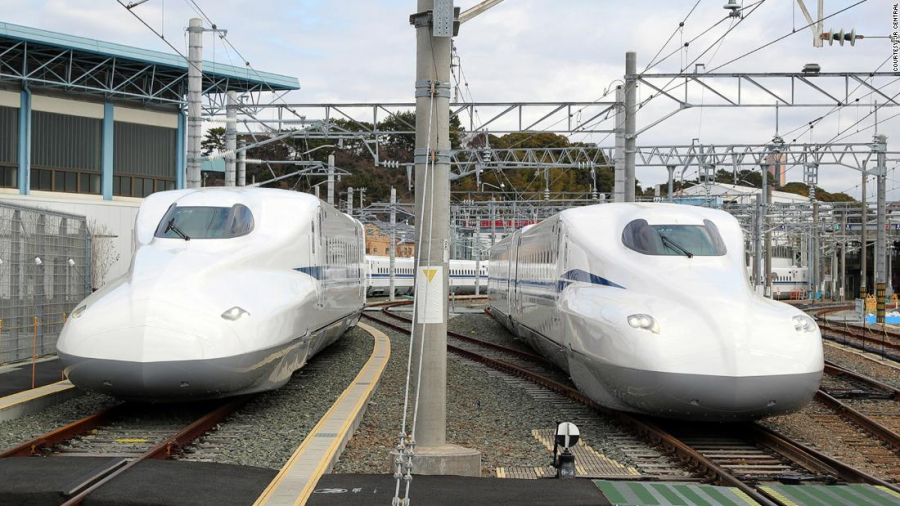
The N700S vessel has a more angular bow, a more curved outer edge, and a more aesthetically pleasing headlight design.
In terms of interior design, the new seat design allows passengers to recline further, providing comfort for long journeys. Each seat has a personal charging port. Interior lighting is designed to create a pleasant ambiance in the train cabin. The overhead luggage racks above each seat will have lights at each stop to help passengers avoid forgetting their belongings.
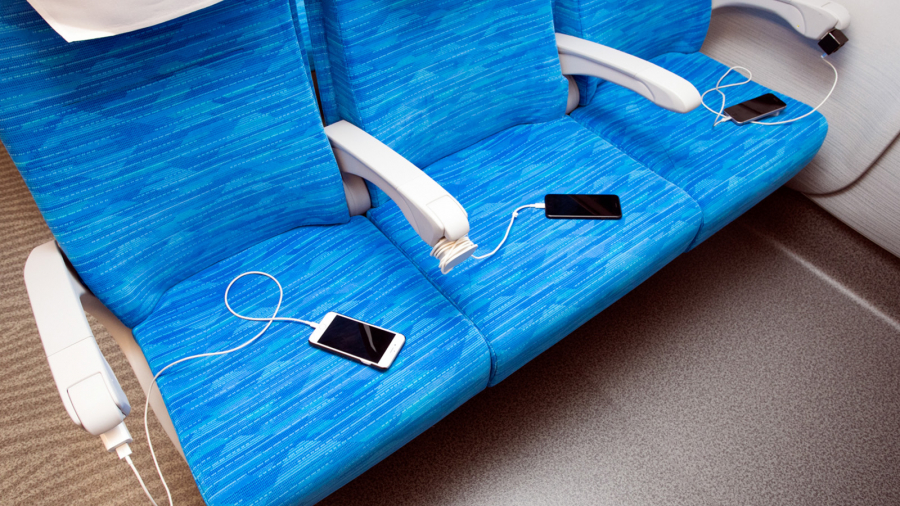
Each seat has a personal charging port.
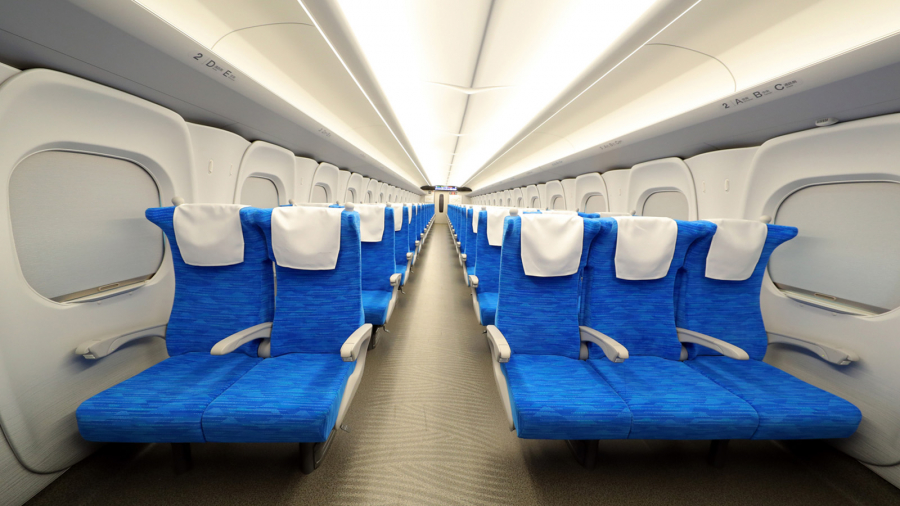
The overhead luggage racks above each seat will have lights at each stop to help passengers avoid forgetting their belongings.
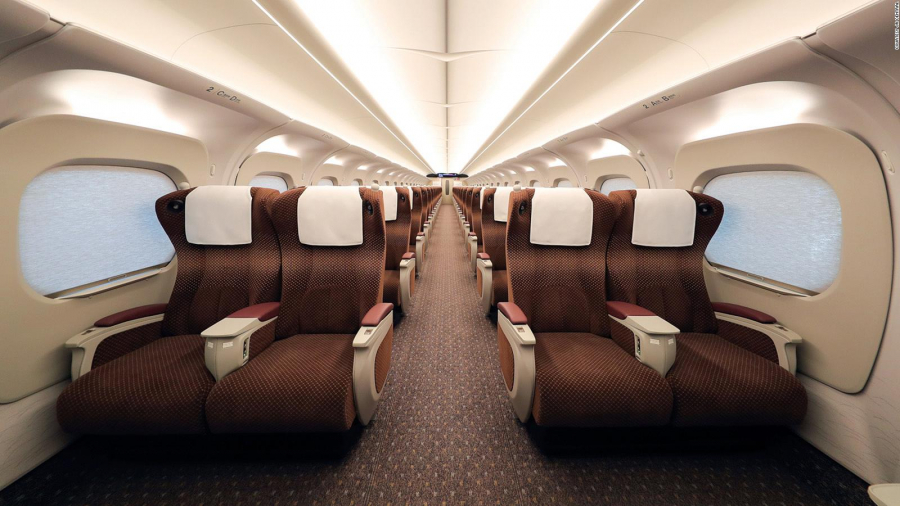
Green Cars' first-class cabin offers 15% more seating space than standard cabins.
The new train model offers a smoother and more comfortable ride thanks to an automatic damping system that absorbs the train's movement. In addition to focusing on increased comfort, the design engineers also prioritized safety. The N700S train is equipped with an automatic braking and control system that allows the train to stop faster in emergencies.

The train is also equipped with the world's first lithium-ion battery-powered autonomous propulsion system. Thanks to this system, the N700S can travel short distances in the event of a power outage and move to safety at a low speed if trapped in high-risk areas such as bridges or tunnels during an earthquake. The engineering team also installed more cameras inside the train's compartments, increasing from two to six cameras per carriage.
The improved components occupy less space beneath the train floor compared to the old model, allowing for flexible configuration changes from 4 to 16 carriages. This also helps reduce electricity consumption while improving train operational efficiency.
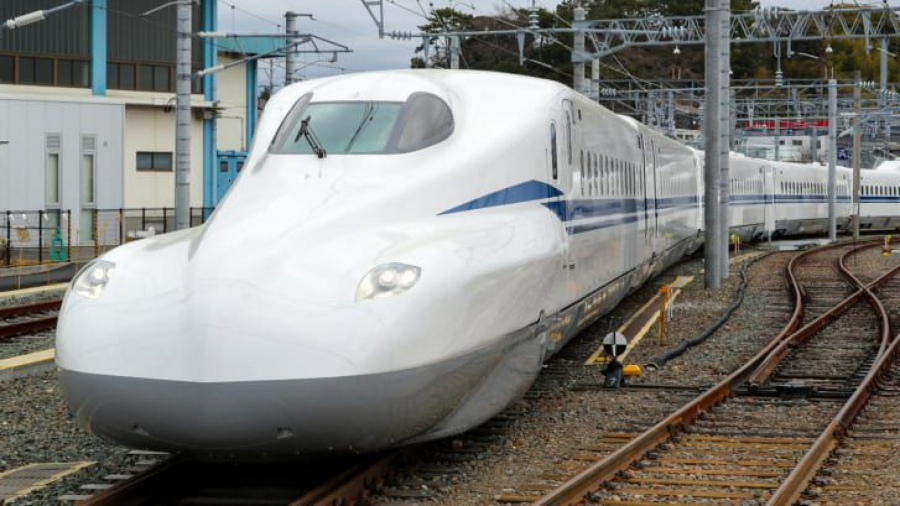
The N700S train has a maximum speed of 285 km/h, the same as previous models in the same series, but noise, vibration, and air resistance have been significantly reduced.
On the inaugural journey, many locals attended the departure ceremony. Those who enjoy traveling by rail gathered at a platform in Tokyo Station shortly after the ticket gates opened at 5:30 a.m. They took photos of the new N700S train, which has undergone its first comprehensive upgrade in 13 years and is the sixth generation of Shinkansen trains to operate on the Tokaido Shinkansen line.
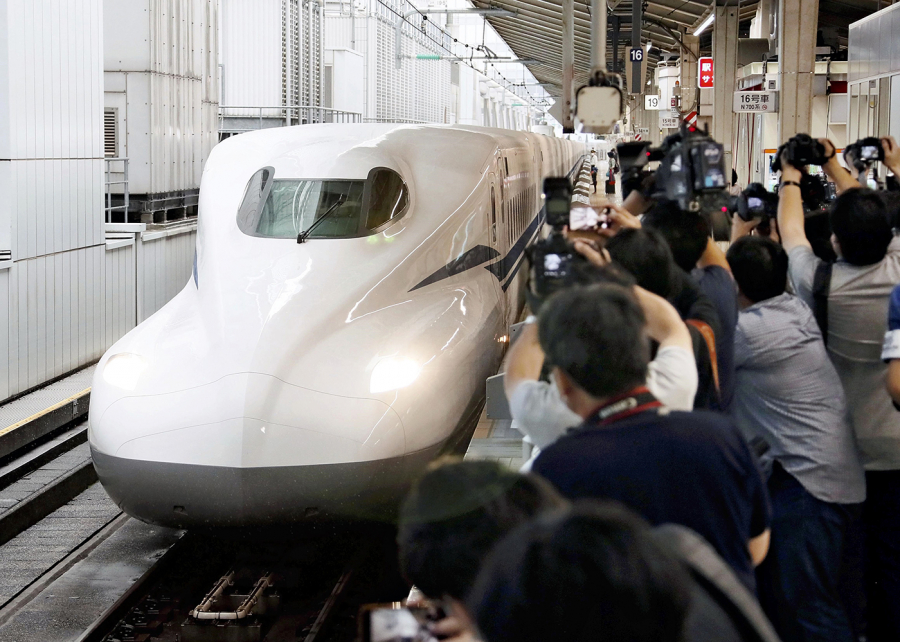
Many people came to attend the departure ceremony of the Shinkansen N700S train.
Mr. Kaneko Shin, Director of Central Japan Railway Company, delivered a speech at the departure ceremony before the train set off for Fukuoka. According to Mr. Kaneko, the N700S train has a maximum speed of 285 km/h, the same as previous models in the same series, but with significantly reduced noise, vibration, and air resistance.
Japan Central Railway Company initially plans to operate four of these new train types and will increase the number to 40 within the next three years.