VI
VI


After more than three months battling the heat and devastating bushfires, Australians finally enjoyed a few hours of relief as rain poured down, easing the intensity of the firestorm. Rain in parts of New South Wales and Victoria over the past weekend significantly reduced temperatures.
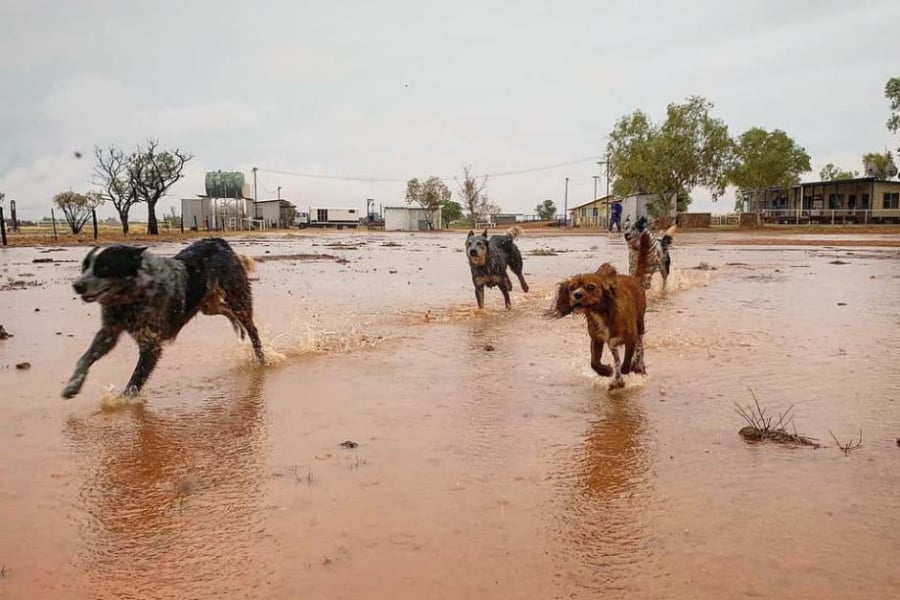
The dogs rejoiced in the rain.
Although the rains weren't enough to extinguish the more than 200 wildfires raging in these areas, they were still considered a rare "savior" bestowed by nature during the great disaster, giving firefighters a brief respite after weeks of battling the blazes. Authorities also had time to assess the damage caused by the devastating fires.

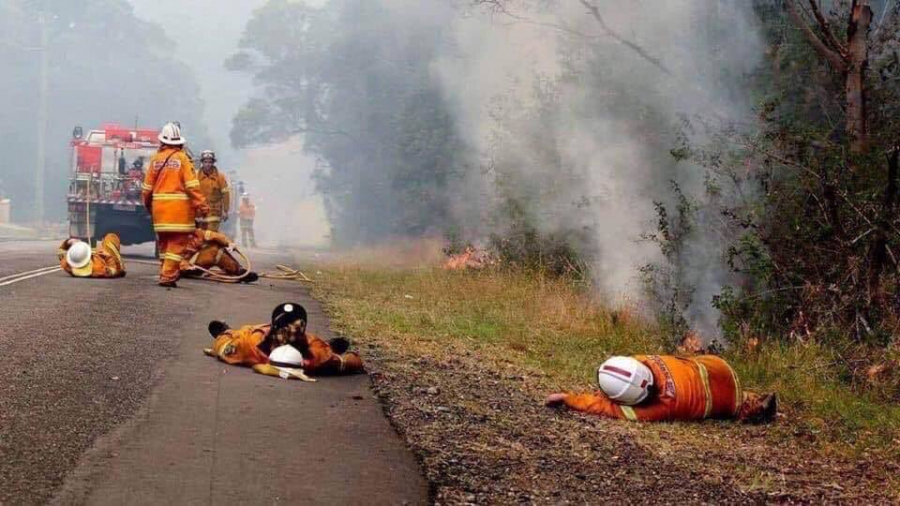
Thanks to the heavy rains, firefighters have had a little time to rest after weeks of battling wildfires.
These pleasant weather conditions won't last long. Around Thursday of this week (January 9th), Australia will experience another heatwave, with temperatures expected to rise sharply again, creating conditions for wildfires to reignite and spread. However, at this point, it is still impossible to accurately assess the severity of the upcoming heatwave.
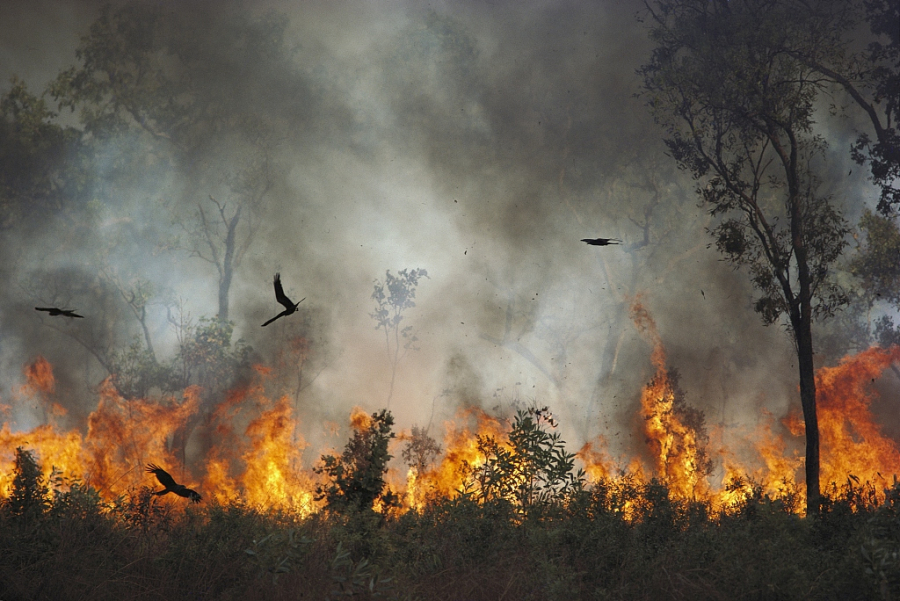
Authorities predict that wildfires will continue to wreak havoc on Australia for at least another two months.
Currently, tens of thousands of households in the states of New South Wales and Victoria are without electricity. Thousands of people trapped in the massive wildfires that have raged since the beginning of the year are still awaiting rescue. Across the country, at least 24 people have died, 1,500 homes have been destroyed, over 5.25 million hectares of forest have been burned, and half a billion animals have suffered agonizing deaths. With temperatures predicted to continue rising in the coming days, the total damage from this catastrophe will undoubtedly exceed these figures. Philanthropists worldwide are trying to raise funds for the country in the hope that the disaster will end sooner than initially expected.
SEVERAL FUNDS RECEIVE CONTRIBUTIONS TO SUPPORT WILDFIRES IN AUSTRALIA
•Supporting the Red Cross's relief and recovery efforts.
•Supporting wildlife through WIRES
•Long-term disaster relief through The Salvation Army
•Donate food to the victims of the pine forest fires at the Food Bank.