VI
VI



1. Italian cuisine
Italian cuisine is characterized by its Mediterranean roots – simple, focusing on natural ingredients like tomatoes, garlic, olive oil, green vegetables, and whole grains. This makes the cuisine of the boot-shaped country one of the healthiest in the world. Research shows that eating Italian-style meals can effectively support weight loss, blood sugar control, and reduce the risk of depression. In short, Italian cuisine is both simple and unique.

It is said that Italian master chefs are wizards at combining various flavors, from fresh ingredients, flour, and grains to herbs and spices... From this, they create dishes that are both rich and harmonious, while preserving the flavors of each ingredient. Some Italian dishes that almost everyone has tasted at least once include: Pizza, Spaghetti, Tiramisu, Risotto, Lasagna…
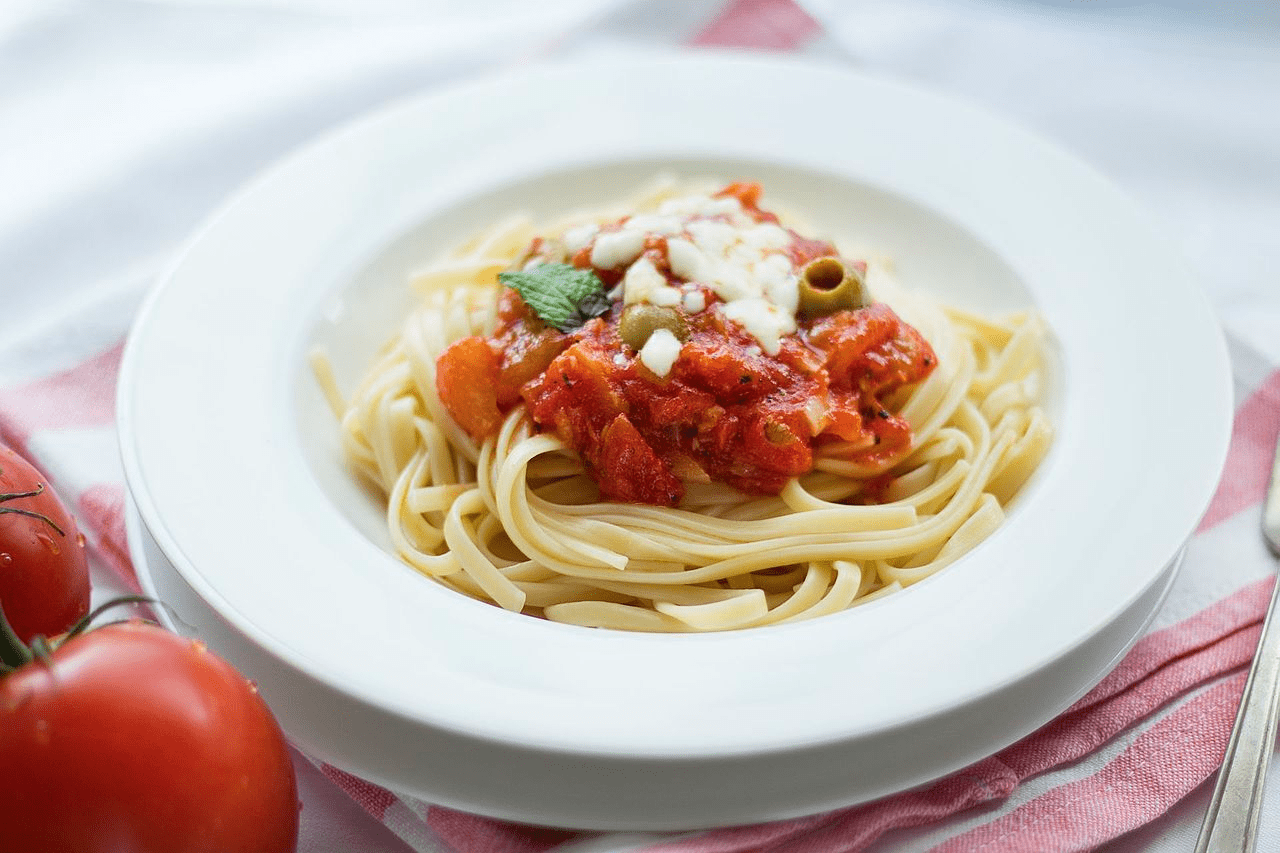
"Italian food isn't created by talent or intellect, but primarily by experience and a unique emotion in the cooking process. That's what makes their dishes, though simple, incredibly delicious," exclaimed Michael Chiarello, chef and author of the Bottega cookbook, after enjoying Italian cuisine.
2. Spanish Cuisine
Spain, with its long coastline and diverse Mediterranean culture, boasts a unique and rich culinary tradition. Dishes such as Huevos flamencos, churros, Jamón Serrano ham, and chorizo are typically made with potatoes, tomatoes, beans, and key ingredients like olive oil and garlic. Locals use olive oil and herbs as valuable ingredients to enhance the flavors of each dish.

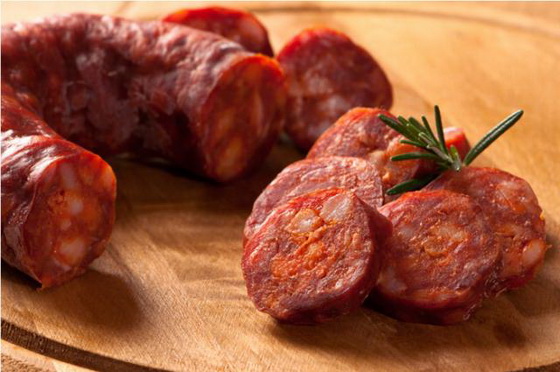
However, the most beloved foods in Spain are sausages and ham, not only for their delicious taste but also for their nutritional value. Therefore, these two dishes are famous specialties and the foods that Spaniards are most proud of, with several ham museums dedicated to them. You can find many different flavors of ham in supermarkets and most restaurants.

3. French cuisine
This beautiful country boasts not only a rich classical culture and magnificent architecture but also an incredibly refined culinary tradition. Like other European countries, wine is a common feature in French meals and banquets. Specifically, each dish has its own ideal wine pairing, rather than using the same wine throughout the meal. Besides wine, sauces are also a noteworthy component of French cuisine. They are an artful and sophisticated blend of herbs, aromatic leaves, and fruits such as cinnamon, lavender, orange, and grapefruit.
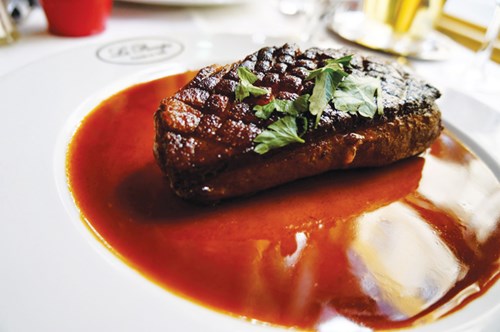

French cuisine emphasizes the art of enjoyment. At French banquets, the most striking aspect is the elegant and refined presentation; everything is meticulously prepared, from the plates and wine glasses to the knives and forks. All these details affirm the unique character of French cuisine, often considered the cradle of European gastronomy.
4. British Cuisine
Historically, England was one of the two countries with the largest number of colonies in the world. Consequently, English cuisine is a blend of many different cultures, from Indian to Italian and Spanish. Over time, English cuisine has become a mix of imported dishes from other countries and traditional cuisine.

English cuisine tends towards subtlety and simplicity rather than elaborate dishes. Therefore, the dishes are always distinguished by their refined use of spices. Traditional dishes you should try in England include potatoes and vegetables, fish and potatoes, or roasted dishes in the evening. Potatoes are found in almost every restaurant and menu in England, and indeed, nowhere else uses potatoes as much as this country. Fast food is also quite characteristic of England; French fries, fried chicken, sausages (beef or chicken), cheese, etc., are very popular.

THU TRA