VI
VI


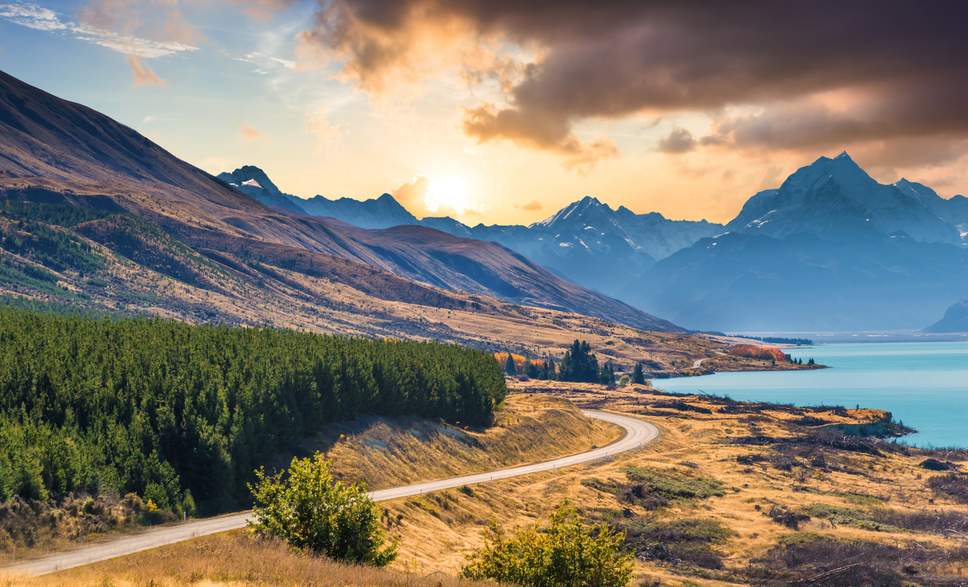
The New Zealand government has just announced a plan to impose a "tourist tax" on all foreign visitors, aimed at investing in tourism infrastructure. In addition, a portion of the tax revenue will be used for the care and conservation of the country's flora, fauna, nature, and environment.
Under the new regulations, each visitor entering New Zealand will have to pay NZ$35, with the exception of Australian citizens, visitors from Pacific Island nations, and children under 2 years old. The tax will be added to the visa fee at the time the visitor applies for a New Zealand visa.

It is estimated that the national budget will receive an additional NZ$80 million annually once this regulation is implemented. This budget will be used by the New Zealand government to supplement public toilets, car parks, walking paths in nature reserves, conservation and breeding support projects for native flora and fauna, and strict measures to limit the introduction of exotic species.
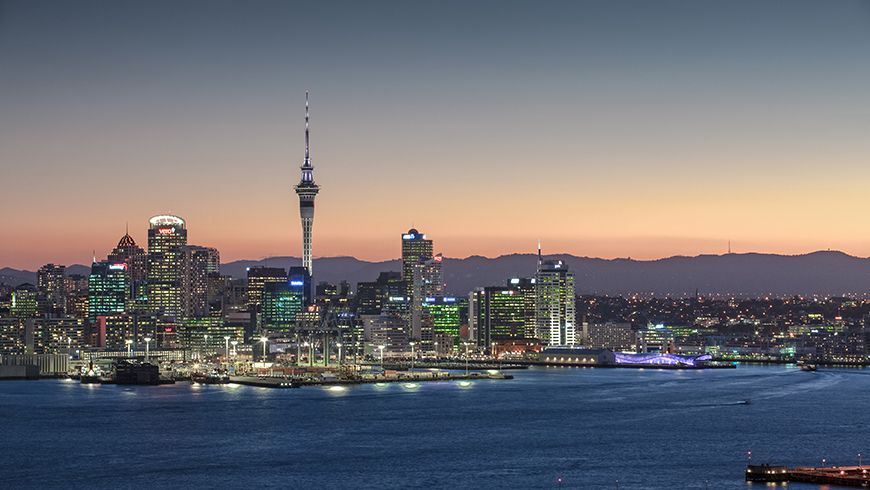
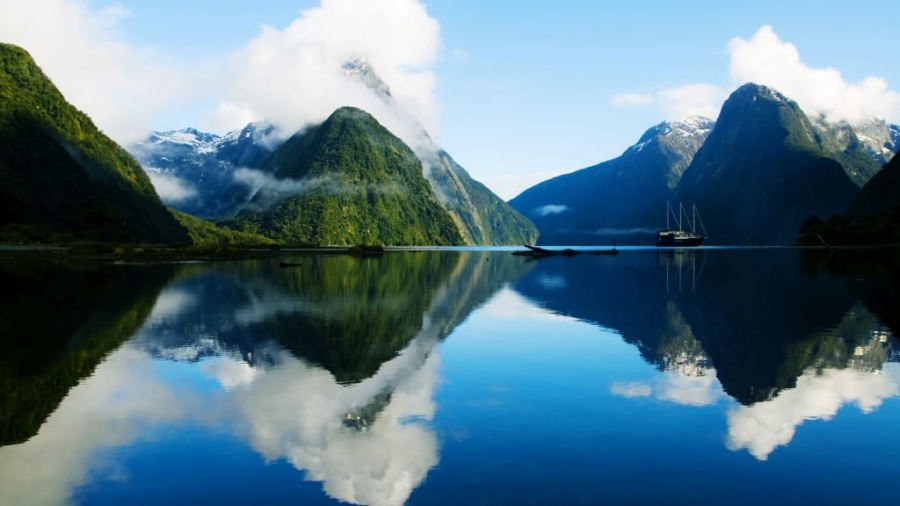
New Zealand is an island nation in the southwestern Pacific Ocean, comprising two main landmasses – the North Island and the South Island – and over 600 other islands of varying sizes. Known as the land of the kiwi, it boasts stunning lakes, tranquil mountain ranges, and excellent ski resorts. New Zealand also has many attractive cities such as Wellington, Queenstown, Christchurch, and Auckland.

New Zealand is currently facing significant environmental and infrastructure pressures due to the tourism boom of recent years. In the first four months of 2018 alone, New Zealand welcomed 3.8 million visitors, almost equal to the country's entire population (4.7 million), with Australian tourists accounting for 39% of that total.