VI
VI


According to SCMP, the number of foreign tourists visiting Japan in April 2023 is expected to reach 2.9 million, the same number as in April 2019, before the COVID-19 pandemic devastated the industry.
But while travel businesses are welcoming the return of foreign tourists, they acknowledge that millions of visitors could be a double-edged sword.
Many operators have reported worrying signs of overload.
Japan began easing restrictions on foreign tourists last October, welcoming 3.8 million visitors throughout 2022. That figure is a significant drop from the record 31 million visitors in 2019, of which about 9.6 million were Chinese.
Many are optimistic that the pace of recovery will accelerate in 2023.
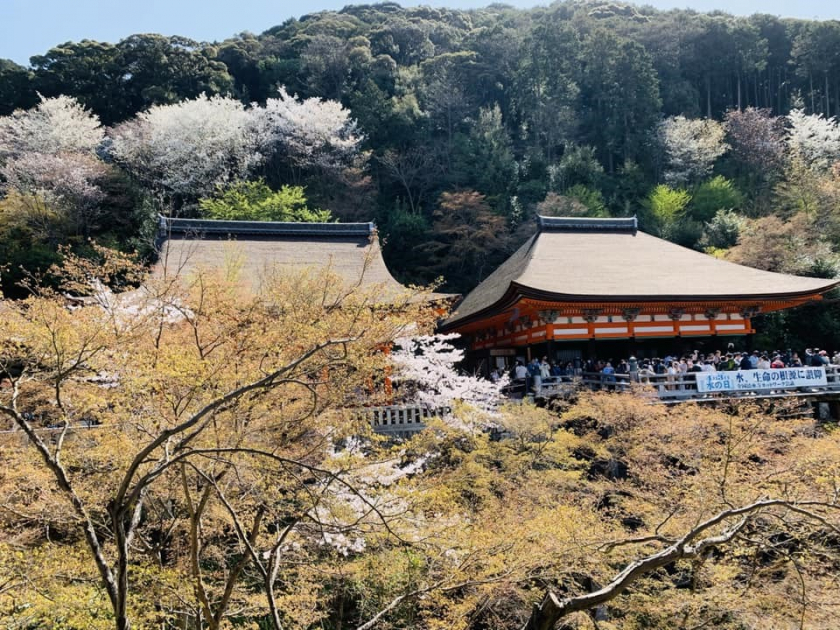
The cherry blossom season in Japan attracts a large number of tourists. Photo: Bang Linh
Domestic travel company JTB Corp predicts 21.2 million visitors will come to Japan this year. This would put Japan on track to meet the government's goal of welcoming 60 million tourists by 2030.
However, critics argue that authorities failed to use the three-year hiatus caused by COVID-19 to address issues related to tourist overcrowding.
Avi Lugasi, owner and CEO of the Kyoto-based travel company "Windows to Japan," said: "I am extremely concerned about this issue, and this is something I have witnessed firsthand over the past few days."

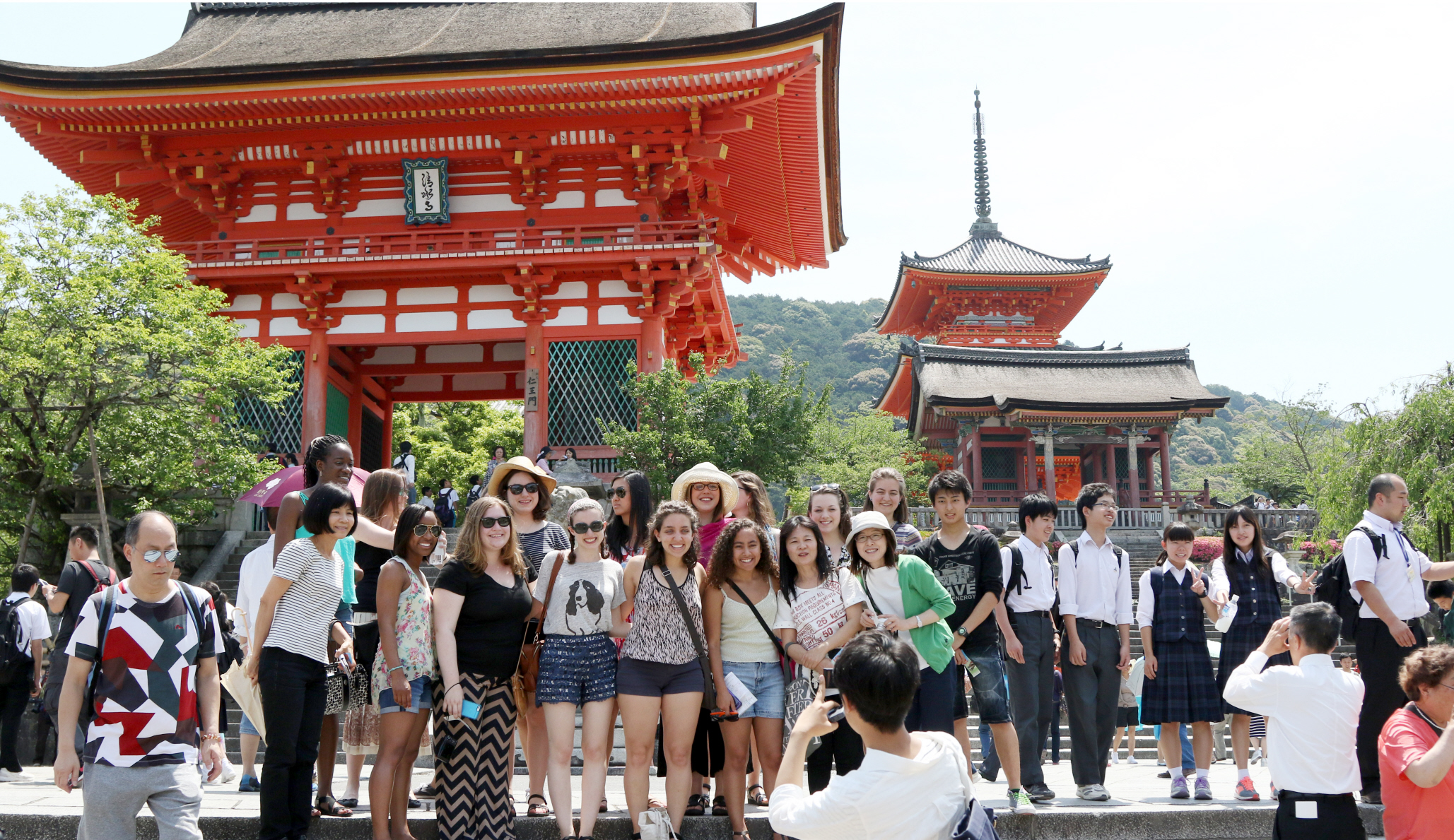
I led a group in Kyoto last week, and it's hard to describe the situation in some of the city's most famous areas, like around Kiyomizu-dera Temple or the Gion geisha district. I couldn't see the ground beneath my feet. There were just people everywhere."
The streets of Kyoto and other traditional Japanese towns popular with tourists, such as Kanazawa, Nara, or Kamakura, simply weren't designed to accommodate so many people.
Travel companies also lack trained and experienced staff because so many people were forced to leave their jobs when the tourism industry went into hibernation during the pandemic.
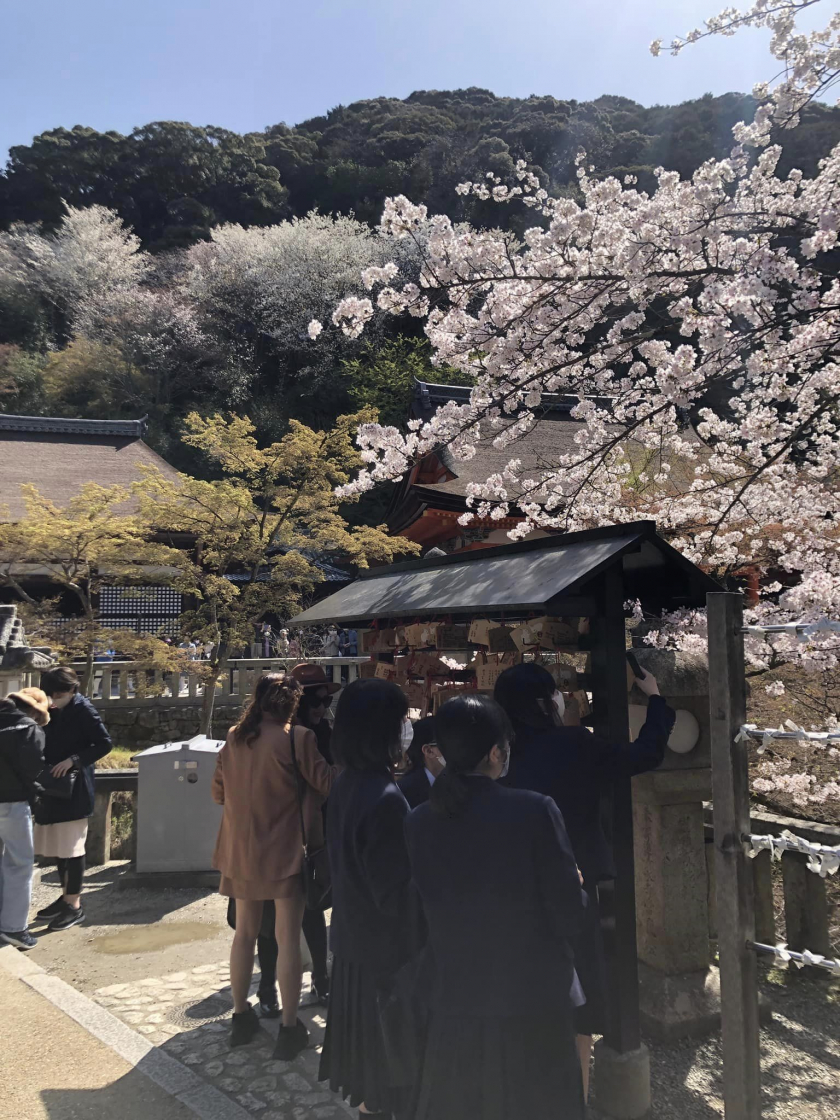
Foreign tourists flock to Japan during cherry blossom season. Photo: Bang Linh
Many in the industry, including Lugasi, see the biggest weakness of the Japanese tourism industry as the lack of capable companies, especially those catering to wealthy travelers seeking high-end services.
Hiro Miyatake, founder of the luxury travel company network Bear Luxe Corp, said that friction between locals and tourists has occurred and is likely to be worse than before the pandemic.
At that time, residents of popular tourist destinations complained about overcrowded public transport, noisy behavior, excessive crowds near popular attractions, and noise at night.
Miyatake said that such problems are becoming common again. Hotels are also under pressure and don't want to turn away the regular domestic travelers they relied on to get through the pandemic.
Ashley Harvey, a travel marketing analyst who has worked in Japan for over 15 years, has seen similar problems related to the overwhelming number of tourists outpacing the country's infrastructure.
Harvey's friend recently arrived at Haneda Airport in Tokyo, landing at 9:30 PM, but didn't get to the hotel until 3 AM because the immigration process took too long, and by the time he finished, the last train to the city had already passed.
Harvey argued that Japan had three years to prepare its tourism industry in terms of human resources, infrastructure, etc., but they failed to do so.
The government wants to encourage more foreign tourists to move away from traditional destinations like Tokyo, Kyoto, or Hiroshima and explore other places, but so far there is little sign that the policy is having an effect.
Harvey noted that Tokyo's main streets were extremely crowded, but the smaller streets were mostly empty.
He believes that authorities may need to implement dynamic pricing policies at some popular locations, making the most famous places more expensive and encouraging budget-conscious tourists to seek out lesser-known spots, while also finding ways to persuade people to visit at various times of the year, rather than during peak seasons like cherry blossom season.
"Japan needs to make it easier for tourists and the tourism industry to attract 60 million visitors by 2030 and avoid problems related to tourism overcrowding," Harvey added.