VI
VI


Gui Guzi had just returned from a trip to Mumbai in early November. For him, this experience was more adventurous and memorable than any of his previous trips to India. Gui Guzi asked Tejas, a local tour guide, to take him deep into the slums. The young Indian man strongly objected.
"Tejas was astonished and his expression changed drastically. He completely disagreed and his face was extremely tense. Tejas kept saying that it wasn't safe there, very dangerous, that robberies and other risks could occur. He only wanted to take Gui to the tourist attractions as agreed upon," Gui Guzi recounted.

An Indian baby on a train.
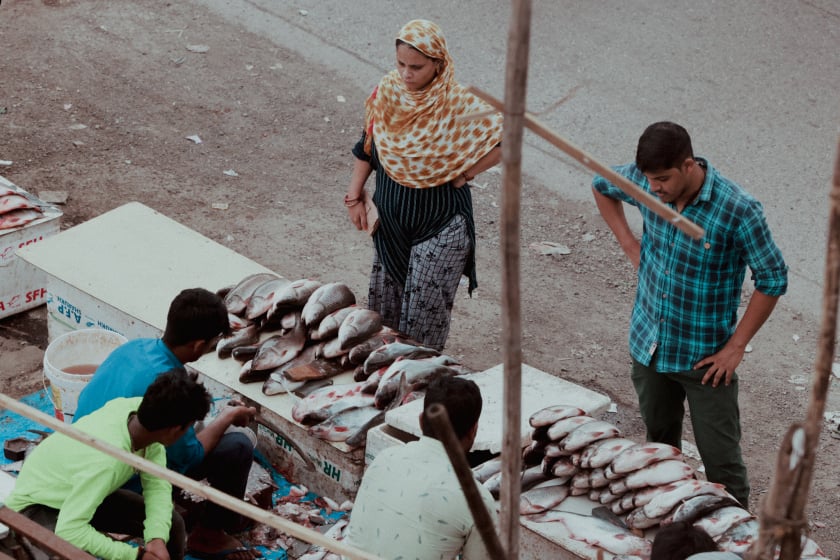
People buy and sell at the fish market.
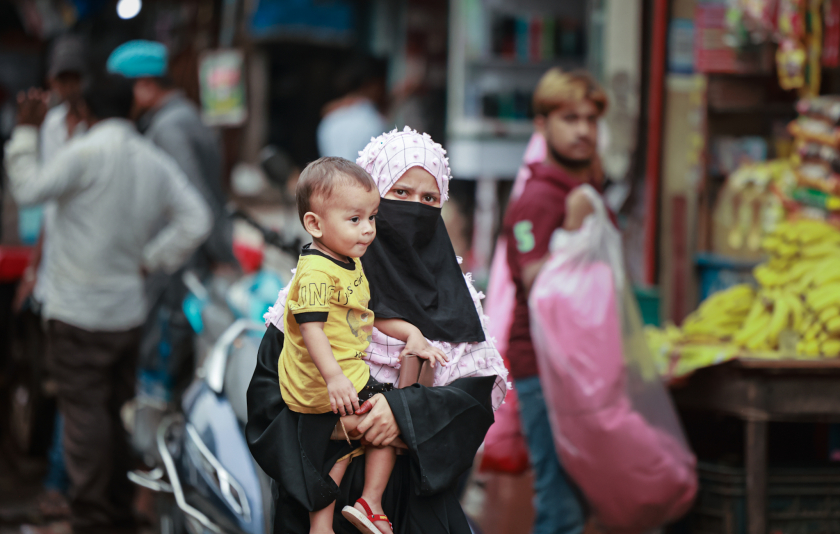
The Indian woman is holding a baby.
On his first day in Mumbai, as the tour bus stopped at a famous temple, the travel blogger spotted a dilapidated slum nearby. He asked Tejas to stop the car and decided to go inside with the group of tourists. The first thing that caught Gui Guzi's eye was rows of run-down houses and cramped, closely packed shops. The alleys were only about one to one and a half meters wide, the houses and walls cracked and propped up by a precarious iron frame. Sunlight struggled to penetrate, and people washed clothes, cooked, bathed, and went about their daily lives right in front of their houses.
"They were genuinely surprised to see strangers. Everyone in the group tried to smile brightly and wave to be as friendly as possible to put their minds at ease. While the men looked very tense, the women were more friendly and cheerful," the travel blogger said.
However, shortly afterwards, an elderly man appeared in the alley, looking extremely annoyed. He demanded that the other residents stop taking photos and ordered the group of tourists to leave immediately. According to information gathered by Quỷ Cốc Tử, this man held a similar position to a neighborhood group leader in Vietnam.


The houses are stacked on top of each other in the slum.
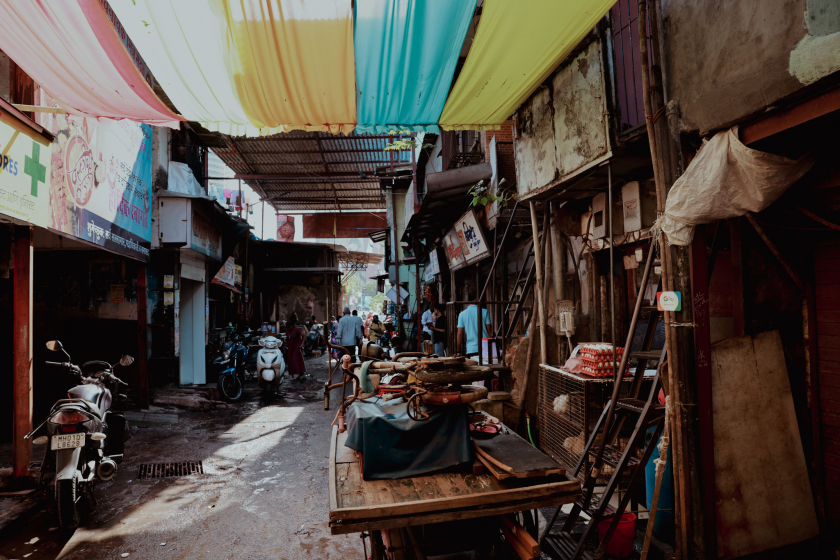
The narrow street in the slum.
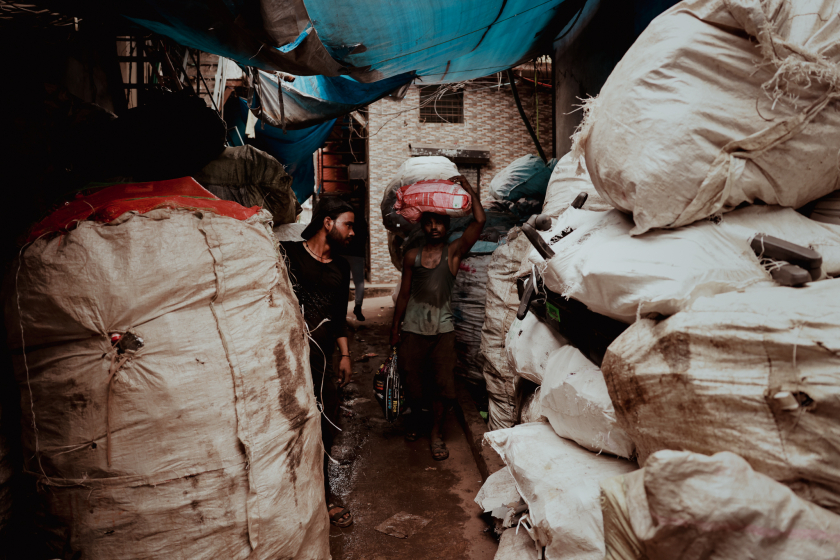
The porter walks down the narrow alleyway.
The next day, Gui Guzi and his friends decided to visit Dhavari, the world's largest and most dangerous slum. He was curious about how a million people could live in an area of only 2.1 square kilometers. Their guide, Tejas, was worried about their safety and refused to lead the group into Dhavari. Finally, Tejas introduced Rohit, a notorious figure in the slum. His family had lived there for generations, giving Rohit some influence and the ability to guarantee the safety of the tourists.
Gui Guzi chose midday to visit Dhavari. According to his observations, this was the time when activity was most vibrant. First, Rohit led Gui Guzi's group to visit a plastic waste recycling facility. This is where thousands of tons of scrap car parts are collected and processed into finished products for sale on the market. The group of tourists walked through narrow, dark alleys, the ground churned up, and houses patched up and dilapidated. Their faces were blackened and sweaty, their eyes either weary and dazed, or suspicious of the unfamiliar intruders.
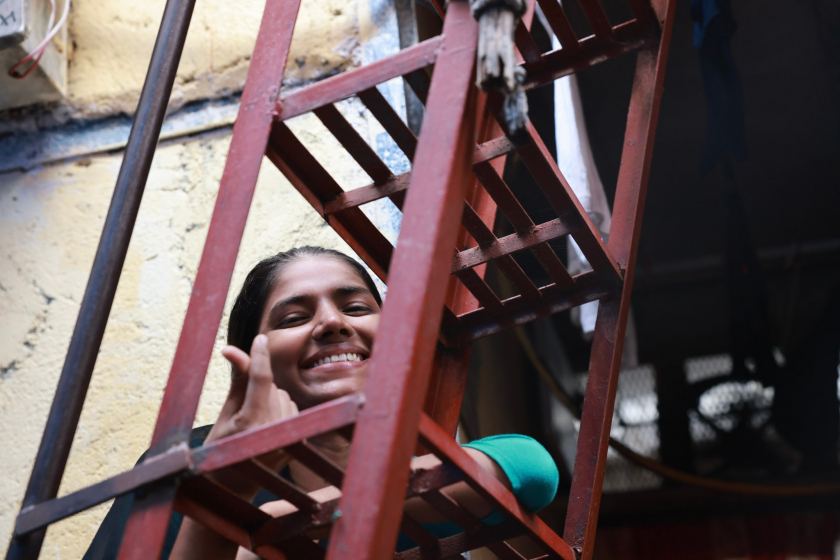
The little girl was sitting and playing on the balcony.
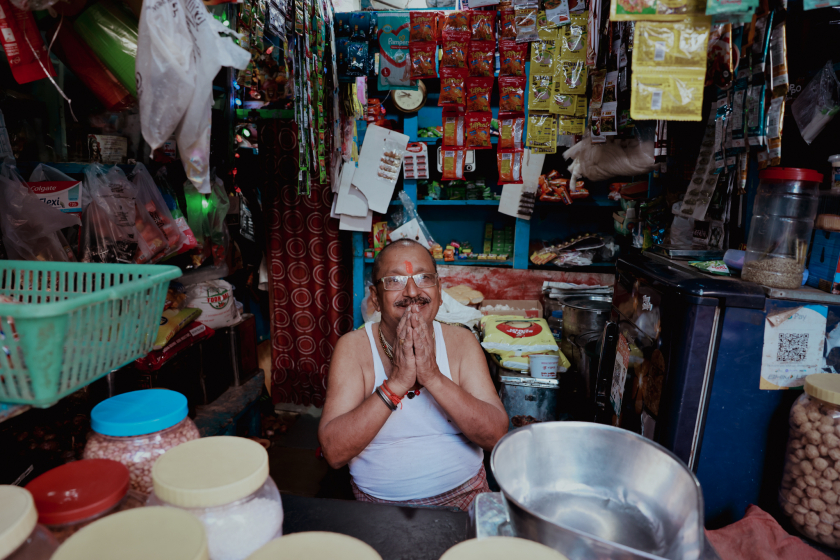
The man sells groceries in the slum.
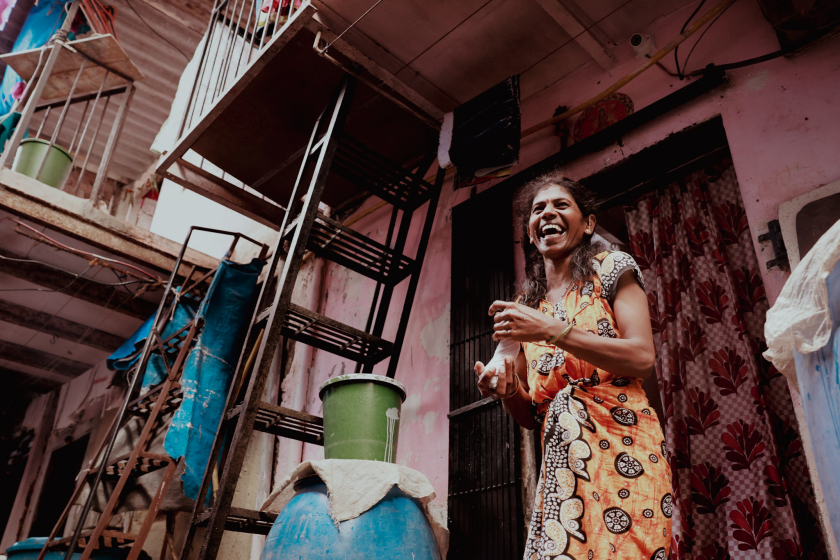
The woman stands in front of her house in the slum.
"It seemed like they all knew Rohit and showed a mixture of apprehension and respect for him. Rohit gave the green light, saying to go ahead and take the picture unless they seemed to disagree, so we just pressed the shutter button," said Mr. Quỷ.
Then, Rohit led the group through other areas such as the laborers' quarters, the porters' quarters, the pottery kilns, and the trading areas for the local residents. The common thread in these places was the appalling living conditions. Pollution was at its peak, foul odors permeated everywhere, and many food stalls were set up right on top of large garbage dumps. Children played by the thick, black, murky canals, and barbershops consisted only of chairs and large mirrors erected on piles of rubble.
"When I arrived here, I didn't feel any anxiety or fear. I was just thinking a lot about how they could live in such terrible conditions. I've had the chance to travel to many places around the world, but I've never seen anywhere where the people live in such awful conditions," Gui Guzi shared.
As evening approached, Rohit began to get tense and urged the group of tourists to leave immediately. He insisted they leave before dark, as he couldn't handle any potential "incidents" alone. Every time he noticed someone was out of sight, he would anxiously return to search. His attitude made the travel blogger feel that getting lost was a serious risk.
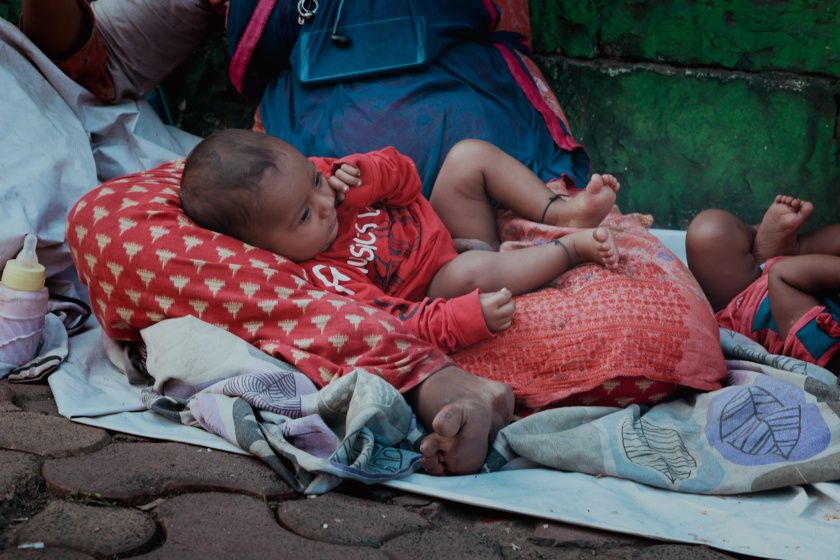
The child slept on the mattress.
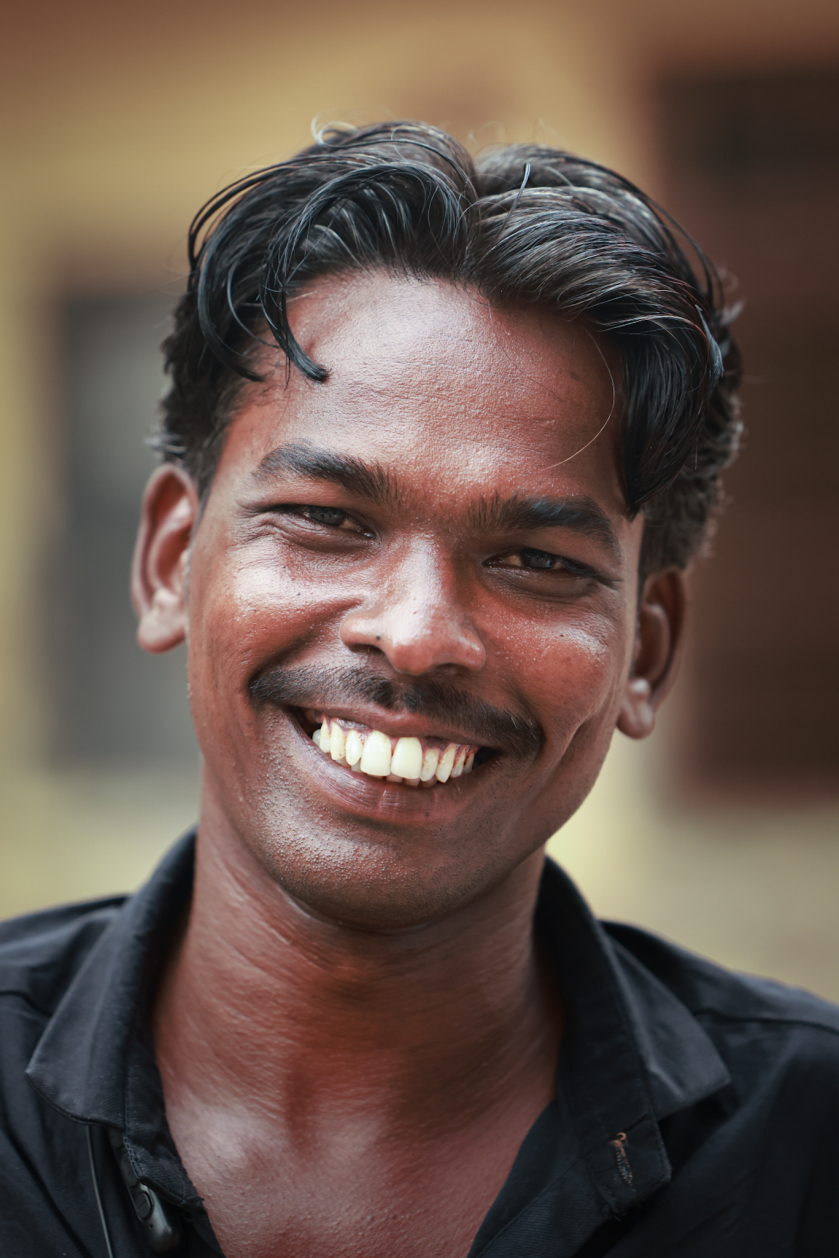
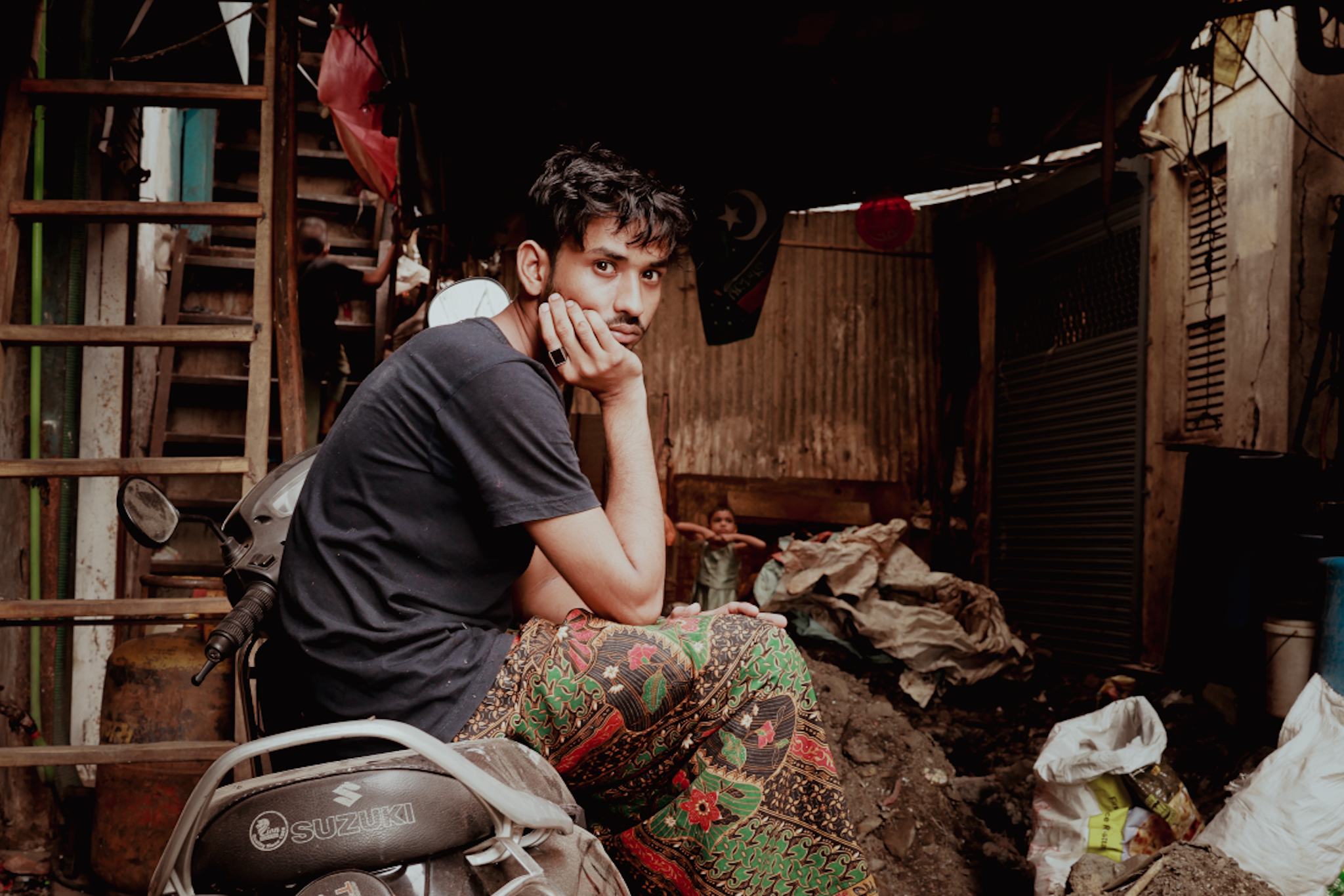
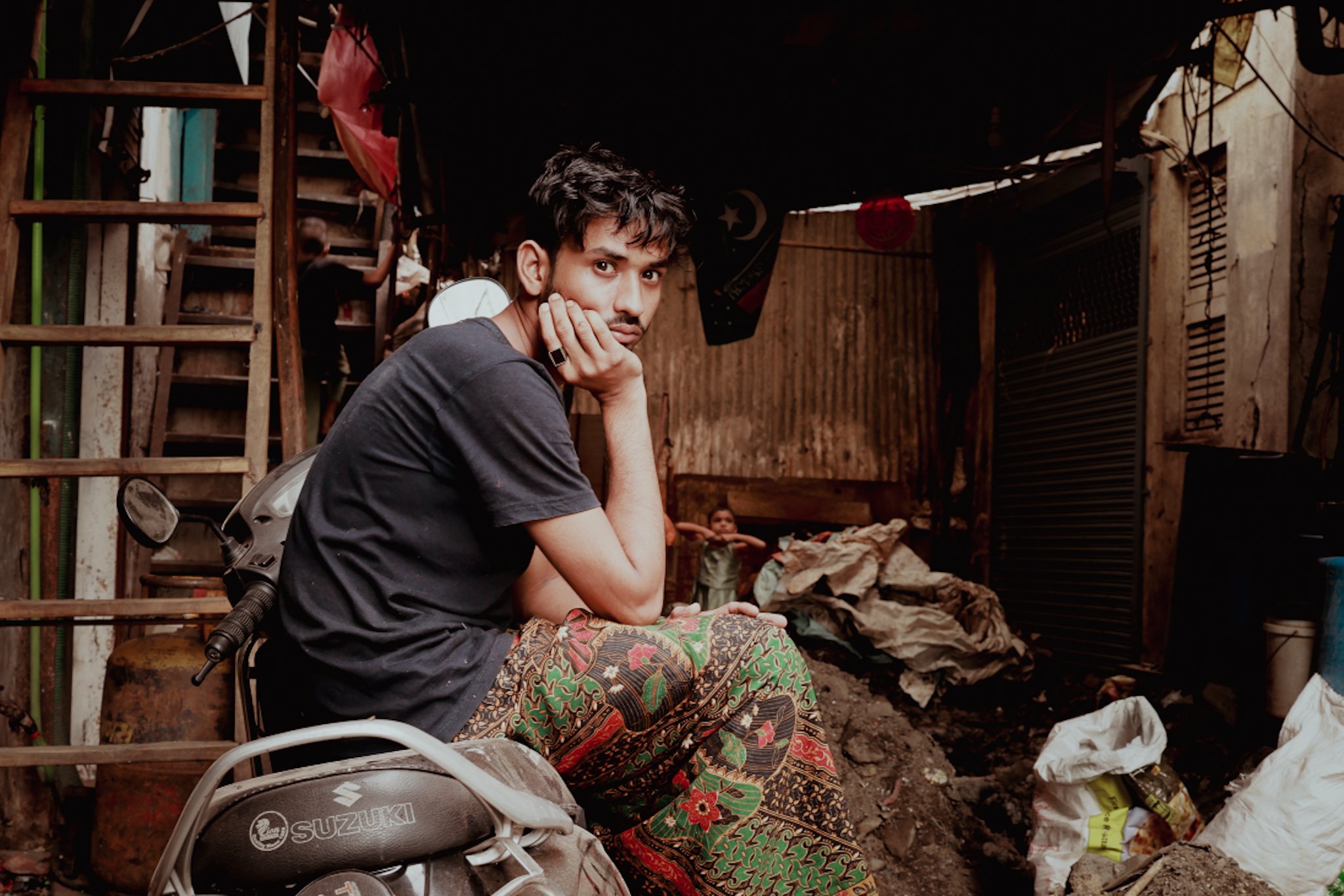
The young man in the slum.
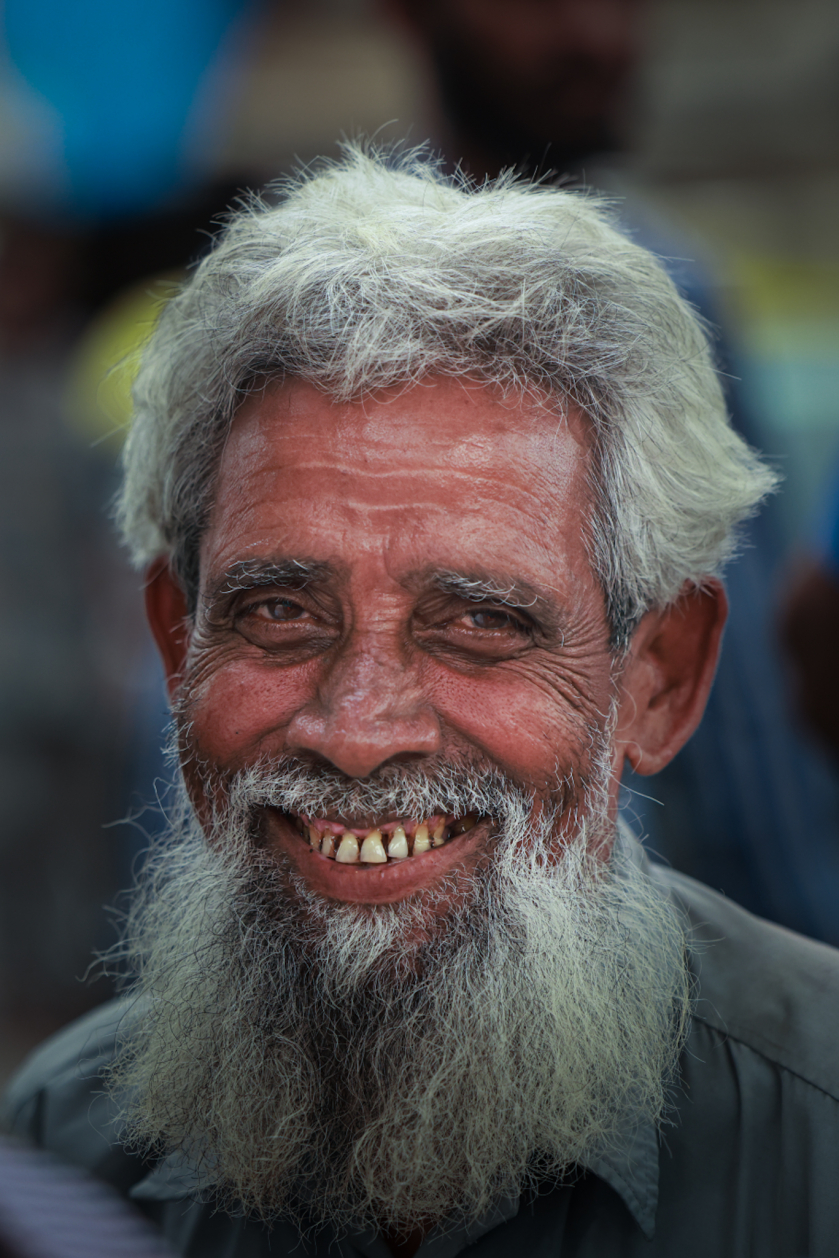
The old man with gray hair in the slum.
"Thanks to Rohit's protection, everything ultimately turned out safely. But based on my personal experience, it's very dangerous to go alone. If anything happens to you here, there's definitely no one who can help," Quỷ commented.
In the near future, Gui Guzi plans to return to India several more times to observe the culture, life, and people there. Additionally, the travel blogger plans to travel to Sri Lanka, Afghanistan, Myanmar, and Ukraine. These are places that have undergone significant changes after the Covid-19 pandemic, so he wants to explore and experience the new things happening around the world.