VI
VI


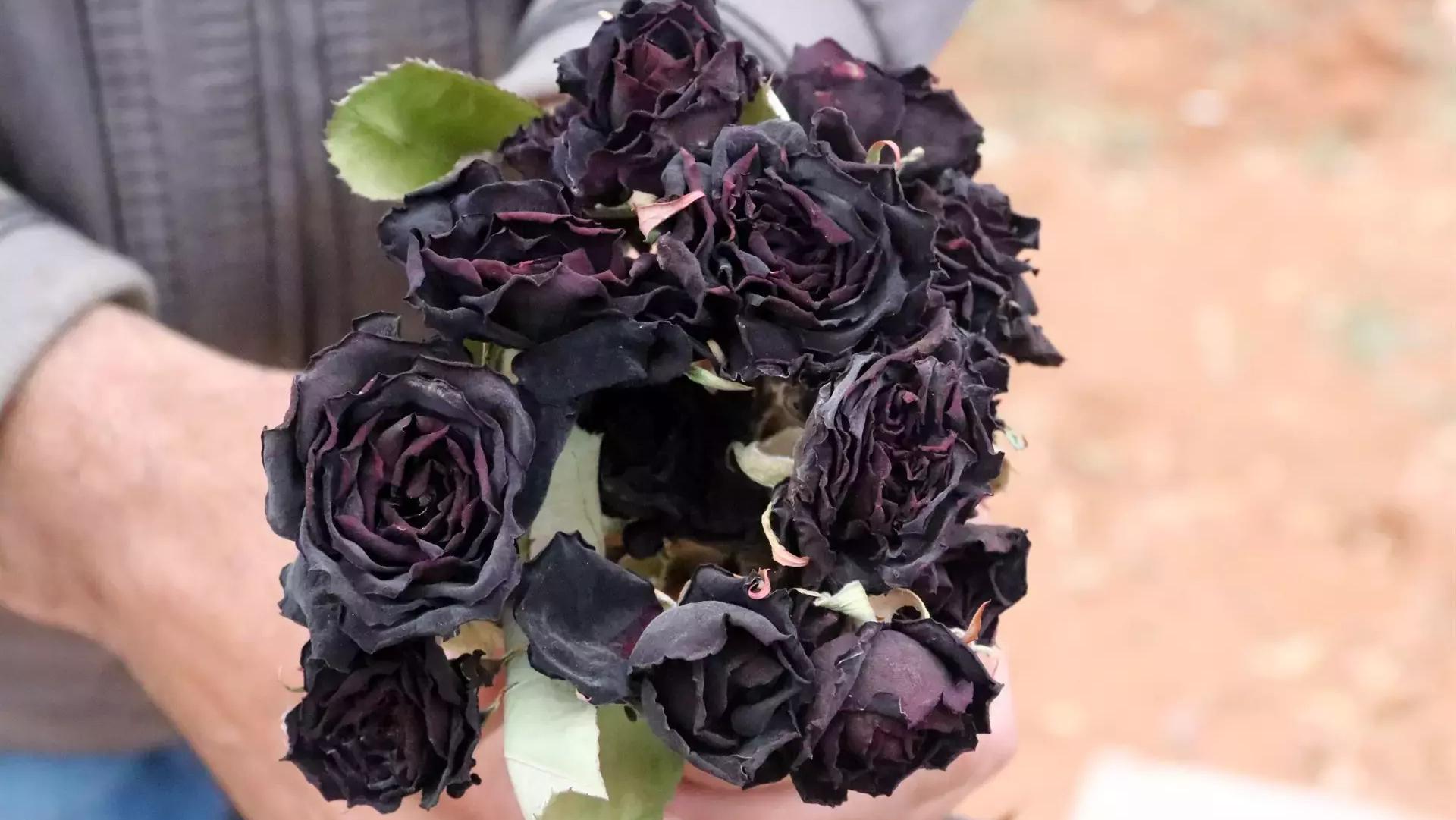
Black roses often appear in films about witches, dark magic, or horror movies, but few people know that this type of flower actually exists. Outwardly, they appear to be dark black, but in reality, they are a deep red.
Black roses bloom only in summer in very limited quantities and are a specialty of the village of Halfeti, Turkey. The unique soil conditions of this region create the flower's distinctive black color, similar to that of a deep red wine. In the past decade, this flower has become popular in Türkiye, being named after many products such as television series, novels, and perfumes.
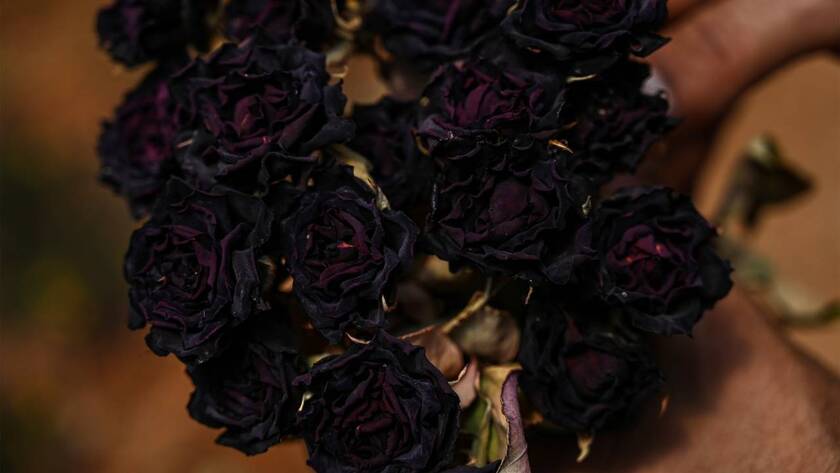
Black roses often appear in films about witches, dark magic, or horror, but few people know that this flower actually exists.
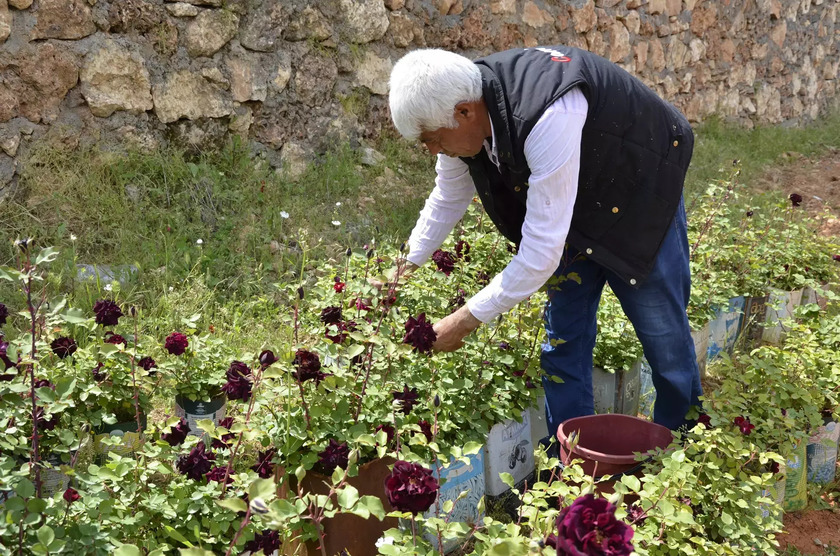
Outwardly, they appear to be dark black, but in reality, they are a deep red.
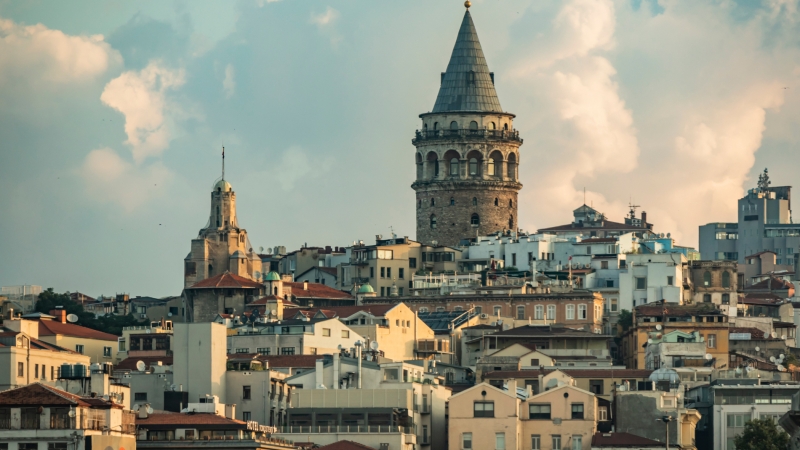

In Turkish, the black rose is called "karagul". This flower symbolizes mystery, intensity, and hope, but it also carries dark and deathly connotations. Therefore, although black roses are loved by many, they are also stigmatized because of their somber meaning.
More and more tourists are flocking to Halfeti to see the legendary black roses with their own eyes. At the end of each spring, when the weather warms up, this small town becomes bustling with tourists.
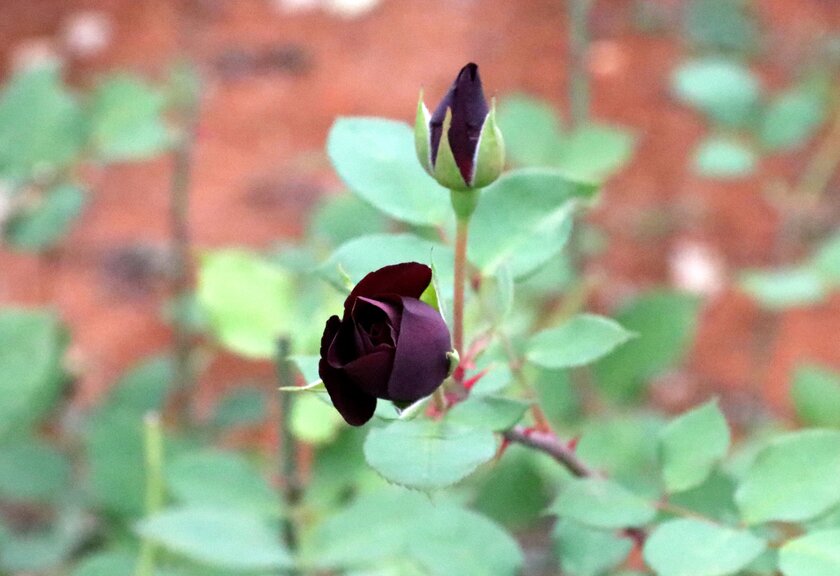
The Halfeti black rose is also known as the "Arabian bride" or "Arabian beauty".
Amidst the booming rose business in Türkiye, the people of Halfeti are striving to establish black roses as a distinct brand. Currently, Türkiye's rose-growing center is located in the Isparta province, also known as the country's "rose garden." Türkiye and Bulgaria account for 80% of the global rose essential oil market.

In Halfeti, many farmers recognize the potential of black roses and are expanding their farms. Previously, although this particular type of rose only grew in Halfeti, there was a time when the locals didn't pay much attention to them. Back then, they grew abundantly in gardens but nobody noticed.
Nestled right on the banks of the Euphrates River, Halfeti is like something straight out of a landscape painting. The emerald green waters surround timeless stone structures, built on steep hillsides.
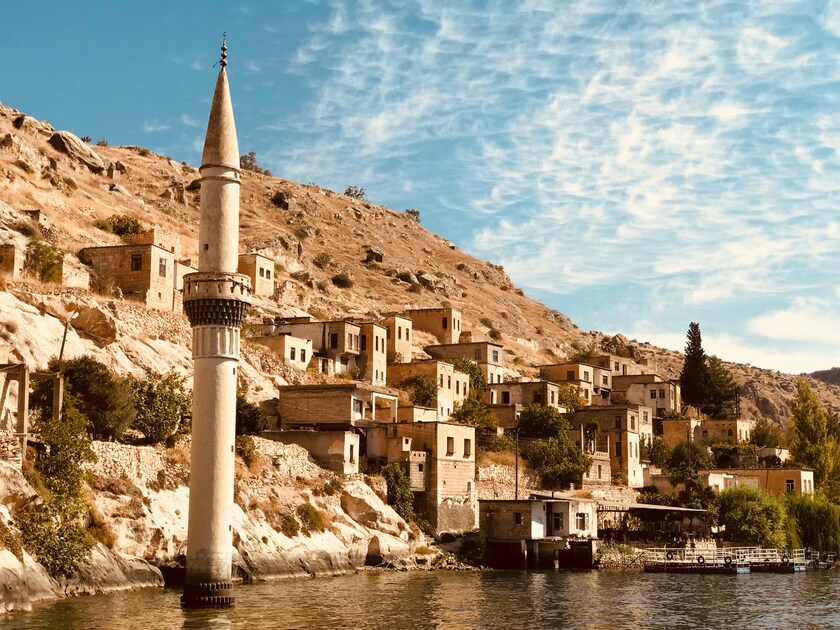
The town of Halfeti is the only place in the world where black roses can be grown.
However, few people know that in the 1990s, when the Birecik Dam was built, people left Halfeti, nearly driving this flower to extinction. After the Birecik Dam was completed, the village of Halfeti and several surrounding hamlets were submerged under the Euphrates River. A new Halfeti village was built in Karaotlak, 10 km from the old one. This relocation significantly impacted the survival of the black rose. When attempts were made to replant it in the new location, people discovered that the flower could not adapt to the different environment, leading to a sharp decline in yield.
An official in charge of rose conservation said that local people were once indifferent to the black rose and unaware that it was a unique variety. According to the official, they moved the black roses to higher ground and cultivated them in greenhouses. In the highlands of Halfeti, a greenhouse managed by the town's agricultural agency grows 1,000 roses. Professor Ali Ikinci from Sanliurfa University stated that there are now 20 different varieties of black roses recorded worldwide, 16 of which originate from Türkiye.
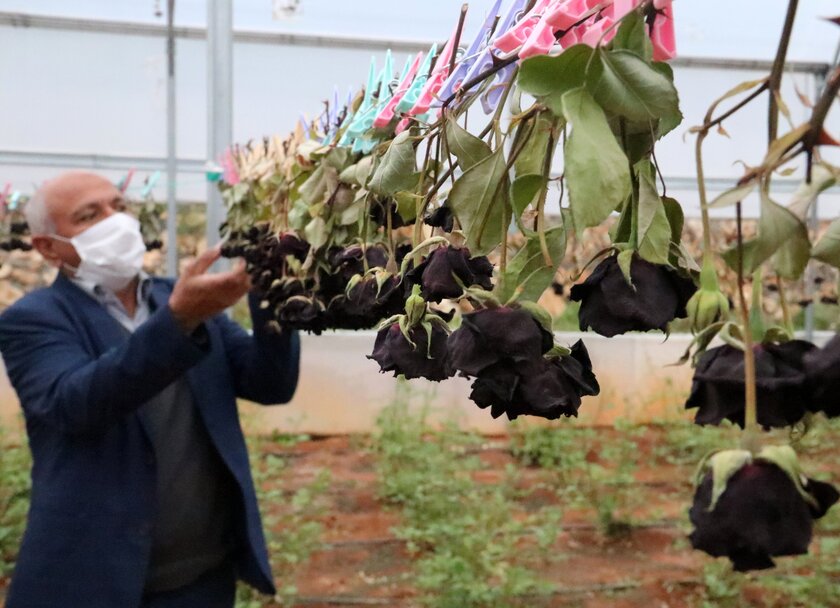
The harvesting and drying of black roses takes place in greenhouses in Halfeti, Şanlıurfa, Türkiye.
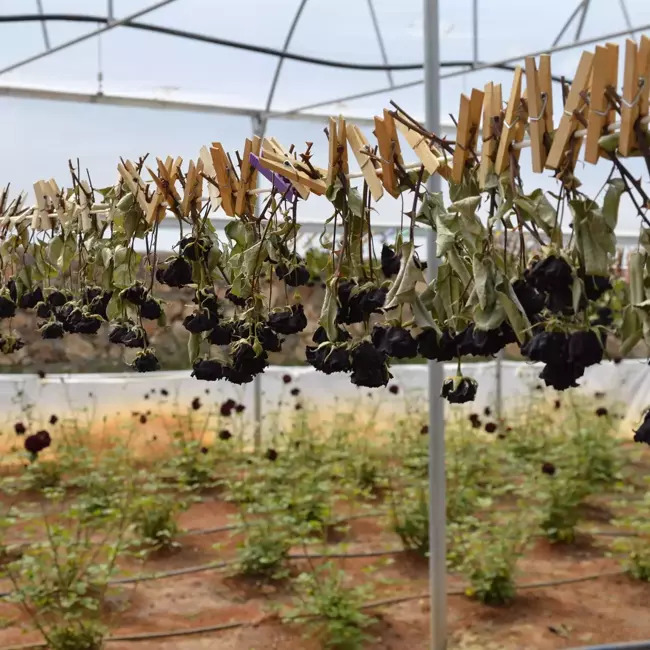
The residents of Halfeti have been hoping to turn this rare rose into a brand since Türkiye's rose cultivation and trade boomed.
According to Professor Ikinci, the Karagul black rose would have a deeper color and a stronger fragrance if grown in an area about 60 km south of Halfeti, near the border with Syria. The black rose also thrives better in higher altitudes, as the soil near the Euphrates River is believed to be more acidic.
Currently, Halfeti residents are hoping to turn this rare rose into a brand since Türkiye's rose cultivation and trade sector is booming. Some growers are actively promoting black roses to tourists visiting the town to explore its famous landmarks, especially the underwater museums.
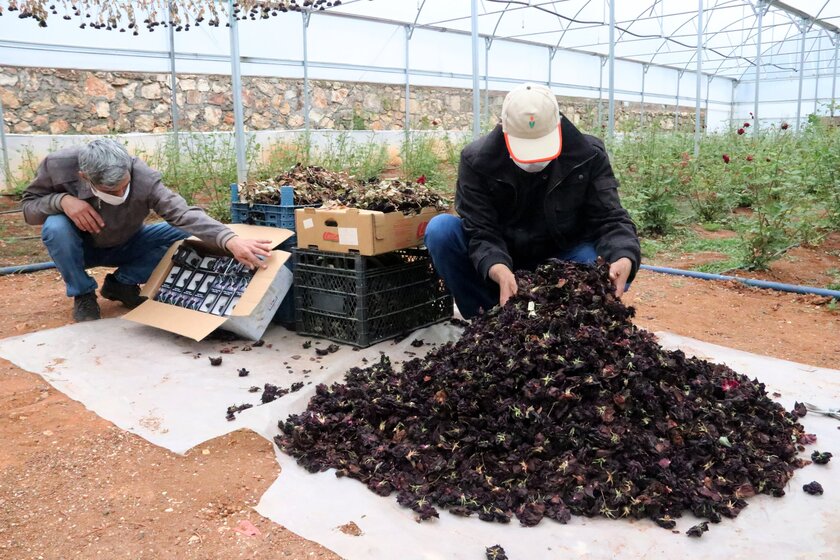
The iconic Halfeti rose blooms only in spring and autumn, Halfeti, Şanlıurfa, Türkiye.
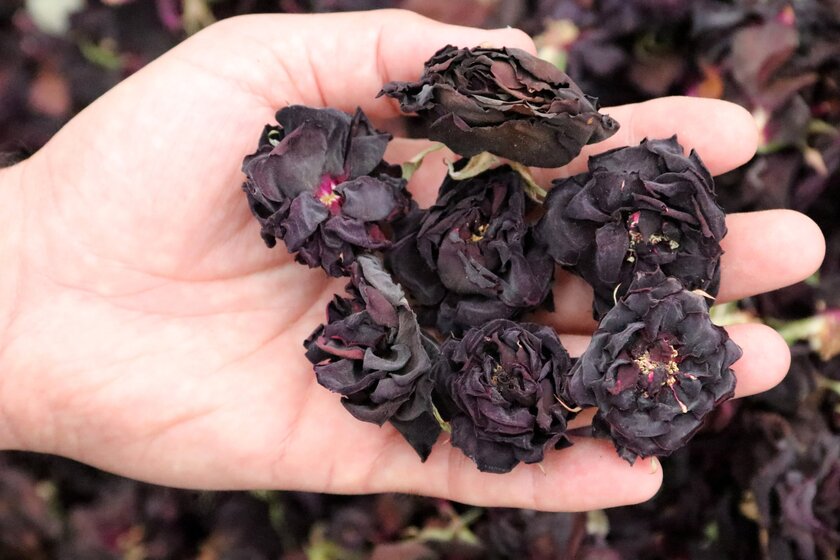
The unique beauty of the black rose can only be seen in the Halfeti district of Şanlıurfa, Türkiye.
Adnan Aydin, a resident who has lived in the town for decades, said Halfeti used to be a prosperous agricultural area until the Birecik Dam was built, causing the Euphrates River to rise and flood the entire region. Aydin believes that developing tourism will help improve the lives of the local people, but they were previously completely self-sufficient.
“People used to live off livestock farming and agriculture. Everyone had their own orchard and earned income from it,” Aydin shared.
The western province of Isparta, known as Türkiye's "rose garden," dominates the rose cultivation and trade. Türkiye and Bulgaria currently supply approximately 80% of the world's rose essential oil.