VI
VI



According to data from ForwardKeys and online travel booking websites cited by Bloomberg, South Korea and Japan have seen a surge in Chinese tourists after their currencies weakened against the yuan, while Southeast Asian countries including Malaysia and Thailand have attracted visitors with visa-free entry and relatively lower costs.


Specifically, the top Asian destinations for Chinese tourists in summer 2024, in order, are: Japan, Thailand, South Korea, Hong Kong, Singapore, Malaysia, Taiwan, Vietnam, and Macau.
After more than two years since Vietnam reopened to international tourists and more than a year since China reopened its borders due to the pandemic, China has reclaimed its top spot as the largest source of international visitors to Vietnam. Previously, this position belonged to South Korea. In April, the number of Chinese tourists to Vietnam reached over 357,900, slightly higher than in May by nearly 700, but still ranked second after South Korea with nearly 370,000.
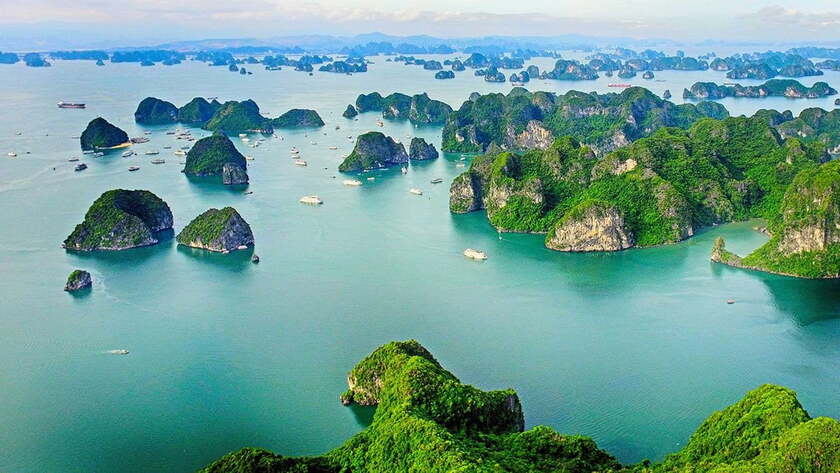
Vietnam possesses many beautiful landscapes that captivate people from other countries.
Specifically for the Taiwanese (China) market, the number of visitors to Da Nang accounted for 10.8% of the total international tourist market structure and ranked second among the top 10 international tourist markets to Da Nang in the first five months of 2024.

Before the Covid-19 pandemic, China was Vietnam's largest source market, but in May, it returned to being the largest market. Furthermore, Chinese tourists are known for their willingness to spend.

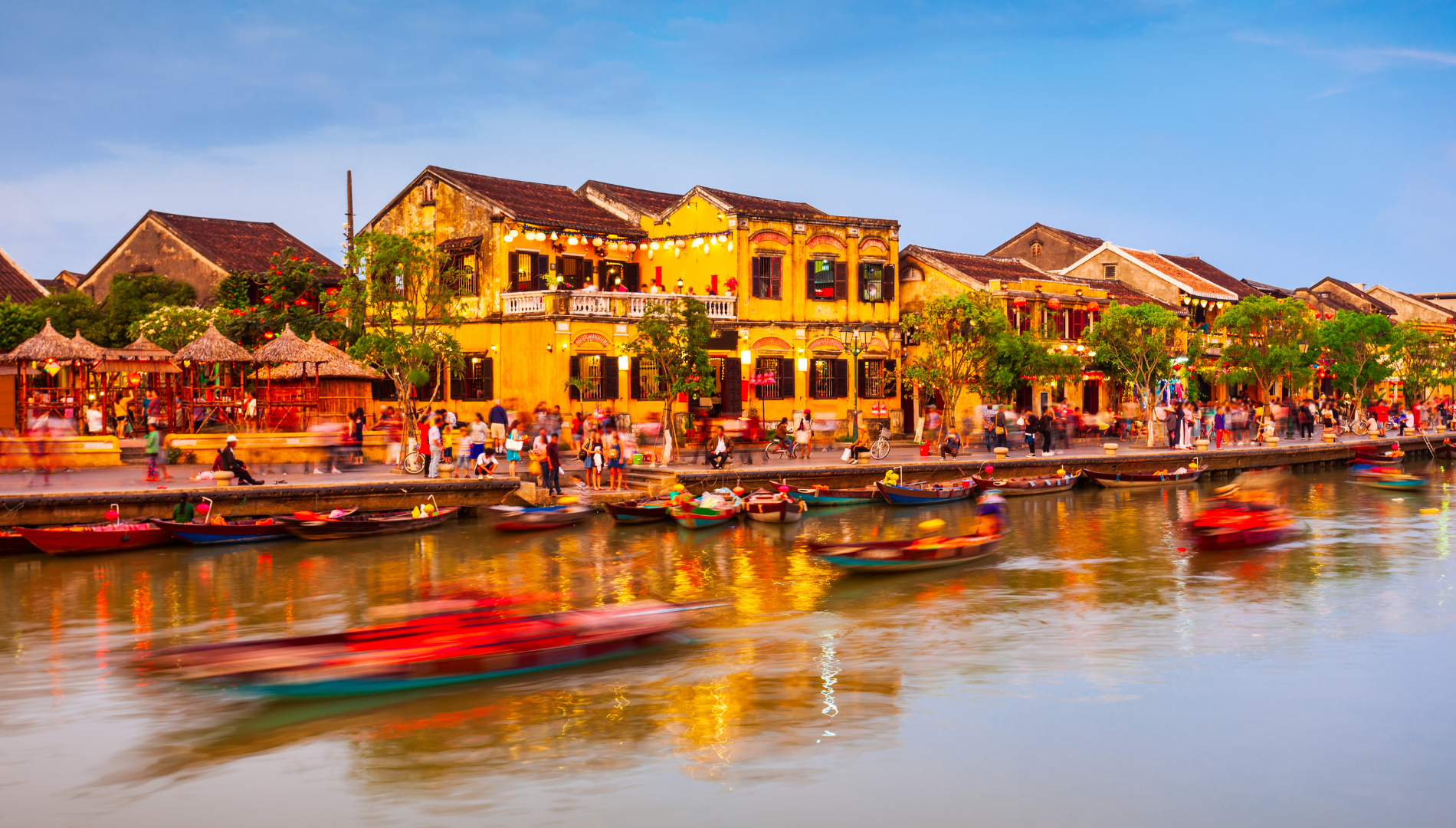
Hoi An is one of the favorite destinations for Chinese tourists.
Within the framework of the program, the three localities of Thua Thien Hue, Da Nang, and Quang Nam introduced to guests their distinctive tourism products, focusing on promoting products that suit the tastes of Taiwanese tourists, such as beach resort tourism, cultural tourism, culinary tourism, shopping, spa, MICE tourism, golf, wedding tourism, and event programs of the three localities.
Efforts in "tourism diplomacy" between Vietnam and China have played a significant role in the recent peak in the number of Chinese tourists visiting Vietnam.
Since 2015, Vietnam has implemented a visa exemption policy for Chinese citizens for up to 15 days, facilitating travel and tourism. Currently, there are many direct flights connecting major Vietnamese cities with Chinese cities, making travel easier for tourists.
Thanks to the joint efforts of the Vietnamese and Chinese governments, along with the attractiveness of the destination and tourism products, the number of Chinese tourists visiting Vietnam is expected to continue to increase in the coming years.
The World Travel and Tourism Council predicted in early June that Chinese tourists would spend 1.8 trillion yuan (US$250 billion) on overseas travel this year, surpassing pre-pandemic levels for the first time.
Currently, Chinese tourists have not yet fully returned to the numbers seen in 2019. Destinations in the region for the summer months of June to August are expected to recover to around 80% of 2019 levels.