VI
VI


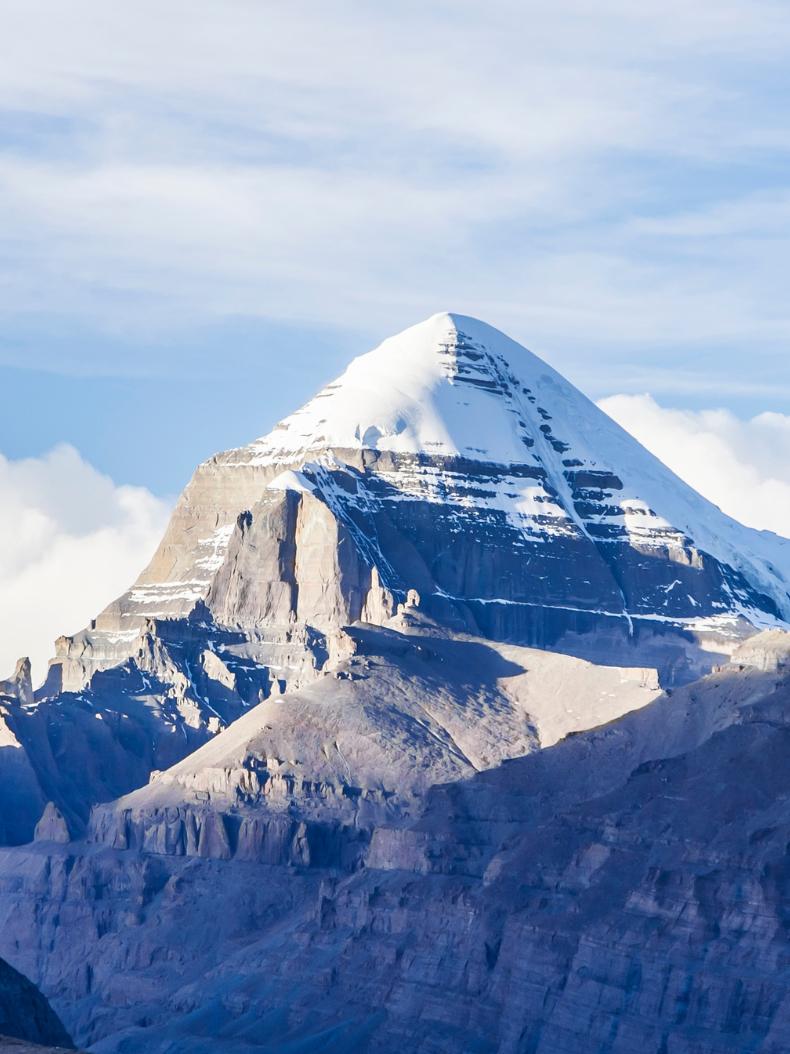
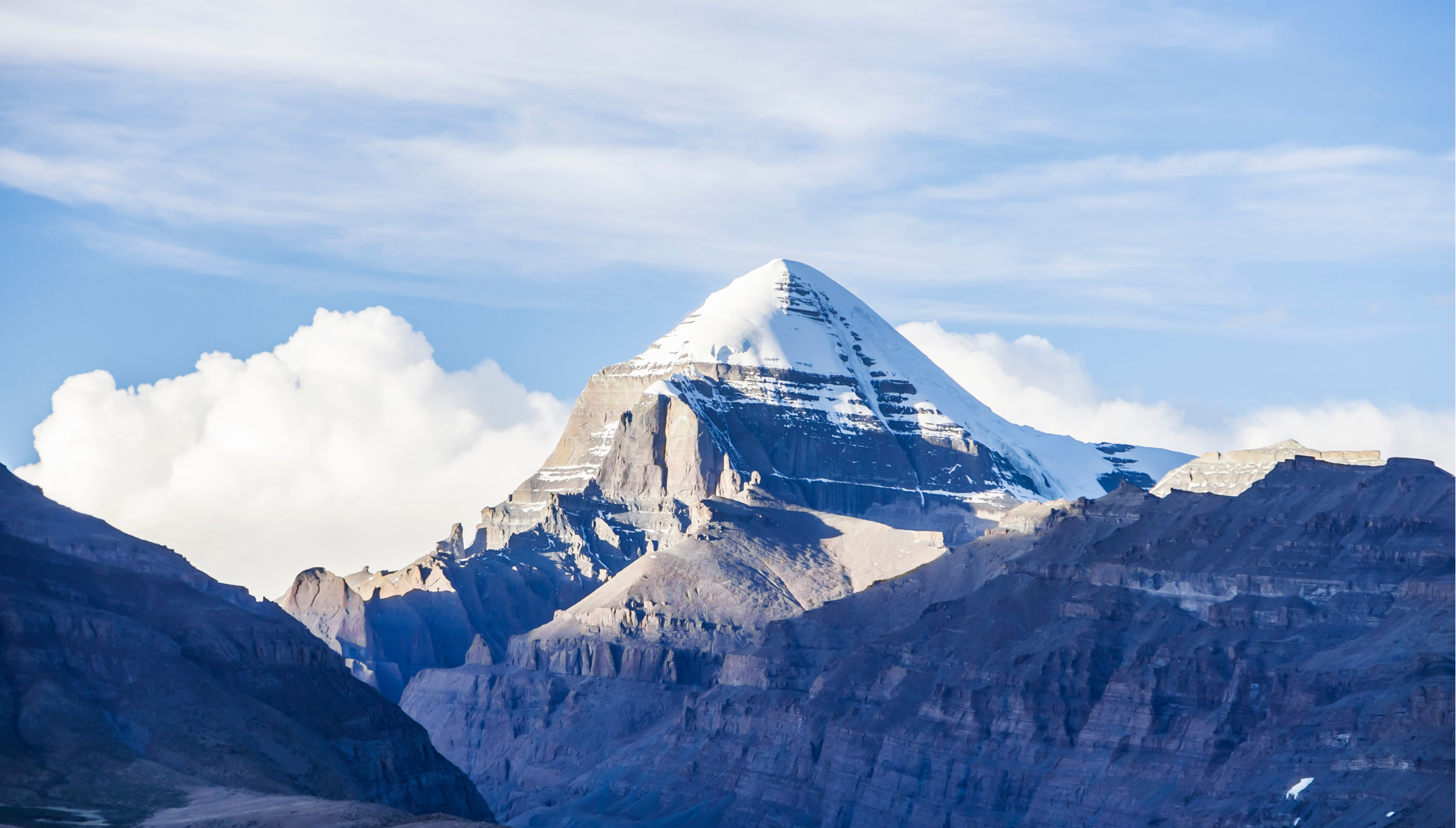
Mount Kailash is the first of the four sacred mountains in Tibet, and it is also the common sacred mountain of four religions: Bon (or Bon religion, the indigenous religion of the Tibetan people), Hinduism, Jainism, and Buddhism.
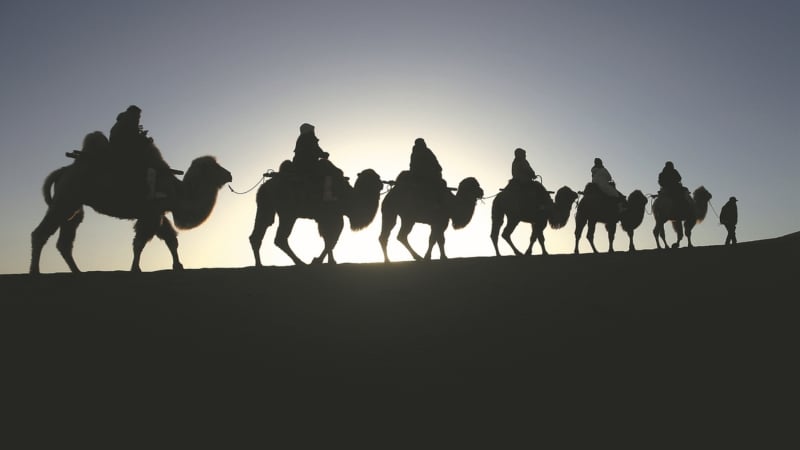
THE WORLD'S HIGHEST MOUNTAIN REMAINS UNCONQUERED.
Kailash, or Kangrinboqe, located in the remote southwest of Tibet, China, is revered by over a billion followers of Buddhism, Hinduism, and Jainism (an Indian religion) as the world's most sacred mountain. Hindus believe it to be the abode of the god Shiva.
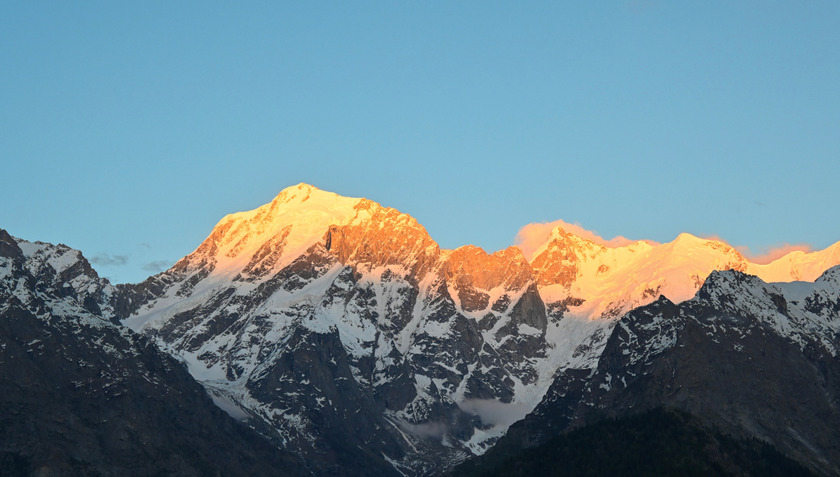
Over 1,000 kilometers west of Lhasa, the capital of Tibet, lies the sacred Mount Kailash.
Mount Kailash, a towering peak reaching 6,638 meters in height, located in southwestern Tibet, has long captivated attention and sparked human curiosity with its magnificent beauty and the mysterious enigmas surrounding it.
The journey to the mountain requires perseverance as there are no direct flights, trains, or buses operating nearby, and travel is difficult and dangerous. The pilgrimage, usually lasting three days and known as "The Kora," begins in the town of Darchen at an altitude of 4,600 meters and reaches its highest point at the Drolma La-Pass pass, at 5,650 meters. People walk around the mountain three times, either clockwise or counterclockwise, depending on their faith.
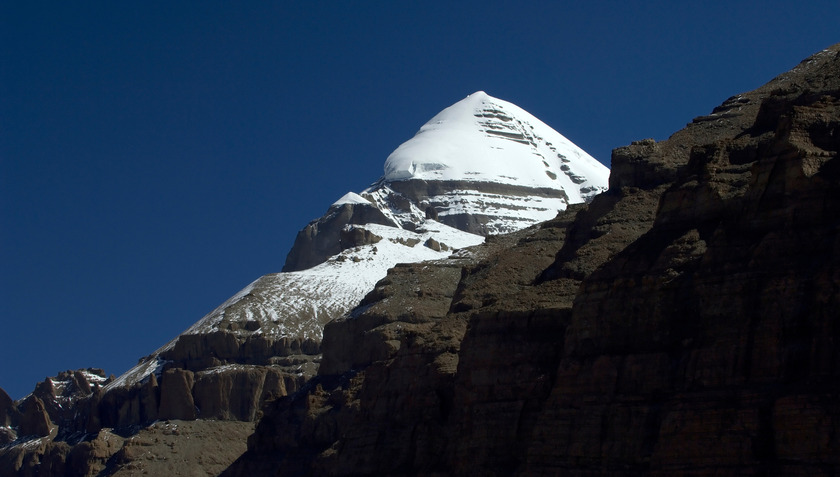
The mountain is known worldwide as the "spiritual universe," and is referred to in Buddhist scriptures as Mount Sumeru.
Many people believe that circling the mountain three times will help cleanse all sins from a lifetime. At a site called Shiva-tsal, visitors leave behind mementos such as clothing and locks of hair, signifying that their sad and unsatisfactory past lives have been left behind.
To date, no one has climbed to the summit in a manner recognized by local authorities. According to the Times of India, climbing Mount Kailash is forbidden because Tibet fears that such an act would affect the sanctity and sacredness of the mountain. Legend says that a monk named Milarepa once climbed to the summit and returned to warn people not to disturb the supreme being resting on the mountain.
Mount Kailash has a nearly perfect pyramid shape, with four pointed sides facing the four cardinal directions: East, West, South, and North. This leads many to associate it with the sacred Mount Meru in Hindu mythology, considered the pillar of the universe.

Kailash boasts rugged terrain with steep cliffs, harsh weather, and a high risk of avalanches. Therefore, conquering the summit presents numerous dangers and challenges that are difficult for humans to overcome.
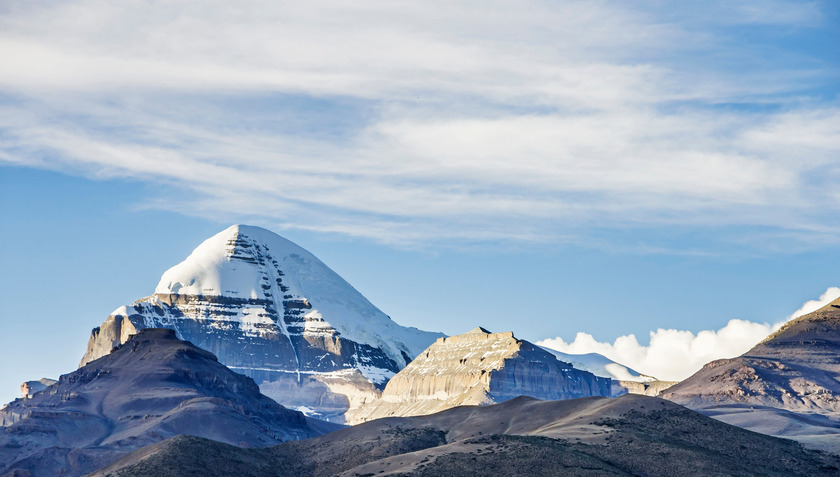
This mountain is very sacred and mysterious, covered in snow all year round, and has many strange and unique patterns.
Although no one is credited with conquering Kailash, several explorers and climbers have attempted to do so. However, all these attempts have been unsuccessful, or they have only managed to climb to a certain altitude.
In 2006, the Tibetan authorities officially banned climbing Mount Kailash to protect the local environment and culture. However, tourists can still participate in pilgrimages around the mountain or visit monasteries and other attractions in the area.
Mount Kailash has always held many mysteries and captivated human curiosity. Conquering its summit is not only a physical challenge but also a spiritual journey requiring purity and reverence.
MYSTERIES SURROUNDING THE SACRED MOUNTAIN
Mysterious energy
Many explorers and visitors claim to feel a particularly powerful energy when near Kailash. Many visitors to Kailash share that they feel a sense of joy, peace, and serenity spreading throughout their bodies. Some believe Kailash has healing properties for both physical and mental well-being. They come here to pray for health, good fortune, and peace. In rare cases, some people report experiencing cognitive shifts after visiting Kailash, such as having fresh, creative ideas or sensing spiritual messages.
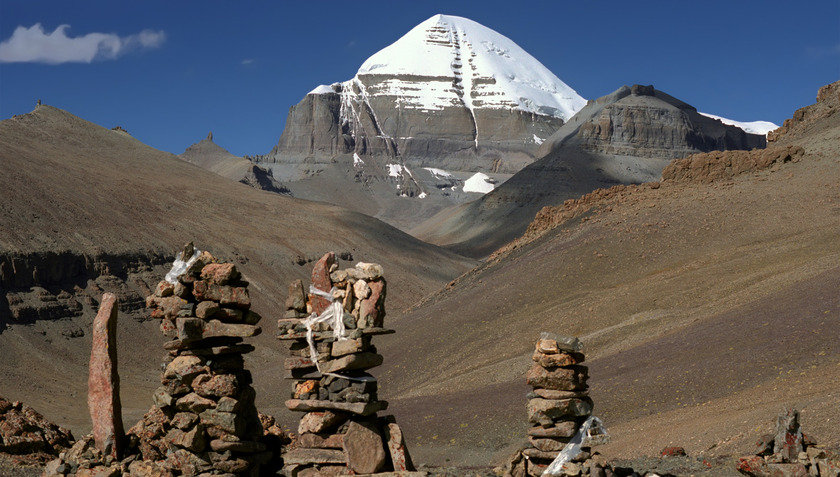
Despite its renowned sacredness, only a few thousand pilgrims visit Kailash each year.
Although experiences of psychic energy at Kailash remain unproven by science, several theories have been put forward to explain the phenomenon, attributing it to Kailash's location in an area with a high magnetic field, which may affect the human brain and body, leading to unusual sensations and experiences.
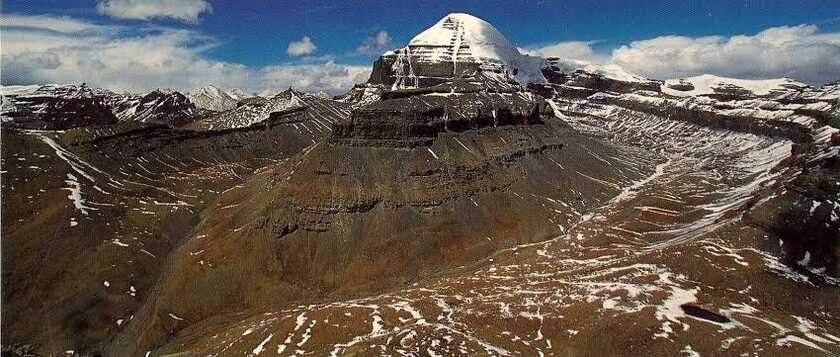
Mysterious crack
On the southern slope of the sacred Mount Kailash, nestled among towering cliffs, lies a massive fissure known as the "Gateway to Death." This fissure, approximately 150 meters long and over 30 meters wide, has been the subject of curiosity and imagination for centuries.
Many people believe that the "Gateway to Life and Death" is not just a simple crack, but a mysterious passage leading to other dimensions or a place where human souls are taken after death. This belief stems from ancient legends and the strange experiences of some visitors who have approached the crack.
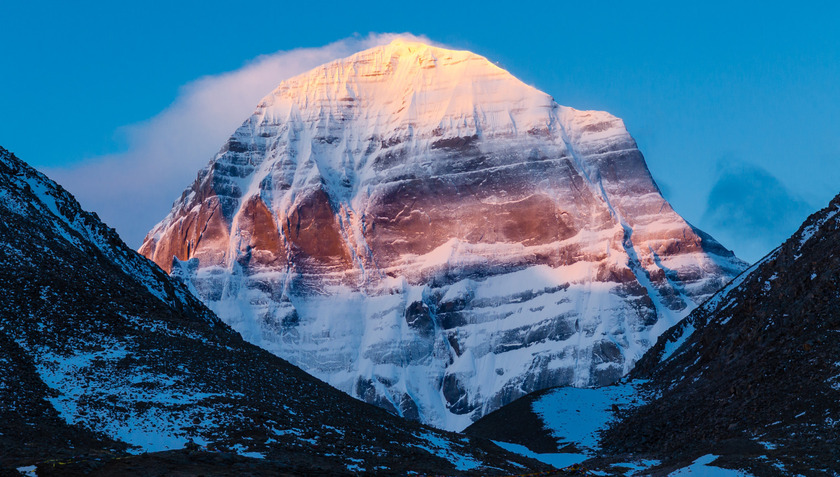
Legends about the rift have fueled the spread of many man-made fantasies.
According to some legends, the "Gateway to Life and Death" is where sacred deities travel between worlds. This belief is prevalent in Buddhism and Hinduism, which consider Kailash to be the center of the universe.
Some visitors who approach the "Gate of Life and Death" claim to have experienced strange phenomena such as altered perceptions, seeing hallucinations, or sensing a special energy. These experiences further reinforce the belief in the mystical nature and extraordinary power of the rift.
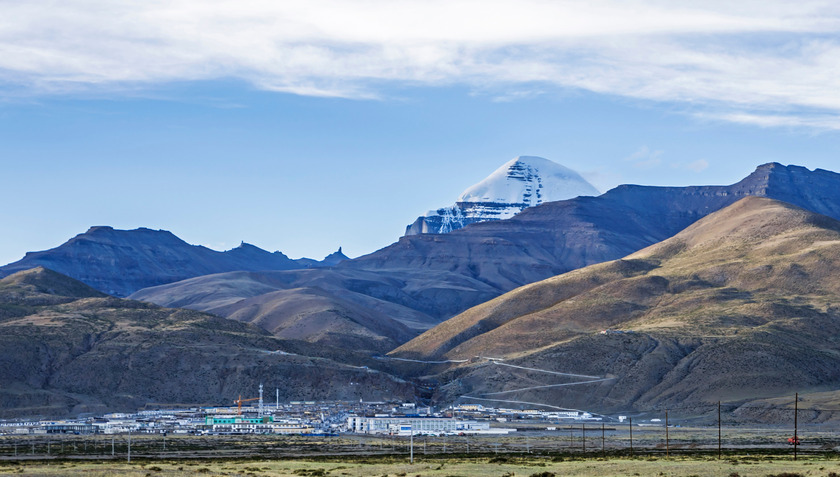
Information regarding psychic energy at Kailash is primarily based on personal beliefs and individual experiences. Currently, there is insufficient scientific evidence to confirm or deny these phenomena.
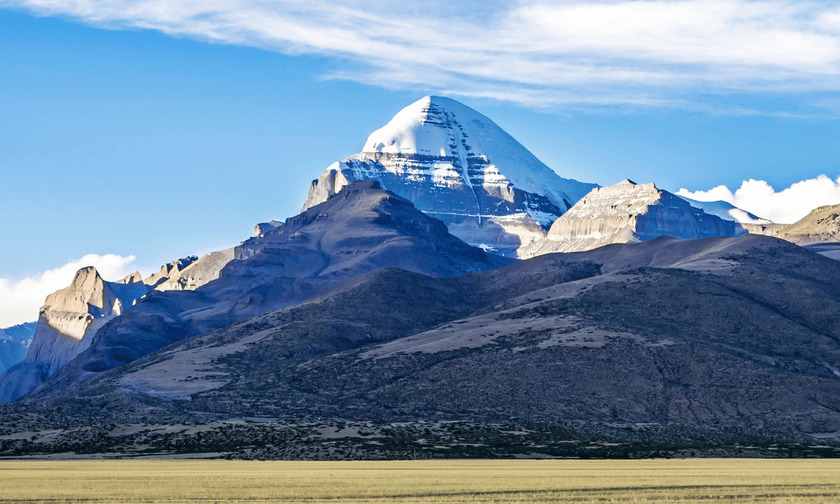
Despite the unsolved mysteries surrounding it, Mount Kailash stands tall as a sacred landmark, attracting visitors with its magnificent beauty, cultural value, and mystical stories. Whether you believe in the spiritual energy of this mountain or not, Kailash remains a majestic and inspiring place that has captivated travelers from all over the world for centuries.