VI
VI


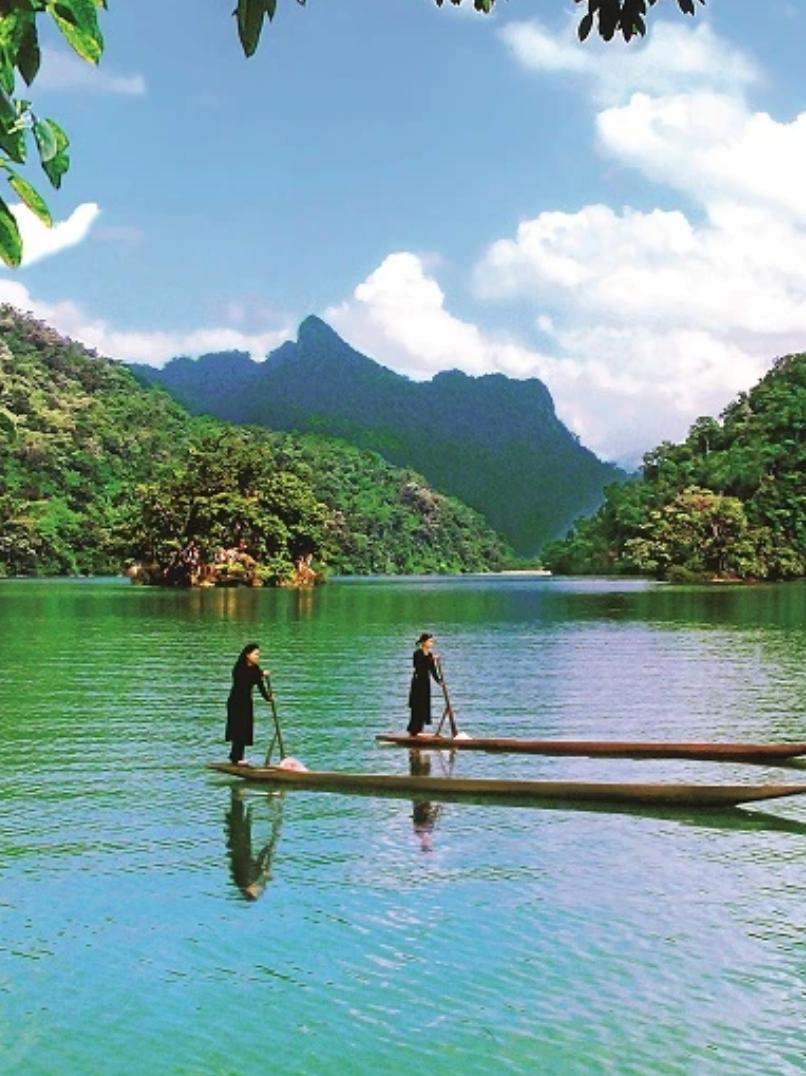
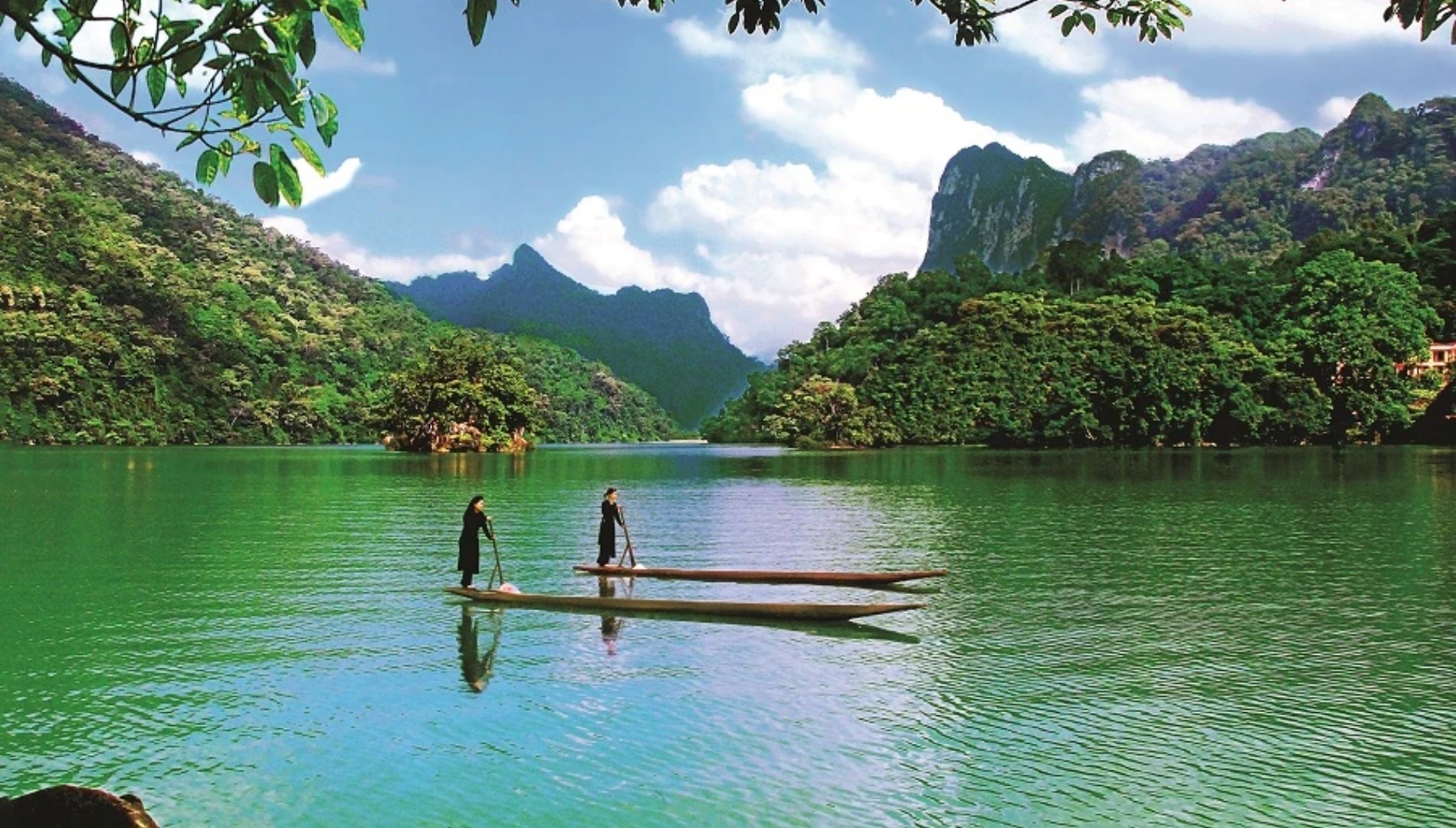
Ba Be Lake, located within Ba Be National Park, is a valuable national tourism resource. Therefore, the Resolution of the Bac Kan Provincial Party Congress for the 2020-2025 term identified the development of this scenic area into a national tourist destination as one of its important tasks.

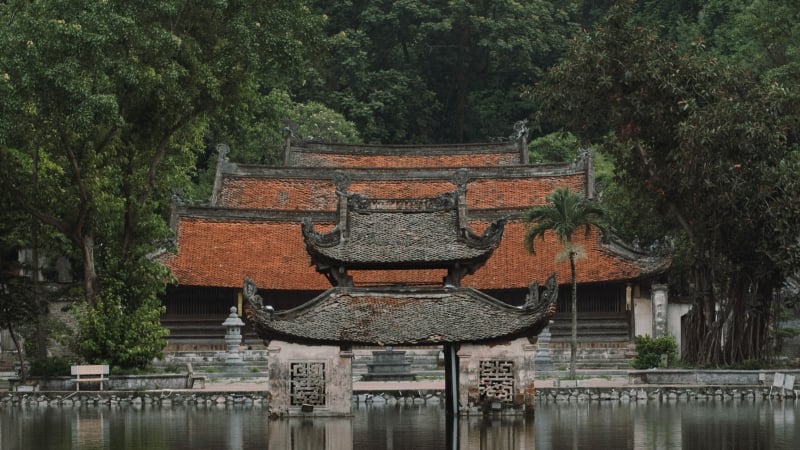
According to the development plan, Bac Kan aims to protect tourism resources and enhance the attractiveness of the area to tourists. To achieve this, the province will improve the transportation system and tourism infrastructure, striving to ensure that by 2030, the Ba Be tourist area will meet the criteria for recognition as a national tourist area according to the Tourism Law.
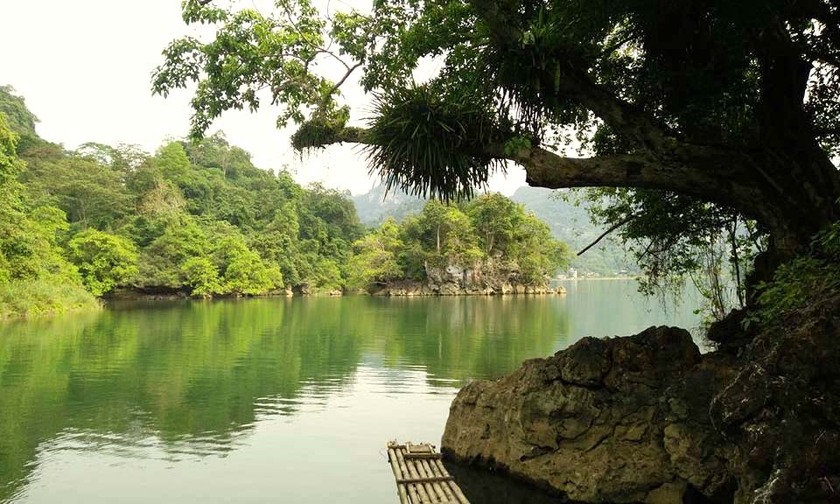
Ba Be Lake - the emerald gem of the Northeast mountainous region.
Regarding specific targets, Bac Kan has set clear milestones: by 2030, the tourist area will welcome 1 million visitors; by 2035, this number will increase to approximately 1.35 million; and by 2050, it is expected to welcome 2 to 2.5 million visitors. The Ba Be tourist area will ensure the provision of adequate and high-quality facilities to serve tourists, including hotels, restaurants, entertainment services, and healthcare.

The protection and preservation of a pristine environment, as well as tourism resources, will be taken seriously, creating a sustainable and attractive tourism space for both domestic and international visitors.
Bac Kan province predicts that when Ba Be Tourist Area becomes a national tourist area, the province's tourism industry will make significant strides. The number of tourists is expected to increase sharply, from over 485,000 in 2025 to 1 million in 2030.
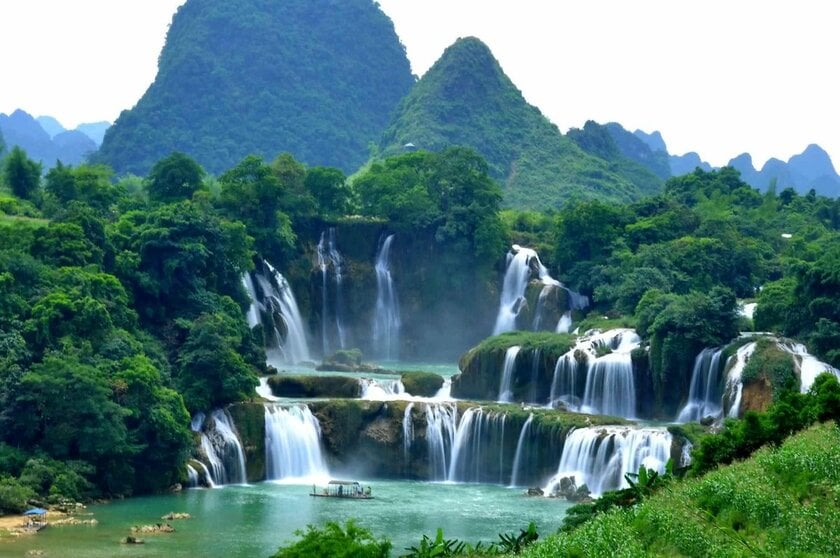
A pristine yet captivating destination.
Along with the increase in tourist numbers, the number of workers in the tourism industry will also increase significantly, from approximately 3,000 currently to over 15,000 by 2030. The number of accommodation rooms is also expected to expand dramatically, from 470 currently to 2,400.
These projected figures demonstrate the strong potential for future tourism development in Bac Kan, while also highlighting the need for investment in tourism infrastructure and services to meet the growing demands of tourists. Developing the Ba Be tourist area will not only bring economic benefits but also contribute to creating numerous job opportunities for local people and improving the quality of tourism services in the region.