VI
VI


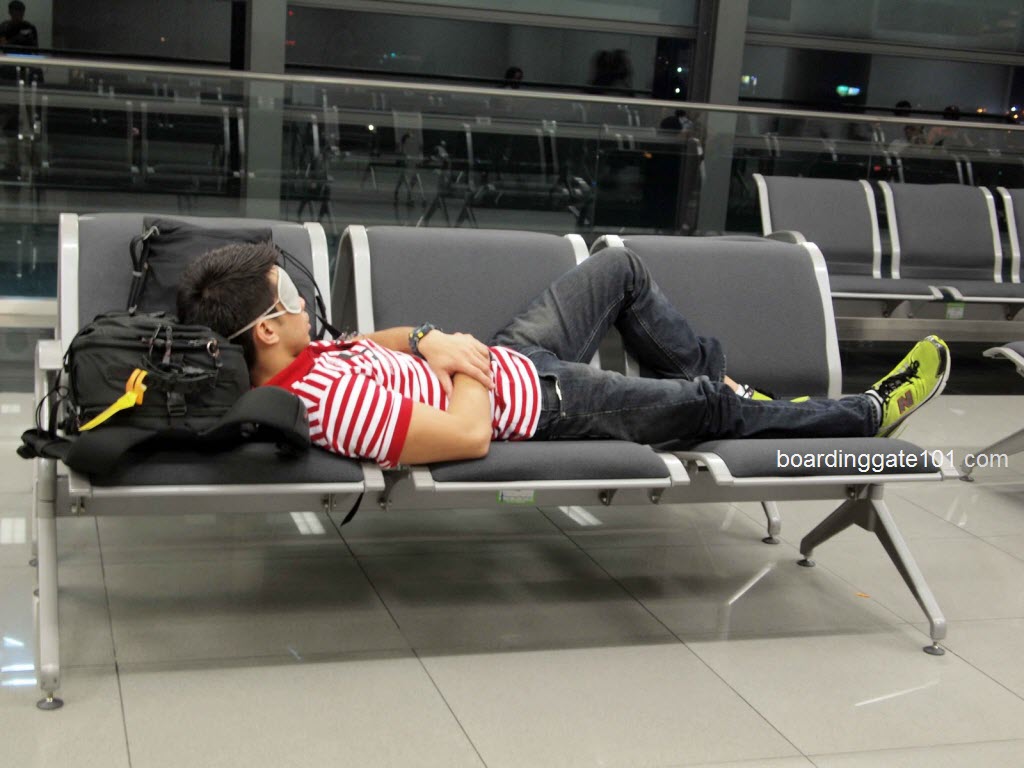
1. Find out about the airport's schedule.
Airports are usually open 24/7. However, some smaller airports are only open during the day. Therefore, you should check the airport's operating hours beforehand or contact the staff directly. Some airports may allow passengers to sleep next to their luggage in the check-in area, but this is not safe at all.
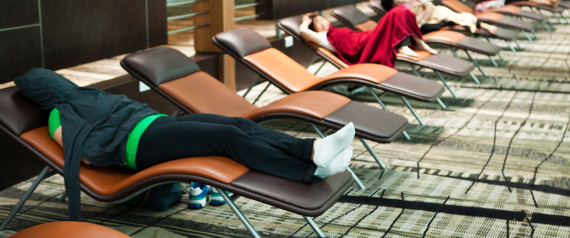
Changi Airport (Singapore) has designed convenient sleeping accommodations for travelers. Photo: wisata-singapore.com
2. Find the most comfortable place to sleep.
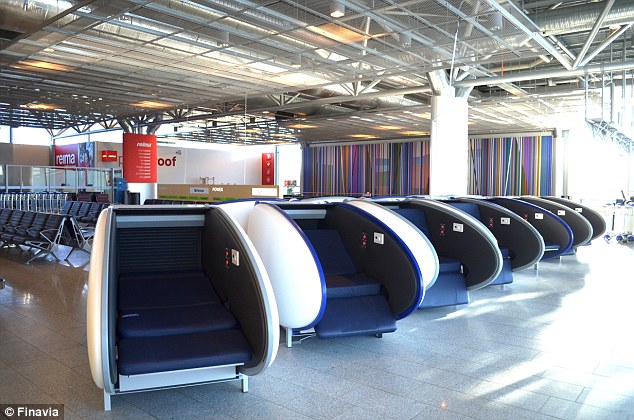
An ideal option for those staying overnight at the airport is to stay in designated sleeping areas, if the airport has them. Larger airports even provide a dark, quiet space with soothing music to help you feel most comfortable. Simpler airports may offer reclining chairs. Of course, using these services will incur a small fee. Once you find a spot, feel free to use your luggage as a pillow, cover yourself with a towel, stretch out, and enjoy a comfortable night's sleep.

Many airports offer sleeping pods for travelers. Photo: www.pinterest.com

3. Sleeping near passengers who are sleeping.
If it's not inconvenient, choose to sleep near other passengers who are already sleeping. This is especially effective for solo travelers, as it makes you feel safer, and people outside will be less likely to disturb you because they think you're traveling with a group.
4. Choose a high-security area.
When you're fast asleep, your ability to defend yourself is virtually nonexistent. This is extremely dangerous if you spend the night in a public place. For that reason, choose to rest in areas with heavy security, including law enforcement officers or surveillance cameras. Alternatively, you can choose a place with plenty of ground staff.
5. Check all information about your upcoming flight.
Prepare for your upcoming flight by familiarizing yourself with the flight schedule, check-in gate, security checkpoint, and boarding gate. This will allow you to be more proactive instead of falling asleep and missing your flight. In particular, try to set an alarm before going to sleep.
6. Don't hesitate to borrow a tent or blanket.
Almost all airports have tents and blankets available for passengers who miss their flights and have to stay longer. So feel free to ask ground staff for a tent or blanket.
7. Minimize the amount of luggage you bring.
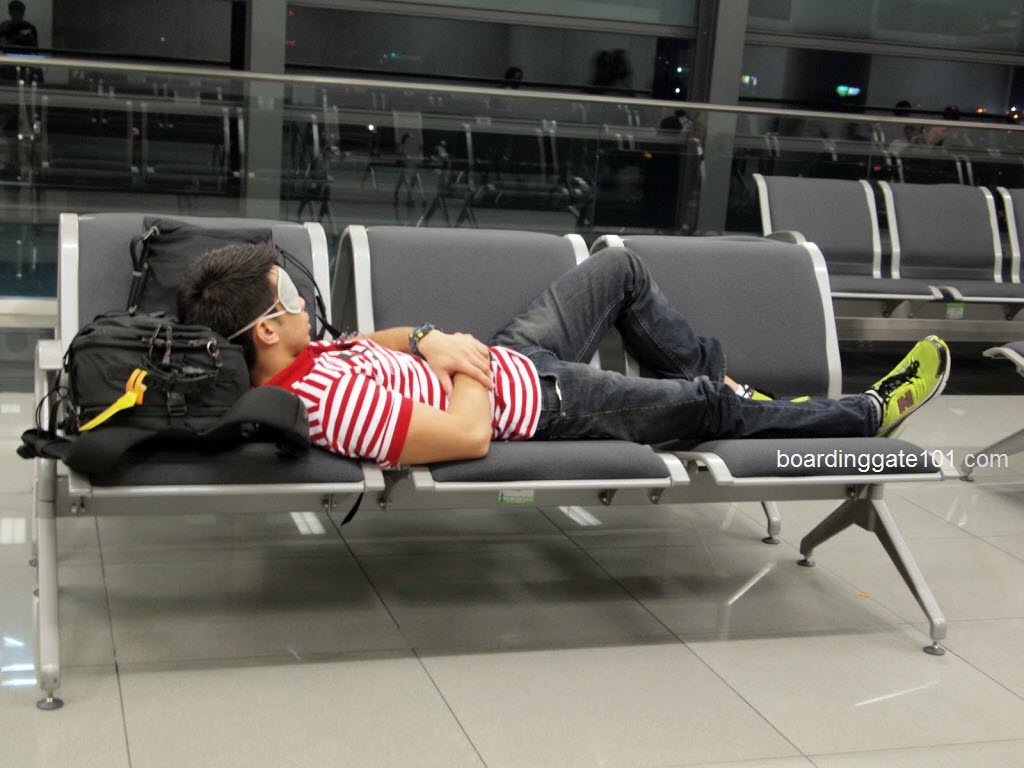
If you plan to spend the night at the airport, minimize your luggage. This will allow you to be prepared for any emergencies. Less luggage also means less work watching your belongings and a lower risk of theft. Some airports even have baggage handling staff. Contact them and remember to inform them of your next flight time.
Airports typically operate 24 hours a day, and are often very noisy and brightly lit. That's why you should bring an eye mask, scarf, or sunglasses to help you sleep. Earplugs or headphones are also essential to minimize noise.
8. Organize your belongings before going to bed.
The way you arrange your belongings to ensure both comfort and safety is also something to consider. Keep your luggage as close to you as possible, and use a soft bag as a pillow. For small personal items like music players, phones, and wallets, make sure they are inconspicuous and difficult to access. For larger items, place them at your feet and use your feet to hold them in place if possible.
9. Only eat light meals.
Airport food is often served as fast food like sandwiches and pizzas. These are often heavy and can easily cause indigestion. Therefore, instead of fast food, choose foods rich in carbohydrates and a little protein, such as a small sandwich, a banana, or some rice. And remember to avoid stimulating drinks. Mineral water is the best choice instead.
10. Wear versatile clothing.
Sleeping at the airport means you'll have difficulty changing clothes. Therefore, choose light, flexible clothing. Sportswear is best. Airports have fairly good air conditioning, sometimes even too cold in some areas. So don't dress too warmly, but don't dress too lightly either.