VI
VI


Shinjuku - the world's busiest train station.
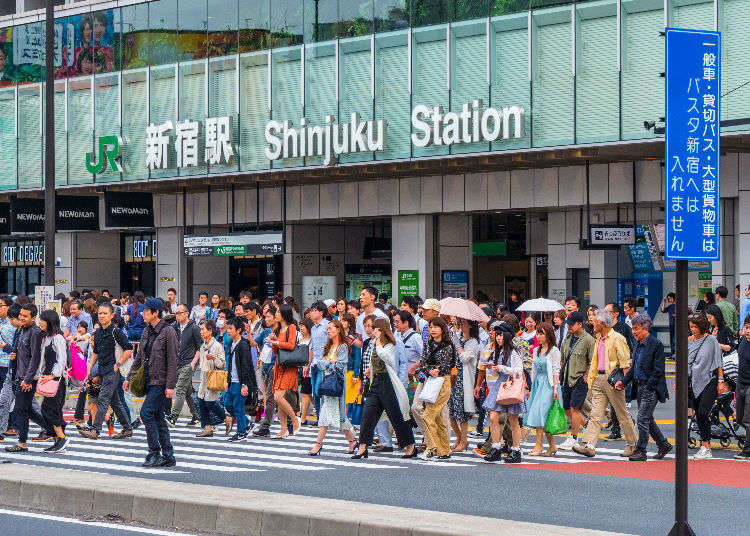
Once you get here, you'll understand why it's the busiest train station in the world.
A never-ending labyrinth of underground tunnels, sprawling shopping areas, and a constant stream of people, Shinjuku Station is a place where even locals frequently get lost. Serving approximately 3.6 million passengers daily, Shinjuku is so busy that in 2016, East Japan Railway Company launched a specially designed app to help users avoid getting lost in this "maze."
45 out of the 51 busiest train stations in the world are in Japan.
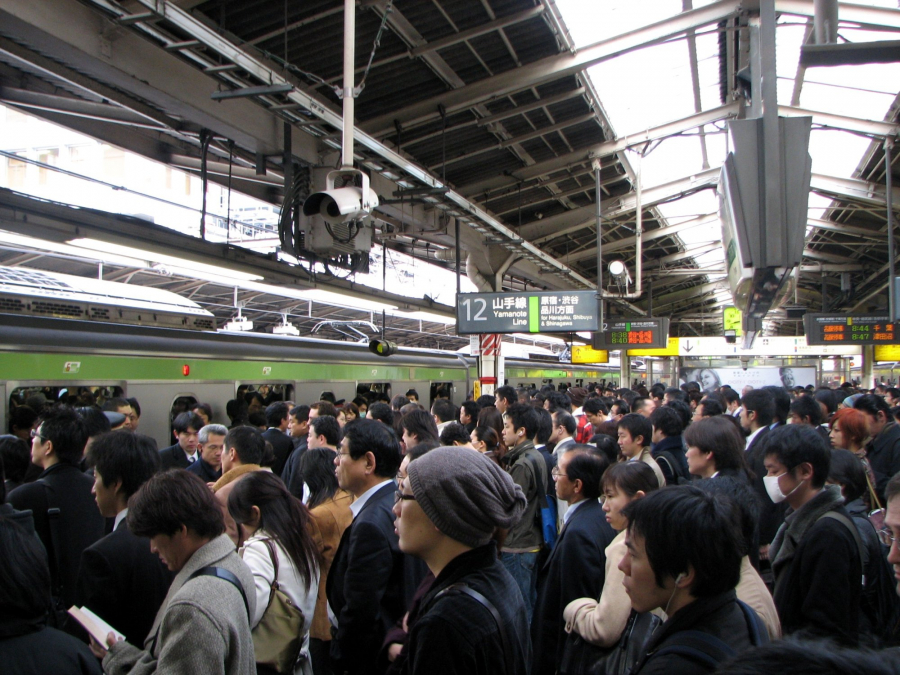
Shinjuku is a prime example of Japan's vast and bustling railway network. However, the surprises don't stop there, as there are many other incredibly busy stations across the country. Of the 51 busiest train stations in the world, Japan is home to 45 – further demonstrating that it is a nation where travel by train is almost entirely dependent on transportation. The top five busiest stations, in descending order, are: Shinjuku, Shibuya, Ikebukuro, Umeda (in Osaka), and Yokohama.
There is a train station that only opens twice a year.
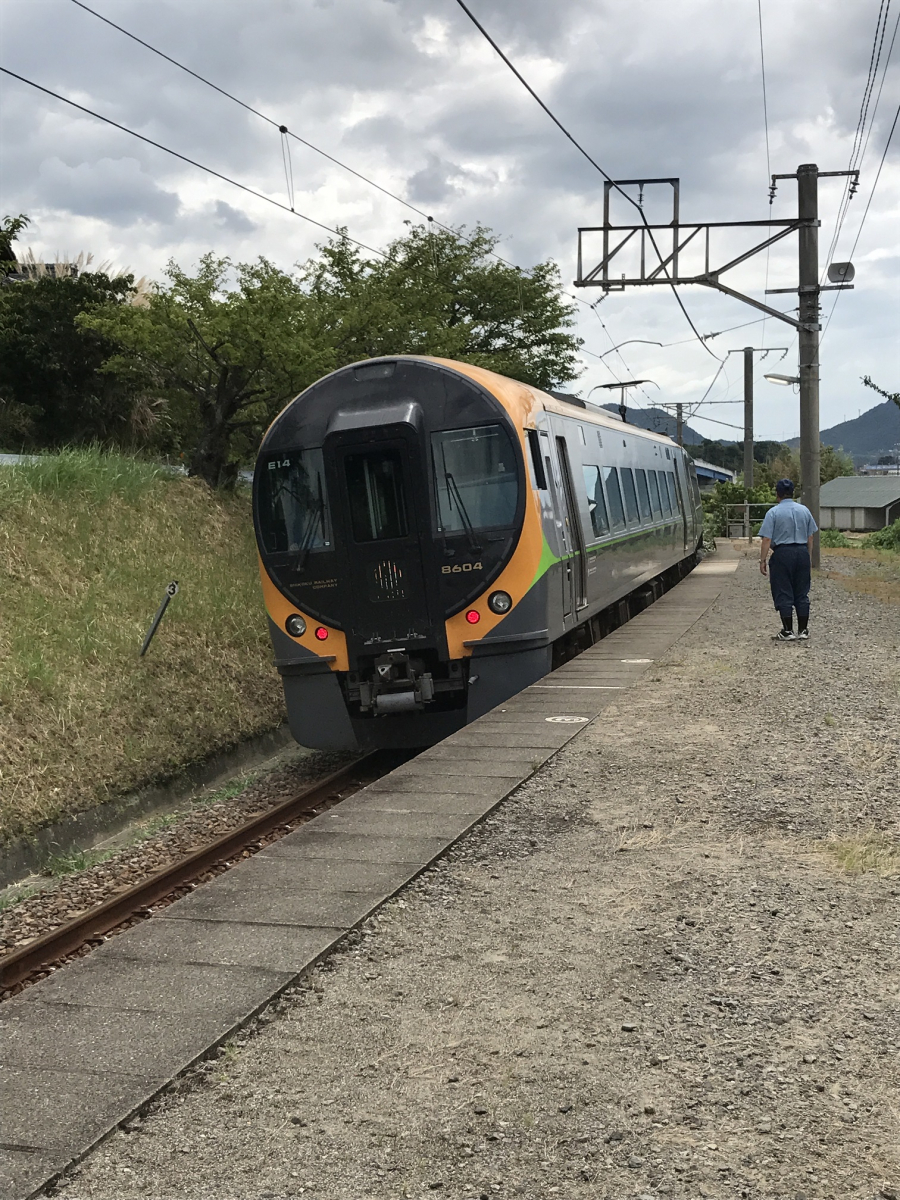
Tsushimanomiya Station on Shikoku Island is a smaller, less busy station that only opens twice a year. For the upcoming local summer festival at Tsushima Shrine, the station will be open on August 4th and 5th.
Japan has the longest inverted train ride.
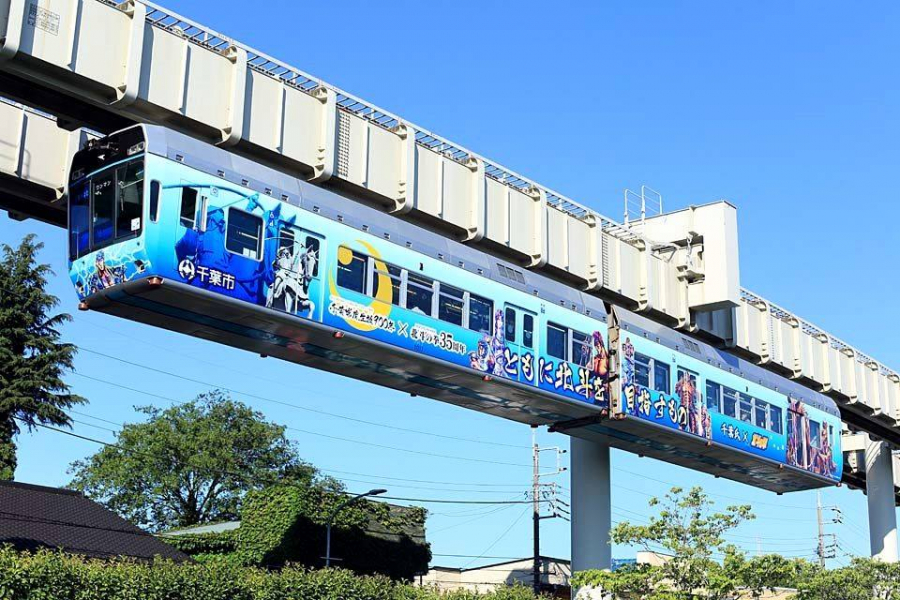
Just about an hour from Tokyo, you'll find Chiba – a coastal prefecture often overlooked by tourists but packed with attractions. A particular highlight is the Chiba Metropolitan Monorail system, a blend of retro and futuristic styles. The trains are suspended along a 15.2 km (9.4 mile) stretch of track, making it the world's longest suspended railway system. You can almost certainly walk beneath it without feeling like it's about to fall on your head.

These carriages are reserved exclusively for women.
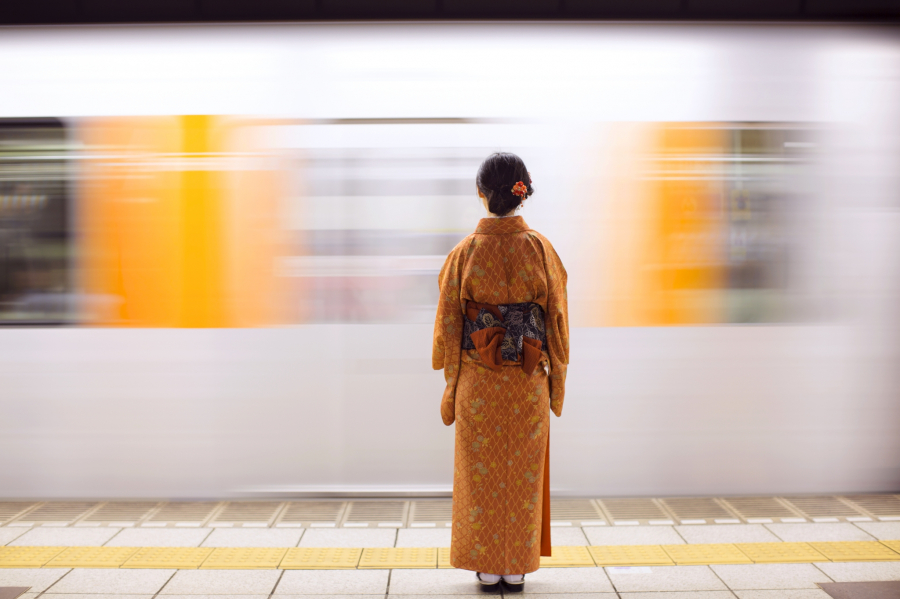
In crowded places, there are always criminals who take advantage of the crowd's vulnerability. Trains and train stations packed with people, like those in Japan, are no exception. These opportunists are called "chikan" in Japanese. As a way to prevent this, in some cities, subway systems have implemented women-only carriages during peak hours (morning and evening) to ensure the safety of women as much as possible.
The train station has its fans too!
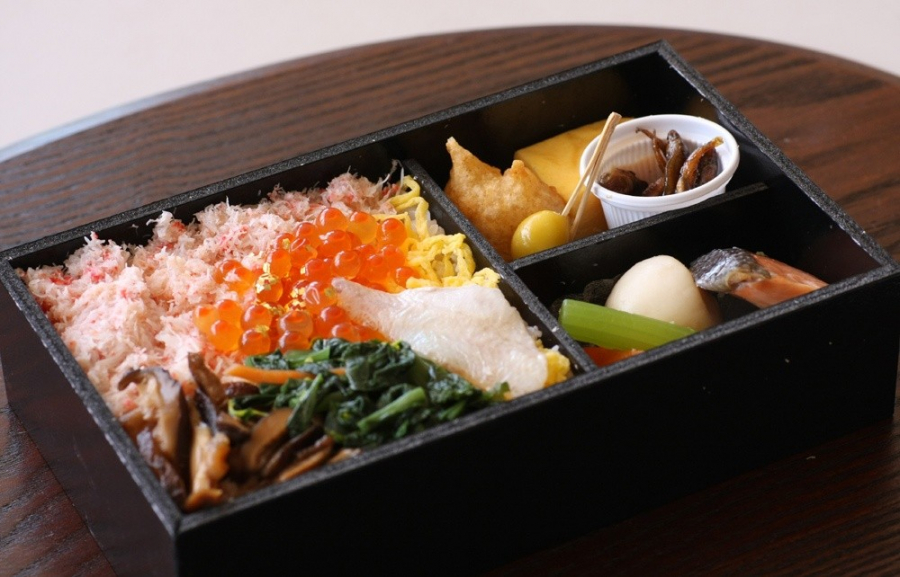
A lunch meal is served on board.
The Japanese use the word "otaku" to refer to a community of fans, and it doesn't just refer to anime culture or any particular electronic trend; it can be used for anything in life that sparks interest and passion among people. Searching for keywords like "densha otaku" or "train nerd" online will yield a series of rather confusing results about people who are passionate about trains, treating them like real "idols." According to the Japanese news site Sora News, there are currently 36 different types of densha otaku, ranging from ori-tetsu – those who enjoy walking around train stations – to ekiben-tetsu – those who prefer the lunch boxes served on trains.
Shinkansen trains are all equipped with automatic braking systems for earthquakes.
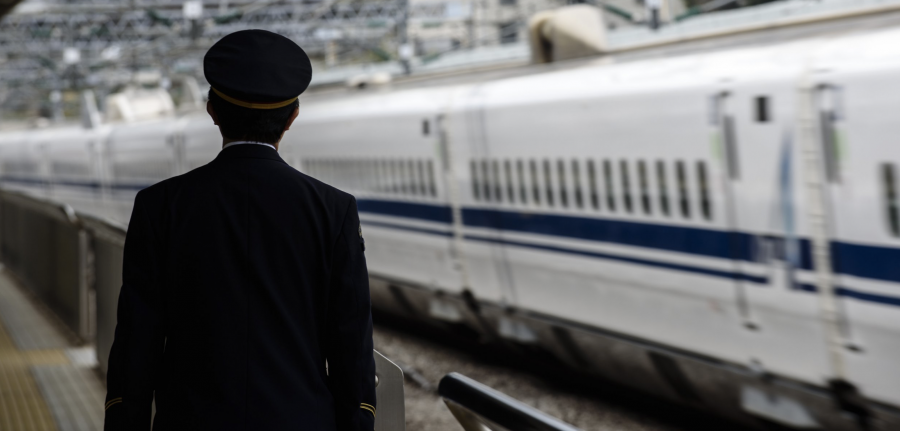
Everyone knows that the Land of the Rising Sun is one of the most earthquake-prone countries in the world. But not everyone knows that, thanks to the clever design and meticulous attention to detail of the Japanese, it is also one of the safest places if an earthquake occurs. The railway network – the primary mode of transportation for residents and tourists – is equipped with a special safety mechanism. When Shinkansen trains travel across the country at "rocket" speeds, the main system connects everything, "freezing" the entire system into a safe state at the first sign of an earthquake.
Japan has the world's longest pier.
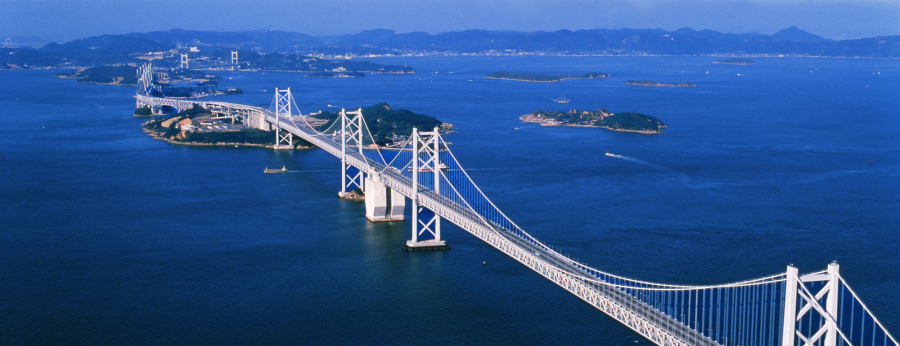
Known as Seto Ohashi, this structure is a series of interconnected bridges linking Okayama Prefecture on Honshu Island with Kagawa Prefecture on Shikoku Island. Spanning 9,368 meters (5.8 miles), the bridge is primarily used for automobiles, but also has space for shinkansen trains to pass through.
Hello Kitty Train Station
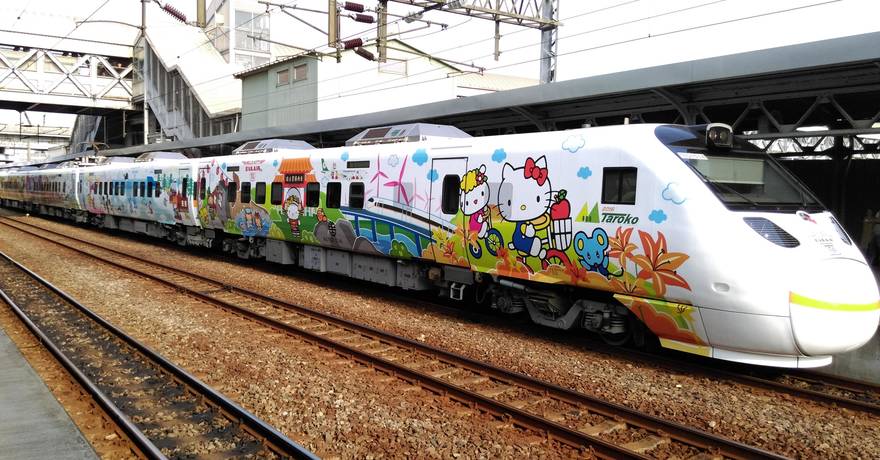
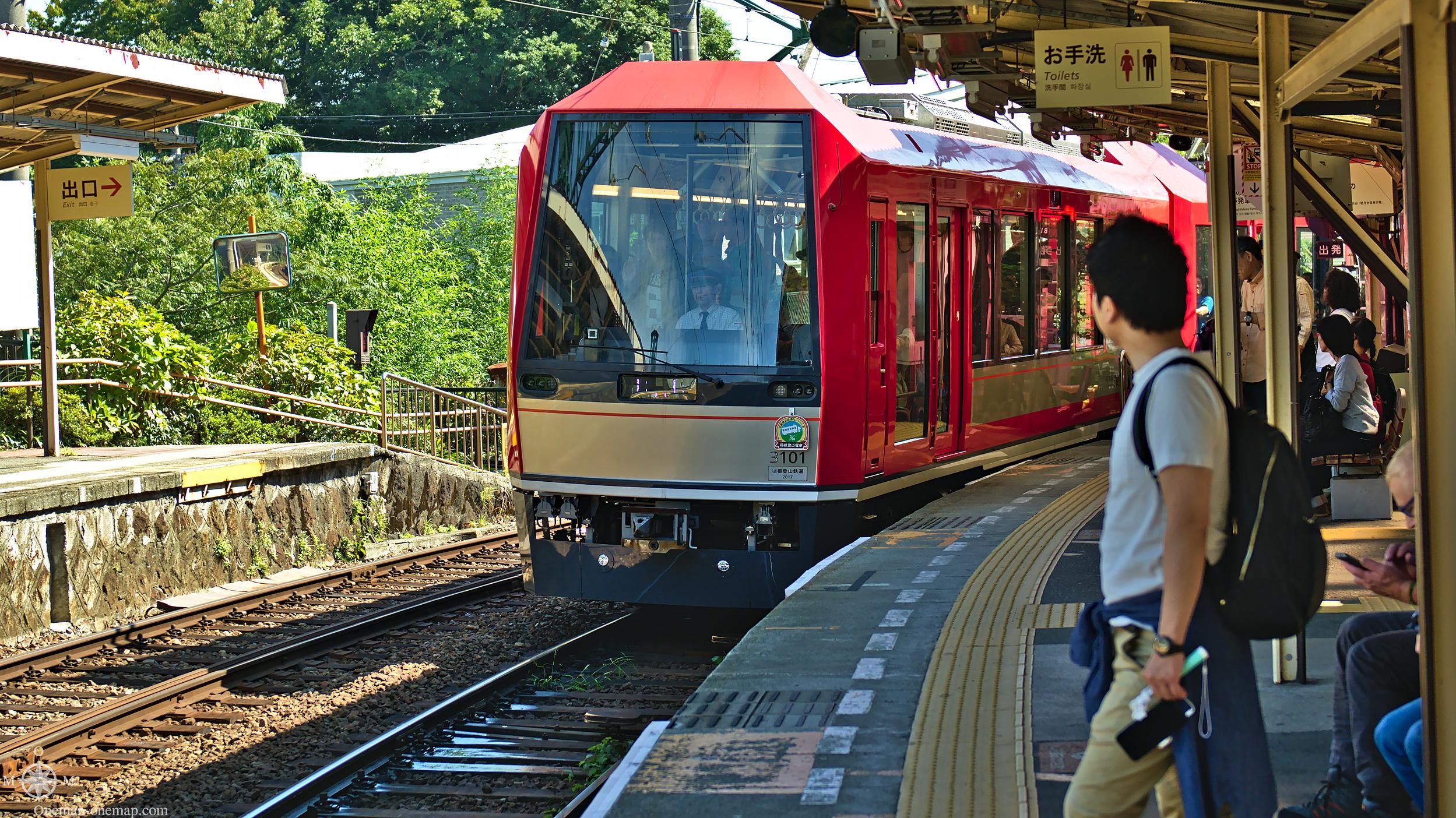
Recent news about a new Hello Kitty shinkansen has created a buzz across Japan, but let's not forget that Tokyo already had a Hello Kitty train station some time ago! Located in Tama-Center station, southeast of Tokyo, you'll find a magical world where Hello Kitty appears everywhere—on signs, train bodies, glass ceilings, and more—in the center of the station.
Punctuality is a principle.
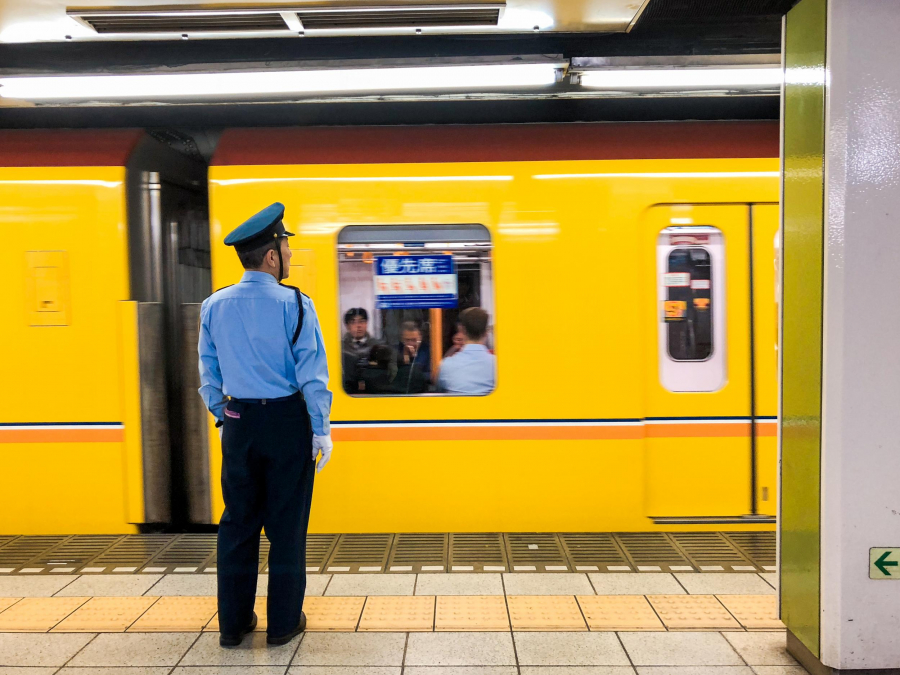
Japan is renowned for its principled nature, exemplified by its punctuality in all aspects of life, including its train system. Late last year, a story about a train departing 20 seconds early caused a stir in the Japanese community: the Tsukuba Express, traveling between Tokyo and Tsukuba, left the station at 9:44:20 instead of the scheduled 9:44:40. To rectify this embarrassing incident, the company issued an apology, stating that the driver had misread the schedule and promising that it would not happen again.