VI
VI


By 2050, two out of three people are expected to live in cities. As populations grow and urban areas become more interconnected, tourists will flock to these places, making them more crowded than ever: According to the latest report from the United Nations World Tourism Organization, international tourist arrivals exceeded 1.3 billion in 2017, underscoring the importance of building sustainable solutions for the future of cities.
Smart cities are confronting these challenges and are constantly implementing countermeasures such as improving roads, enhancing access to technology, supporting heritage and diverse communities, and protecting the environment.
And here is a list of 10 such cities:
1. Tallinn, Estonia
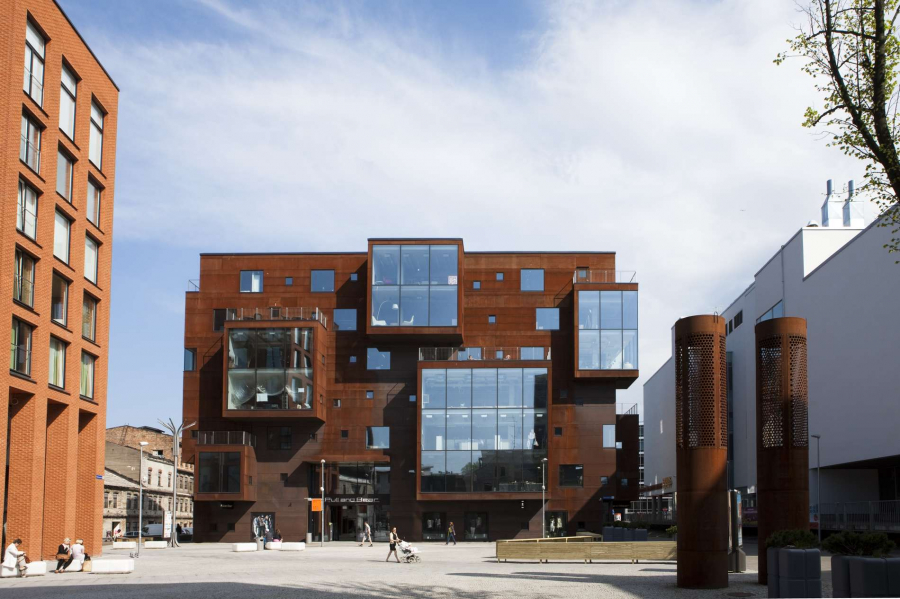
Estonia's capital, formerly a Soviet state, has evolved into a high-tech hub. It was the first country in the world to declare internet access a fundamental human right, the first to switch to online voting, and one of the first to provide rapid 5G connectivity to both locals and tourists.
2. AARHUS, Denmark
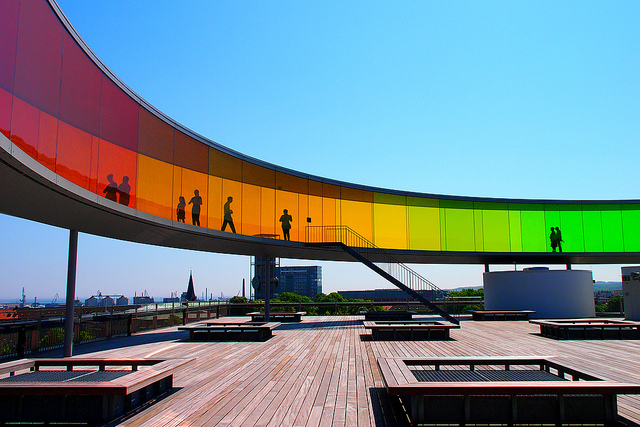
The artwork Your Rainbow Panorama/ Studio Olafur Eliasson in Aarhus
When you think of Denmark, most people immediately think of the capital Copenhagen, but the city of Aarhus, just 160 km to the northwest, is also extremely noteworthy. This innovative and vibrant city has been designated the European Capital of Culture. New food markets, a streamlined urban rail system, futuristic libraries, and innovative hotels have energized the city, which is striving to achieve climate neutrality or zero carbon emissions by 2030.

3. Santiago, Chile
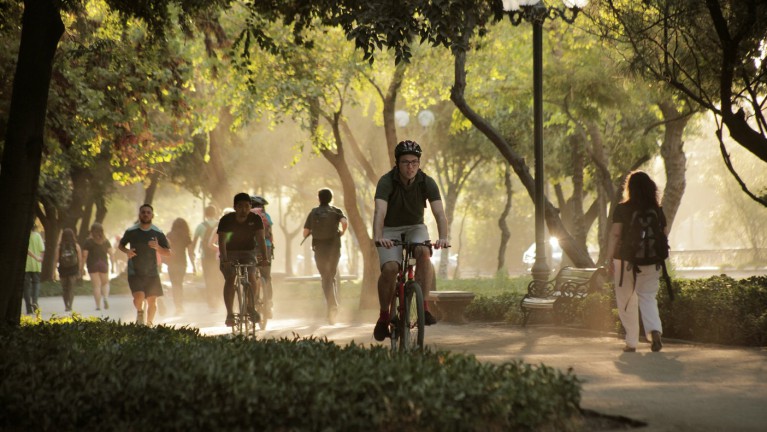
Cyclists in Santiago, Chile, have their own dedicated road system.
The Chilean capital not only restricts cars in the center but also develops a network of dedicated bike lanes. The Santiago metro system, one of the largest in South America, connects towns that once relied on diesel buses. Developments like the Paseo Bandera in the city center create colorful pedestrian zones to foster community spirit, alongside award-winning new hotels nestled among the towering Andes mountains.
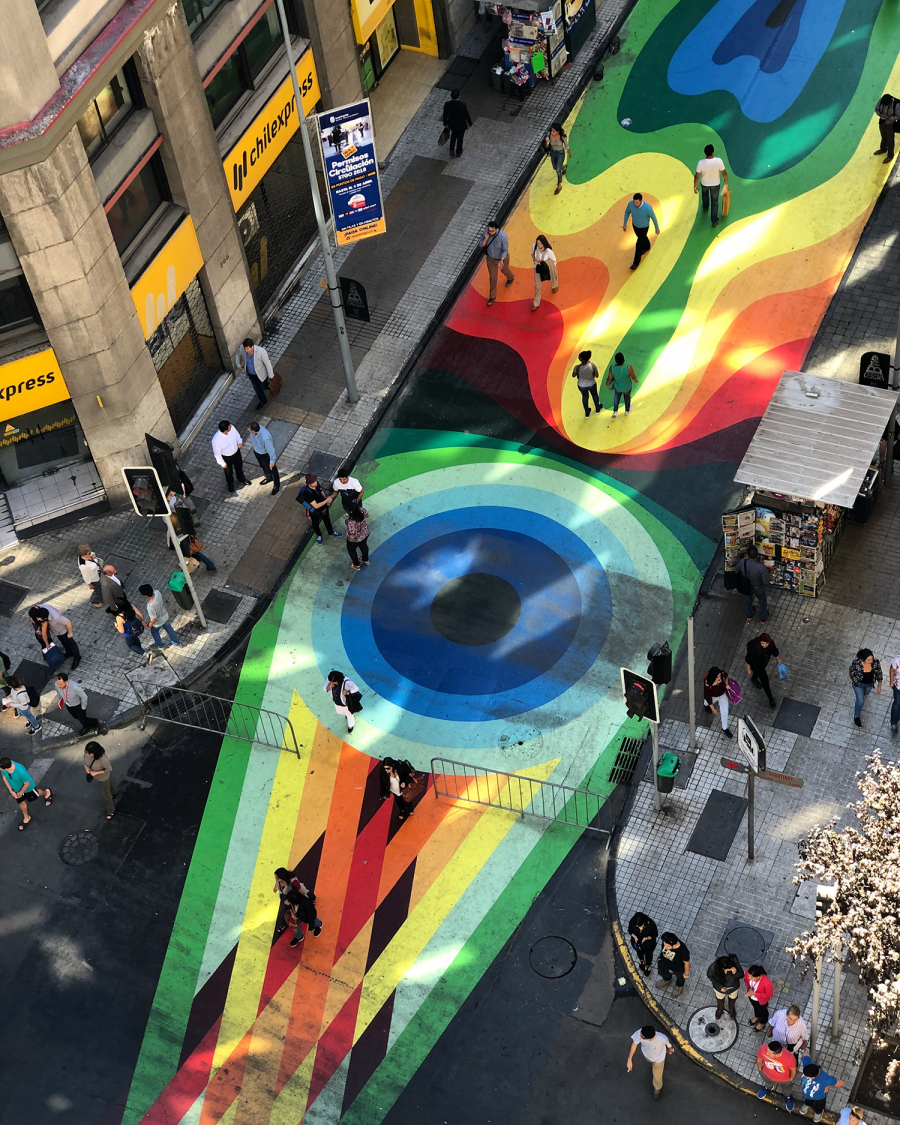
The Paseo Bandera complex features vibrant pedestrian areas.
4. SAN ANTONIO, TEXAS
Texas' oldest major city both preserves its rich heritage and embraces necessary changes. For example, the Battle of the Alamo, a Texas icon, has been revived so visitors can relive this famous battle on their smartphones thanks to expanded virtual reality technology. Designated a UNESCO City of Innovative Gastronomy, San Antonio boasts talented chefs constantly creating new versions of Texas, Mexican, German, French, and Spanish cuisine. In addition, the expanding River Walk and the renovation of Hemisfair Park – the site of the 1968 World's Fair – further fuel the city's ongoing development.
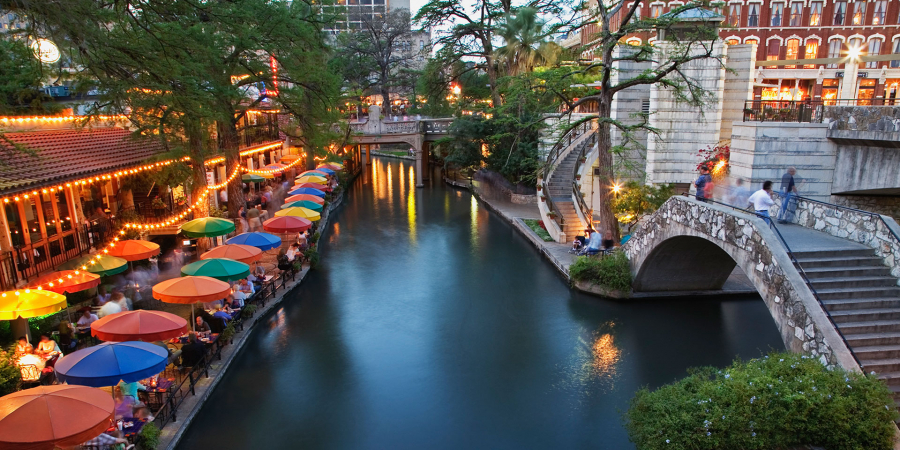
River Walk
5. Helsinki, Finland
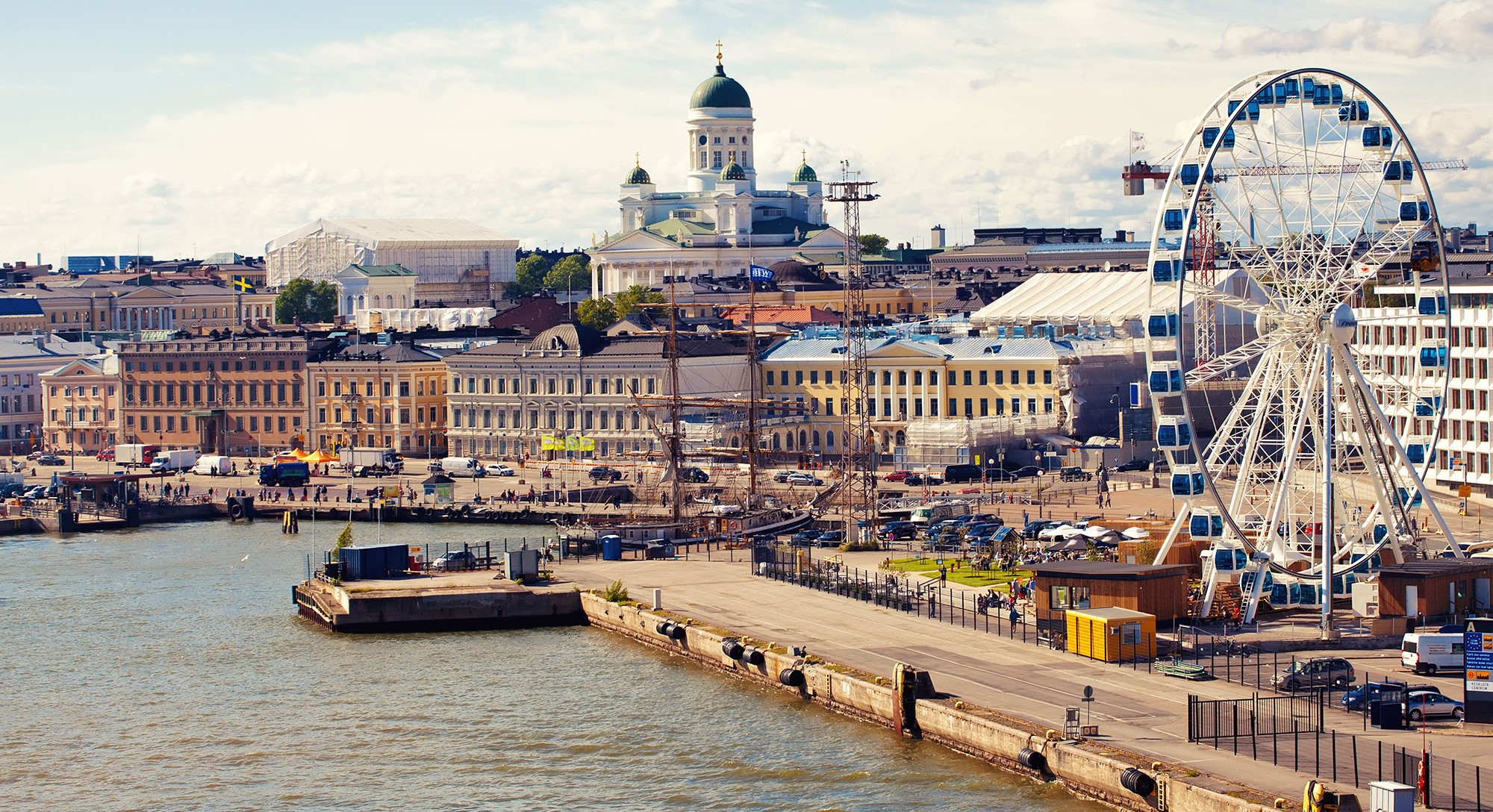
Not only is Finland the safest country in the world, it's also one of the happiest, according to the World Happiness Report. Now, the Nordic nation's capital, Helsinki, is collaborating with charities and investors to develop self-driving vehicles, while creative incubators are working to promote sustainable cuisine, protect the environment, and increase pedestrian accessibility in the city.
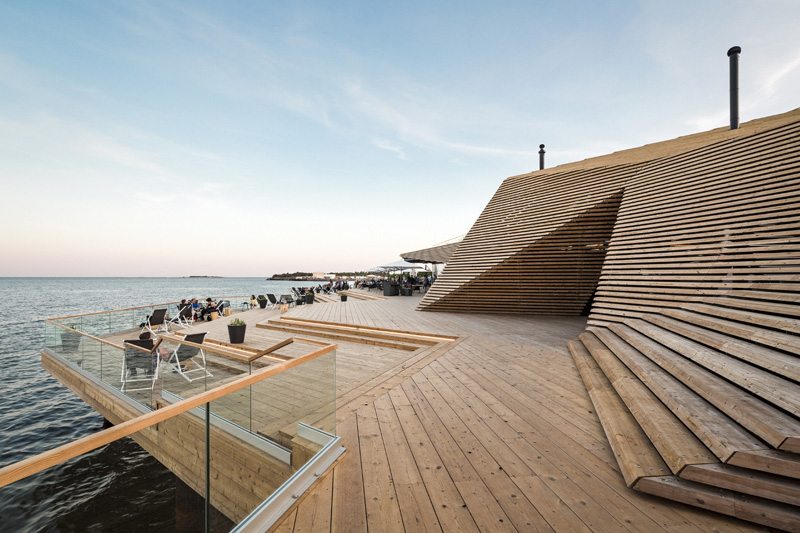
Löyly, Helsinki
6. SCOTTSDALE, ARIZONA
To protect the desert ecosystem from overdevelopment, one-third of the city of Scottsdale has been transformed into the McDowell Sonoran Preserve, offering over 290 km of walking and cycling trails. Here, visitors can admire the art scene with Native American masterpieces at the Western Museum; take tours to architect Frank Lloyd Wright's Taliesin West winter home; and enjoy exhibits on Main Street and Marshall Way by emerging artists.
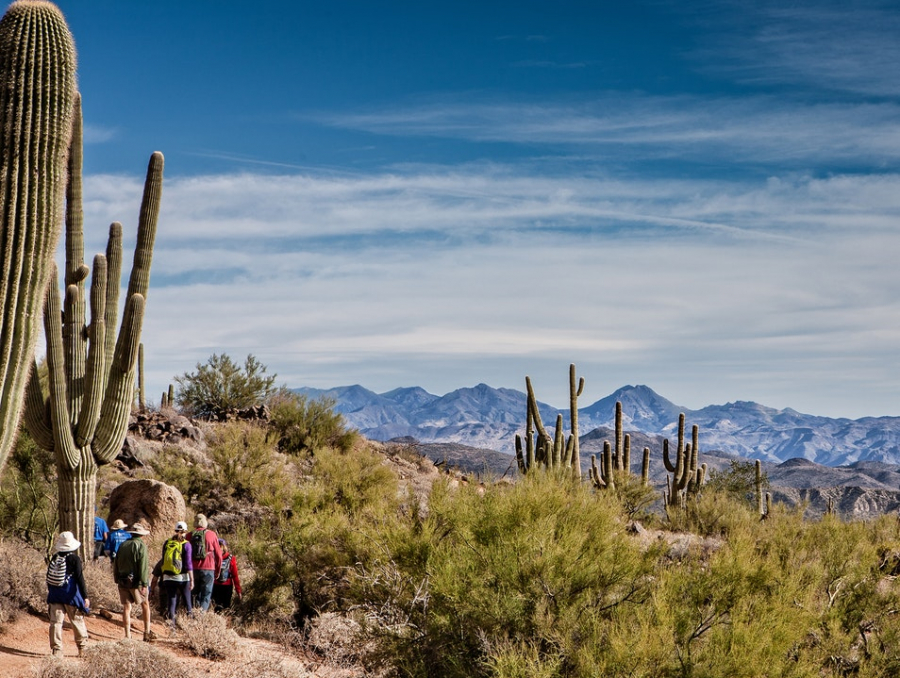
Part of the McDowell Sonoran Reserve, where people can participate in activities such as rock climbing, hiking, or cycling.
7. Detroit, Michigan
Motor City, or Detroit, is the cradle of the world's automotive industry, and it continues to thrive with automakers testing self-driving cars; Tiny Homes Detroit building affordable homes for low-income residents; and the arts flourishing with a new theater, a new jazz center, and an expanded Motown Museum. The old, dilapidated power plant has been transformed into the Detroit International Riverwalk, a 5-kilometer-long promenade lined with shops, skyscrapers, and new public spaces.
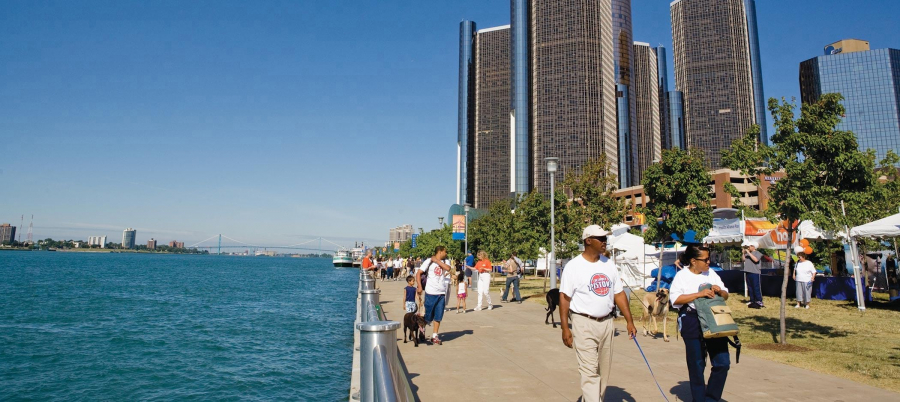
Detroit International Waterfront Promenade
8. MEDELLÍN, COLOMBIA
Through the Parques del Río initiative, Medellín has established green spaces and new trails along its highways. This second-largest city in Colombia is also praised and admired worldwide for its sophisticated improvements to its bus, rail, and cable car systems to serve remote mountainous areas.
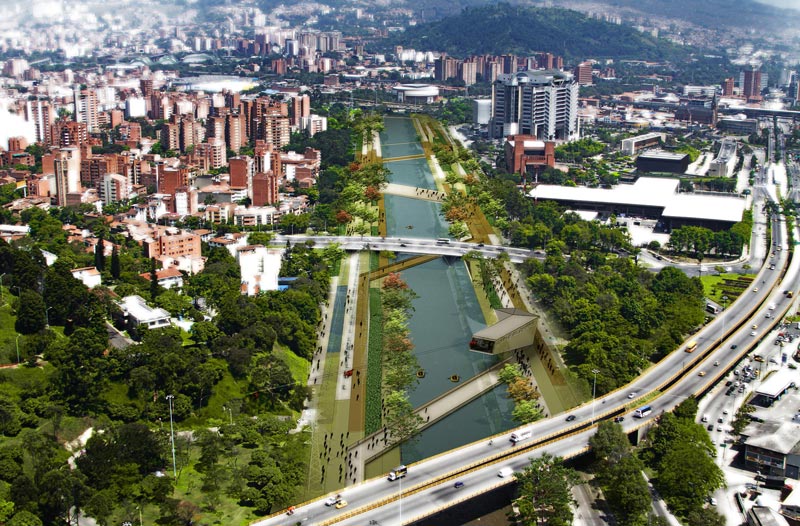
The Parques del Río project boasts lush green landscapes and convenient access routes.
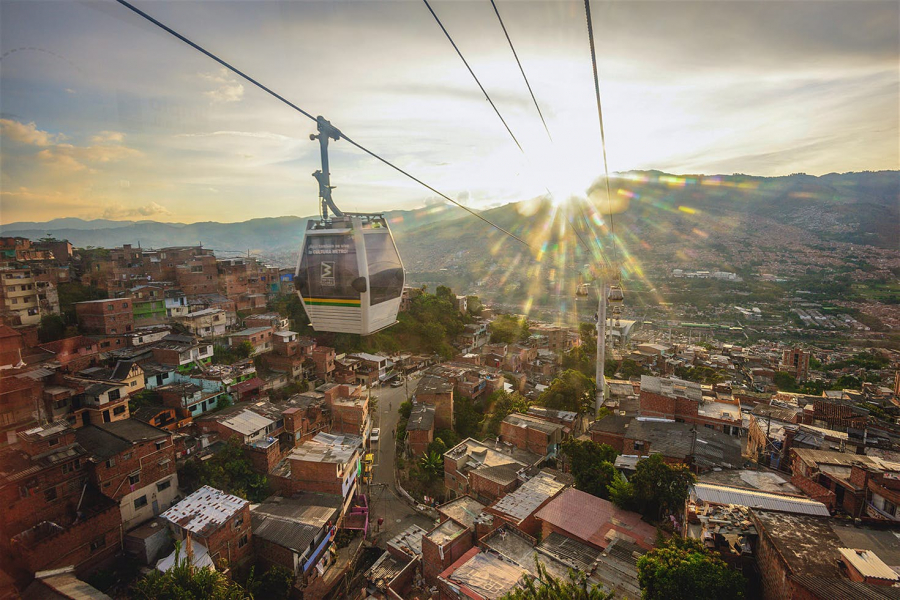
The cable car system serves as a means of transportation for people in remote areas of Medellín.
9. Singapore
Singapore is one of the happiest places on Earth. Calling itself the "City in the Garden," Singapore lives up to that name by protecting its water resources and green spaces through rigorous environmental policies; at the same time, its social programs continuously preserve the heritage of this multicultural society.
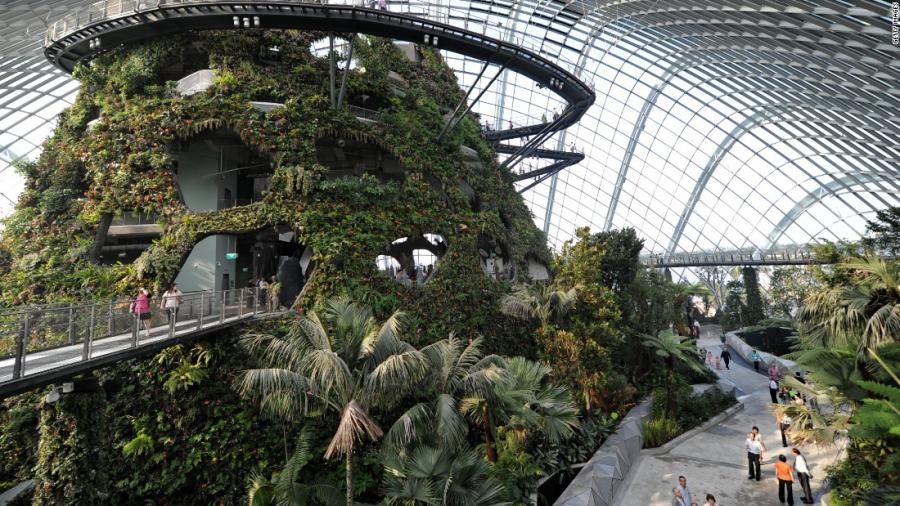
Singapore has a high percentage of green cover.
10. LIMA, PERU
Once simply considered a stopover on the way to places like Machu Picchu or Lake Titicaca, this city of 10 million people (one of the largest cities in Latin America) has now become a must-see destination in Peru. Lima boasts an internationally renowned culinary culture and unique, distinctive neighborhoods that highlight the regional influence and diverse culture of this country with a brilliant ancient civilization.

The Magic Water Circuit, a must-see attraction in Lima, is a musical fountain show.