VI
VI


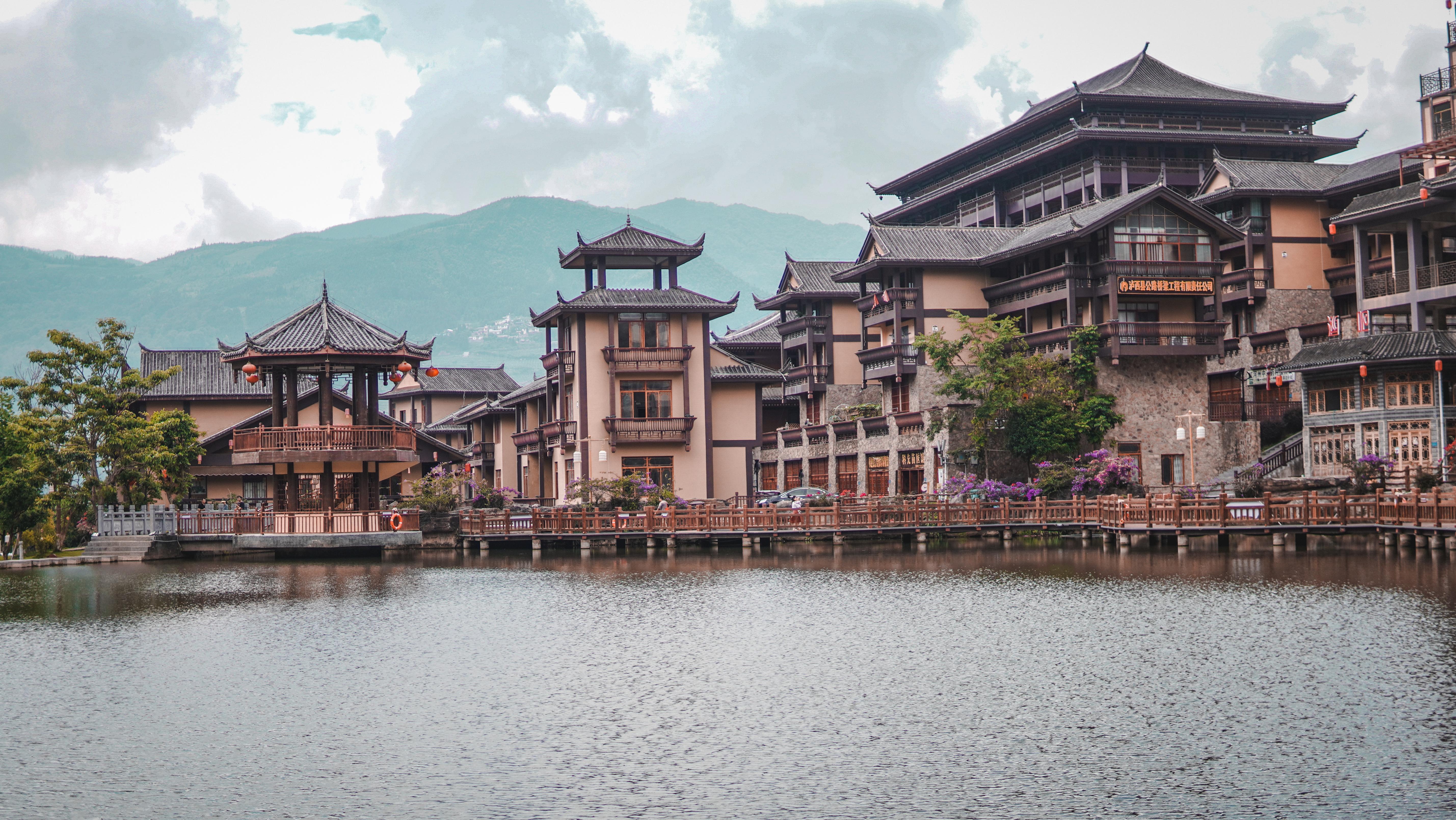
Yunnan is a province located in southwestern China, bordering Vietnam, Laos, and Myanmar. It is considered a destination for travelers who enjoy exploring peaceful lands, breathtaking landscapes, and renowned regional cuisine.
Hoang Thuy Duong (Duong Duong Blog) recently took a trip to explore four regions in Yunnan province: Jianshui, Dile, Mengzi, and Pingbian.
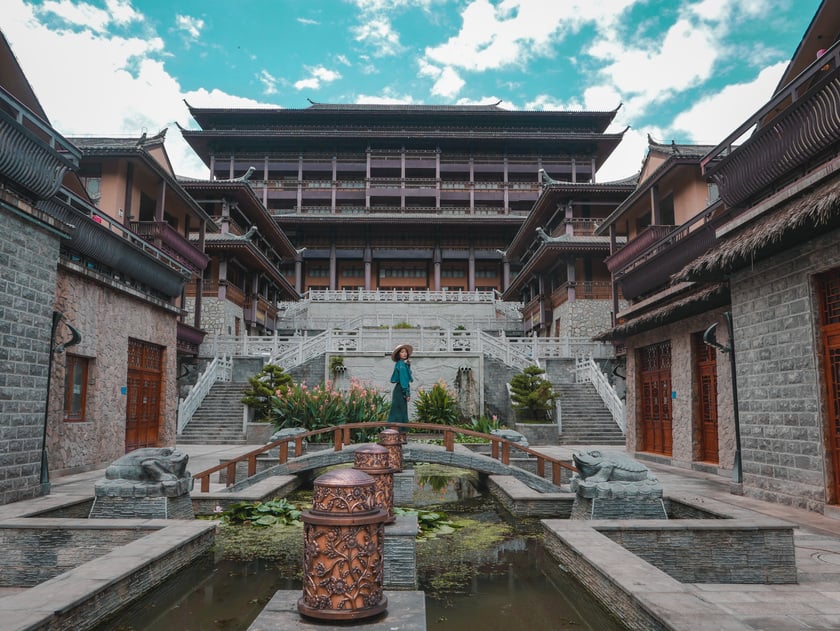
Duong Duong Blog recently took a trip to explore four regions in Yunnan Province: Jianshui, Dile, Mengzi, and Pingbian.
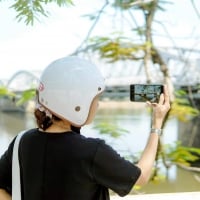
Sharing her thoughts on the trip, Thùy Dương felt: “This journey gave me many interesting and unexpected experiences, and I made incredibly lovely new friends. China is truly beautiful and has preserved its cultural identity very well. The ancient towns, although renovated, still retain their old charm, not giving me the feeling of being 'modernized'. The streets are incredibly clean and well-maintained; even the trash cans are designed to match the surrounding architecture and landscape. The roads are wide and spacious, with many lanes clearly separated for people with disabilities, quite similar to the streets in Japan.”
Although I've been to China many times, I always want to return because of its beautiful natural scenery, fresh air, rich culture, and the civility of its people, which have given me many memorable lessons."
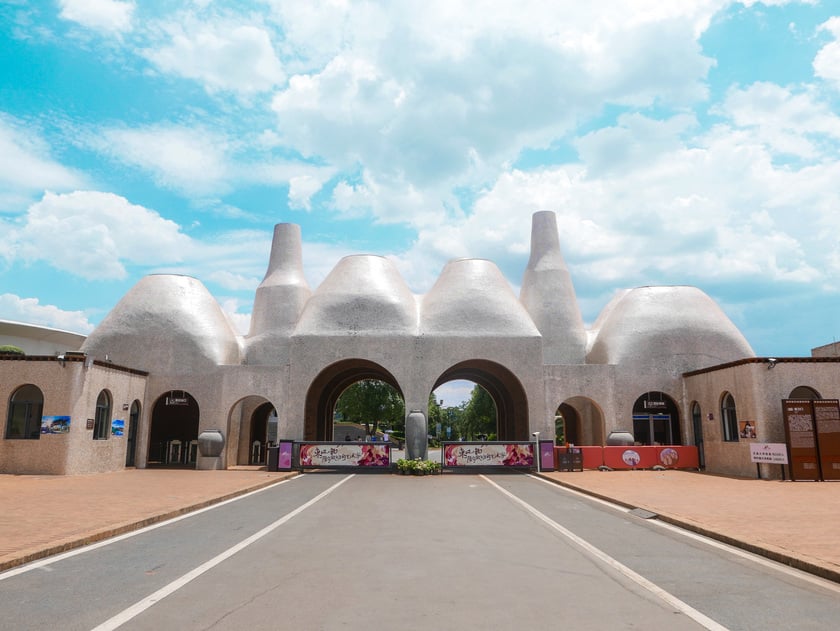
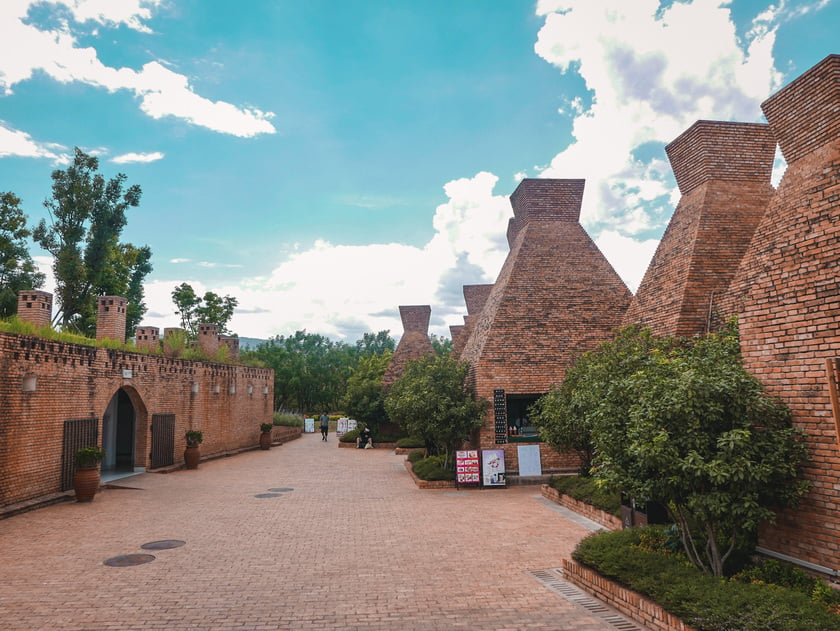
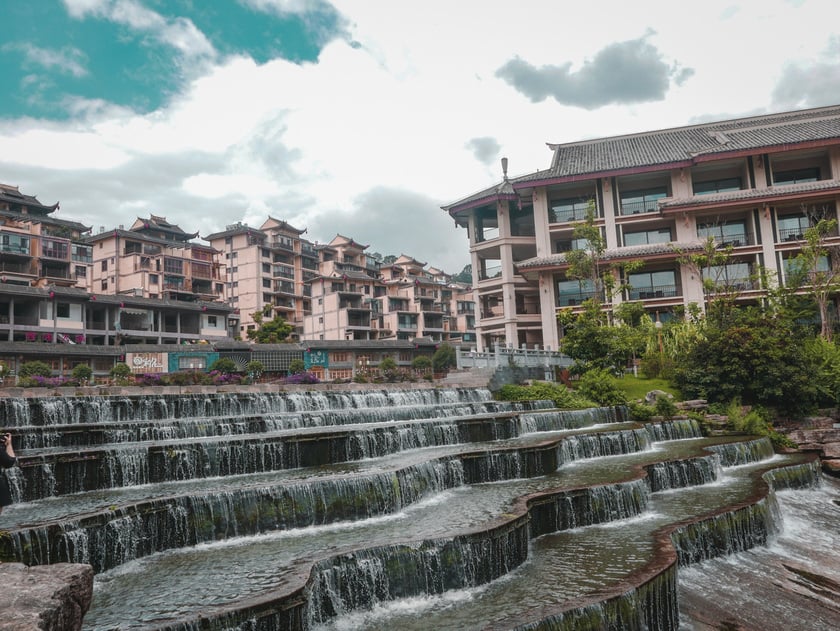
Yunnan is considered a destination for travelers who enjoy exploring peaceful lands, breathtaking landscapes, and renowned regional cuisine.
Kien Thuy
The first destination on Thuy Duong's journey to Jianshui was the ancient city of Jianshui and the Zhu Family Garden. Stepping out of the car, the majestic Chaoyang Tower stood before her, a place often referred to as a "Little Tiananmen Square," a source of pride for the Chinese people. Further inside was the Zhu Family Garden, a 20,000 square meter garden complex.2with a construction area of over 5,000 m²2There are a total of 214 houses and 42 terraces of varying sizes. Each ancient house is designed in the style of Chinese imperial palaces, as seen in historical dramas, providing plenty of photogenic spots for visitors to take pictures.
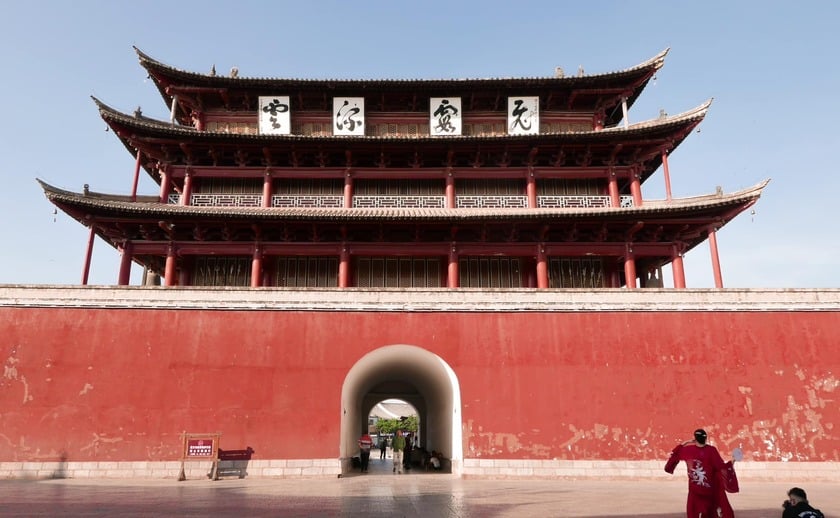
Kien Thuy Ancient Citadel
In the evening, experience the night market and food scene on Zidao Street. The area is beautifully illuminated at night, and offers a variety of Chinese dishes such as grilled meat, stinky tofu, grilled squid, special rose-flavored milk tea, and a selection of fruits. There are also household goods, pottery, and clothing available for purchase as souvenirs.
Visit Dai Ban village, see the ancient well, and try the crispy tofu that tastes like pork cracklings. Drink the soy milk with bean curd made from water from the thousand-year-old well; it has a very fragrant and rich flavor.
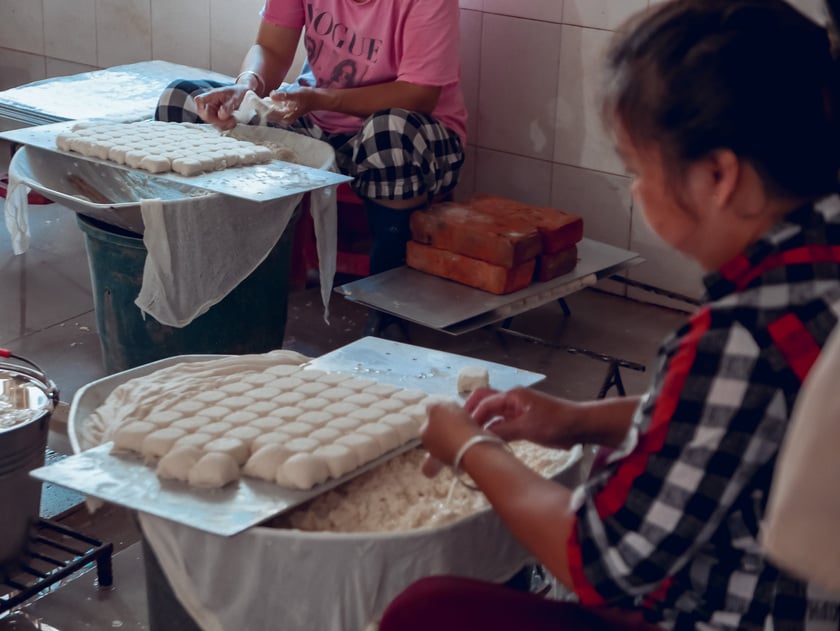
Tofu in Dai Ban village, Kien Thuy
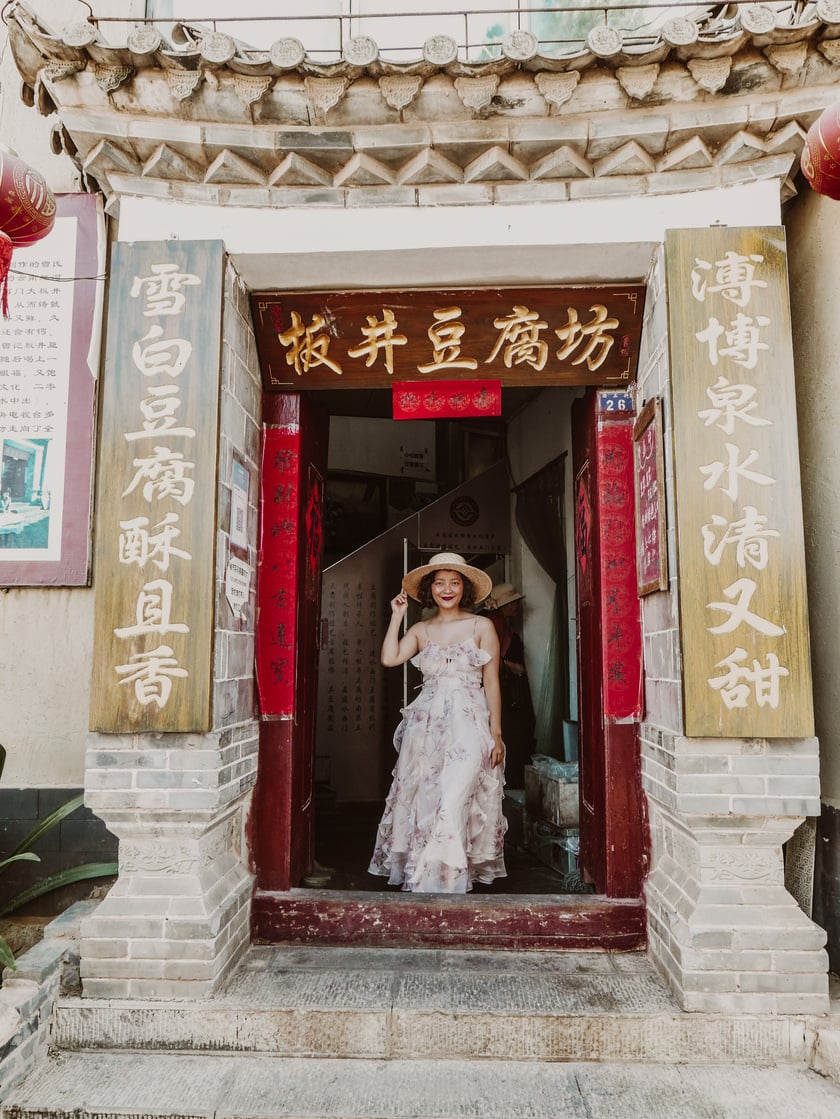
Dai Ban village in Kien Thuy specializes in making stinky tofu using water from a thousand-year-old well.
Maitreya
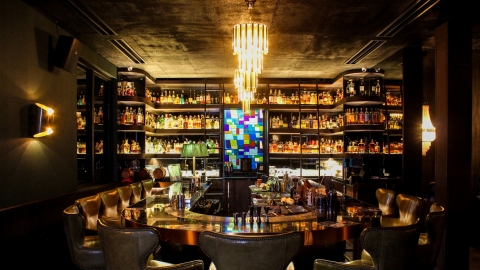
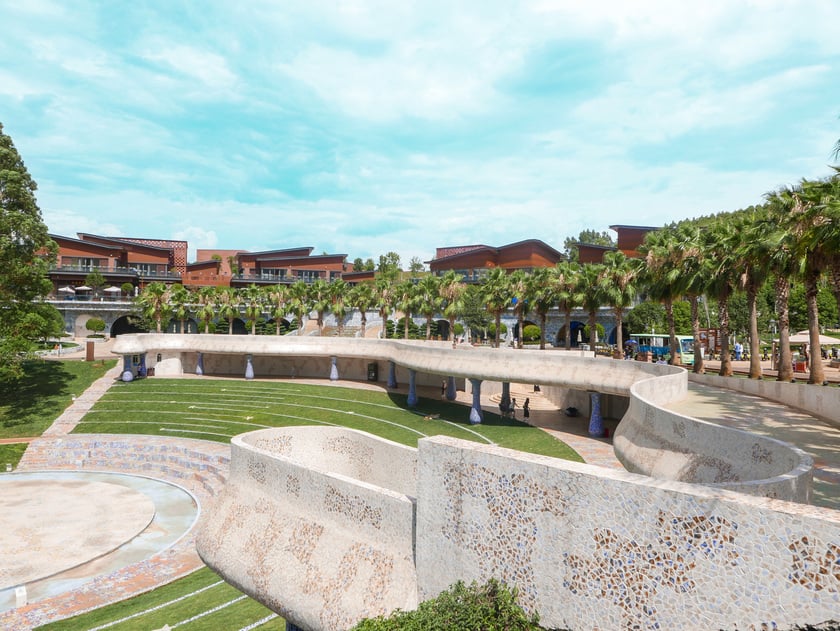
Maitreya is a famous paradise known for having the largest wine cellar in Yunnan. The distillation process uses traditional recipes and wooden barrels imported from France. Beyond sightseeing, you can also enjoy wine tasting right in the cellar, with the aroma of grapes filling the entire space.

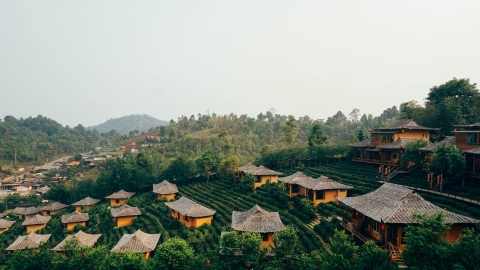
In Yunnan, pottery villages are considered a must-see cultural attraction for tourists. Dongfengyun is one of the oldest pottery villages of the Miao ethnic group, featuring architectural structures built with red fired bricks and clay. It also boasts a vast and romantic expanse of vibrant purple lavender fields, often described as a miniature Provence in France. Enchanted by the scenery, Thuy Duong spent two hours taking photos and capturing memorable moments.
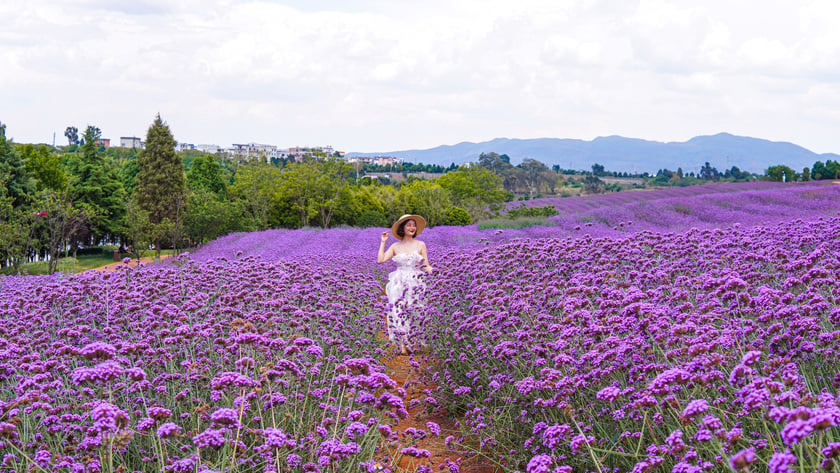
The dreamy purple hue of lavender flowers at Dongfengyun, Maitreya
In Maitreya, a romantic spot to watch the sunset by the lake is Taiping Lake. Surrounded by various flowers, most notably the dreamy pink flower slopes, the cactus garden, the princess flower painting by the lake, and the vast green lawns.
Thuy Duong encourages visitors to spend more time here experiencing thrilling activities like go-karting and water slides… and also to try the delicious and affordable sausages and fries.
Chinese hot pot and dishes made with flowers are a special feature when traveling to Maitreya. The hot pot is divided into two compartments: spicy and non-spicy, with generous toppings of tender braised meat. There's also refreshing rose water to drink after the meal, making everything taste even better. "My favorite is the sour fish soup sprinkled with fragrant rose petals, stimulating the senses, and the Doraemon-themed pancakes with rose petal filling. They smell so good! I'm obsessed with the rose-based dishes here!" Thuy Duong recounted.
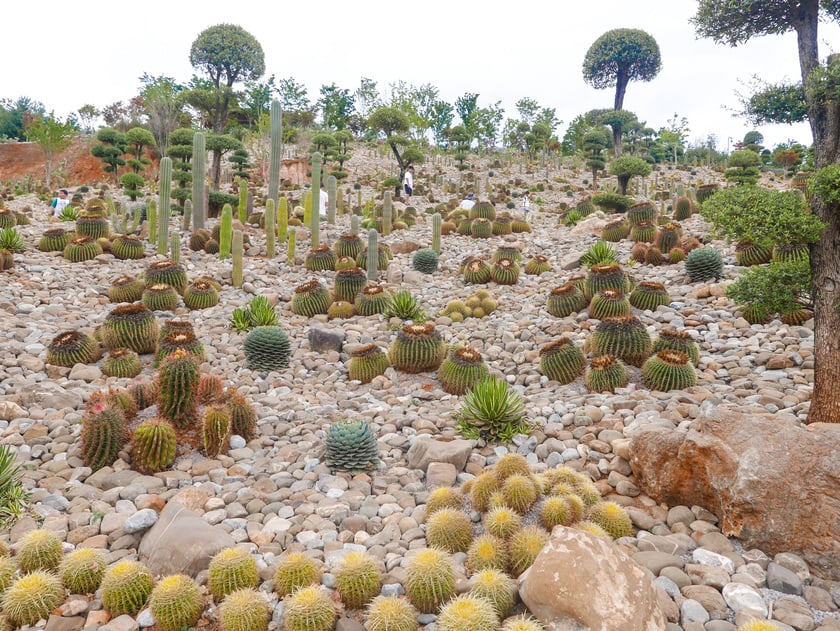
Cactus garden at Taiping Lake, Maitreya
Mong Tu
This area is primarily used for growing peaches, loquats, pomegranates, etc. Tourists can visit the Wanmou Pomegranate Garden and the Zhuzi Pavilion - a famous tourist attraction in Mengzi with traditional architecture and exquisite landscaping.
A unique experience when visiting Mengzi is eating the local specialty, "Crossing the Bridge Noodles." The enormous bowl of noodles, likened to a "washbasin," is topped with nearly 20 different toppings. The Chinese believe that eating this noodle soup before an exam brings good luck and success. Thuy Duong added that this was the best, highest-quality, and most impressive bowl of noodles she had ever tried during her trip.
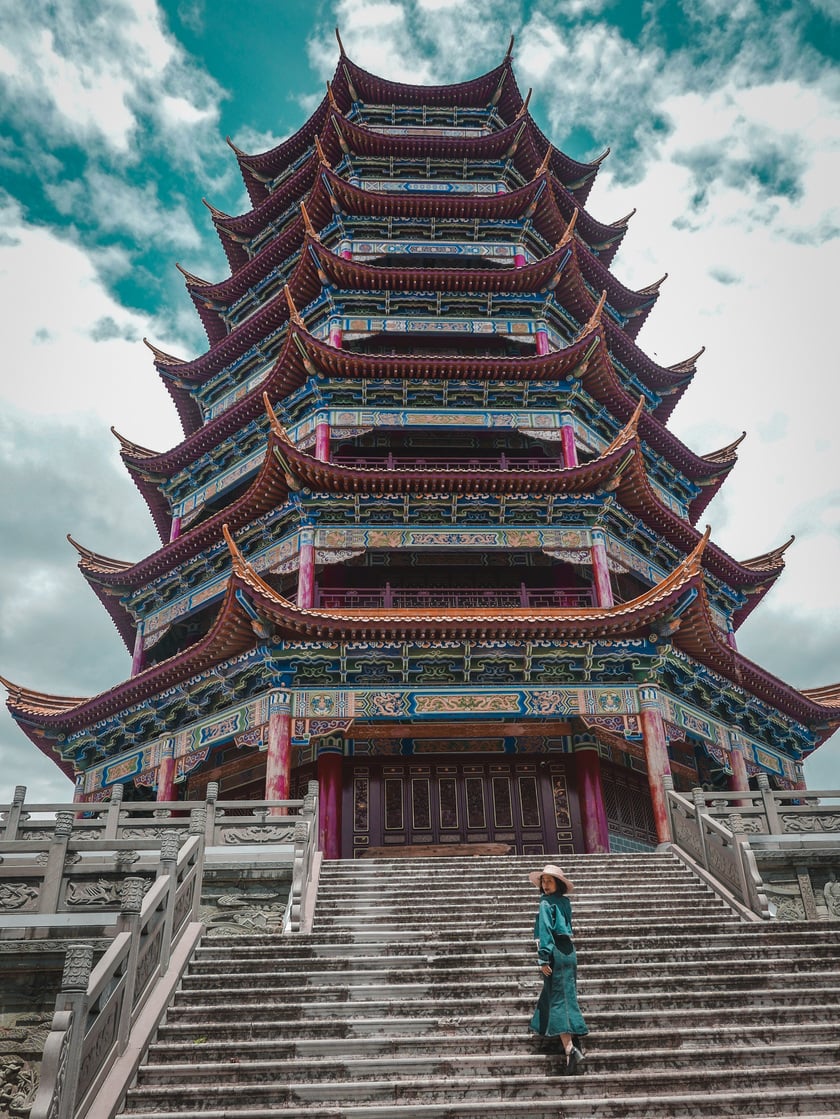
Mong Tu - Chu Tu Tower
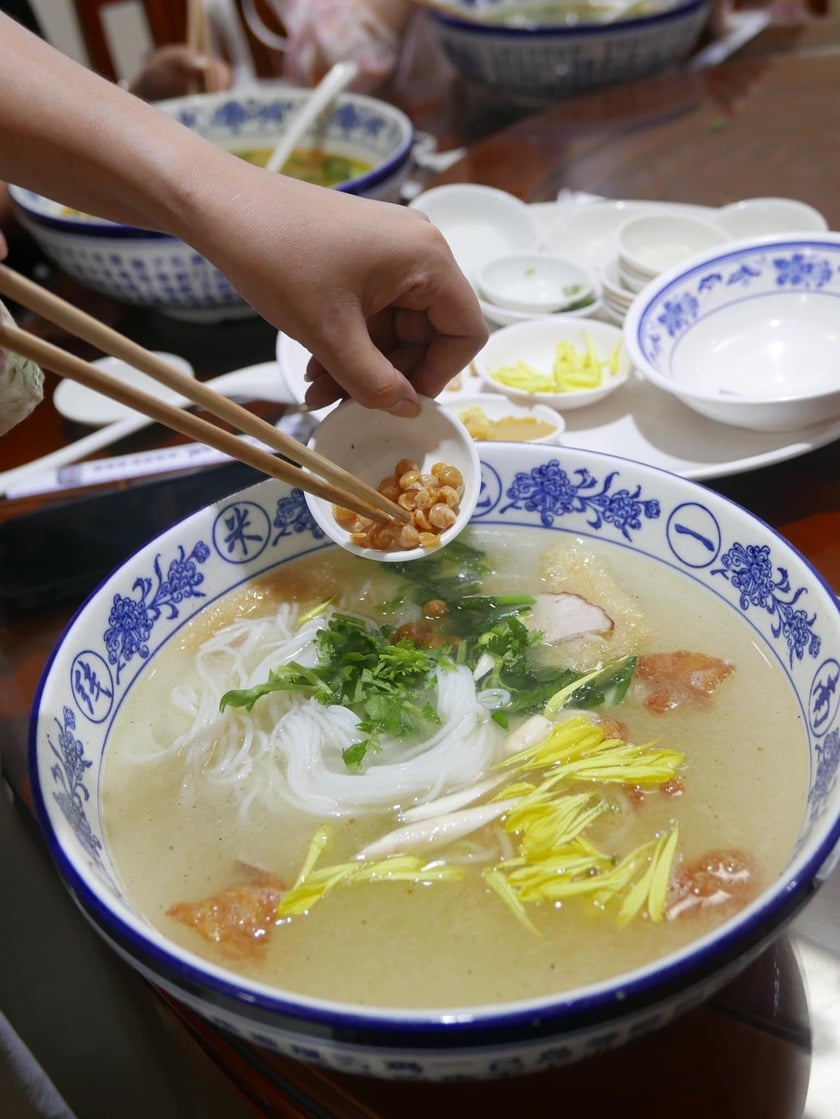
Bun qua cau
Binh Bien
In Bingbian, you can visit famous places such as the Miao Village of Tishui, the Pottery Street, Dawei Mountain Primeval Forest Park, Lingyu Temple, the weaving village, and the Light Park… all possessing an ancient, pristine beauty, largely untouched by tourism.
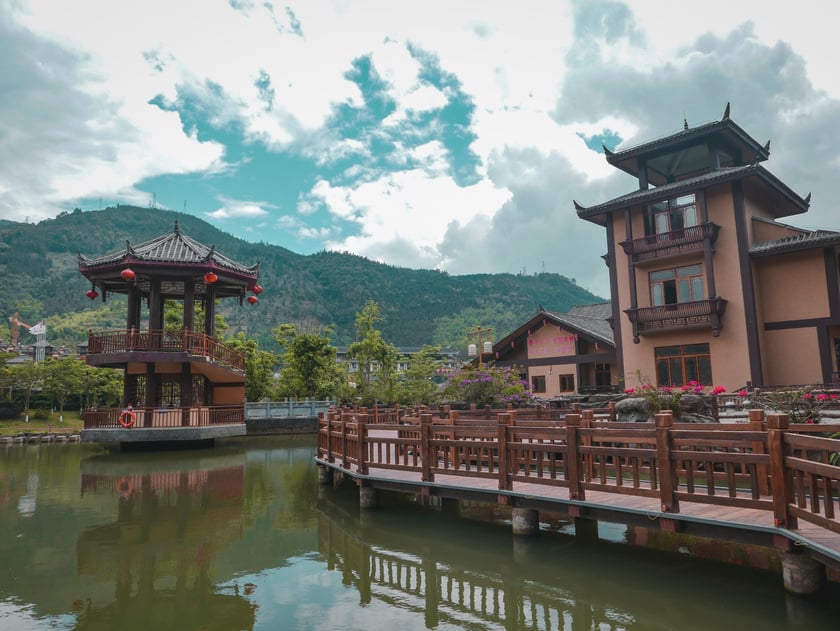
Miao Tishui Village, also known as "Little Phoenix Ancient Town," offers a refreshing, clear blue sky and a pleasant stroll along the wooden bridge surrounding the lake, flanked by rows of ancient Chinese-style houses with arched roofs.
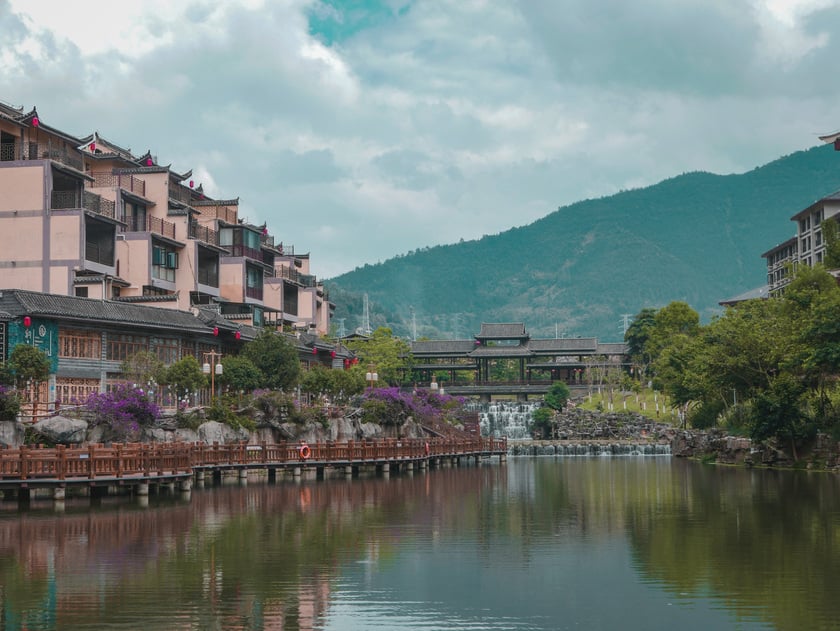
Miao Tishui Village in Pingbian
Travel experiences at 4 locations in Yunnan Province, China
Jianshui, Miler, Mengzi, and Pingbian are four destinations in Yunnan Province, China. From Vietnam, you only need to cross the Lao Cai border gate with a travel permit for quick customs clearance. The cost for a 3-day trip from the Lao Cai border gate is approximately 3.5 - 4 million VND.
Pack your bags.
Clothes:Pack light clothing because it's hot in China at this time of year, but not as intensely hot as in Vietnam. The higher altitudes are quite cool and breezy, similar to Sa Pa. Bring a hat, umbrella, light jacket, sunscreen, and sunglasses to protect yourself from the sun. The tourist attractions are quite large, so there's a lot of walking; wear comfortable, low-heeled shoes or sandals.
Accessory:Always carry a power bank and a mini fan because people here are used to hot weather, so some restaurants don't have fans or air conditioning.
Exchange currency and SIM card:Exchanging cash in China is more convenient than in Vietnam. Just exchange about 500 yuan (approximately 1.6 million VND) and that should be enough for food and shopping. There are currency exchange services right at the border crossing. Since Vietnamese SIM cards don't work, you'll need to buy a 3G SIM card (around 240,000 VND) to connect to the internet. Buying a SIM card is necessary if you're traveling independently, but not if you're on a tour, as it's mainly for communication if you get lost. There will be Wi-Fi at your hotel and restaurants.