VI
VI


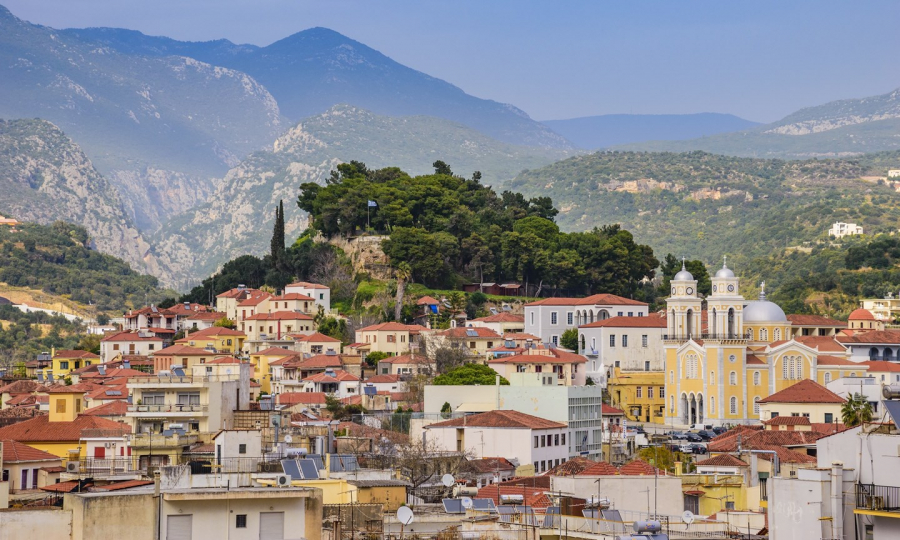
The picturesque old town of Kalamata
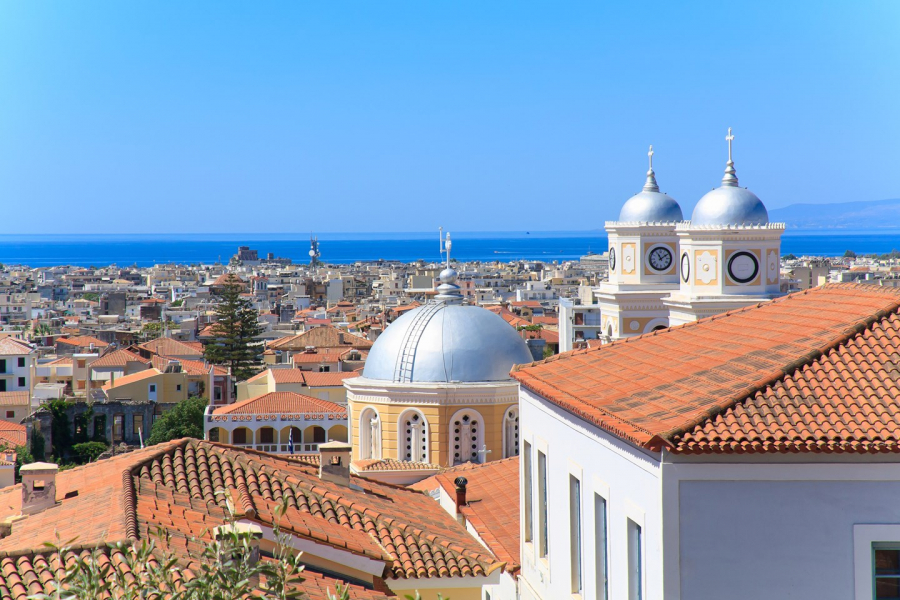
Located north of the city, just below the castle, the old town of Kalamata comprises clusters of churches and craft shops, all hidden within a labyrinth of cobblestone streets.
One of the most important churches in Kalamata is the Agioi Apostoloi Church, with a long and complex history. It was the site of an uprising against the Turks that began in 1821, and its walls are lined with paintings and icons that are hundreds of years old.
Meanwhile, the Ypapantis church is a favorite spot for locals to hold baptisms and weddings. Next to the church is a convent where 17 nuns live and work, producing silk headscarves using traditional looms.
City of Museums
Kalamata boasts numerous historic museums. The Archaeological Museum offers an overview of the region's history, showcasing artifacts from historical sites such as the old town of Messini. The War Museum documents past combat tools and methods. The Folklore Museum displays Kalamata's traditional arts and crafts.
Messini Old Town
Built in 371 BC by Theban General Epaminondas, the ancient town of Messini was designed to protect the local population from the Spartans. A 9-kilometer-long wall was constructed along the mountain ridges, surrounding a thriving town that included a theater, a treasury, and a sanctuary. Large archaeological sites such as the Olympia and Epidavros are located on a hillside, just below the village of Mavromati. Visitors are best off visiting in the morning or afternoon, when the sun is less intense.

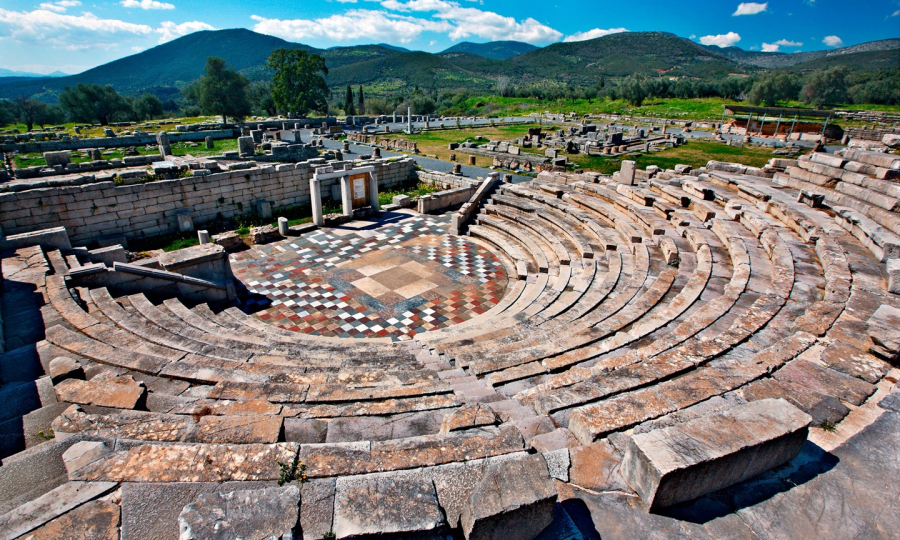
Visitors can also wander through the Opera House, stop at the agora (market), or sit in the stadium, one of the most well-preserved in Greece. Excavations are still ongoing, and each year more treasures from this 2,300-year-old historic city are discovered.
Beautiful golden beaches
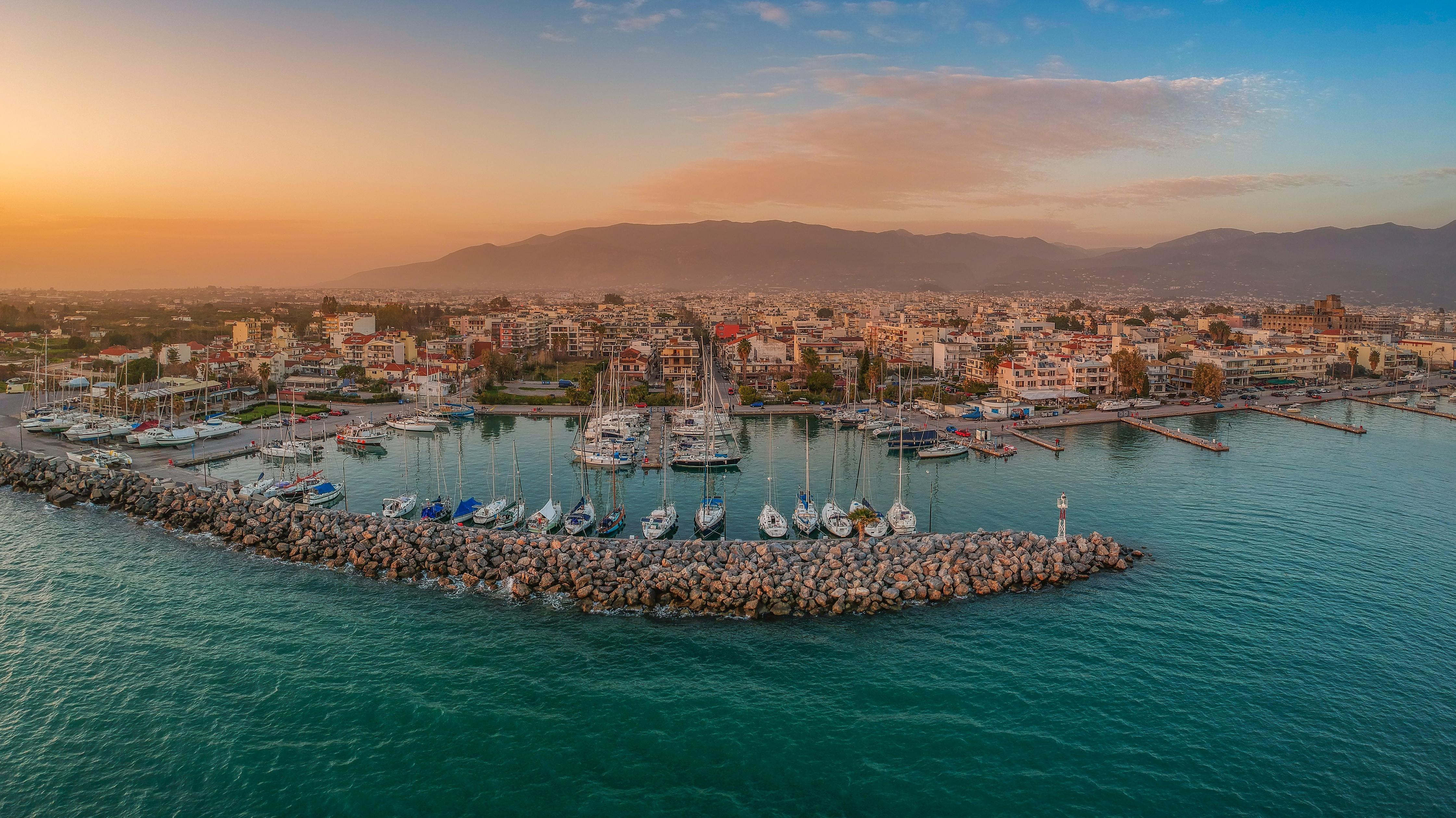
Kalamata is surrounded by nearly 4 km of golden sandy beach and lively bars and restaurants. Water sports are also available, including guided snorkeling tours and scuba diving courses approved by the Professional Association of Diving Instructors (PADI).
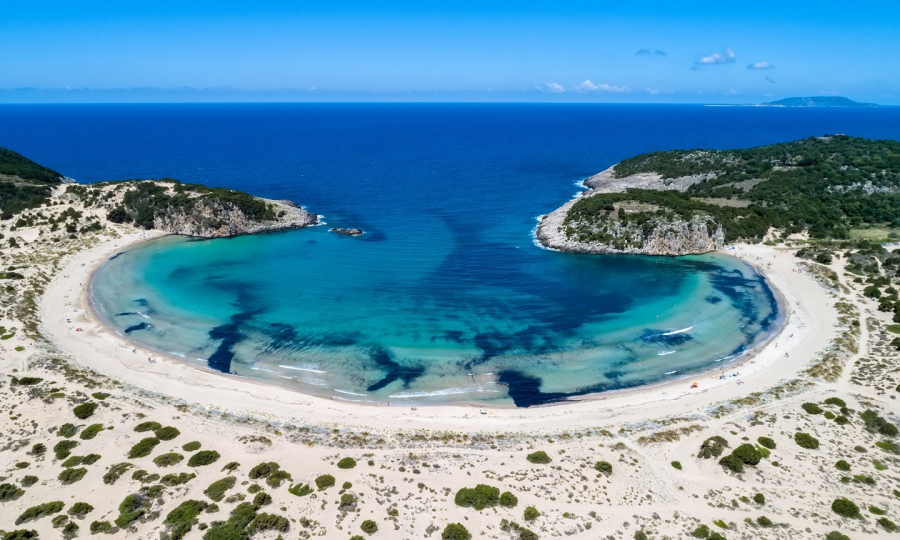
The city is situated right on the coast of Messinia, making it very convenient for tourists to explore. In addition, there are several beaches located in secluded bays, such as Foneas Beach in West Mani and especially Velika Beach in Voidokilia Bay, near Pylos. This beach was featured in Homer's famous epic: The Odyssey.
Kalamata Castle
Kalamata Castle, situated on a small hill at the back of the old town, is one of the city's most popular tourist attractions. Built by the French in the 13th century, the castle served as a sacred meeting place for locals during the revolution against the Turks in 1821 and remained intact after the 1986 earthquake.
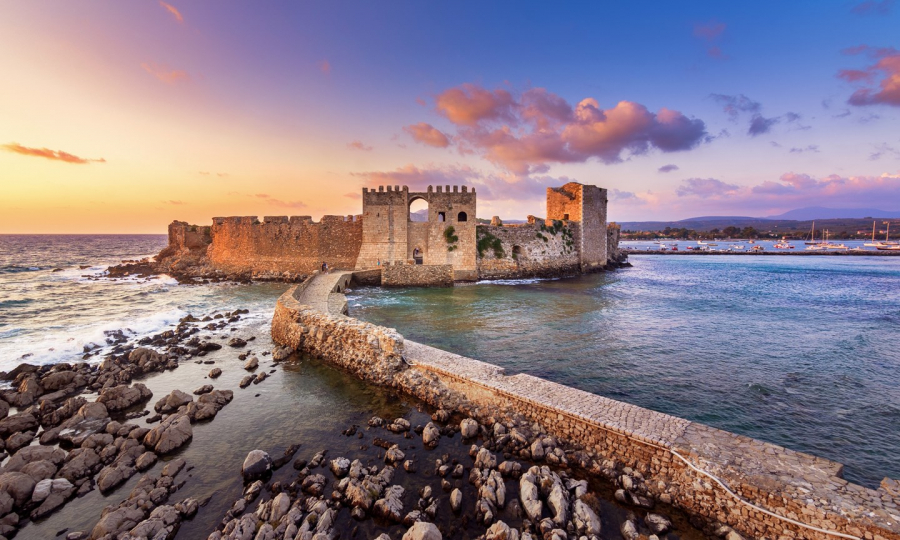
The area surrounding Kalamata Castle boasts several other impressive castles well worth visiting. Methoni Castle occupies a small island near the port town of the same name and is situated next to an octagonal tower. Pylos Castle sits atop a hill near the city center and was designed by the talented architect Franks.
Delicious olives and local produce.
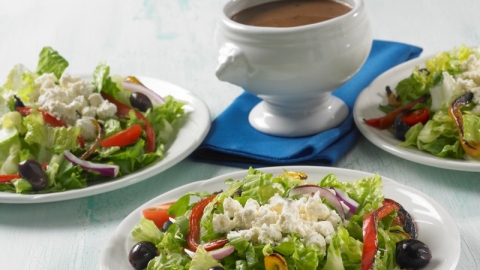
Olive trees have been cultivated in this region of Greece for over 3,600 years. The Kalamata black olive is the most well-known variety, so visitors can take a tour of a local production facility to sample olives and get a bottle of extra virgin olive oil. Most local production facilities remain small-scale and family-run.
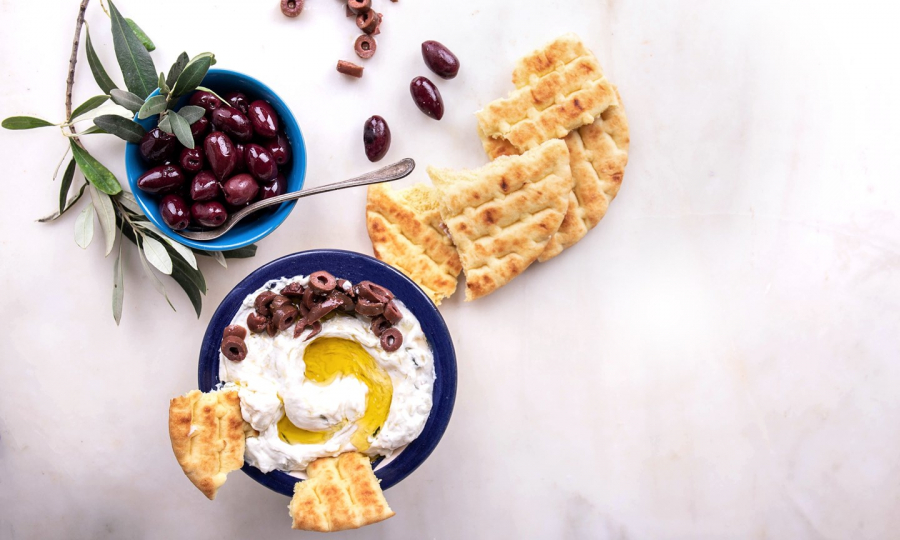
Visiting the heart of Kalamata, tourists will have the opportunity to encounter over 450 producers and vendors selling a wide variety of fruits and vegetables, including Kalamata olives every Wednesday and Saturday. You'll also find other local delicacies, including sfela cheese (a semi-hard cheese made from sheep's or cow's milk), honey, lalagia (a type of fried dough), and Poliani apples.






.jpg.jpg)