VI
VI


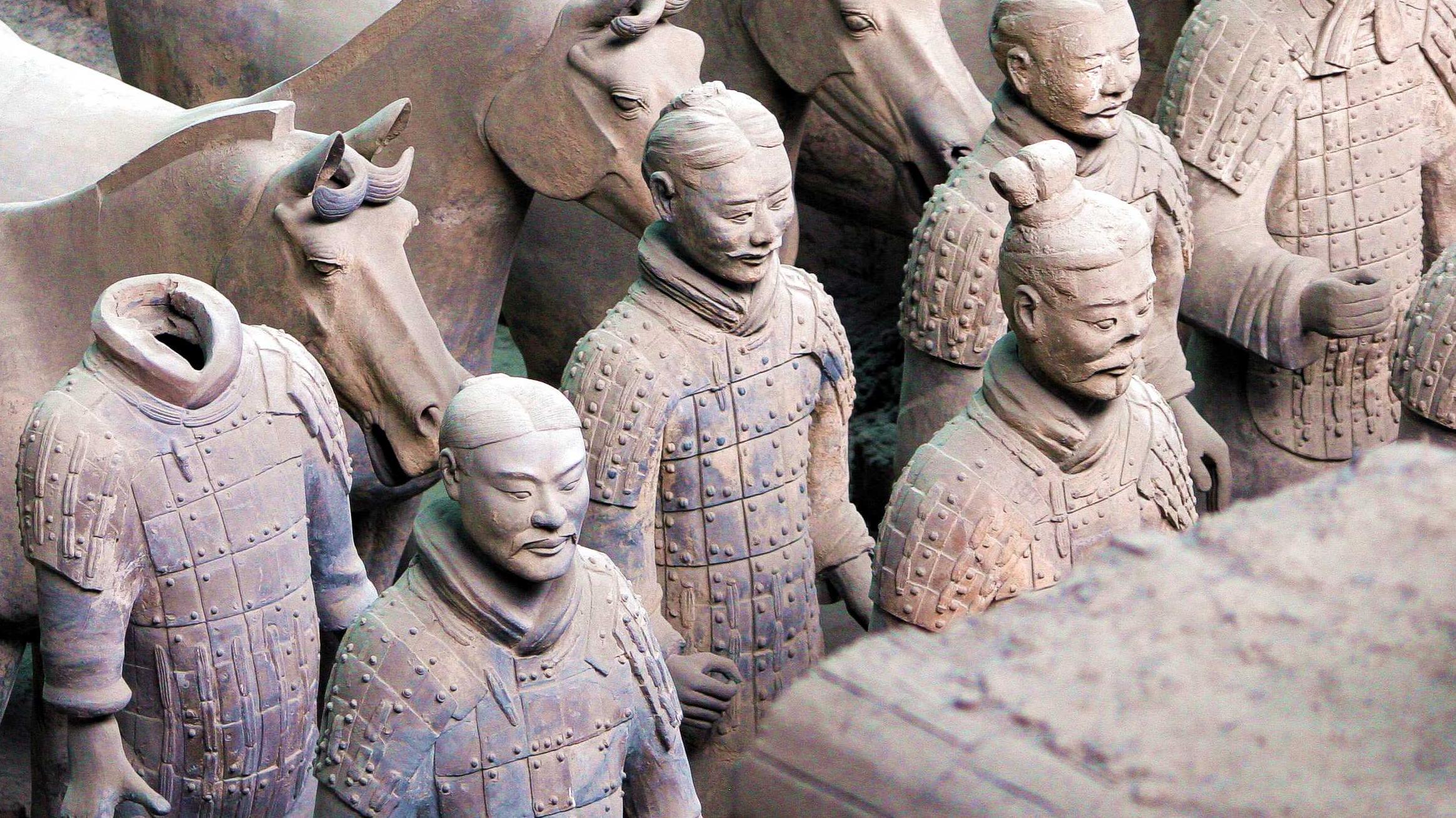
1. Terracotta Army Museum
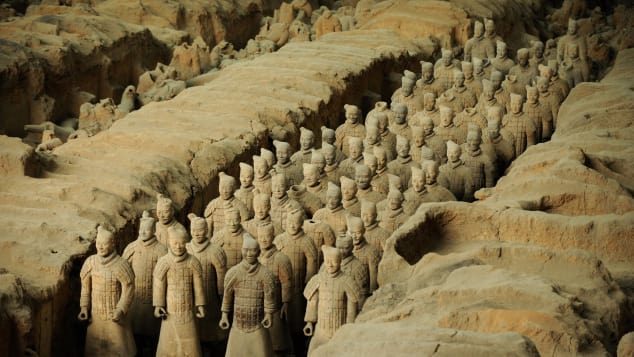
The Terracotta Army is one of the greatest archaeological discoveries of the 20th century, listed by UNESCO as a World Heritage Site and considered the eighth wonder of the world. It is the burial site of 8,000 warriors and horses, and approximately 10,000 bronze weapons, interred with Emperor Qin Shi Huang of the Qin Dynasty in the 3rd century BC. Excavations at this site are still ongoing.
2. Big Wild Goose Pagoda
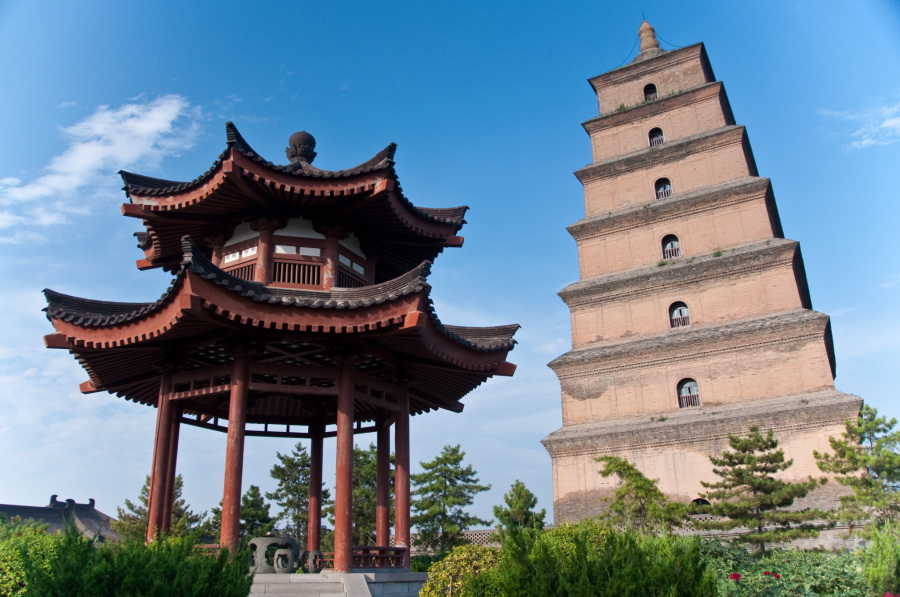
Much like the Statue of Liberty in New York or the Eiffel Tower in Paris, the Big Wild Goose Pagoda is one of Xi'an's most iconic architectural landmarks.
The tower, 64 meters tall, was built 1,300 years ago when Xi'an was the capital of the Tang Dynasty. The top overlooks the old town – a bustling, grid-like streetscape blending ancient architecture with modern high-rise buildings.
The pagoda was built specifically for Xuanzang, a great Buddhist master of the Tang Dynasty, to house Buddhist scriptures and statues brought from India. His life story has been fictionalized in a famous Chinese novel.Journey to the West.
3. City Wall
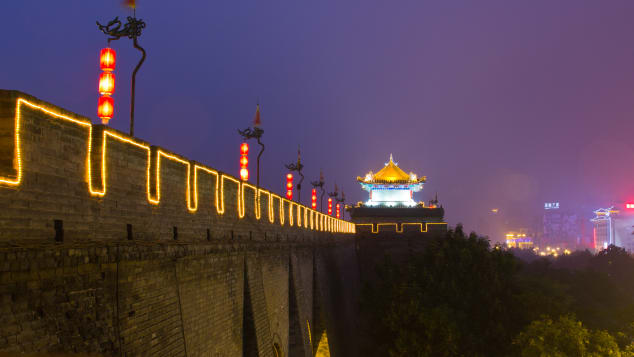
Built over 600 years ago during the Ming Dynasty, the Xi'an city wall is one of the best-preserved structures in China. And the most convenient way to explore the wall is by bicycle.

Visitors are allowed to cycle along the 15-meter-wide city wall. Cyclists will get a unique view of the city – on one side, the ancient town of Xi'an from the past; on the other, the skyscrapers of the present and future.
4. Hanyang Mausoleum Museum
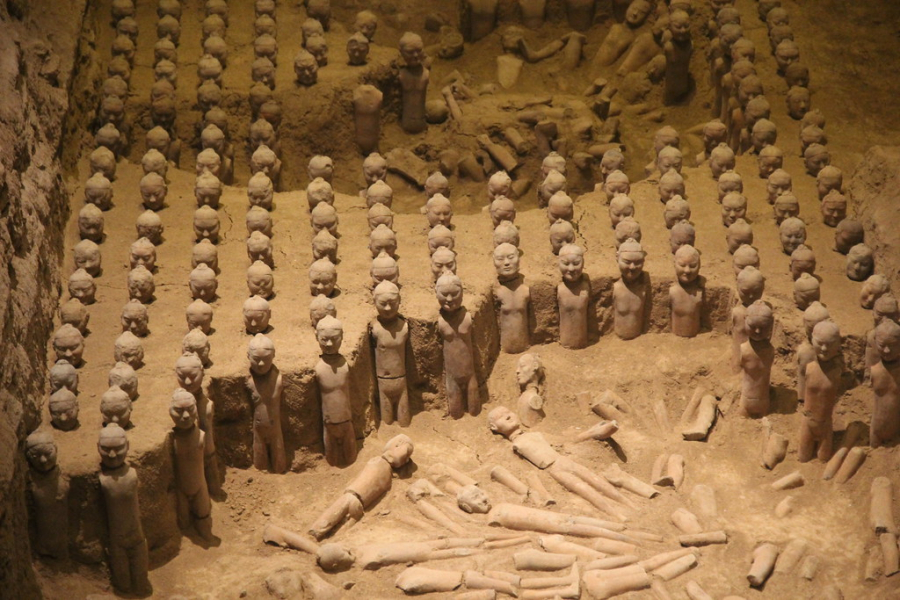
Hanyang Mausoleum is an underground museum, originally the tomb of Emperor Han Jing of the Western Han Dynasty (188-141 BC). Built in 126 BC, Hanyang Mausoleum contains more than 80 smaller tomb chambers. Although not as large in scale or number of terracotta statues as the Mausoleum of Qin Shi Huang, the statues at Hanyang Mausoleum are more detailed and exquisite: they depict soldiers holding weapons, women weaving cloth, and livestock such as dogs, horses, pigs, and sheep.
5. Hoa Son
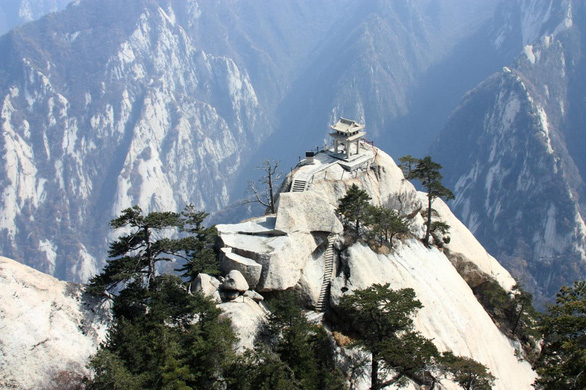
Located 120km east of the city, Mount Hua is one of the Five Sacred Mountains and also the most treacherous, with a wooden boardwalk carved directly into the cliff face halfway up the mountain, which is over 2,000 meters high, with no protective railings while a sheer drop looms below.
Typically, visitors take a cable car to the northern peak and then conquer the remaining four peaks to the east, south, and west of Mount Hua along the plank road, a wooden trail built along a sheer cliff face more than 1,000 meters above the ground. The plank path is 50 meters long and only 50 centimeters wide.
6. Muslim Quarter
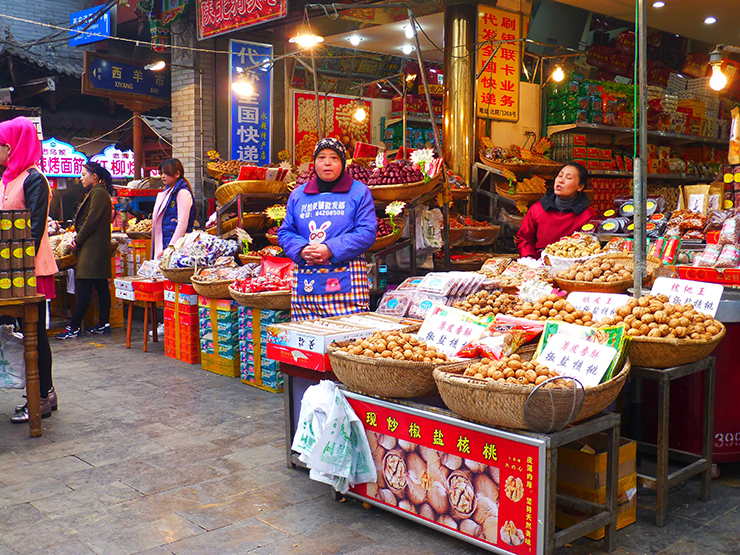
Chinese historians believe Xi'an was the starting point of the Silk Road, the ancient trade route connecting China with the Middle East and Europe. From cuisine to clothing, Xi'an is deeply influenced by Islamic culture.
Xi'an's Islamic heritage is located in the Huizhou district, the heart of Xi'an's old town. This area boasts 10 mosques and over 20,000 Hui residents. It is also one of the best food streets in Xi'an.
7. Shaanxi Provincial History Museum
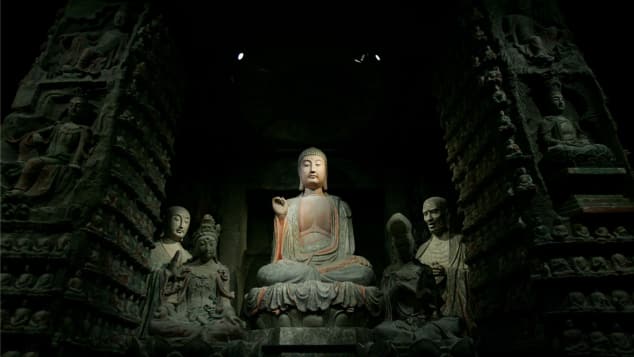
The Shaanxi Provincial History Museum is an ideal place to learn about Chinese history, especially the Tang Dynasty.
This museum displays approximately 370,000 archaeological artifacts discovered from the Stone Age to 1840, including murals, paintings, pottery, coins, bronze objects, silver objects, etc. Most of the artifacts have descriptions in English, so you can easily find information about them.