VI
VI


1. Package tours
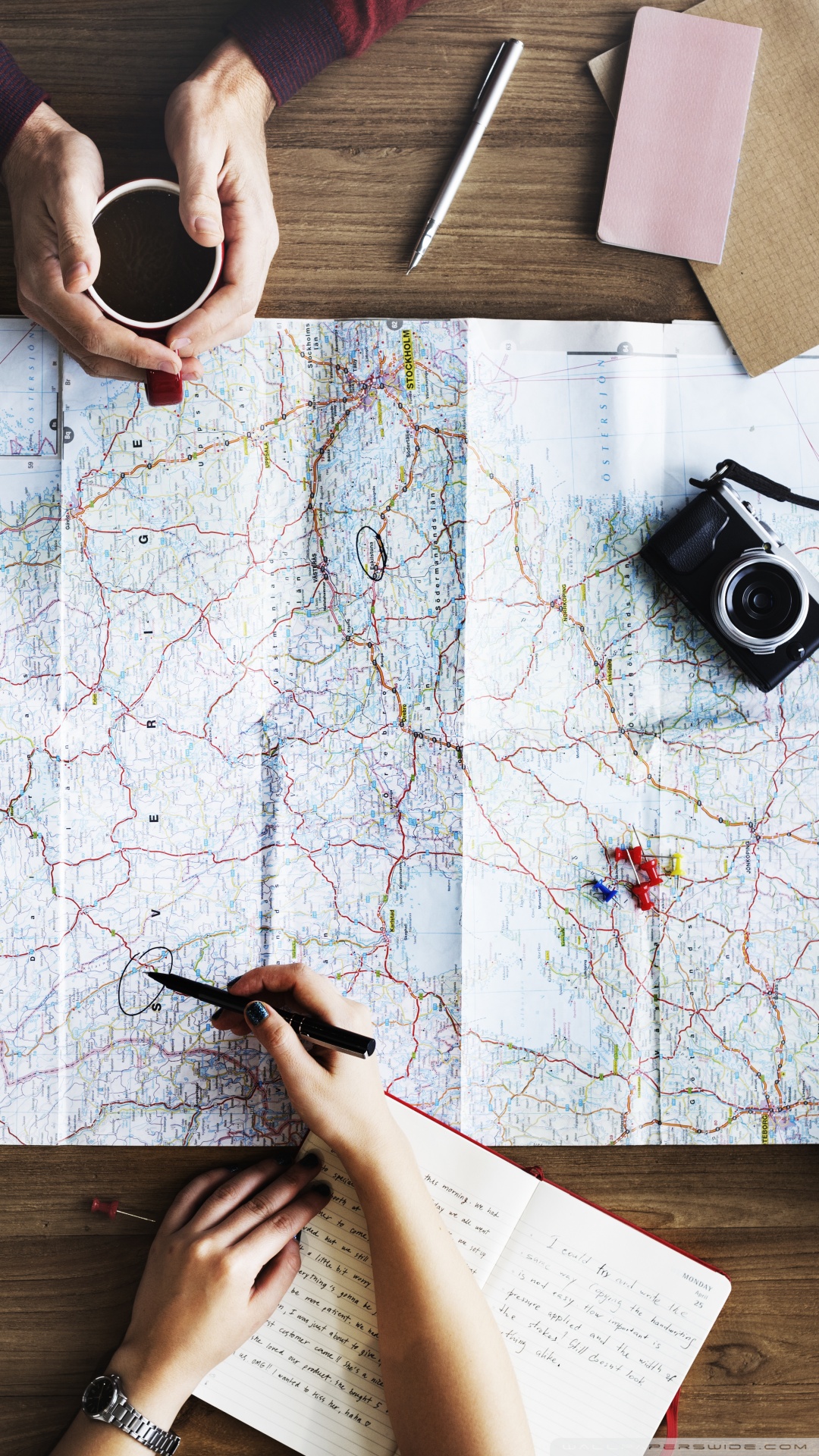
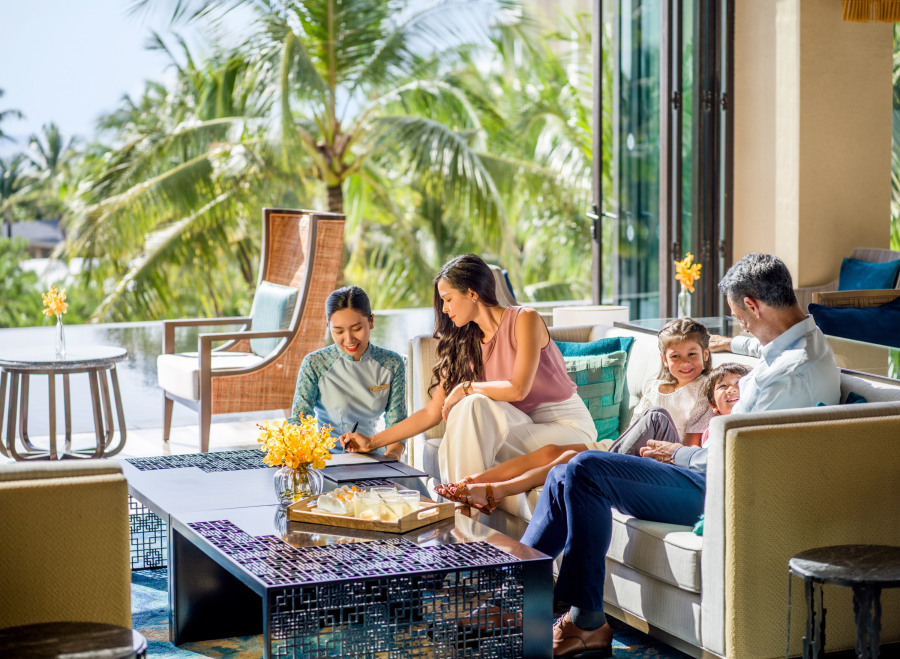
If you pay attention, you'll notice that airlines, car rental services, and accommodations often collaborate to create major discounts throughout the year, or even offer free services to certain special customers. Buying these travel packages can be significantly cheaper than booking each service separately. Families and couples planning a vacation should research travel packages before making detailed plans for their trip.
2. Consider airline baggage fees.
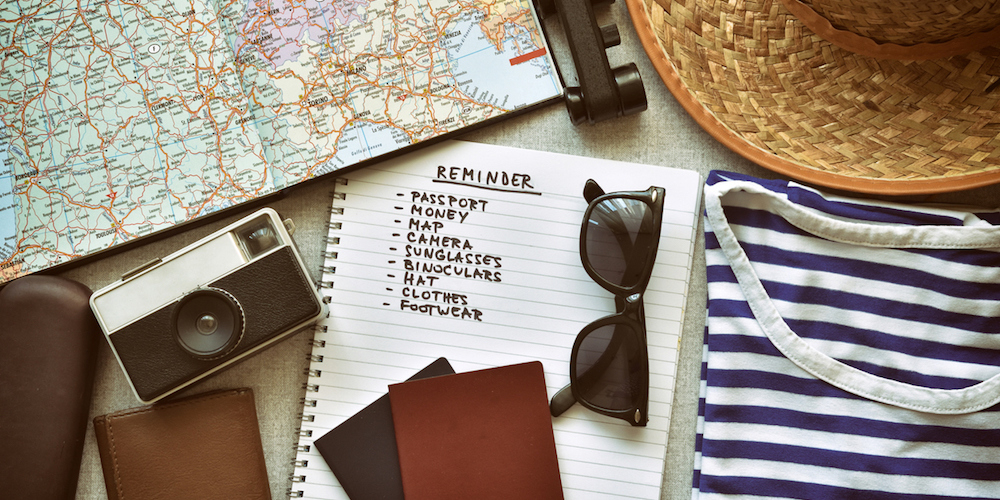
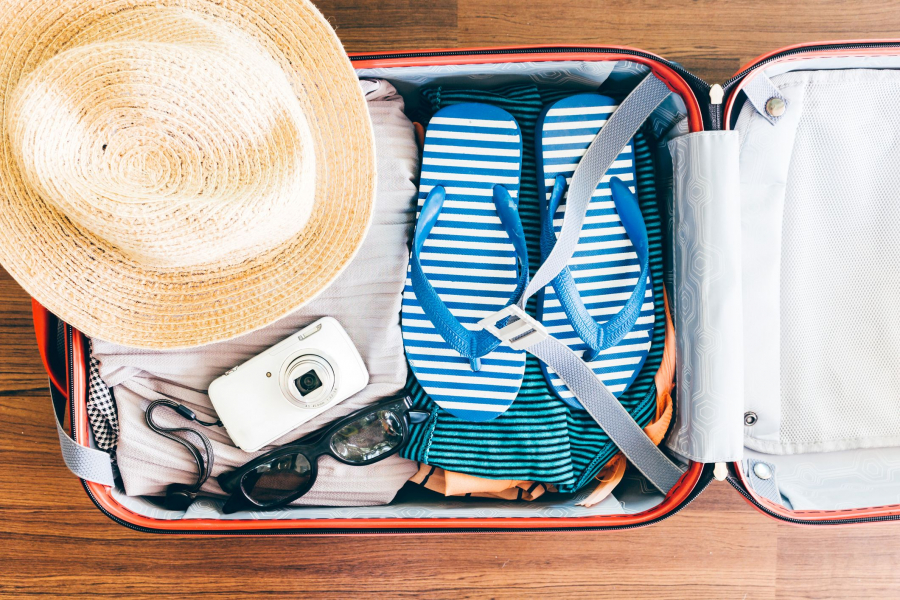
It might sound unrelated, but packing your luggage neatly (if traveling by plane) can save you a significant amount of money. Each airline allows passengers to carry a certain amount of free baggage allowance; exceeding that limit will, of course, incur extra charges. Therefore, by packing lightly and neatly, you can avoid these additional fees. Remember: research the maximum weight you are allowed to carry and (possibly) weigh your luggage at the airport to be sure, in case you are fined at the airport gate.
3. Book tickets in advance/book a round-trip ticket
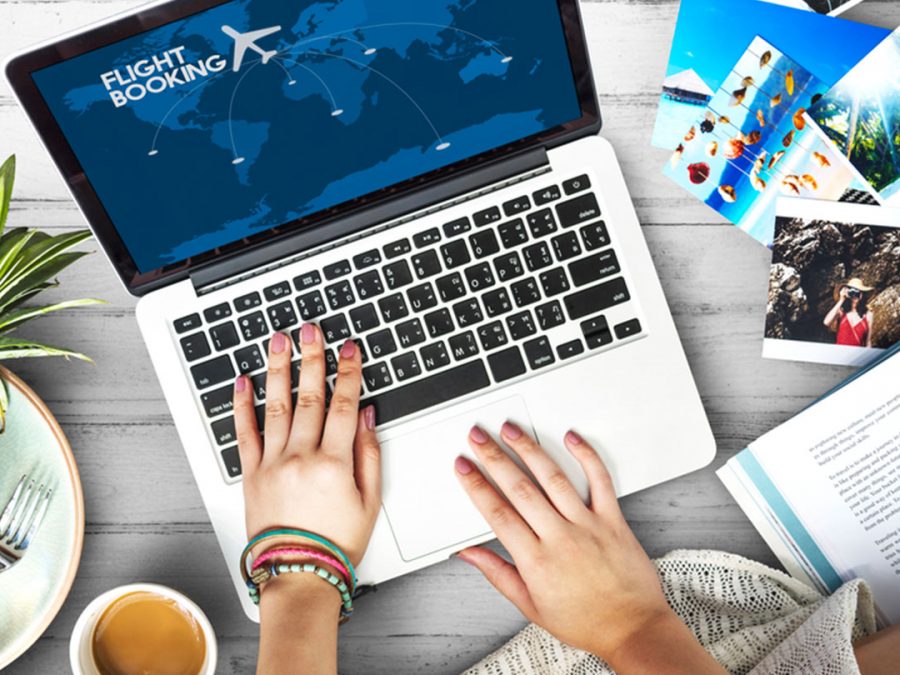
Not only airlines, but also long-distance bus and train services offer discounts for customers buying round-trip tickets. If you have already agreed on your travel schedule, travelers should book round-trip tickets to get a discount. Additionally, if traveling by plane, booking in advance gives you a chance to snag tickets for 0 VND or significant discounts. With road and train travel, this opportunity is less frequent; however, booking in advance offers the advantage of choosing your seat.

4. Local tourism
Vietnamese people love traveling abroad or to famous tourist destinations, especially those far from their homes. However, traveling long distances or flying across oceans can be very expensive, while the time spent exploring is short and doesn't provide the full satisfaction. Therefore, local tourism or trips to the suburbs of the city are gradually becoming a new trend for families and young people, as they have places to relax on weekends without worrying too much about the cost.
5. Group travel
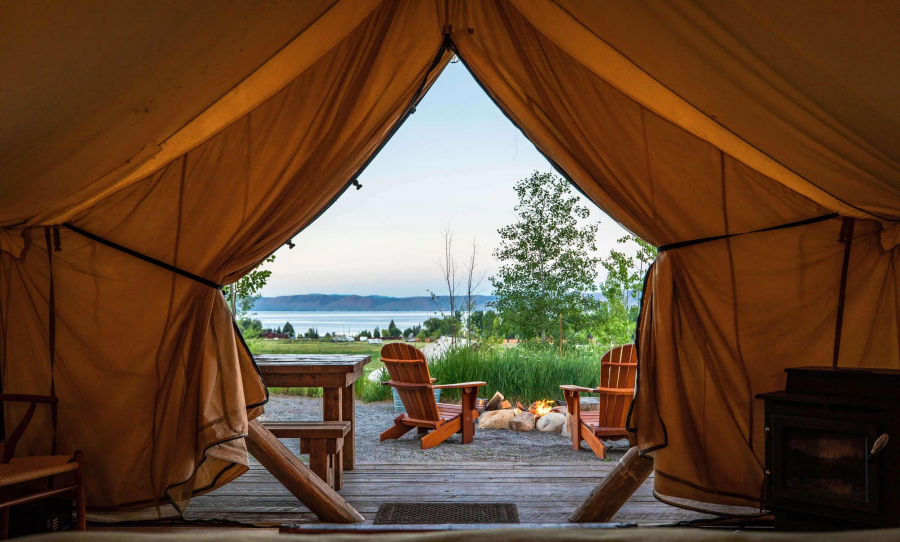
Group travel is a useful way to save money because transportation, food, accommodation, and other expenses like car rentals and taxis are shared among you. If you don't want to travel with family or friends, signing up for a tour to make new friends and socialize is also a great option. It's especially safe when choosing adventurous trips—trekking, for example.

6. Cooking your own food/Choosing a restaurant
If you're going on a short camping trip, you can definitely prepare one (or a few) meals in advance for yourself, your family, or friends. Campsites often sell food, but the prices are usually high and it might not suit everyone's taste. If you're traveling to a different city, you might consider renting a hostel with a kitchen for guests to cook. However, if you've gone to the trouble of traveling to a particular place, take the time and "invest" in experiencing the local cuisine. Hotel owners will surely recommend a few traditional eateries that meet the three criteria of "Delicious - Nutritious - Affordable."
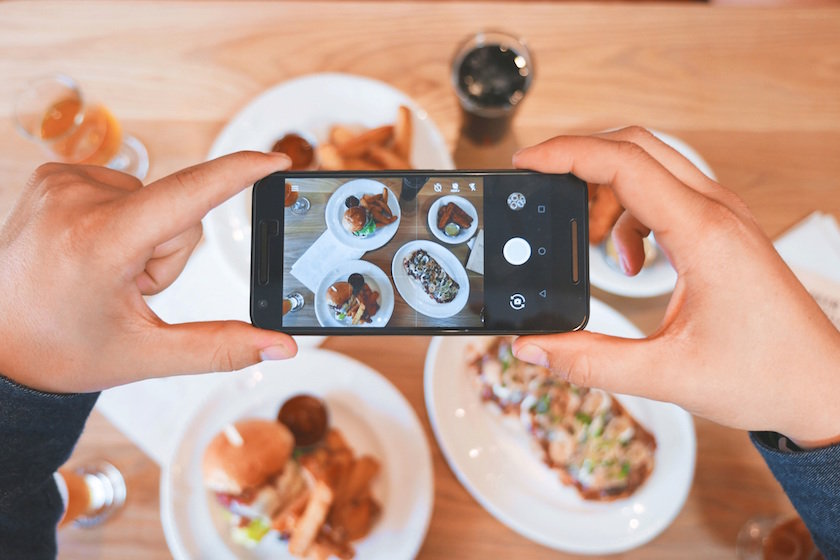
7. Choose minimalist souvenirs.
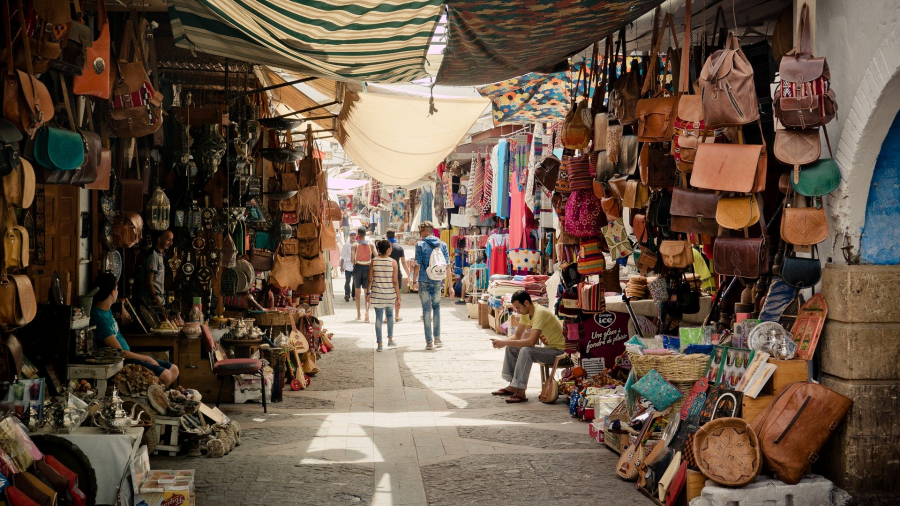
Many people have a habit of buying souvenirs when traveling, and sometimes the cost of these gifts takes up a significant portion of the total trip expenses. Therefore, think carefully before buying souvenirs. Instead of choosing flashy, expensive gifts in shopping malls or tourist areas, you can take a stroll through a local market and buy small, charming, and truly meaningful items made from characteristic local materials. This way, the gift retains its meaning, and buying souvenirs won't become a burden on your trip.
8. Work while traveling.
This option is particularly suitable for young people traveling alone and staying in one place for an extended period. You can research and contact some accommodations that allow you to exchange your labor for free meals and accommodation (as a form of part-time work). However, if traveling abroad, make sure that the laws of that country allow residents to work.