VI
VI


The pristine grasslands captivated the audience.
"My Altay" is an adaptation of the journal of the same name by writer Li Quan from Xinjiang (China). After its screening at Cannes, the film received much praise from international audiences for its breathtakingly beautiful natural landscapes of the Altay region, along with the unique customs of Xinjiang. It's undeniable that each frame seems to possess a magical healing power, dispelling the anxieties of a hurried life.
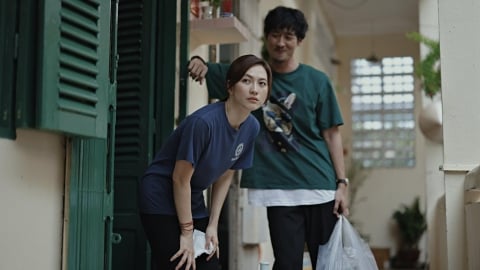
In just eight episodes, "My Alatai" takes viewers on an emotional journey through the remote Northwest of China, exploring the simple life of the main character. Set against the backdrop of a wild grassland, the series unexpectedly welcomes Li Wenxiu, a city girl forced to return home after failing to achieve her dream of becoming a professional writer in Urumqi, the capital of the Xinjiang Uygur Autonomous Region.
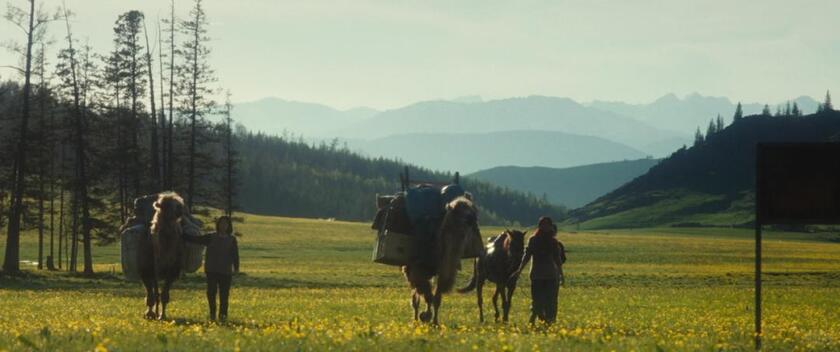
This picturesque region has become China's hottest tourist destination this summer thanks to a healing film.
Altay is not just a small town, but also a place where Li discovered new aspects of herself and found joy in simple things. Initially feeling lost, Li gradually integrated and felt the love of the community thanks to the warmth of the Altay people.
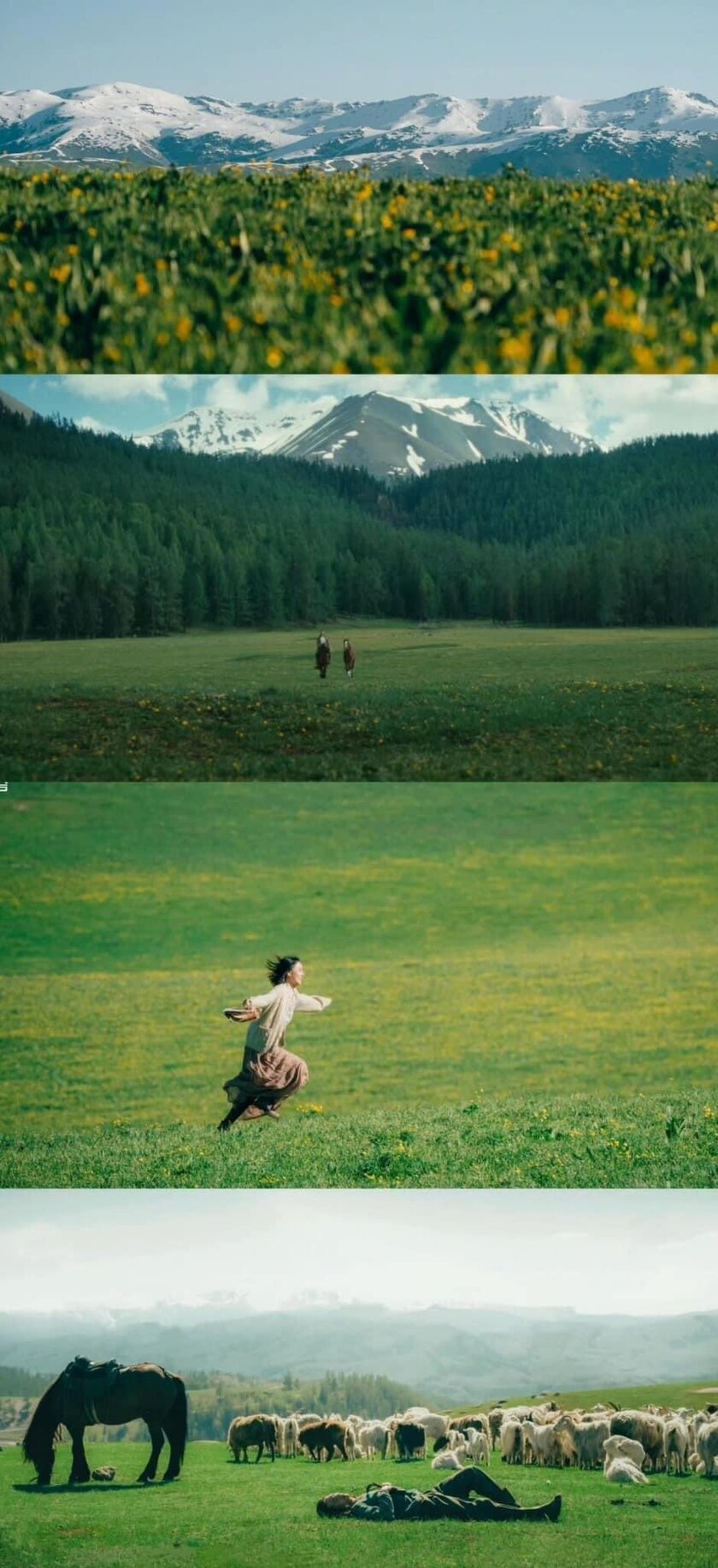
In front lies a clear blue sky, below is a vast expanse of green grassland, to the right is a forest, and to the left are towering mountains.
In an era where short, fast-paced videos with special effects dominate the screen, "My Alatai" is like a breath of fresh air, transporting viewers back to slow-paced, tranquil, and emotionally resonant films. Netizens have likened watching the series to "taking a deep breath of fresh air" amidst the hustle and bustle of life.
"My Altay" not only captivated audiences but also contributed to boosting tourism in Altay. According to statistics from the accommodation rental platform Tujia, the number of searches for guesthouses in Altay tripled in just one week, demonstrating the film's immense appeal to viewers.
If Xinjiang is the closest place to paradise, then Altay is the center of paradise. There, snow-capped mountains and grasslands meet side-by-side, lakes and forests coexist, allowing visitors to admire almost all the wondrous and romantic beauty of this world.

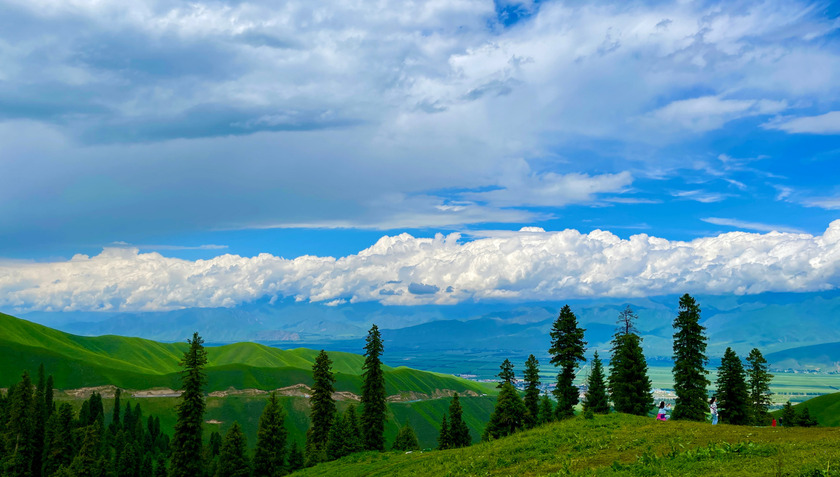
The film is a propaganda piece showcasing the beauty of nature and people in Altay; it depicts the sincere, honest, and simple feelings between people.
Through the director's lens, Altay appears like a stunning painting, changing with each season. The picturesque scenery here makes viewers exclaim, "If you haven't set foot in Altay, you've missed half the beauty of Xinjiang!" Regardless of spring, summer, autumn, or winter, the beauty of Altay always amazes people.
The footage of Altay awakens all the senses of the viewer. Each moment is like stepping into a glorious dream, one reluctant to wake from. Every dawn, the lake is enveloped in a magical mist, the haze spreading across the surface of the lake, through the trees, and between the mountains, blurring the boundary between the earthly and heavenly realms.
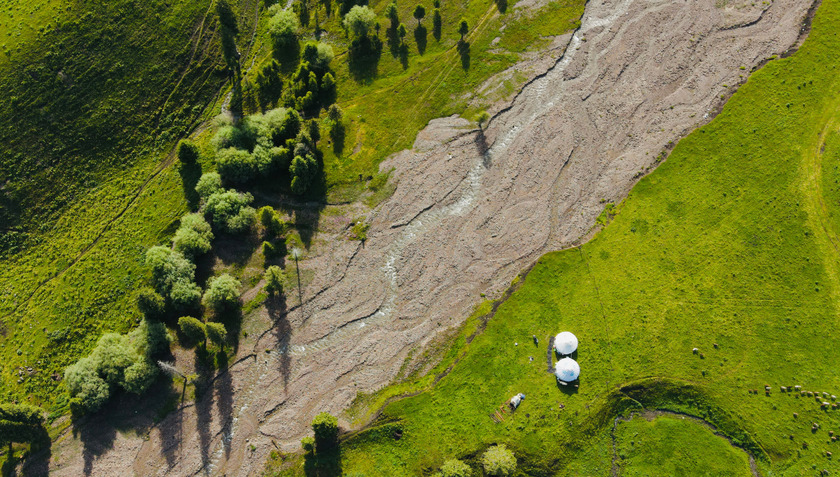
The lives of the A Lac Thai people are like a melodious symphony, blending the sounds of the mountains and forests with the rhythms of modern life. They are the keepers of tradition, carrying within them the romantic souls of the people of the mountains and forests.
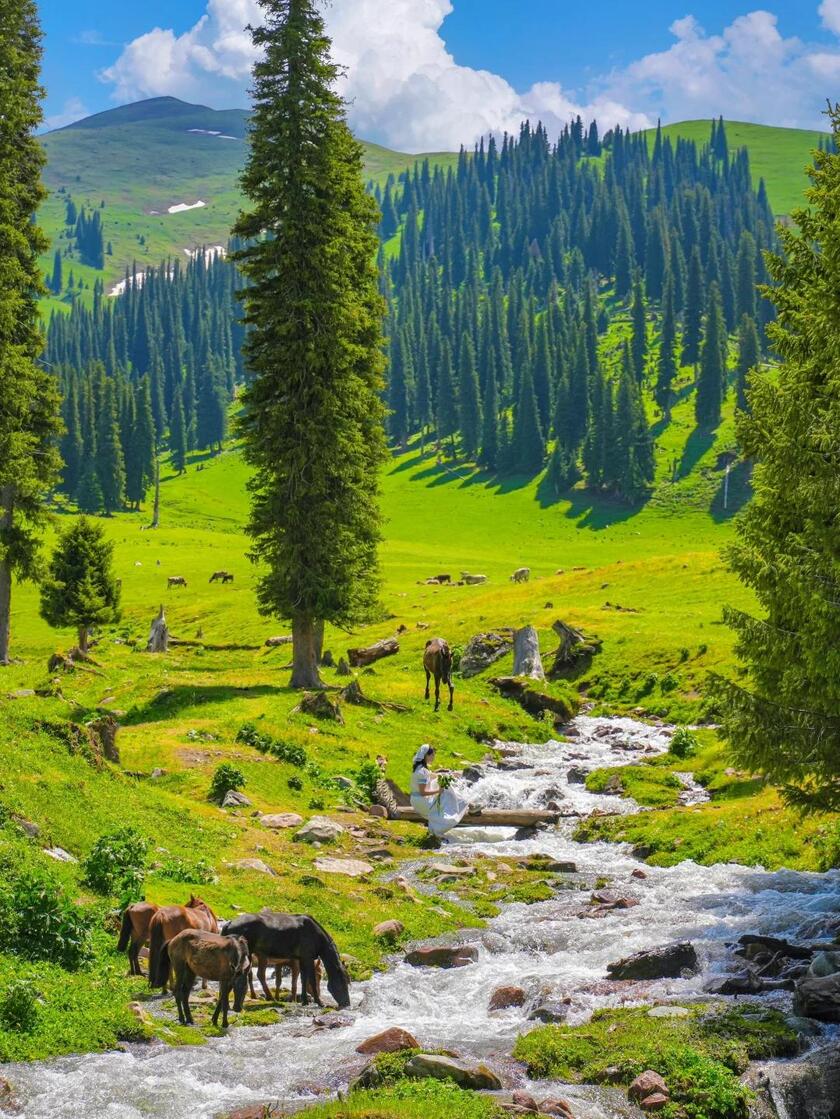
"Altay" in Mongolian means "gold." Anyone who has ever set foot in Altay will agree that it is a legendary land, where legends come to life. It is one of the rare corners of the Earth where nature wears its most pristine garments. Vast steppes, lush taiga bushes, the humble charm of the desert, the splendor of snow-capped peaks…
On social media, viewers have been captivated by the stunning scenery of Altay, calling it a new "healing" destination for those weary of the pressures of studying or work. Hashtags related to the film have garnered over 500 million views on Weibo.
Go with the flow of nature, face challenges bravely; love, live, and accept vulnerability.
Upon returning to Altay, the film's protagonist gradually abandons the hustle and bustle of city life to immerse herself in the slow, peaceful pace of life there. She learns to appreciate the simple things and finds joy in gardening, cooking, and connecting with nature.
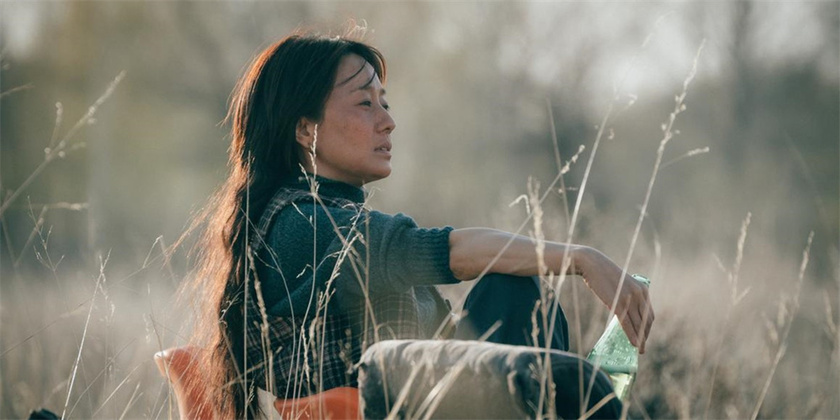
In the hustle and bustle of urban life, with its high pressure, many people yearn to escape and seek a peaceful haven.
The story is not just a collection of words written by author Ly Quyen in her essays, like a cool breeze transporting us to a peaceful world where time slows down and the soul finds tranquility. It blends seamlessly with the images of pristine white snow, lush green meadows, and simple people on screen, touching the hearts of viewers.
The film depicts people tending their livestock, gathering and playing together, time flowing leisurely between the sky and the earth, and poetry. Life in a distant land unfolds before the eyes, a peaceful scene that makes one feel the need to slow down, cherish every moment, and find tranquility, escaping the pressures of the hustle and bustle.
After successfully confessing his love, Ba Thai couldn't hide his joy and secretly kissed Li on the cheek. In the next scene, the girl dances happily on the vast草原 (grassland). Yellow flowers are scattered all over the green grass, and the youthful beauty and pure feelings between the two fill the small screen, leaving viewers with tears in their eyes.
During a gathering at a roadside restaurant, writer Liu asked Li what life was like in the summer meadows. Li paused for a moment, then calmly smiled and replied, "It's about love, living, and accepting hurt."
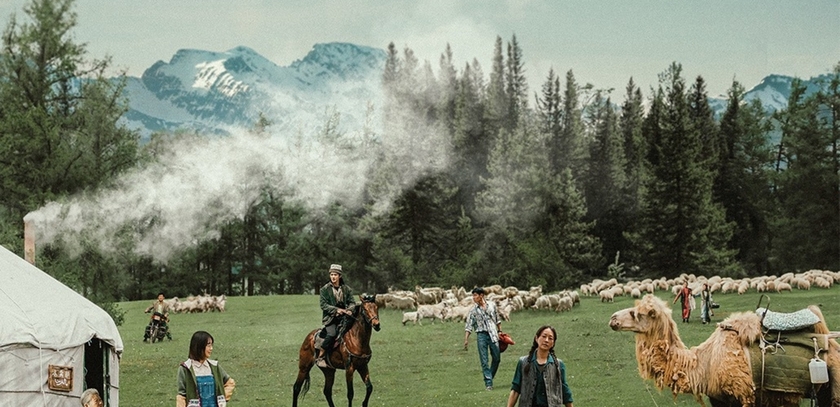
Li's story has become a ray of light, helping young people "heal" after the stresses of life.
""To love is to live, to accept hurt."- That concise and succinct statement is like a symphony of emotions. Love is not just about romantic feelings, but also about appreciating life and being tolerant of imperfections. Life is an adventure on the vast ocean; sometimes the sea is calm, sometimes storms rage. When you dare to overcome social barriers, you are painting your own unique picture of life.