VI
VI


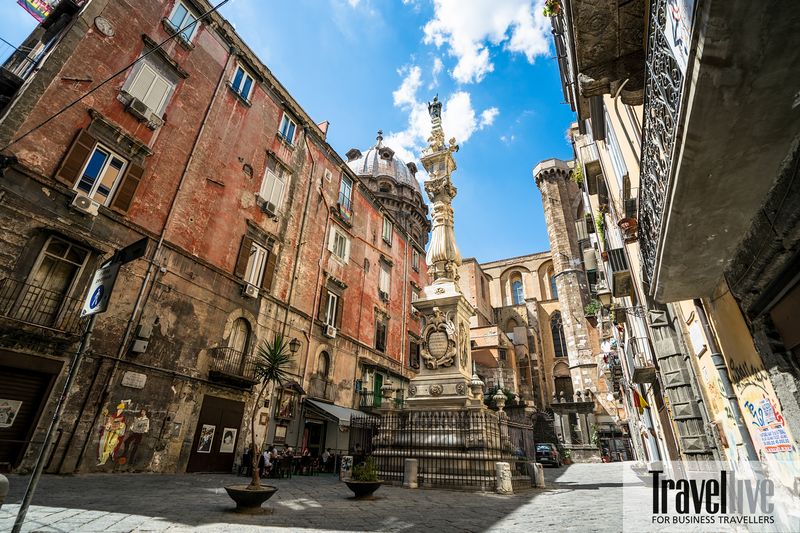
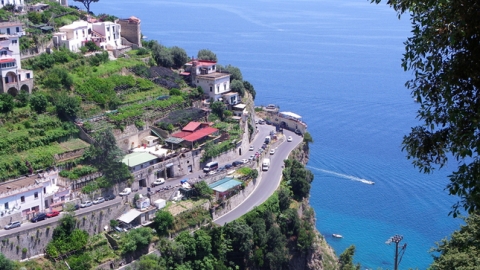
At six o'clock on a summer morning, I excitedly pushed open the door and stepped out onto the street. It was still twilight, and the morning mist lingered, cool and refreshing. The streets were deserted, a stark contrast to the bustling daytime scene in this Amalfi Coast region. Stretching over 25 kilometers and located entirely within the Bay of Salerno south of Naples, the Amalfi Coast begins in Positano, passing through the villages of Praiano, Amalfi, Ravello, and ends in Vietri sul Mare.
Amalfi of the past…
Many years ago, I visited Amalfi. Back then, I fell in love with the charming little villages nestled on the mountainside, the gently sloping pedestrian streets, the vibrant pottery shops, the villa gardens, and the sun-drenched, flower-filled balconies overlooking the sea, welcoming the cool Mediterranean breeze. The Amalfi Coast is truly Italian in its beauty—romantic, elegant, vibrant, and passionate. The Amalfi Coast is also a paradise for mountain climbers. I had heard about the "Road of the Gods" (Sentiero degli Dei) but hadn't had the chance to visit. From that moment, I knew I would return.
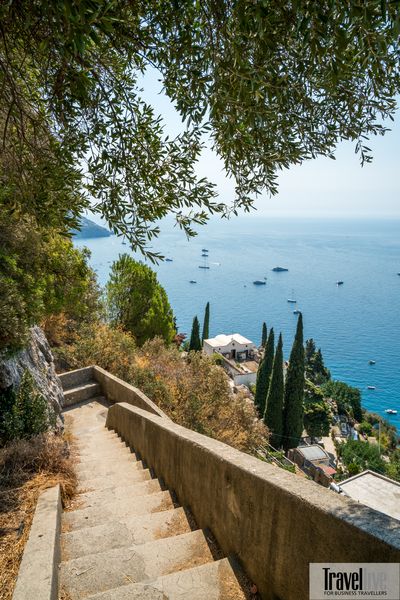
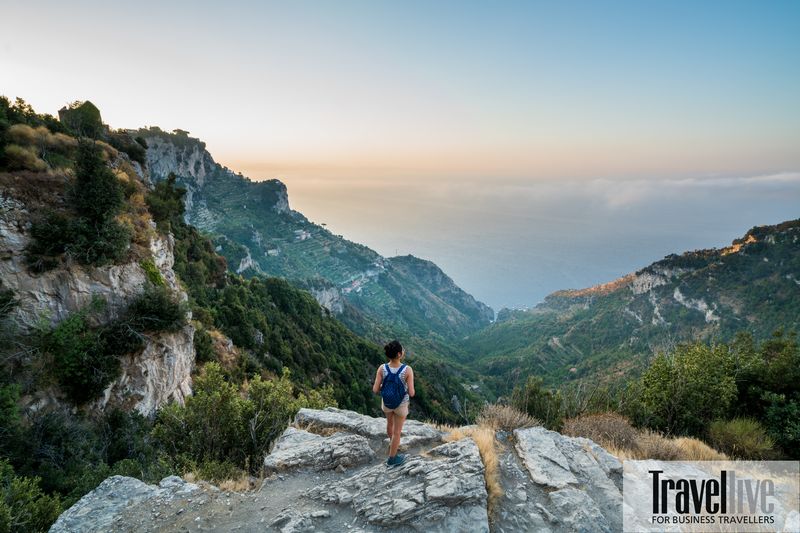
The Amalfi Coast is beautiful in true Italian style, both romantic and elegant, yet vibrant and passionate.
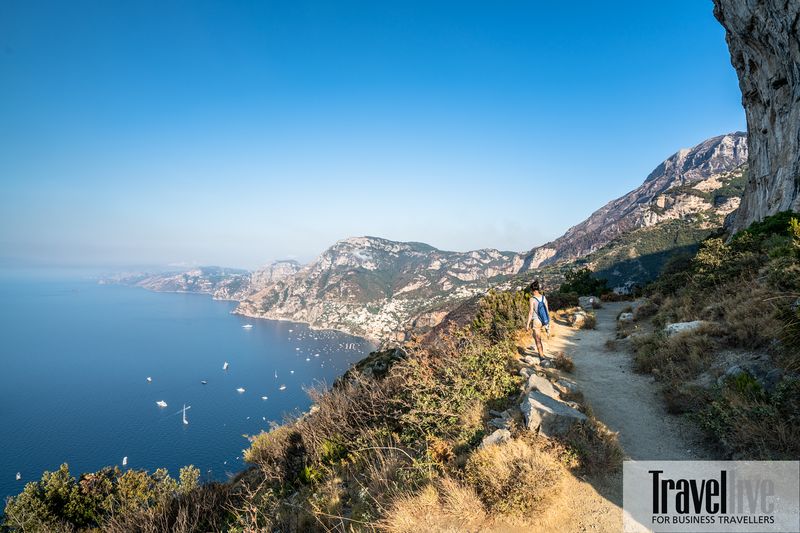

The "Path of the Gods" is a trekking route over 8km long, starting in Bomerano, in Agerola, and ending in Nocelle, above Positano – one of the most beautiful villages on the Amalfi Coast. The "Path of the Gods" takes its name from legend. The story tells that the Olympian gods, wanting to hear the songs of mermaids, often used this path, winding between the sky and the sea, along the rocky shores of the Amalfi Coast. From the mountainside, the gods could admire views from Capri Island, the Li Galli archipelago, the Sorrento Peninsula in the west, all the way to Salerno Bay in the east.Dishes you should try
- Spaghetti with stir-fried clams
- Black noodles made from stir-fried squid and seafood.
- A Neapolitan pizza topped with buffalo milk mozzarella cheese.
- Italian ice cream made from buffalo milk, rich and creamy.
- Sweet and refreshing limoncello dessert wine
…and the day of return
Today, after many unsuccessful attempts to visit Amalfi over the past few years, I finally brought my family here during the busiest time of year. The Southern Italian summer is scorching hot, especially on the crowded bus routes connecting Sorrento, Positano, Amalfi, and Agerola. After two days battling the heat, and seeing the map showing the "Road of the Gods" on the southern slopes of Monte Peruso, with virtually no shade, I knew there was no other way to avoid the sun than to leave very early.

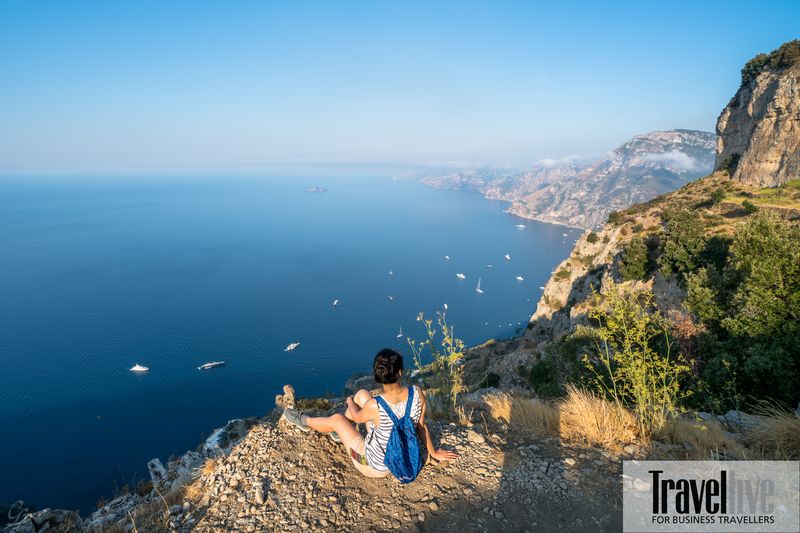
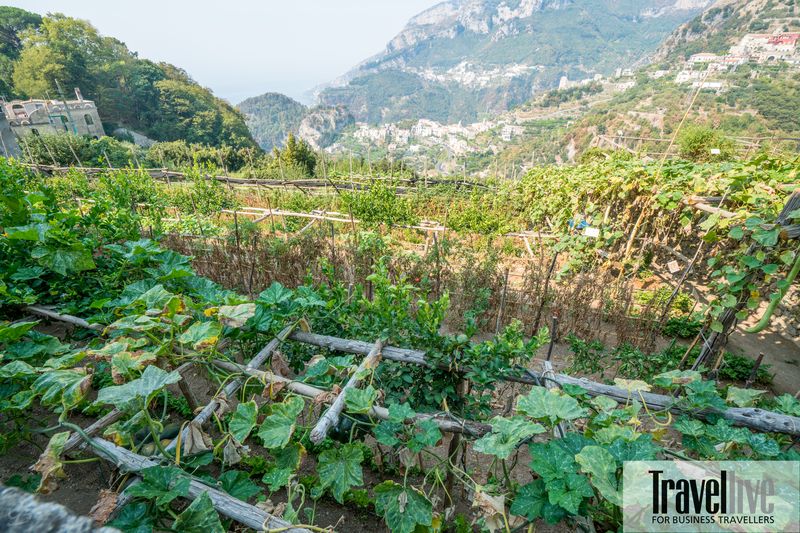
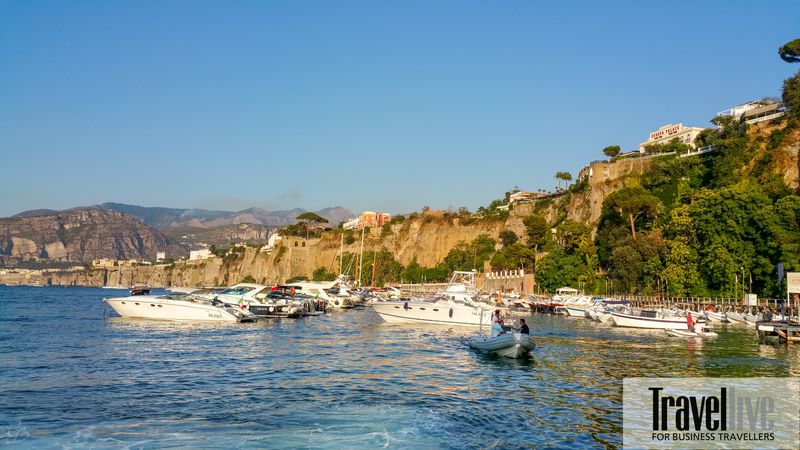
From the corner of Piazza Paolo Capasso in Bomerano, a small road led me to the starting point of the "Road of the Gods" at an altitude of 650m. The sun had not yet risen, and the morning mist still veiled the sea, creating a thin, fluffy layer of white clouds. Below, small boats were moored close together in a narrow cove. Stacked on the hillside, a few charming stone houses peeked out from between the pine trees and vines about to ripen.
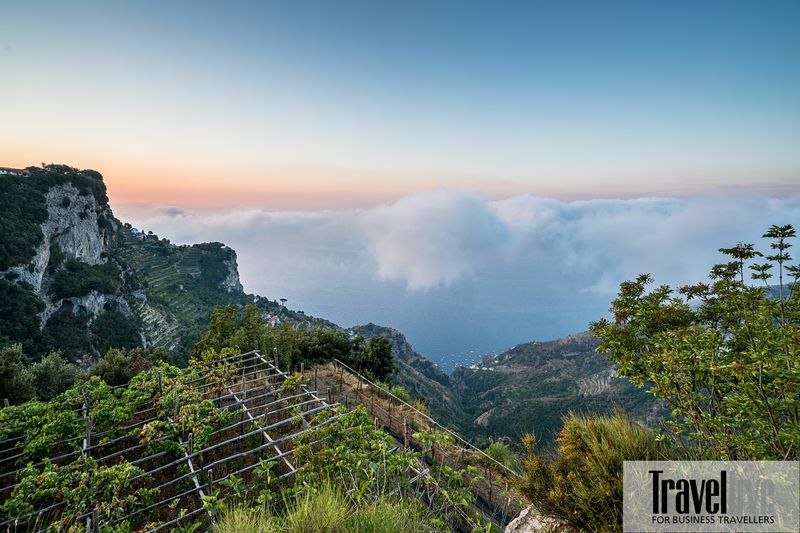
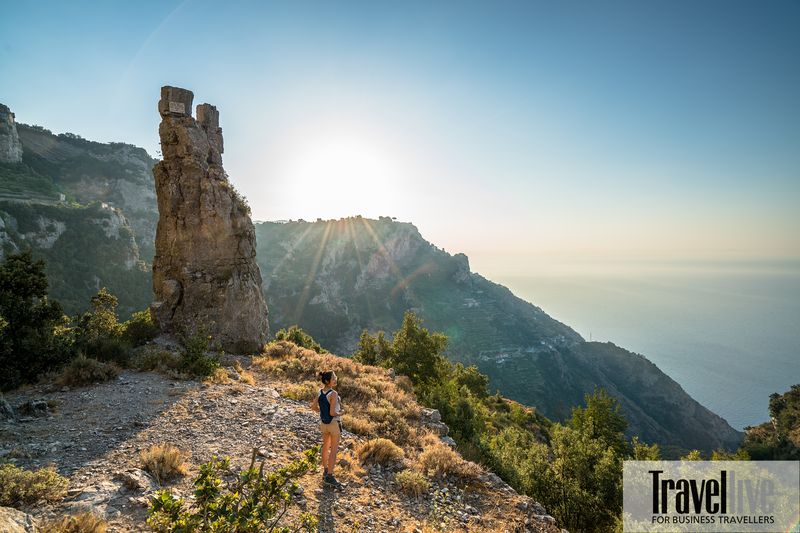
After a while, I found myself walking through a cool mist. The air warmed as the sun rose, causing the water vapor to rise higher and higher, and then dissipate completely. Drops of sunlight sparkled, breaking into rays on the mountainside behind me. Ahead, the deep blue waters of the Mediterranean Sea gradually came into view, the coastline glowing brightly in the early morning sun.
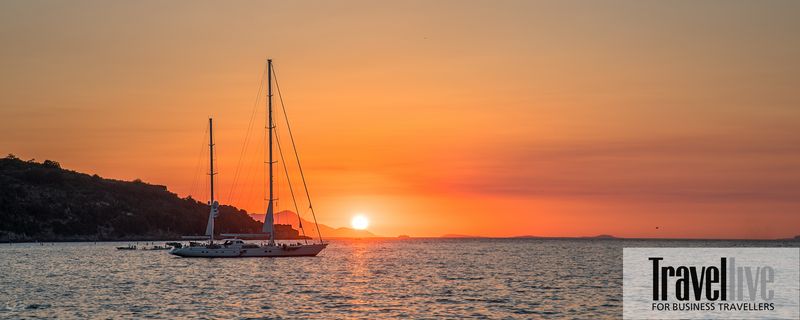
Sunlight glistened, scattering into rays on the mountainside behind me. In front, the deep blue waters of the Mediterranean Sea gradually came into view, the coastline glowing brightly in the early morning sun.
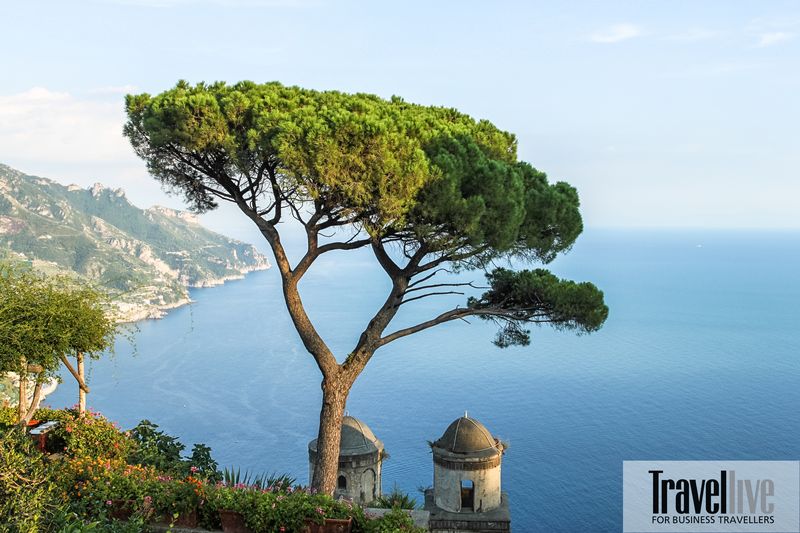
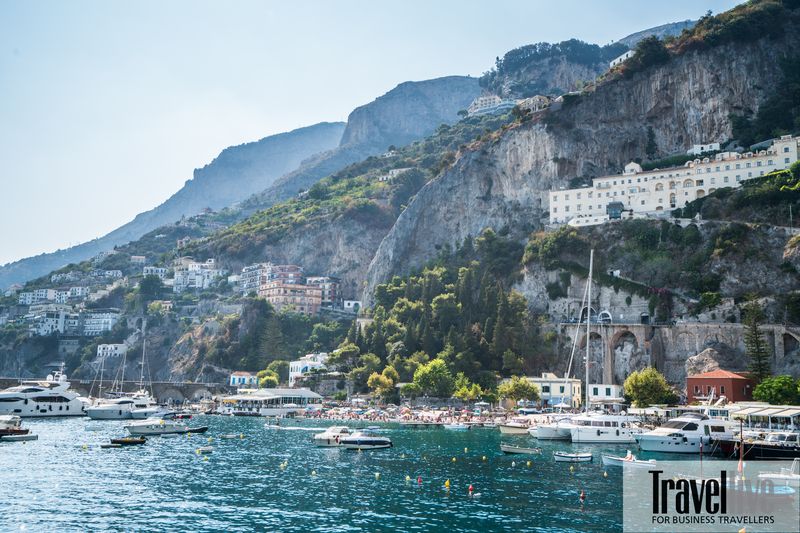
The "Road of the Gods," from Agerola to Nocelle, slopes gently downwards, as easy to walk on as a stroll. On one side are towering cliffs, on the other a vast, open space. About a hundred meters below, small yachts have begun to set sail. From here, they look tiny, like grains of rice bobbing on the water's surface. The sky is boundless, the sea is endless; who knows where the boundary lies?
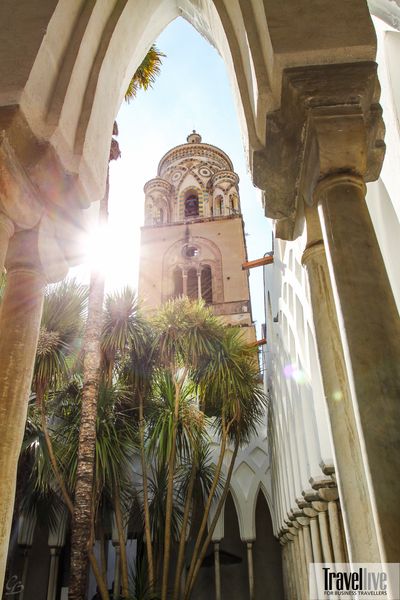
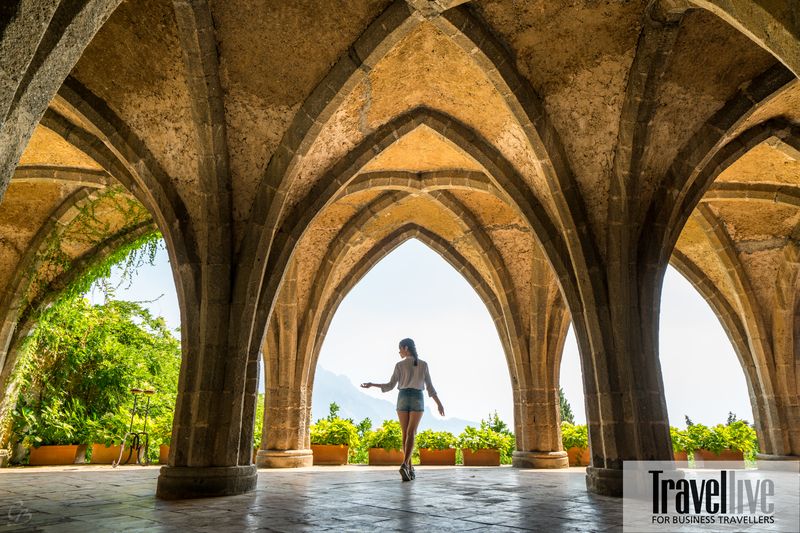
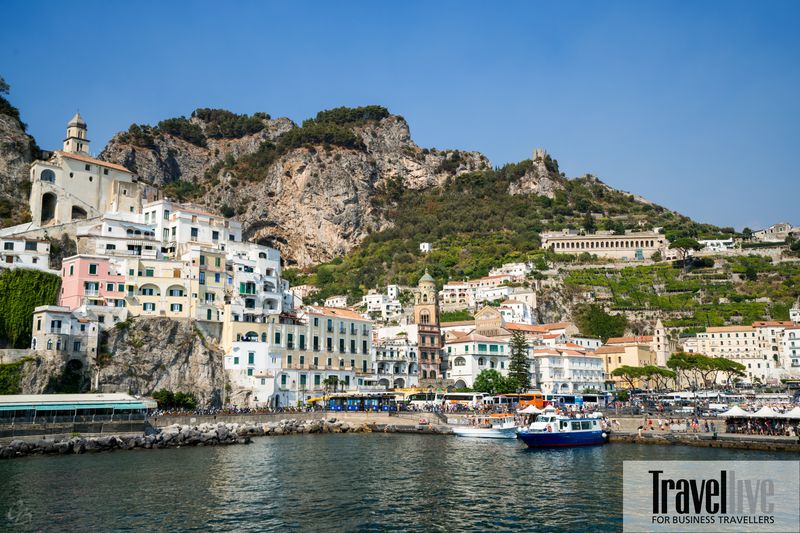
After about four hours of leisurely walking, taking photos, and admiring the scenery, we finally saw the white houses of Positano appearing in the distance. Nocelle is a small village located just above Positano, marking the end of the road. From Nocelle, it's another 3km down, with a bus departing every hour to the harbor, where you can catch a boat back to Amalfi. It was still early, the sun hadn't risen high yet, so we wanted to walk and admire the remaining tiny streets, nestled between the pristine white walls characteristic of the coastal region.
Positano is one of the most beautiful villages on the Amalfi Coast. The houses here are arranged in a terraced pattern, following the mountainous terrain. This ensures fairness, as every house enjoys the sea breeze, every balcony offers views of the cool blue water, and every house is bathed in warm sunshine.
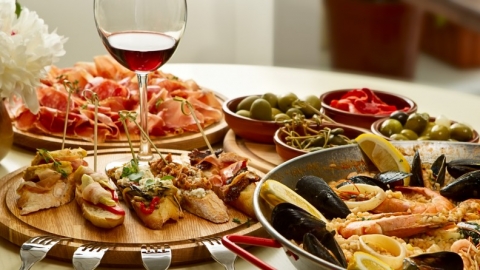
Visiting the Amalfi Coast and the province of Campania in central Italy, I couldn't forget to enjoy the delicious dishes, bathed in the Mediterranean sun. Everyone knows the most characteristic flavors of Italian cuisine, such as crispy, thin-crust pizzas, steaming hot spaghetti, plump, soft mozzarella cheese balls, or sweet, creamy mascarpone ice cream.
However, in Campania, even seemingly familiar dishes take on a more refined nuance. Italians often begin their meal (primi piatti) with a plate of mussel or seafood pasta, lightly tossed in olive oil for a glossy finish. The dish combines the chewy texture of al dente spaghetti with the delicate sweetness of mussels and a touch of spiciness for a perfectly balanced flavor.
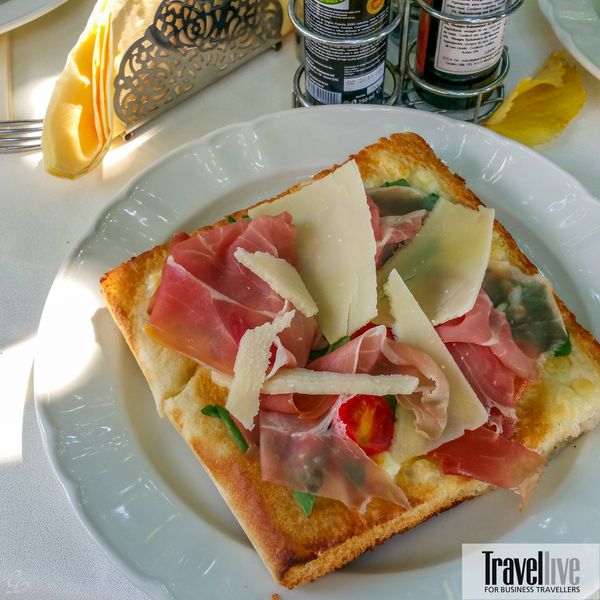
Few people know that Italian pizza, now popular worldwide, originated in Naples two centuries ago and was recognized as an intangible cultural heritage by UNESCO in 2017. Among them, the most famous is the Margherita pizza, featuring three colors symbolizing the national flag: the green of fragrant basil, the white of traditional mozzarella cheese made from buffalo milk, and the red of ripe tomatoes grown on the slopes of Mount Vesuvius.
For dessert, it would be wonderful to savor colorful ice cream with chilled limoncello served in a small, handcrafted porcelain cup. Limoncello is a famous lemon liqueur from the coastal region of Sorrento to Amalfi. Its fragrant lemon aroma and sweet, golden hue evoke memories of a sun-drenched seaside.
If you've ever been to Amalfi, you'll definitely want to come back again. Just like me!
If this is your first time planning a trip on the Way of the Gods, check this out.Essential travel information is available here..