VI
VI


During his recent trip to France, Dinh Hoang Duc (a student studying in Germany) was deeply impressed by French architecture, especially the Opéra Garnier. "Although I had spent a lot of time researching and looking at pictures of the theater beforehand, in reality, the Opéra Garnier was much more luxurious and magnificent than I had imagined," he shared with Travellive.
Let's admire the magnificent architecture of this space through the lens of Hoang Duc.
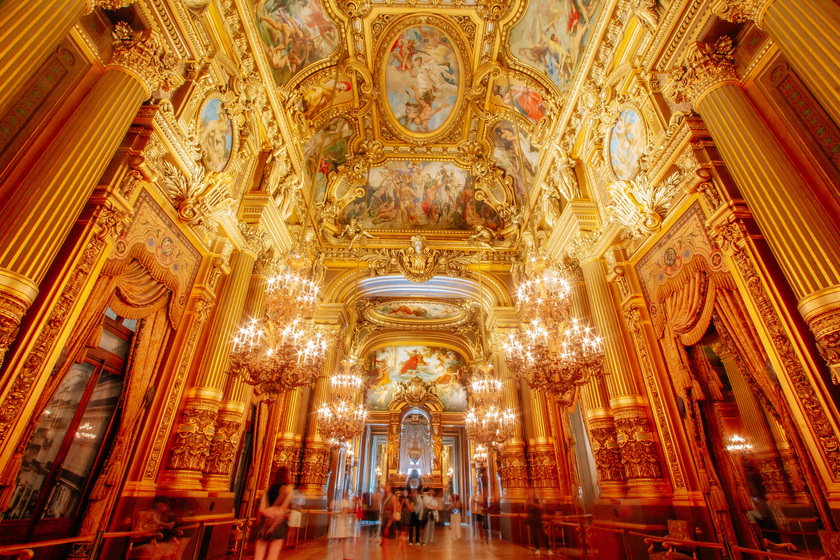
Architect Charles Garnier created the architectural masterpiece, Opéra Garnier.
The Opéra Garnier, inaugurated in 1875, boasts an eclectic style, borrowing from many historical elements. The Opéra Garnier is a harmonious and skillful blend of Baroque, Palladio's Classicism, and Renaissance architecture. At a total cost of 33 million francs, it was the most expensive building constructed under the Second Empire.

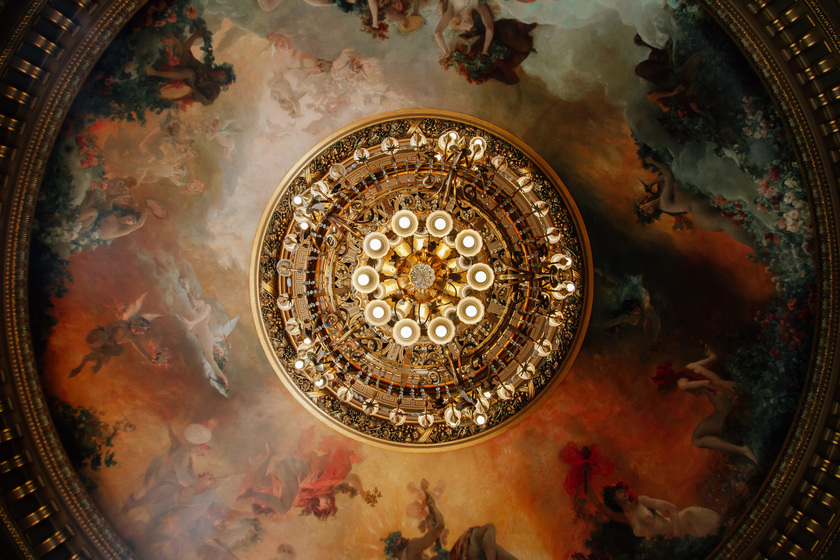
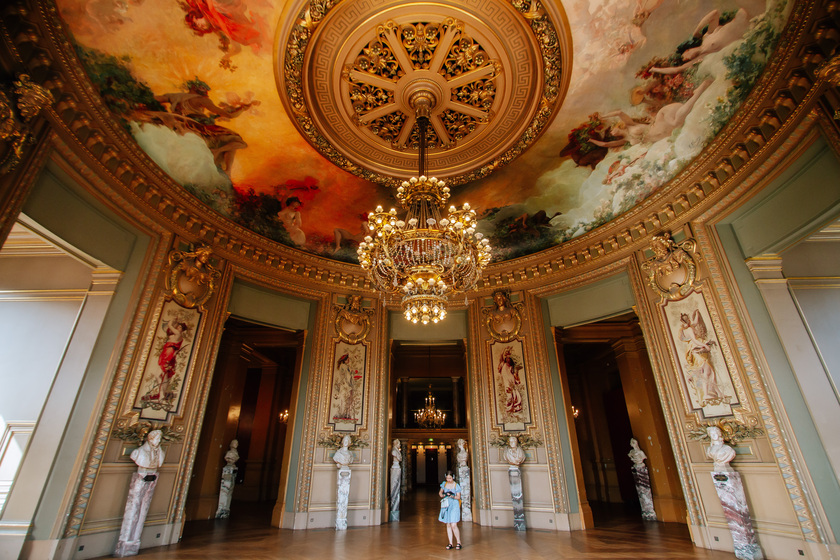
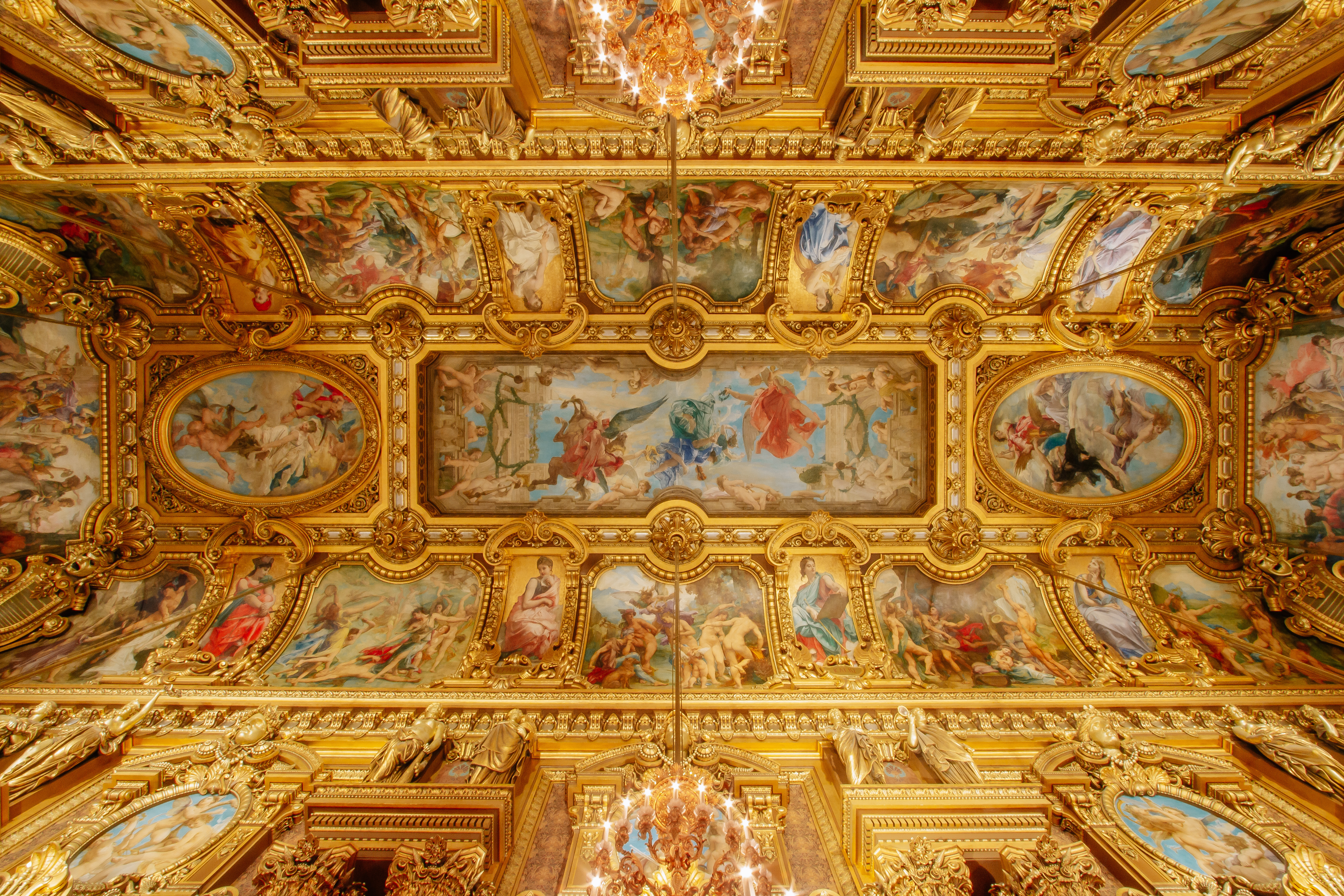
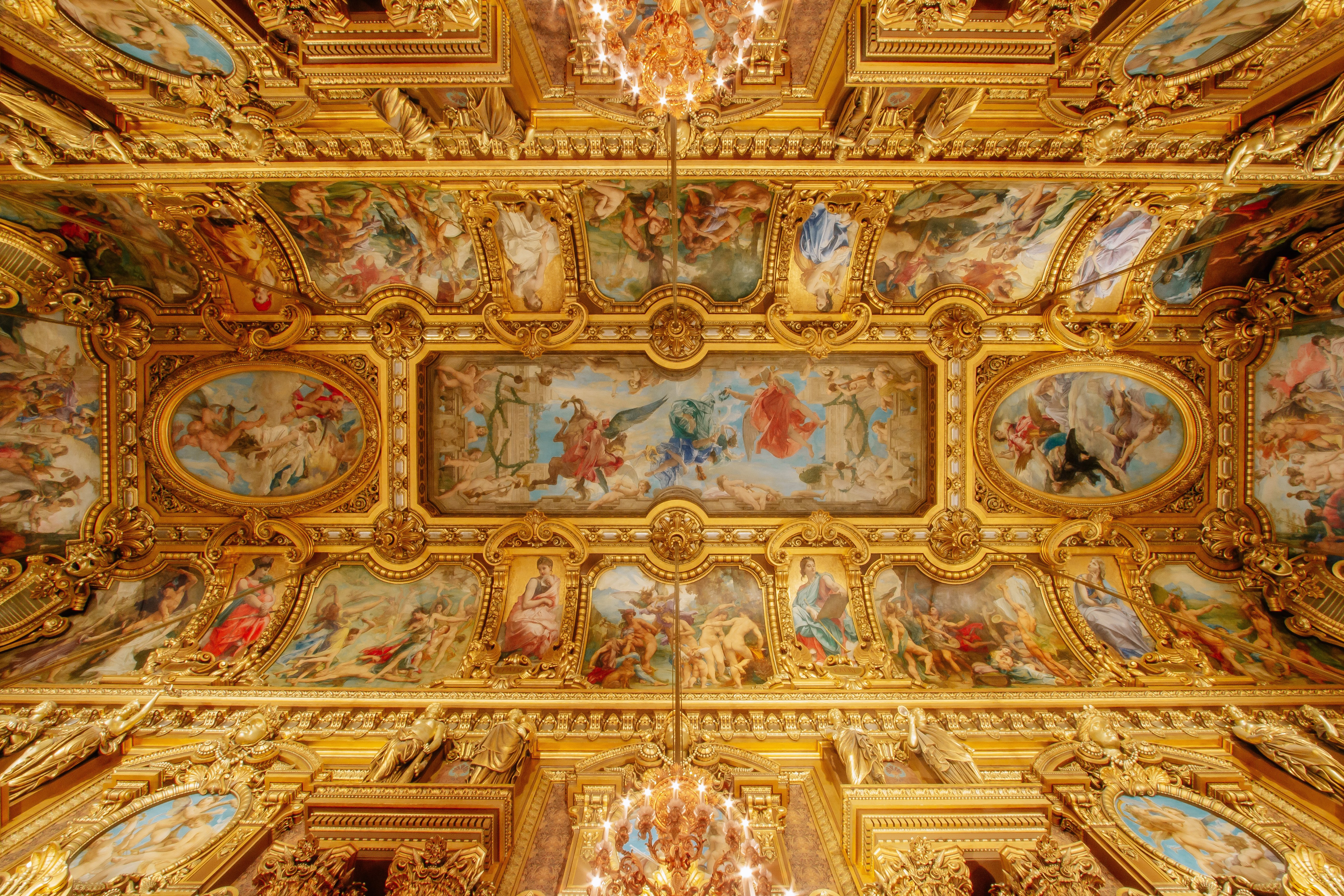
The theater ceilings are magnificent works of art.
The magnificent main hall is 18 meters high, 154 meters long, and 13 meters wide, with a ceiling painted by Paul-Jacques-Aimé Baudry. The hall opens onto an outer corridor, and at either end are two octagonal salons. Jules-Élie Delaunay painted the ceiling for the east salon, and Félix-Joseph Barrias painted the west salon. These two octagonal salons open northward into the Salon of the Moon at the western end and the Salon of the Sun at the eastern end.

The Great Hall faces east.
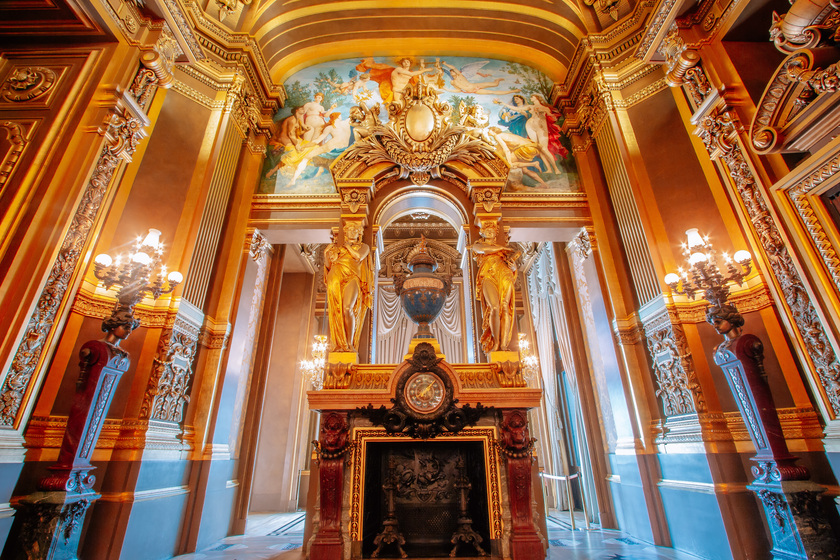
The salon's ceiling is octagonal at the eastern end, with an oval painting in the center by Jules-Élie Delaunay.
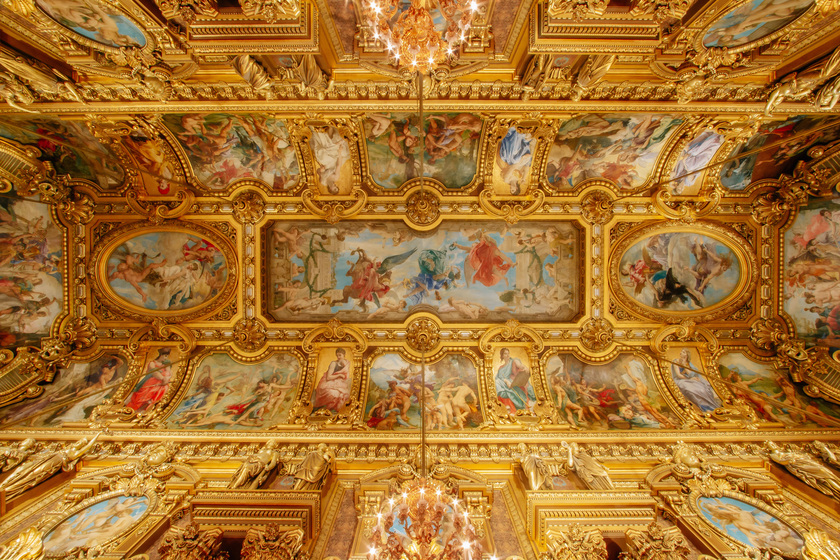
A section of the Great Hall's ceiling features works by Paul Baudry: the rectangular piece in the center is titled Music, while the oval piece at the western end is titled Comedy.
The diversity and artistic excellence of Opera Garnier are evident not only on stage but also in its stunning interior architecture. The space is adorned with paintings, sculptures, colorful ceilings, and magnificent chandeliers, creating an atmosphere of luxury.
The theater's grand staircase is also a prominent feature of the architectural work. Marble was used for the staircase, with white marble steps and red and blue marble railings. The multi-tiered structure leading up to the Grand Hall was inspired by Victor Louis's grand staircase design at the Theatre de Bordeaux.
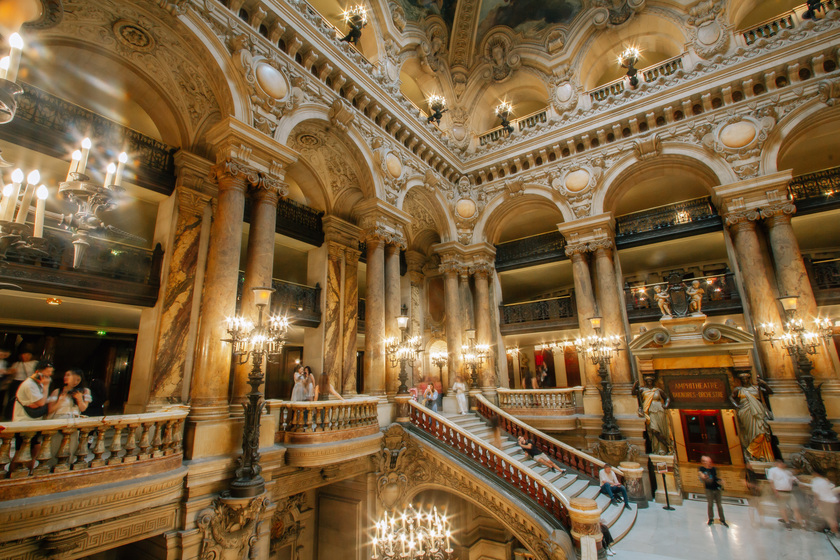
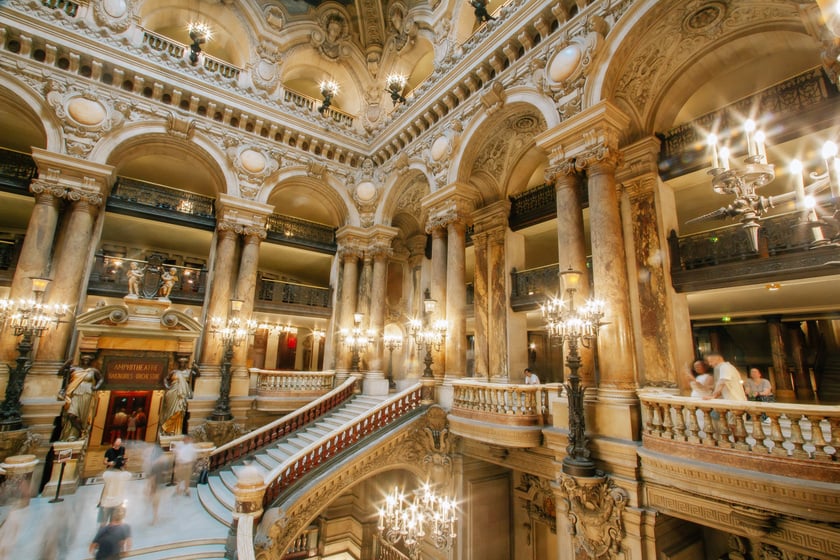
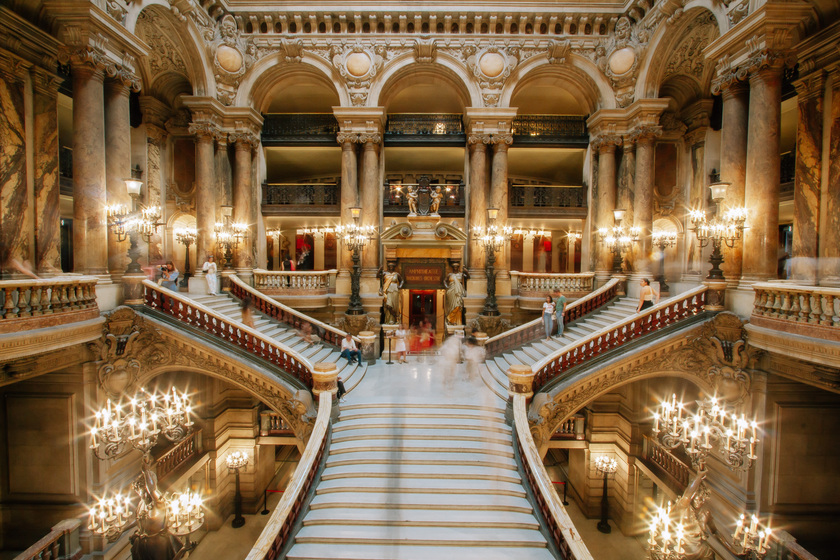
The iconic grand staircase of the Garnier Theatre.
Currently, the exterior is undergoing restoration until the end of 2024, so visitors can only tour the interior of the theater.
You should buy your tickets online to avoid waiting in line.