VI
VI


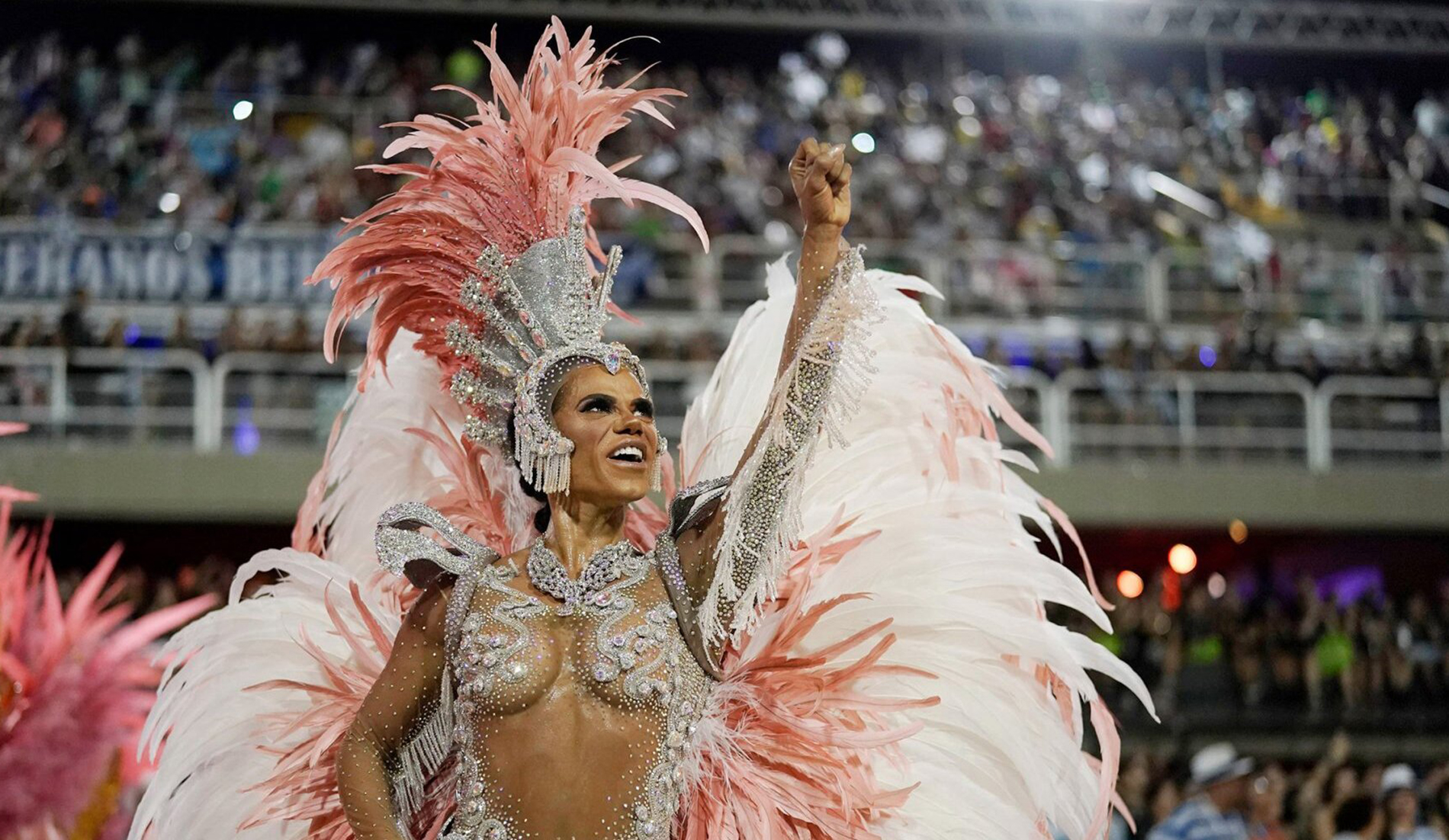
On January 4th, Rio de Janeiro Mayor Eduardo Paes announced the cancellation of the carnival street festival due to a sharp increase in new Covid-19 cases linked to the Omicron variant and its rapid spread. City officials made the decision after a meeting with health authorities. According to government representatives, the festival has no limit on the number of participants, making it difficult to control the spread of the virus. This marks the second consecutive year that the Rio de Janeiro carnival has been canceled due to the pandemic.
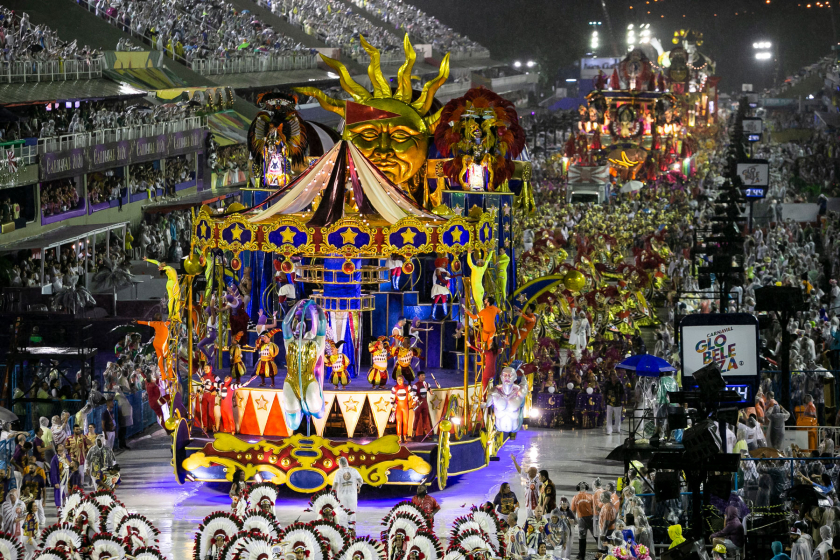
The Rio de Janeiro Carnival is the largest carnival on the planet, attracting millions of people worldwide every year. Photo: Travel and Leisure

While street parades by "blocos" bands have been canceled, the Sapucaí masquerade festival for samba dancers at the Marques de Sapucaí Sambadrome stadium will still take place with health regulations in place. The venue has a capacity of 70,000 people, and authorities can control entry and exit. To attend, attendees must present proof of COVID-19 vaccination, a negative SARS-CoV-2 test result, and are required to wear face masks.
The emergence of the rapidly spreading Omicron variant, coupled with increased gatherings during Christmas and New Year, has led to a sharp increase in COVID-19 cases in Rio de Janeiro. On January 5th, the Brazilian Ministry of Health reported 18,759 new COVID-19 cases and 175 deaths. Currently, 80% of Rio de Janeiro's population has received at least two doses of the COVID-19 vaccine, while nearly 25% have received a booster shot.
The Rio de Janeiro Carnival is considered the world's largest masquerade festival, with two million people on the streets each day. According to statistics from the travel agency Riotour, an estimated 7 million people attended street festivals in 2020.