VI
VI


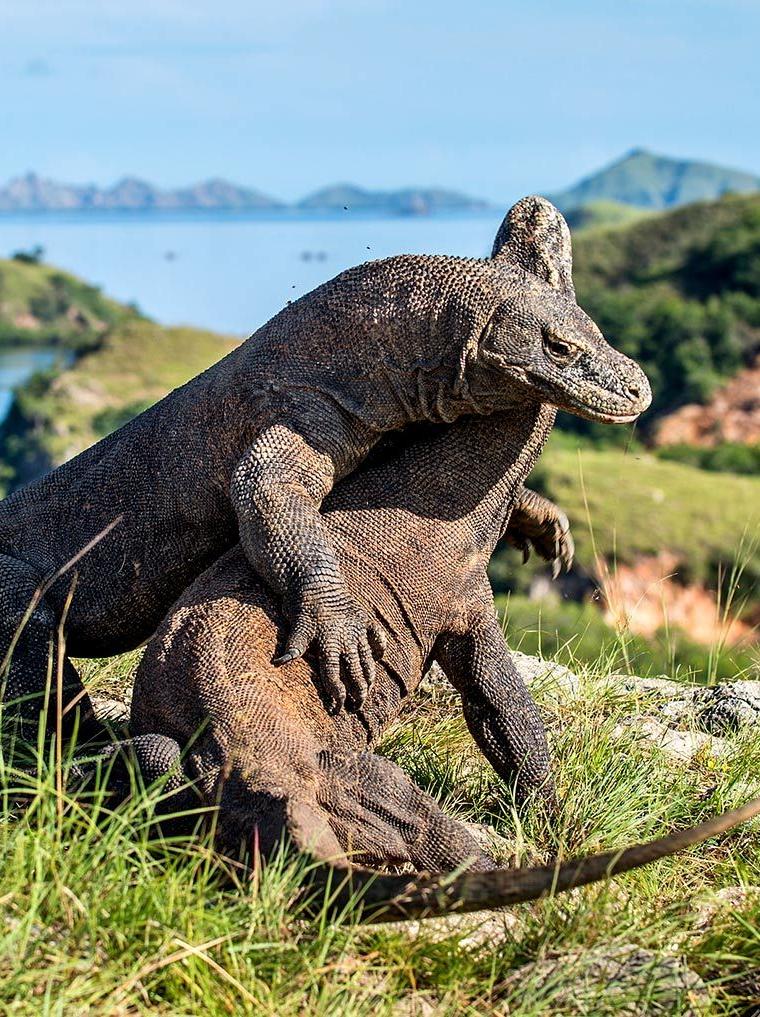
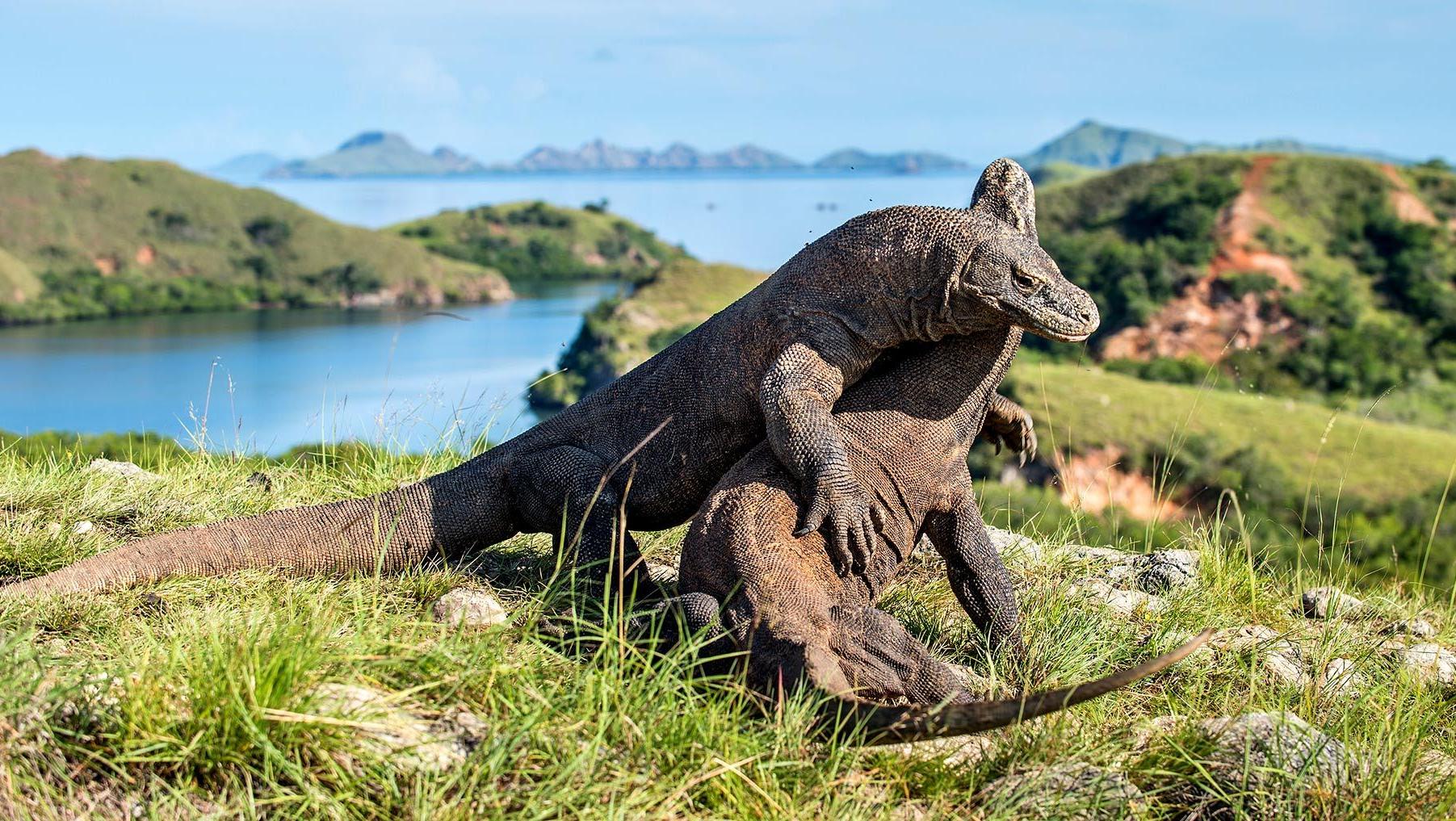
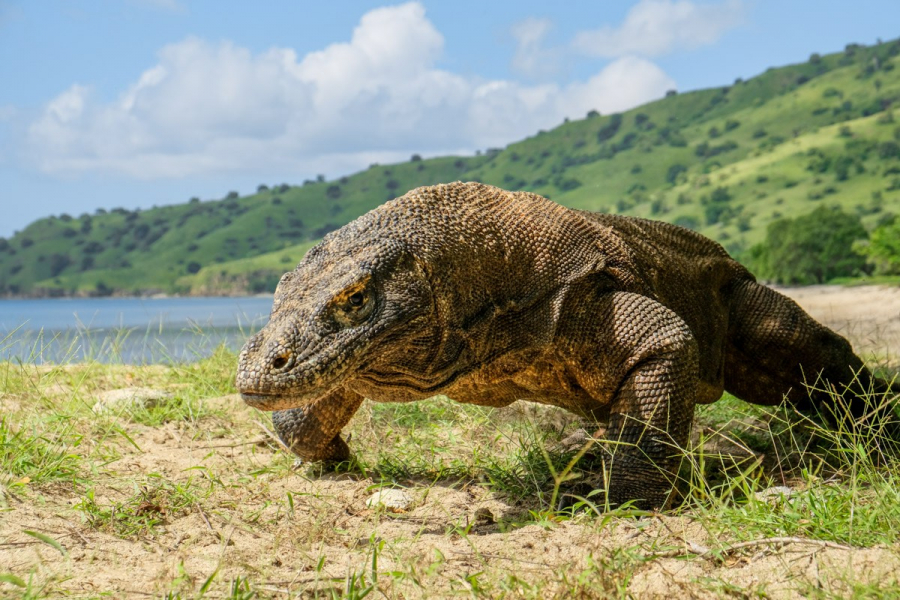
Komodo dragons are one of the world's largest lizard species, reaching up to 3 meters in length, with serrated teeth, a yellow forked tongue, strong limbs, and a long tail. According to government data, Indonesia is home to approximately 3,100 Komodo dragons, with Komodo National Park being the most popular tourist destination. This area has also been recognized as a UNESCO World Heritage Site.
Last month, UNESCO officials stated at a World Heritage Committee workshop that tourism projects in Komodo National Park needed a new environmental impact assessment, due to concerns about illegal fishing and potential harm to the Komodo dragon's natural habitat. However, they received no response.

Rima Melani Bilaut of the Indonesian Environment Forum also agreed that the project would have impacts on both the local people and the dragons: "We propose that the government develop tourism based on human factors."
However, Inung Wiratno, a senior official at Indonesia's Ministry of Environment, asserted, "This project will continue. It has been proven to have no negative impact." He said a new assessment is being drafted and may be submitted to UNESCO in September. Wiratno added that this project mainly involves renovating existing structures and does not endanger the rare Komodo dragons.

Indonesia is attempting to replicate the popular Bali tourism model at 10 locations nationwide, including Komodo National Park. In 2020, authorities aimed to attract 50,000 tourists to the area where the dragons live.